 bluename
 How to Repot Caladium Carolyn Whorton: Transplant Steps That Actually Work
If your Caladium Carolyn Whorton is root-bound, drooping, or pushing roots out of the drainage holes, it's time to repot. I'll give you the short answer right now: repot in early spring before new growth starts, use a pot only 1–2 inches wider, switch to a chunky, well-draining mix, and keep it warm and lightly moist for the first two weeks. That's it. That's the whole game.
But here's the thing — I've killed three Caladiums before I figured this out. Not because I'm careless. Because I followed generic repotting advice that doesn't apply to these fussy, gorgeous, tropical drama queens.
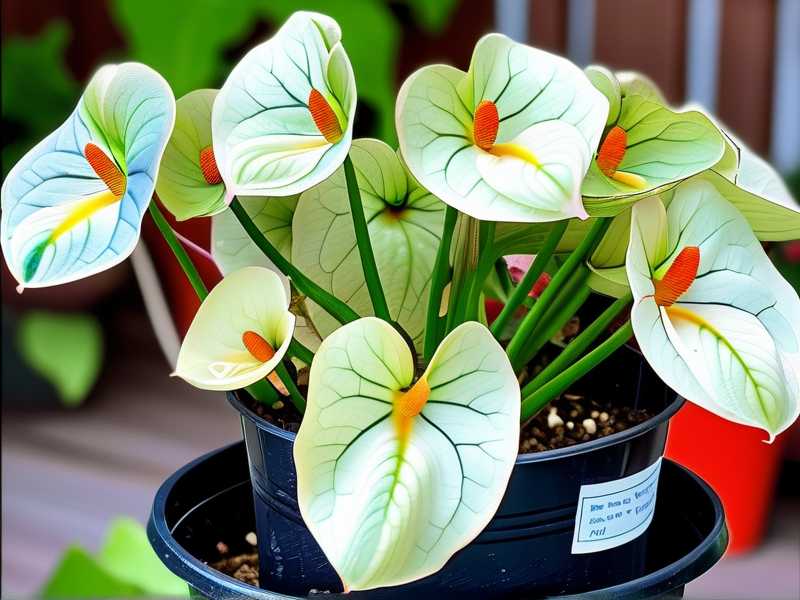
Caladium Carolyn Whorton is a fancy-leaf variety with pink-speckled, heart-shaped leaves that look almost painted. The RHS notes that Caladiums are tuberous perennials that hate cold, wet feet. That single sentence changed everything for me.
So let me walk you through exactly how I repot mine. No fluff. Just the steps, the mistakes, and the two-week reality check.
Why Carolyn Whorton Throws a Fit When Repotted Wrong
Carolyn Whorton isn't like a pothos. You can't just yank it out, shove it in bigger dirt, and walk away.
This variety grows from a tuber. That tuber stores water and energy. If you bury it too deep or keep it soggy, it rots. Simple as that.
I learned this the hard way with my first Carolyn Whorton. I repotted it in October because I thought the pot looked small.
Big mistake. The plant went dormant within a week. No leaves. Just a mushy tuber. I had to toss it.
The AHS points out that tropical aroids need warm soil temperatures above 65°F to actively grow. Repotting in cold months basically shocks them into dormancy.
So timing matters. Pot size matters. Soil matters. And honestly? Your watering habit after repotting matters most.
I used to think repotting was the hard part. It's not. The two weeks after are where plants live or die.
The Best Time to Repot Caladium Carolyn Whorton
Early spring. That's when the tuber starts waking up and new eyes (growth points) begin to swell.
I repot mine when I see the first tiny pink nub poking through the soil surface. Usually late March or early April where I live.
If you repot in summer, the plant survives but stresses. Leaves droop. Edges brown. It recovers, but slowly.
If you repot in fall or winter? Don't. Just don't. Wait.
I tried repotting a dormant tuber once in January. I thought, "It's sleeping, so it won't notice."
It noticed. The tuber sat in damp soil for three weeks and turned to mush.
So stick to spring. That's when Carolyn Whorton has the energy to bounce back.
Choosing the Right Pot for Caladium Carolyn Whorton
This is where 90% of indoor plants die from overwatering — and the pot you choose makes that number worse or better.
I use terracotta for my Carolyn Whorton. Always. Terracotta wicks moisture away from the soil. Plastic and ceramic glazed pots hold water like a sealed jar.
The pot should be only 1–2 inches wider than the root ball. Not 4 inches. Not "a little bigger just in case."
I made that mistake with my second Caladium. I moved it from a 6-inch pot to a 10-inch pot because I thought it would grow faster.
It didn't grow. It sat there. The extra soil stayed wet for weeks. The tuber rotted from the bottom up.
So: small pot, drainage hole, terracotta if you can. That's your best bet.
The Soil Mix That Saved My Carolyn Whorton
I used to use regular potting soil. Big mistake.
Regular mix compacts. It holds water. Carolyn Whorton tubers hate that.
Now I make my own chunky mix. Here's what I use:
- 2 parts orchid bark
- 1 part perlite
- 1 part peat moss or coco coir
- A handful of horticultural charcoal
This mix drains fast. Water runs through it in seconds. The tuber stays moist but never soggy.
I also plant the tuber shallow. Only about 1 inch of soil on top. The RHS recommends shallow planting for Caladium tubers to prevent rot.
If you bury the tuber 3–4 inches deep, it stays wet too long. The eyes struggle to push through. You get weak growth or none at all.
Step-by-Step: How I Repot My Caladium Carolyn Whorton
Okay, here's my actual process. I've done this six times now. It works.
Step 1: Gather everything first. New pot. Fresh mix. Clean scissors. A trowel. And a workspace you don't mind getting dirty.
Step 2: Water the plant lightly 24 hours before. Not soaking. Just a little. Dry soil crumbles and damages roots. Slightly moist soil holds together.
Step 3: Slide the plant out. Turn the pot sideways. Support the stems with one hand. Tap the bottom. It should slide out. If it doesn't, run a knife around the inside edge.
Step 4: Shake off old soil. Gently. Use your fingers. Don't blast it with water. You want to see the tuber and roots clearly.
Step 5: Check for rot. Squeeze the tuber gently. Firm is good. Mushy is bad. If you find soft spots, cut them off with clean scissors. Let the cut dry for a day before repotting.
Step 6: Position the tuber. Set it in the new pot so the top of the tuber sits about 1 inch below the rim. Spread the roots outward.
Step 7: Backfill with your chunky mix. Don't press down hard. Tap the pot on the table a few times. That settles the soil without compacting it.
Step 8: Water once, lightly. Water until it runs out the bottom. Then stop. Don't water again until the top inch of soil feels dry.
Step 9: Keep it warm and out of direct sun. 75–80°F is ideal. Bright, indirect light. No direct afternoon sun for at least a week.
Step 10: Wait. This is the hardest part. Don't fuss. Don't water. Don't move it around.
I check mine every three days. But I don't touch anything unless the soil is dry.
The Two-Week Observation: What Actually Happens
I kept notes after my last repot. Here's the real timeline.
Day 1: Plant looks sad. Leaves droop. I almost panicked. This is normal. Roots are adjusting.
Day 3: Still droopy. One small leaf yellowed. I left it alone. It fell off on its own by day 5.
Day 5: No new growth. Soil still slightly moist from the initial watering. I did not water again. That's key.
Day 7: A tiny new leaf unfurls. Pale pink. I finally exhaled.
Day 10: Soil is dry 1 inch down. I water lightly. The new leaf has darkened. Stems perk up.
Day 14: Two new leaves. The plant looks better than before repotting. The tuber is firm. No rot. No pests.
So the two-week mark is when you know you did it right.
But here's the thing — if you watered every day during those two weeks, you'd have a rotten tuber by day 10. That's the trap.
The 3 Deadly Mistakes Newbies Make With Caladium Carolyn Whorton
I've made all three. Let me save you the heartbreak.
Mistake 1: Overwatering
90% of indoor plants die from overwatering. I'm not exaggerating. That's a widely cited horticulture statistic, and it fits Caladiums perfectly.
Carolyn Whorton has a tuber. That tuber stores water. If the soil stays wet, the tuber can't breathe. It rots.
I water mine only when the top inch of soil is dry. In spring, that's about every 7–10 days. In summer, every 4–5 days. In winter, every 2–3 weeks if the plant is still growing.
I killed my first Carolyn Whorton by watering it every other day. The tuber turned to brown mush in 12 days.
Don't do that.
Mistake 2: Wrong Light
Carolyn Whorton needs bright, indirect light. Not direct sun. Not deep shade.
I put one of mine in a south-facing window once. The leaves scorched. Crispy brown edges within three days.
Then I moved another one to a dark corner. It grew leggy. Pale. No pink color at all.
The sweet spot? An east-facing window. Or 2–3 feet back from a south window with a sheer curtain.
AHS recommends filtered light for tropical aroids. That matches what I've seen.
Mistake 3: Wrong Pot Size
Bigger is not better. I tried a 10-inch pot for a 6-inch plant. The extra soil stayed wet. Root rot set in.
Now I go up only 1–2 inches. Always terracotta. Always with drainage holes.
I also tried a self-watering pot once. Disaster. The reservoir kept the soil constantly moist. The tuber rotted in two weeks.
So: small pot, drainage, terracotta. That's the combo.
Long-Tail Tips That Made a Difference for Me
Tip 1: Don't fertilize right after repotting. Wait 4–6 weeks. Fresh soil has enough nutrients. Fertilizing too soon burns new roots. I learned that after losing a batch of new leaves.
Tip 2: Keep humidity high but soil dry. Carolyn Whorton loves humidity. I run a small humidifier nearby. Or I set the pot on a pebble tray. But I never mist the leaves. Wet leaves + warm room = fungal issues.
Tip 3: Watch for pests after repotting. Stress attracts spider mites and fungus gnats. I check the undersides of leaves every few days for two weeks. If I see webbing, I wipe leaves with insecticidal soap. If I see gnats, I let the soil dry out more between waterings.
Tip 4: Don't repot again for at least a year. Carolyn Whorton doesn't need annual repotting. Every 1–2 years is fine. I repot only when roots circle the pot or growth slows dramatically.
I repotted one plant twice in six months once. It never recovered. Too much stress.
What About Dormancy? Don't Repot a Sleeping Caladium
Carolyn Whorton goes dormant in late fall or winter. Leaves yellow. Stems collapse. The tuber sleeps.
Do not repot during dormancy. I tried it. The tuber had no energy to heal. It rotted.
Wait until you see new growth in spring. That's your signal.
If you live in a warm climate year-round, your Caladium might not go fully dormant. That's fine. Just repot when it's actively growing and warm.
Frequently Asked Questions
Can I repot Caladium Carolyn Whorton while it's blooming?
Carolyn Whorton doesn't really "bloom" in the traditional sense. It grows leaves. But if it's actively pushing new leaves, yes, you can repot. Just be gentle. If it's dormant, wait.
What if the tuber is mushy when I take it out?
Cut off the mushy parts with clean scissors. Let the cut dry for 24 hours. Then repot in fresh, dry-ish mix. Don't water for three days. If the whole tuber is mushy, toss it. It's gone.
How often should I water after repotting?
Water once lightly. Then wait until the top inch of soil is dry. For my Carolyn Whorton in spring, that's about 7–10 days. In summer, 4–5 days. In winter, 2–3 weeks. Always check the soil, not the calendar.
Final Thoughts From Someone Who's Killed a Few Caladiums
Repotting Caladium Carolyn Whorton isn't complicated. But it's unforgiving if you rush.
Use a small terracotta pot. Use a chunky mix. Plant the tuber shallow. Water sparingly. Keep it warm. Wait two weeks.
That's the whole formula.
I wish I'd known this before I lost my first three. But now you do.
So go ahead. Spring is here. Your Carolyn Whorton is ready.





