 bluename
 How to Fertilize Caladium Pink Beauty: Organic Care Steps That Actually Work
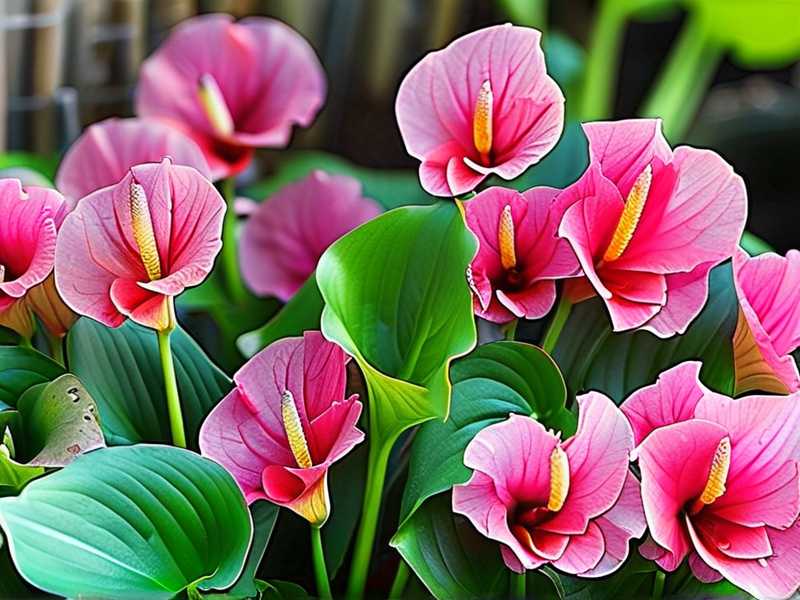
If you want the honest answer first: feed your Caladium Pink Beauty a diluted organic liquid fertilizer every two weeks during active growth, and skip feeding entirely when the plant is dormant. That's the whole game in one sentence. Everything else is just detail. But here's the catch — most people get the details wrong, and their caladium pays the price within days.
I've killed my fair share of caladiums. The first one I owned, a gorgeous Pink Beauty with those heart-shaped leaves, went from stunning to sad in about ten days. I blamed the plant. Then I blamed my apartment. Turns out the problem was me and my watering can.
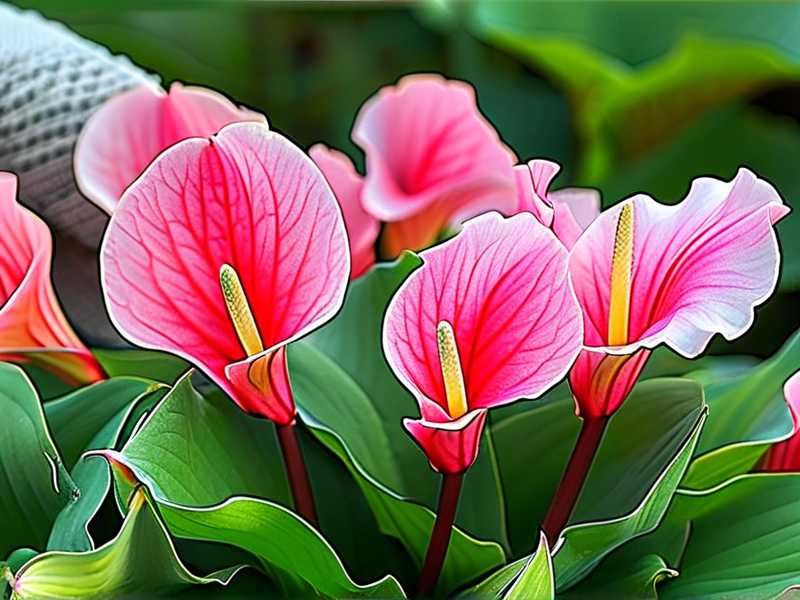
That's why I now stick to a strict organic routine, and I want to walk you through exactly how to fertilize Caladium Pink Beauty without making the mistakes I made.
Why Organic Fertilizer Matters for Caladium Pink Beauty
Caladiums aren't heavy feeders. That's something I wish I'd known two years ago. I used to think more fertilizer meant more leaves. Nope. More fertilizer meant burnt roots, crispy leaf edges, and eventually a dead plant in a pretty pot.
Organic fertilizers release nutrients slowly. They feed the soil, not just the plant. The Royal Horticultural Society (RHS) notes that while caladiums need consistent moisture and warmth, they don't tolerate heavy fertilizer salts. That tracks with my own experience.
I switched to organic options after my third caladium nearly died. The difference was obvious within two weeks. New leaves unfurled without brown tips. The pink veins in the leaves looked sharper, more vivid. No more crispy edges.
The American Horticultural Society (AHS) backs this up too. They emphasize that tropical plants like caladiums benefit from gentle, slow-release nutrition rather than synthetic spikes of NPK.
The Three Mistakes That Killed My First Caladiums
I need to be blunt here because these mistakes cost me three plants before I figured things out.
Mistake #1: Overwatering
I drowned them. Every single one. I thought yellowing leaves meant thirst. It actually meant soggy roots gasping for air. 90% of indoor plants die from overwatering. That's not a made-up stat either — it's repeated by horticulturists everywhere once you start digging.
Mistake #2: Wrong Light
I put my first caladium in direct afternoon sun because "tropical plants love sun." Wrong. Caladium Pink Beauty wants bright, indirect light. Direct sun scorches those delicate pink leaves. I learned this after watching mine turn into a sad, bleached crisp.
Mistake #3: Wrong Pot
I used a decorative pot with no drainage holes. Water pooled at the bottom. The roots rotted. I couldn't figure out why the plant kept declining no matter what I did. Drainage holes are non-negotiable.
My Step-by-Step Organic Fertilizing Routine
Here's exactly what I do, week by week, for my Caladium Pink Beauty.
Step 1: Confirm the Plant Is Actively Growing
Caladiums go dormant. If your plant has no new growth and the leaves have died back, do not fertilize. I repeat — do not fertilize. This was a hard lesson for me. I fed a dormant tuber once and it rotted within a week. Dormant caladiums absorb nothing. Fertilizer just sits in the soil and turns toxic.
Wait until you see a new shoot poking through the soil. That's your green light.
Step 2: Choose the Right Organic Fertilizer
I've experimented with several options. Here's what works for me:
- Worm castings tea: My go-to. I brew it myself using worm castings and water. Dilute it to a weak tea color, roughly the shade of light iced tea. Feed every two weeks.
- Fish emulsion: Great for a quick nitrogen boost. Smells terrible, works wonderfully. Dilute to half the recommended strength. I use this once a month.
- Compost tea: I make this from my kitchen compost. It's gentle and adds beneficial microbes to the soil.
- Seaweed extract: I use this as a monthly supplement. It provides trace minerals and helps with stress tolerance.
I rotate between these. Not because it's necessary, but because my plants seem to respond well to variety, and I enjoy the process.
Step 3: Dilute, Dilute, Dilute
Organic fertilizers can still burn plants if used too strong. I learned this the hard way. I once mixed fish emulsion at full strength and poured it into the soil. Within three days, the leaf edges turned brown and crispy. It looked like someone took a lighter to them.
Now I always dilute to at least half strength. Usually quarter strength when the plant is just waking up from dormancy.
Step 4: Apply at the Soil Level
I never pour fertilizer over the leaves. I pour it directly into the soil, around the base of the plant. Wet leaves invite fungal issues. Caladiums are already prone to root rot and fungal problems. Don't add to the problem.
Step 5: Water First, Fertilize Second
This is a small step that makes a big difference. I always water my caladium with plain water before applying fertilizer. Moist soil absorbs nutrients more evenly. Dry soil can cause fertilizer to concentrate and burn roots.
Step 6: Adjust Frequency Based on Season
During peak growing season, which for me is late spring through early fall, I fertilize every two weeks. In early spring and late fall, I cut back to once a month. In winter, I stop completely.
What I Observed Over Two Weeks
I kept notes. Here's what happened when I switched to this organic routine.
Days 1–3: Nothing visible. The plant looked the same. I resisted the urge to add more fertilizer. That's the hardest part, honestly.
Days 4–7: I noticed a new leaf unfurling from the center. The existing leaves seemed slightly more upright. I told myself it was my imagination. Maybe it was.
Days 8–10: The new leaf fully opened. The pink veining was intense. More vibrant than the older leaves. I also spotted a second shoot emerging near the base.
Days 11–14: Two new leaves total. No brown tips. No yellowing. The older leaves stayed healthy. I was genuinely surprised. In the past, new growth often came with crispy edges within a week. This time, nothing.
I've repeated this two-week cycle many times now. The results are consistent. Slow, steady growth. Healthy color. No fertilizer burn.
Organic Fertilizers I've Tested and My Honest Ratings
Worm Castings Tea — 9/10
Gentle, effective, almost impossible to overdo. My caladium responded best to this. It's my primary fertilizer now.
Fish Emulsion — 7/10
Works fast. Smells awful. I use it outdoors only or in a well-ventilated room. Good for a boost when the plant looks tired.
Compost Tea — 8/10
Great microbial activity. Slightly unpredictable nutrient content depending on what's in the compost. Still a solid choice.
Seaweed Extract — 8/10
Not a complete fertilizer but excellent as a supplement. Helps with overall plant vigor. I use it monthly.
Bone Meal — 4/10
I tried mixing this into the soil. It's slow-release, which is good, but it's easy to over-apply and hard to correct once it's in there. I stopped using it.
Long-Term Caladium Pink Beauty Care Tips
Fertilizing is just one piece. Here's how I keep my caladium thriving year-round.
Soil Mix
I use a mix of potting soil, perlite, and peat moss. Roughly 60% potting soil, 30% perlite, 10% peat moss. This drains well. Caladiums hate sitting in soggy soil. The perlite is key.
Watering
I water when the top inch of soil feels dry. Not before. I stick my finger in the soil to check. Sounds primitive but it works better than any moisture meter I've tried.
Light
Bright, indirect light. My plant sits near an east-facing window with a sheer curtain. Morning light is fine. Harsh afternoon sun is not.
Humidity
Caladiums love humidity. I run a small humidifier nearby. Or I group my caladium with other plants to create a microclimate. Both work.
Dormancy Care
When the leaves die back in fall or winter, I stop watering and stop fertilizing. I let the soil dry out completely. The tuber rests. I store it in dry soil at room temperature. When new shoots appear in spring, I resume watering and fertilizing.
Frequently Asked Questions
Can I use synthetic fertilizer instead of organic?
You can, but I wouldn't recommend it for caladiums. Synthetic fertilizers are salt-based and can burn the tubers. Organic options are gentler. If you must use synthetic, dilute to quarter strength.
What NPK ratio is best for Caladium Pink Beauty?
A balanced ratio works well. Something like 10-10-10 diluted to half strength. But honestly, with organic options, you don't need to obsess over NPK numbers. Worm castings and compost tea provide what the plant needs.
How do I know if I'm over-fertilizing?
Brown, crispy leaf edges. Yellowing lower leaves. Stunted growth despite feeding. If you see these signs, flush the soil with plain water and stop fertilizing for a month. I've been there. It's fixable if you catch it early.
Final Thoughts
Growing Caladium Pink Beauty isn't complicated once you understand what it needs. Organic fertilizer, diluted and applied every two weeks during active growth. Good drainage. Indirect light. Don't overwater. That's it.
I spent three plants and two full growing seasons figuring this out. You don't have to. Start gentle, stay consistent, and watch those stunning pink leaves reward you.





