 bluename
 How to Fertilize Caladium White Christmas: Feeding Guide
If you want the short answer: fertilize your Caladium 'White Christmas' with a balanced liquid fertilizer at quarter strength every two weeks during active growth, and stop completely once the leaves start to fade. That's it. That's the core of this feeding guide.
I learned that the hard way. I killed my first two caladiums by treating them like regular houseplants. More food, more water, more love. Turns out that's a recipe for mushy tubers and sadness.
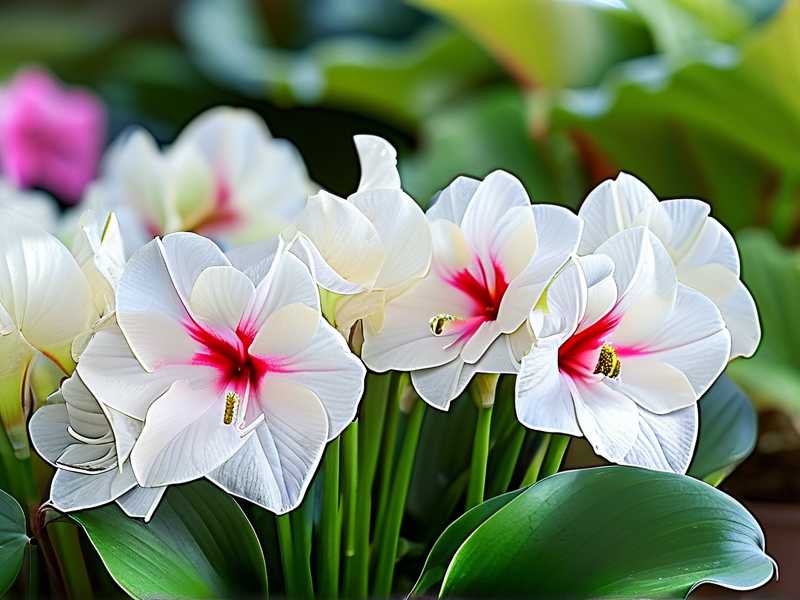
Let me save you the dead-plant phase.
Why 'White Christmas' Is Pickier Than You Think
Caladium 'White Christmas' is a tropical beauty. Big white leaves with green veins. Stunning. But here's the thing: it grows from a tuber, not a regular root system.
Tubers store energy. They don't need constant feeding the way a tomato plant does.
The RHS notes that caladiums are grown for foliage, not flowers. That matters for fertilizer choice. You want nitrogen to support leaf growth, not phosphorus-heavy bloom food.
The AHS also points out that tropical aroids are sensitive to salt buildup in potting soil. Over-fertilizing burns the roots before you even see it happening.
I ignored all of this in year one. My 'White Christmas' looked fine for three weeks. Then the leaf edges went brown and crispy. I thought it needed more food. Spoiler: it needed less.
The 3 Mistakes That Killed My Caladiums
Mistake #1: Overwatering (The Classic Killer)
I have to say this plainly: 90% of indoor plants die from overwatering.
I was guilty. I watered every three days because the soil looked dry on top. But below the surface, it was swampy. The tuber rotted. Done.
Caladium tubers need air around them. Wet feet = rot. Simple as that.
What I do now: I stick my finger two inches into the soil. If it's moist, I wait. If it's dry, I water. No schedule. Just feel.
Mistake #2: Wrong Light
My first 'White Christmas' sat in a dark corner because I read somewhere that caladiums like shade. True — but there's a difference between "shade" and "cave."
Caladiums want bright, indirect light. Filtered through a sheer curtain? Perfect. Direct afternoon sun? Burns the leaves. Full deep shade? Stops growth and the colors fade.
I moved mine to an east-facing window with a light curtain. Two weeks later, new leaves started unfurling. That's when I knew I'd fixed something.
Mistake #3: Wrong Pot
I used a decorative pot with no drainage holes. I know. Rookie move.
Water collected at the bottom. The tuber sat in it. Rot. Again.
Now every caladium I own goes into a pot with drainage holes. I also use a chunky mix — potting soil cut with perlite and orchid bark. Water flows through instead of pooling.
Honestly, switching to a well-draining mix was the single biggest improvement I made.
My 2-Week Feeding Test (What Actually Happened)
When I finally got a healthy 'White Christmas' going, I wanted to test feeding properly.
Week 1: I mixed a balanced liquid fertilizer (10-10-10) at quarter strength. Watered it in. No drama.
Week 2: Another quarter-strength feed. By day 10, I noticed a new leaf pushing through. Slightly larger than the previous one. The white color was crisp.
No burnt tips. No yellowing. No salt crust on the soil surface.
That was my proof. Quarter strength, every two weeks, during active growth. That's the sweet spot for caladium white christmas care.
The Right Fertilizer for 'White Christmas'
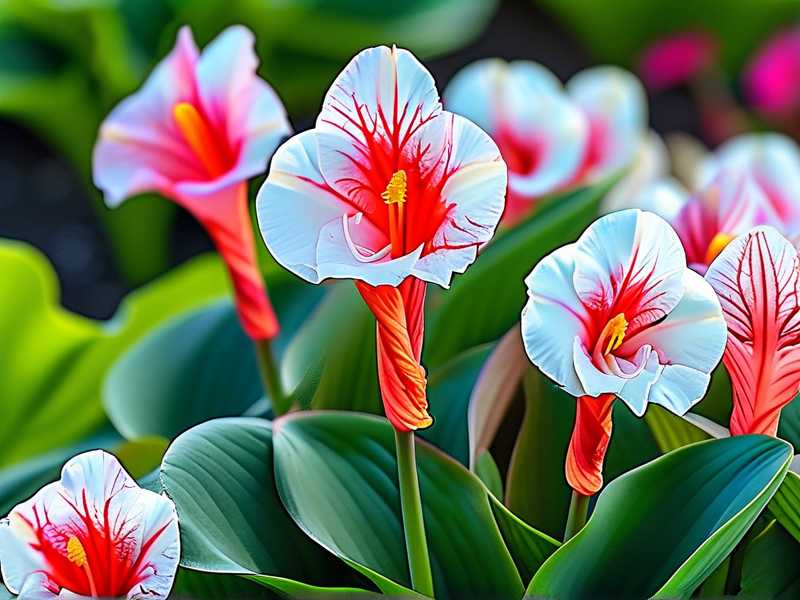
You don't need anything fancy. A basic water-soluble fertilizer works.
Look for something like 10-10-10 or 5-5-5. Balanced. Then dilute to 1/4 of the recommended dose.
Why quarter strength? Because caladium tubers are sensitive. Full strength will burn them. I've seen it. Brown edges, stalled growth, sad plant parent.
If you prefer slow-release granules, use half the recommended amount and scratch them into the top inch of soil. One application lasts about six weeks. I've used Osmocote before and it worked fine, but I find liquid gives me more control.
When to Feed
Only feed when the plant is actively growing. For most of us in the US and Canada, that's late spring through early fall.
If your caladium is dormant (no leaves), do not fertilize. There's nothing to feed. The tuber is resting. Leave it alone.
In the UK and Australia, your growing window shifts a bit. Same rule applies: feed when you see leaves pushing up, stop when they flop over.
When to Stop
This is important, and a lot of people miss it.
Once the leaves start to yellow and droop — usually late summer or early fall — stop feeding. The plant is going dormant. Fertilizer at this stage just sits in the soil and can cause rot.
I made this mistake once. Kept feeding into October because I didn't want the season to end. The tuber rotted by November. Won't do that again.
How I Feed: Step by Step
- Water the soil first with plain water. This prevents fertilizer shock on dry roots.
- Mix your liquid fertilizer at quarter strength. If the bottle says 1 tablespoon per gallon, use 3/4 teaspoon.
- Pour it evenly around the base of the plant. Not on the leaves. Not directly on the tuber.
- Let it drain through. Empty the saucer after 15 minutes.
- Repeat every 14 days.
That's my entire routine. It takes two minutes.
What About Organic Options?
I've tried fish emulsion. It works, but it smells like low tide in your living room. If you can handle the smell, it's a solid choice. Dilute it the same way — quarter strength.
Worm castings are another option. I mix a handful into the top layer of soil at planting time. It gives a gentle nutrient boost without the risk of burning.
But honestly? A basic liquid fertilizer is easier to control. And control is what matters with caladiums.
Signs You're Over-Feeding
Watch for these:
- Brown, crispy leaf edges (not the same as underwatering, which gives you droopy, soft leaves)
- A white crust on the soil surface (salt buildup)
- Stunted new growth
- Yellowing between leaf veins
If you see these, flush the soil with plain water. Let it drain completely. Then skip feeding for a month.
I've done this flush twice. It saved both plants.
Signs You're Under-Feeding
- Pale, washed-out leaves
- Very slow growth
- Smaller leaves than usual
If the plant has good light and water but still looks tired, it probably needs food. Start with a quarter-strength feed and see what happens over two weeks.
Frequently Asked Questions
Can I fertilize Caladium 'White Christmas' during dormancy?
No. During dormancy, the tuber isn't growing. Fertilizer will just sit in the soil and potentially cause rot. Wait until you see new shoots.
What NPK ratio is best for caladiums?
A balanced ratio like 10-10-10 or 5-5-5 works well. You're growing leaves, so nitrogen matters — but too much nitrogen makes the plant leggy and floppy. Balanced is safer.
My caladium leaves are turning brown at the edges. Is that from fertilizer?
It could be. Brown edges often mean over-fertilizing or salt buildup. Flush the soil with plain water and skip feeding for a few weeks. If the problem continues, check your watering routine — it might be both.
Final Thoughts
Feeding a Caladium 'White Christmas' isn't complicated. Quarter-strength liquid fertilizer, every two weeks, during active growth. Stop when the plant goes dormant.
The bigger challenge is everything around it — the right pot, the right light, the right watering habits. Get those right first, and the fertilizing part becomes easy.
I wish I'd known all this before I killed those first two tubers. But now you do. So go ahead and feed your 'White Christmas' with confidence. It'll reward you with those big, beautiful white leaves all season long.





