 bluename
 Caladium leaf drop almost always comes down to environmental stress, not disease. If your caladium is suddenly losing leaves, the fastest fix is to check three things: soil moisture, light levels, and pot drainage. I've killed more caladiums than I'd like to admit, and every single time it traced back to one of those three issues. Fix the environment first, and the plant usually stops dropping leaves within about two weeks.
Let me walk you through exactly what I did, what worked, and the mistakes I made so you don't repeat them.
Why Caladiums Drop Leaves in the First Place
Caladiums are tropical plants. They grow from tubers and they hate being uncomfortable.

When something in their environment goes wrong, they don't fight back. They just drop leaves. It's their survival mechanism.
The tricky part is that leaf drop looks dramatic. It makes you think something terrible is happening. But most of the time, it's just stress. And stress is fixable.
I remember panicking the first time my caladium dropped three leaves in two days. I assumed it was dying. Turns out I was drowning it.
The Three Mistakes That Kill Most Caladiums
I've made all three of these. More than once, honestly.
Mistake 1: Overwatering (This Is the Big One)
Here's a stat that changed how I water everything: 90% of indoor plants die from overwatering.
Let that sink in for a second.
Caladiums have tubers, not regular roots. Those tubers rot fast when they sit in soggy soil. And once rot starts, the plant drops leaves to try to save itself.
My first caladium died because I watered it every two days. I thought I was being attentive. I was actually drowning it.
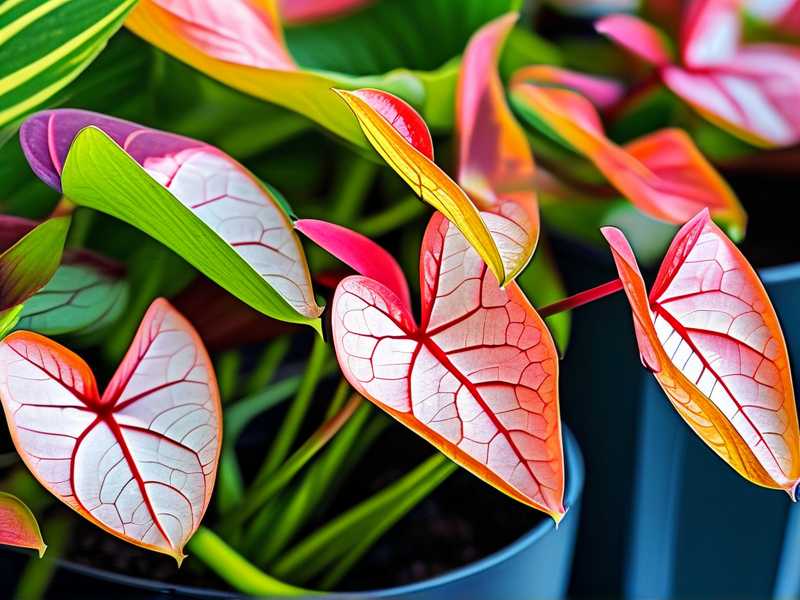
What I do now: I stick my finger about an inch into the soil. If it's damp, I wait. If it's dry, I water. That's it. No schedule.
During the growing season, caladiums want consistent moisture, not constant wetness. There's a big difference.
Mistake 2: Wrong Light
Caladiums are shade plants. But "shade" doesn't mean "dark corner with no windows."
I made this mistake with my second caladium. I put it in a dim hallway thinking it would be happy. It dropped every leaf within ten days.
Then I overcorrected and put the next one in direct afternoon sun. That one got scorched and dropped leaves too.
What actually works: bright, indirect light. A spot near a window with a sheer curtain is perfect. Or a few feet back from a south-facing window.
You'll know the light is right when new leaves come in with strong color and the plant stops dropping older ones.
Mistake 3: Using the Wrong Pot
This one took me way too long to figure out.
I used to plant caladiums in decorative pots with no drainage holes. Beautiful pots, terrible for plants.
Without drainage, water pools at the bottom. The tuber sits in that water. Rot sets in. Leaves drop.
What I use now: terracotta or ceramic pots with at least one drainage hole. I also add perlite to my potting mix so water moves through faster.
If you love a pot with no holes, just use it as a cachepot. Keep the plant in a nursery pot inside it, and empty the cachepot after watering.
My 2-Week Recovery Plan (What I Actually Did)
When my most recent caladium started dropping leaves, I didn't guess. I followed a plan and watched it for two weeks.
Here's exactly what I did.
Day 1: I pulled the plant out of its pot and checked the tuber. It was firm, which was good news. No rot yet.
Day 1: I repotted it into fresh, well-draining mix. I used two parts potting soil, one part perlite, and one part orchid bark.
Day 1: I moved it to a spot with bright, indirect light. About four feet from an east-facing window.
Days 2-3: I didn't water at all. I let the soil dry slightly to give the tuber a break.
Day 4: I watered lightly. Just until a little water came out the drainage hole.
Days 5-14: I watered only when the top inch of soil felt dry. That ended up being about every five to six days.
What happened: By day 6, no new leaves had dropped. By day 10, I saw a tiny new shoot pushing through the soil. By day 14, the plant had two new leaves and hadn't lost any more.
That's the thing about caladiums. Once you fix the environment, they bounce back surprisingly fast.
What the Experts Say
The Royal Horticultural Society (RHS) recommends letting caladium soil dry slightly between waterings during the growing season. They also stress the importance of good drainage to prevent tuber rot.
The American Horticultural Society (AHS) notes that caladiums thrive in partial shade and warm temperatures. They're not fans of cold drafts or sudden temperature swings.
I've found both of these to be true in my own experience. Every time I've ignored drainage or let the plant get cold, it dropped leaves.
Other Environmental Stressors Nobody Talks About
Water, light, and pots get all the attention. But there are a few other things that can trigger leaf drop.
Temperature Swings
Caladiums like it warm. If you put them near an air conditioner vent or a drafty window in winter, they'll drop leaves.
I learned this the hard way when I moved a caladium near a sliding door. It hated the cold drafts at night.
Fix: Keep caladiums in rooms that stay between 65-80°F (18-27°C). Avoid vents, heaters, and drafty spots.
Low Humidity
These are tropical plants. Dry air stresses them out.
In winter, indoor humidity can drop below 30%. That's rough for a caladium.
Fix: I run a small humidifier near mine. You can also group plants together or set the pot on a tray of pebbles with water.
I tried misting for a while. It didn't help much and left water spots on the leaves. The humidifier worked way better.
Repotting Shock
If you repot a caladium while it's actively growing, it might drop a leaf or two. That's normal.
I repotted one in the middle of summer and lost two leaves. It recovered, but I could have avoided the stress by waiting.
Fix: Repot in early spring before new growth starts. Or just be patient if you have to do it mid-season.
Natural Dormancy
Here's something a lot of people don't know: caladiums go dormant. It's normal.
In late fall or winter, the leaves will yellow and drop. The plant isn't dying. It's resting.
What to do: Let the leaves die back naturally. Stop watering. Store the tuber in dry soil at around 60°F. Replant in spring.
I freaked out the first time this happened. I thought I'd killed it. Nope. It came back bigger the next year.
How to Tell If It's Stress or Something Worse
Not every dropped leaf is environmental stress. Sometimes it's pests or disease.
Here's how I tell the difference.
Environmental stress: Leaves drop suddenly, often still green or slightly yellow. The tuber feels firm. No visible spots or pests.
Pest damage: You see tiny bugs, webbing, or sticky residue. Leaves might have speckled or curled before dropping.
Disease: The tuber feels mushy or smells bad. Leaves might have brown or black spots before dropping.
If it's pests, treat with neem oil or insecticidal soap. If it's disease, you may need to toss the tuber and start fresh.
But honestly? Most of the time, it's stress. Especially if you're a newer plant parent.
Quick Fixes You Can Try Today
If your caladium is dropping leaves right now, here's what I'd do first.
Check the soil. If it's wet, stop watering and let it dry out. If it's bone dry, give it a drink.
Move the plant to bright, indirect light if it's in a dark spot. Move it out of direct sun if it's getting scorched.
Make sure the pot has drainage. If it doesn't, repot into something that does.
Check for cold drafts or heat vents nearby. Move the plant if needed.
Then wait. Give it a week or two. Don't fuss over it.
Caladiums don't like being fussed over. They like consistency.
What I Wish I'd Known Sooner
I wish I'd known that caladiums are drama queens. They drop leaves at the first sign of discomfort.
But I also wish I'd known how quickly they recover once you fix the problem.
The first few times I lost leaves, I panicked and made things worse. I watered more. I moved the plant around. I fertilized it.
All of that added more stress.
Now I just check the basics. Water. Light. Drainage. Temperature. If those are right, the plant sorts itself out.
It's taken me a few years and a few dead caladiums to learn that. But I got there.
FAQ
How long does it take for a caladium to recover from leaf drop?
In my experience, about two weeks. Once you fix the environmental stress, new growth usually starts within 10-14 days. Full recovery takes a bit longer, but you'll see progress fast.
Should I cut off dropped or dying leaves?
Yes, if they're fully yellow or brown. Use clean scissors and cut at the base of the stem. If the leaf is still green, leave it. The plant is still using it for energy.
Can a caladium recover if all its leaves have dropped?
Sometimes, yes. Check the tuber. If it's firm and doesn't smell bad, there's hope. Keep it in warm, bright conditions and water sparingly. It may push out new growth. If the tuber is mushy, it's done.




