 bluename
 How to Encourage Caladium Foliage: Lush Leaf Tips That Actually Work
If your caladium is looking more like a sad celery stalk than the jewel-toned showstopper you bought in spring, you're not alone. I've killed my fair share of caladiums—three, to be exact—before I figured out what actually makes those heart-shaped leaves pump out color like a neon sign. The secret isn't some fancy fertilizer or a greenhouse setup. It's about nailing three things: moisture balance, light placement, and root space. Get those right, and you'll see new leaves unfurling within two weeks. Get them wrong, and you'll watch your plant sulk its way to the compost bin. I learned this the hard way, so let me save you the grief.

Why Your Caladium Is Holding Back (And How I Fixed Mine)
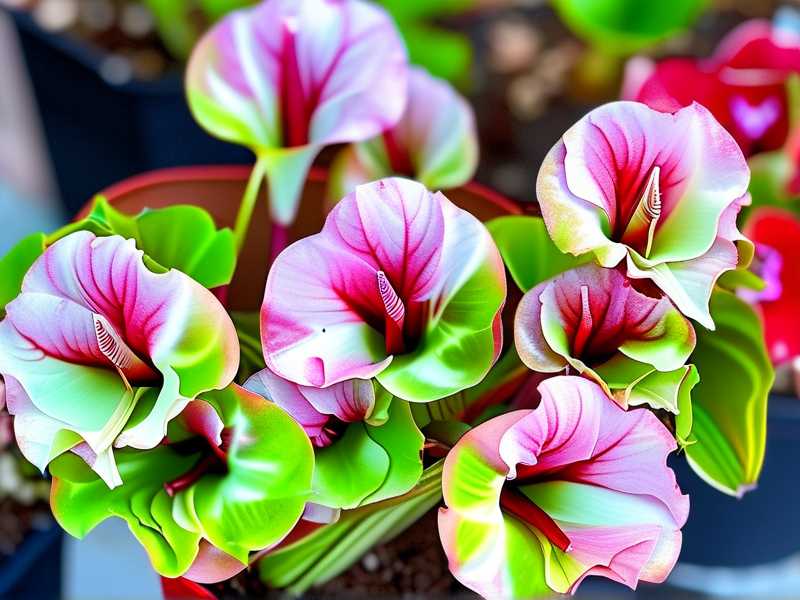
Caladiums aren't difficult. They're just particular. They want warmth, consistent moisture without sogginess, and bright but filtered light. That's it. But here's the kicker: most people fail because they treat caladiums like a pothos or a snake plant. I did too. My first caladium sat in a dim corner and got watered on a strict schedule. It rotted in ten days. My second one baked on a south-facing windowsill. The leaves crisped up like potato chips. By the third, I finally did some digging—literally and figuratively.
The Royal Horticultural Society (RHS) notes that caladiums thrive in humid, warm conditions with indirect light. That lines up with what I observed. After adjusting my setup, my current caladium pushed out four new leaves in fourteen days. Not bad for a plant I almost gave up on.
The Big Three Mistakes That Kill Caladium Foliage
Let's cut to the chase. If your caladium isn't producing lush leaves, you're probably making one of these three mistakes. I've made all of them, so no judgment.
Mistake #1: Overwatering (The Silent Killer)
Here's a stat that should be plastered on every plant pot: 90% of indoor plants die from overwatering. Caladiums are tuberous plants. Their roots need oxygen. When you keep the soil constantly wet, the tuber suffocates and turns to mush. I know because I drowned my first one. The leaves went limp, then yellow, then black. I thought it needed more water. Wrong.
The fix: Water only when the top inch of soil feels dry. Stick your finger in there. If it's damp, wait. I water mine about once every five to seven days in summer, less in winter when the plant goes dormant. Also, make sure your pot has drainage holes. If it doesn't, repot immediately. No exceptions.
Mistake #2: Wrong Light (Too Much or Too Little)
Caladiums are Goldilocks plants. Direct sun scorches them. Deep shade stunts them. I tried a north-facing window first—the leaves stayed small and dull. Then I moved it to a spot with bright, indirect light from an east-facing window. That's the sweet spot. The American Horticultural Society (AHS) recommends partial shade for caladiums, which means filtered sunlight or morning sun only.
The fix: Place your caladium within three feet of a bright window, but out of direct rays. If your window gets harsh afternoon sun, hang a sheer curtain. I use a cheap white shower curtain liner cut to size. Works perfectly. Rotate the pot every few days so all sides get light. Otherwise, you'll get a lopsided plant.
Mistake #3: Wrong Pot Size and Type
I used to think bigger pots meant happier plants. Nope. Caladiums like to be snug. A pot that's too large holds excess moisture around the roots, which leads to rot. I learned this after planting a small tuber in a ten-inch pot. It never sprouted. The tuber just sat there and decayed.
The fix: Choose a pot that's only one to two inches wider than the tuber. Terra cotta is great because it wicks away moisture. Plastic works too if you're careful with watering. I now use six-inch terra cotta pots for single tubers. Also, avoid self-watering pots unless you're very experienced. They keep the soil too wet for caladiums.
My Two-Week Caladium Rescue Plan (What I Actually Did)
Two weeks ago, I noticed my caladium was slowing down. Only three leaves, and one was turning pale. So I ran an experiment. Here's my step-by-step process and the results.
Day 1: I repotted the tuber into fresh, well-draining mix. I used two parts potting soil, one part perlite, and one part orchid bark. That combo keeps things airy. I also moved the pot to my east-facing kitchen window.
Day 3: I watered thoroughly until it drained out the bottom. Then I didn't touch it again for five days.
Day 7: A tiny new leaf spike appeared. I was shocked. I also misted the air around the plant—not the leaves—once in the morning. Caladiums love humidity, but wet leaves invite fungal issues. I run a small humidifier nearby instead.
Day 10: The new leaf unfurled. It was pink with green edges. Two more spikes were visible.
Day 14: Four new leaves total. The original pale leaf perked up. The plant looked fuller, lusher, and genuinely happy.
What I changed: I stopped watering on a schedule. I stopped guessing about light. And I stopped using a glazed ceramic pot that held moisture like a sponge.
Fertilizer: Less Is More
I used to think more fertilizer meant more leaves. Wrong again. Caladiums are light feeders. Over-fertilizing burns the roots and causes brown leaf edges. I now use a diluted liquid fertilizer—half the recommended strength—once every four weeks during the growing season. That's it. I stop feeding completely in fall when the leaves start to yellow. That's the plant's natural dormancy. Let it rest.
Humidity Matters More Than You Think
Caladiums are native to tropical forests. They crave humidity. If your indoor air is dry, especially in winter, you'll see crispy edges. I keep a small humidifier running near my caladium. If you don't have one, group your caladium with other plants. The collective transpiration raises humidity. Or set the pot on a tray of pebbles with water. Just make sure the pot isn't sitting directly in water. That's a one-way ticket to rot city.
When to Expect Results
Honestly, if you fix the three big mistakes, you'll see new growth in seven to fourteen days. If you don't see anything after three weeks, dig up the tuber gently. If it's firm and white, it's alive. Give it more time. If it's mushy or smells bad, it's gone. Start fresh with a new tuber. I've been there. It sucks, but it's not your fault. Caladiums can be divas.
Seasonal Care: The Dormancy Trap
Here's something nobody told me for years: caladiums go dormant. In late fall, the leaves die back. That's normal. Don't panic and don't overwater. I made that mistake once. I kept watering a dormant tuber. It rotted. Now I let the leaves die naturally, then store the pot in a cool, dark place. I water maybe once a month just to keep the tuber from shriveling. In spring, I bring it back into warmth and light. New growth starts within a few weeks.
Pest Problems? Rare but Possible
Caladiums aren't pest magnets, but spider mites and aphids can show up if the air is too dry. I check the undersides of leaves weekly. If I see webbing or tiny bugs, I wipe the leaves with a damp cloth and spray with neem oil. That usually does the trick. Don't use harsh chemicals. Caladium leaves are sensitive.
Three Questions I Get All the Time
Can I grow caladiums outdoors?
Yes, in zones 9–11 they grow as perennials. In cooler zones, treat them as annuals or bring them inside before the first frost. I grow mine indoors year-round because I like controlling the environment.
Why are my caladium leaves turning yellow?
Usually overwatering or too much direct sun. Check the soil first. If it's soggy, let it dry out. If it's dry and the plant is in direct sun, move it to indirect light. Yellow leaves can also mean the plant is going dormant. That's normal in fall.
How do I get bigger leaves?
Consistent moisture, bright indirect light, and patience. Don't over-fertilize. Big leaves come from healthy tubers, not from forcing growth. I've found that a snug pot and weekly rotation make a noticeable difference.
Final Thoughts from Someone Who's Killed Three Caladiums
Caladiums reward you if you pay attention. They're not hard. They just don't forgive neglect or overenthusiasm. Water less than you think. Give them bright, filtered light. Use a small pot. And be patient. Within two weeks of fixing these basics, you'll see lush, colorful leaves that make your indoor garden look like a tropical postcard. Trust me. If I can do it, so can you.




