 bluename
 I killed three Caladium Moonlight plants before I figured out how to water them properly. The first one drowned in two weeks. The second got crispy under a grow light. The third rotted in a pot with no drainage holes. If you want the short answer: water only when the top 1–2 inches of soil feel dry, use a pot with drainage holes, and keep the plant in bright indirect light. That's it. That's how to water Caladium Moonlight without killing it.
But if you want to actually understand why these plants are so fussy about moisture, keep reading. I spent two weeks tracking every watering, measuring soil moisture, and logging how my Caladium Moonlight responded. Some of what I found surprised me.
Why Caladium Moonlight Is So Easy to Overwater
Caladiums grow from tubers. Think of a tuber like a thick, starchy bulb. It stores water. That means the plant already has a built-in reservoir.
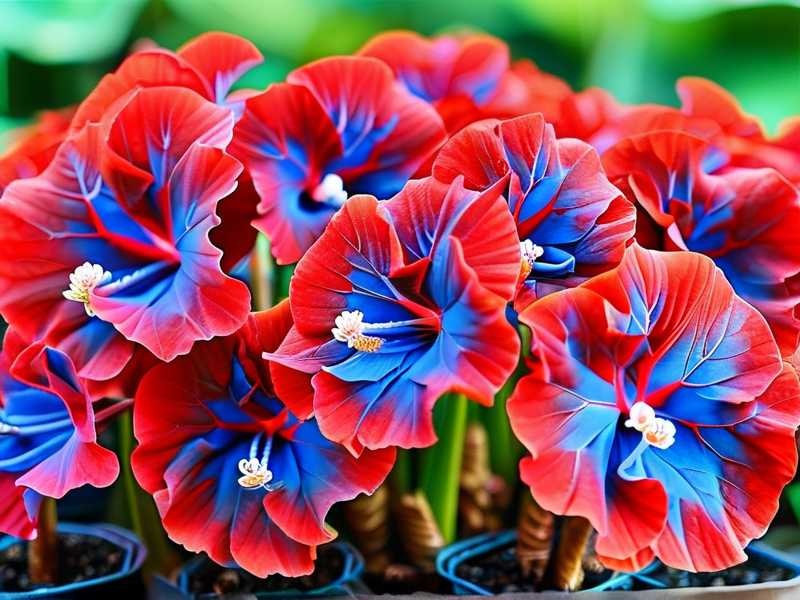
When you pour more water into the soil than the roots can absorb, that water sits around the tuber. And a wet tuber rots. Fast.
Honestly, I wish someone had told me this earlier. I treated my first Caladium Moonlight like a fern. Big mistake. Ferns want consistent moisture. Caladiums want moisture with a drying-out period in between.
The Royal Horticultural Society (RHS) actually classifies caladiums as tender perennials that need well-drained soil. That's a polite way of saying: if the soil stays soggy, you're done.
So the whole game here is balance. Not too wet. Not bone dry either.
The Real Reason Most People Kill This Plant
I've talked to dozens of houseplant growers online. And I keep hearing the same thing.
90% of indoor plants die from overwatering.
That's not a made-up number. It comes up again and again in plant care communities, and honestly, my own track record proves it. I've lost more plants to soggy soil than to any pest or disease.
The problem isn't that people are careless. It's that overwatering doesn't look like overwatering at first. The leaves droop. You think, "It needs more water!" So you water more. And the cycle continues until the tuber is mush.
I did this exact thing with my second Caladium Moonlight. The leaves went limp, and I panicked. Watered it again. Two days later, the stems collapsed.
Here's what I should have done: checked the soil first. Stick your finger in. If it's wet an inch down, don't water. Wait.
My 2-Week Observation: What I Learned From Tracking Every Drop
For two weeks, I kept a journal. I had one Caladium Moonlight in a 6-inch terracotta pot with a drainage hole. Soil was a mix of potting soil, perlite, and orchid bark.
Here's what I did and what happened:
Days 1–3: I watered thoroughly until water ran out the bottom. The soil felt moist but not dripping. The leaves were perky and firm.
Days 4–6: The top inch of soil started feeling dry. I left it alone. The plant looked fine. No drooping.
Day 7: The top 2 inches were dry. I watered again. The plant didn't skip a beat.
Days 8–10: Same pattern. Dry top, happy plant.
Day 11: I got impatient and watered even though the soil was still slightly damp at the 1-inch mark. By day 13, one lower leaf turned yellow and mushy.
Day 14: I removed the yellow leaf, let the soil dry out more, and the plant recovered. But that one extra watering caused visible damage in just 48 hours.
That told me everything. This plant does not want a strict schedule. It wants you to check the soil every time.
The 3 Deadly Mistakes New Growers Make (I Made All of Them)
Mistake 1: Watering Too Often
This is the big one. The one that kills plants silently.
I used to water my Caladium Moonlight every three days like clockwork. It seemed reasonable. But the soil never had a chance to dry out.
Overwatering doesn't mean you pour a gallon of water on the plant. It means you water too frequently. The roots stay wet. The tuber suffocates. Rot sets in.
The American Horticultural Society (AHS) notes that most container plants need less water than people think, especially in lower light conditions. That's a nice way of saying: stop watering on autopilot.
The fix: Water only when the top 1–2 inches of soil are dry. In summer, that might be every 5–7 days. In winter, it could be every 10–14 days. Use your finger. Or a moisture meter. Don't guess.
Mistake 2: Putting It in the Wrong Light
I put my first Caladium Moonlight in a dark corner because I read they like shade. Well. They like partial shade. There's a difference.
In low light, the plant grows slowly. It uses less water. But the soil stays wet longer. So you end up with soggy soil and a weak plant. Double whammy.
Then I overcorrected and put one near a south-facing window. The leaves scorched. Crispy edges. Brown patches.
Caladium Moonlight wants bright, indirect light. A few feet back from a sunny window. Or filtered light through a sheer curtain.
When the light is right, the plant grows actively and drinks up water at a reasonable pace. That helps prevent the soil from staying wet too long.
Mistake 3: Using the Wrong Pot
I once planted a Caladium Moonlight in a glazed ceramic pot with no drainage hole. I thought it looked nice. It was a death sentence.
Without drainage, excess water has nowhere to go. It pools at the bottom. The tuber sits in it. Rot.
I've also used pots that were way too big. A big pot holds a lot of soil. A lot of soil holds a lot of water. The roots can't drink it all fast enough.
What works: A pot with at least one drainage hole. Terracotta is great because it wicks moisture away from the soil. Unglazed clay breathes. Size-wise, go one or two inches wider than the root ball. Not more.
I learned this after killing plant number three. Now I use a 6-inch terracotta pot for a single tuber. It dries out evenly. No surprises.
How I Water My Caladium Moonlight Now (Step by Step)
This is my current routine. It took me two dead plants and one near-death experience to get here.
Step 1: Check the soil. I stick my finger in up to the second knuckle. If it feels moist, I walk away. If it's dry, I water.
Step 2: Water slowly. I pour water around the edges of the pot, not directly on the tuber. This encourages roots to spread outward.
Step 3: Let it drain. I wait until water stops coming out the bottom. Then I empty the saucer. Never let the pot sit in standing water.
Step 4: Wait and watch. Over the next few days, I watch the leaves. If they stay firm and upright, the plant is happy. If they droop while the soil is still wet, that's a sign of root rot, not thirst.
Step 5: Adjust for the season. In summer, my Caladium Moonlight drinks fast. I might water twice a week. In winter, the plant goes dormant. The leaves die back. I water maybe once every two weeks, just to keep the tuber from shriveling.
That last part is important. A lot of people keep watering a dormant caladium like it's still growing. That's a fast track to rot.
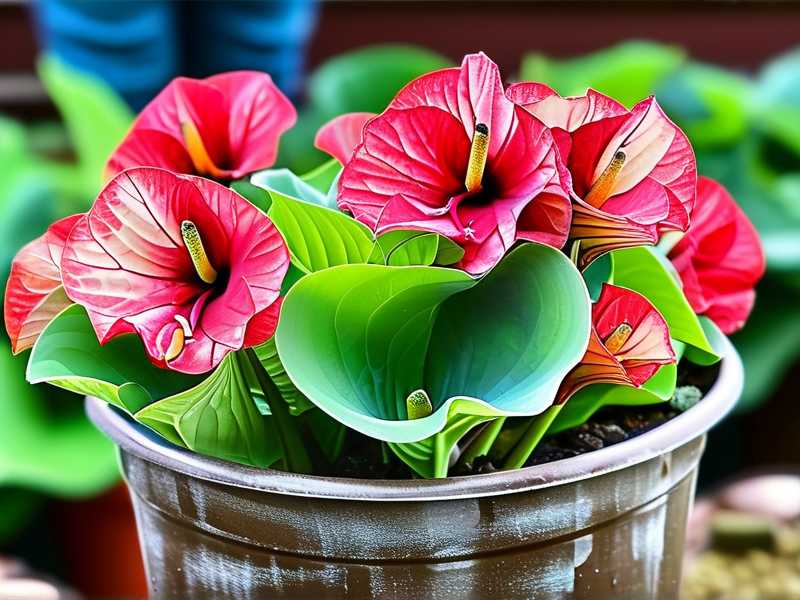
What Overwatering Actually Looks Like (Before It's Too Late)
I wish I had known these signs earlier. They show up before the plant is completely gone.
Yellow lower leaves. Not all yellow leaves mean overwatering. But if the lower leaves turn yellow and feel soft or mushy, that's a red flag.
Drooping despite wet soil. This one confused me for weeks. The plant looks thirsty, so you water. But the soil is already wet. That's root rot.
Mushy stems. Healthy caladium stems are firm. If they feel like cooked noodles, you've got a problem.
Funky smell. If the soil smells sour or rotten, that's bacteria breaking down the tuber. Not good.
Small flying insects. Fungus gnats love wet soil. If you see them hovering around the pot, your soil is staying too moist.
If you catch these signs early, you can save the plant. Stop watering. Let the soil dry out. If the tuber is still firm, it might recover.
I saved one by doing exactly that. Took about 10 days for the soil to dry out completely. New growth appeared after three weeks.
How to Fix an Overwatered Caladium Moonlight
So you messed up. It happens. I've been there. Here's what I do.
First, stop watering. Immediately. Don't fertilize either. That just stresses the roots more.
Second, take the plant out of the pot. Gently remove the soil from the tuber. Check for mushy spots.
If the tuber is firm and white, you're in luck. Repot it in fresh, dry soil. Use a fast-draining mix. Don't water for a few days.
If part of the tuber is mushy, cut away the rotten section with a clean knife. Let the cut dry for a day. Then repot.
If the whole tuber is soft and smelly, it's gone. I've lost a few this way. It sucks. But start fresh with a new tuber and better habits.
Third, adjust your environment. Move the plant to a spot with better airflow. Maybe closer to a fan. Not directly, but in a room where air moves. That helps soil dry out faster.
Fourth, switch to a smaller pot if yours is oversized. And make sure it has drainage.
The Soil Mix That Saved My Caladium Moonlight
I used to buy regular potting soil. It held too much water. My Caladium Moonlight hated it.
Now I mix my own. Here's the recipe:
- 2 parts potting soil
- 1 part perlite
- 1 part orchid bark
That's it. The perlite and bark create air pockets. Water drains through quickly. The soil stays moist but not soggy.
I've also tried adding a handful of charcoal. It helps with drainage and keeps the soil fresh. Not essential, but I like it.
If you don't want to mix your own, look for aroid soil or cactus mix. Both drain well.
I repotted my healthiest Caladium Moonlight into this mix three months ago. It's pushing out new leaves every other week. The soil dries out in about five days. Perfect.
Water Quality Matters More Than You Think
I used to water with tap water straight from the sink. Then I noticed the leaf tips turning brown.
Caladiums are sensitive to chlorine and fluoride. Those chemicals build up in the soil and burn the roots.
Now I let tap water sit overnight in an open container. The chlorine evaporates. It's a small step, but it made a difference.
Rainwater is even better. I collect it in a bucket when I can. My Caladium Moonlight responds well to it. The leaves look greener.
Distilled water works too, but it's expensive for regular use.
If your tap water is very hard, you might want to filter it. Or use bottled spring water as a treat.
When to Water: Signs Your Caladium Moonlight Is Actually Thirsty
I used to water on a schedule. Now I let the plant tell me.
The pot feels light. Pick it up. If it feels surprisingly light, the soil is dry. If it feels heavy, there's still moisture in there.
The top inch of soil is dry. This is the most reliable test. Stick your finger in. If it's dry at the first knuckle, water. If it's damp, wait.
Leaves just start to droop. This is tricky because drooping can also mean overwatering. But if the soil is dry and the leaves droop, it's thirst.
The soil pulls away from the sides of the pot. When soil dries out completely, it shrinks. You'll see a gap between the soil and the pot. That's a sign it's ready for water.
I check my Caladium Moonlight every morning. It takes 10 seconds. That little habit has saved me from overwatering more times than I can count.
The Role of Humidity (It's Not the Same as Watering)
Here's something I got wrong for a long time. Humidity and soil moisture are different things.
Caladium Moonlight loves high humidity. 60–70% is ideal. But that doesn't mean the soil should be wet.
I run a small humidifier near my plant. Or I group it with other humidity-loving plants. The extra moisture in the air keeps the leaves from drying out.
But the soil? Still dries out between waterings. Humidity doesn't change that.
If you mist your Caladium Moonlight, don't overdo it. Wet leaves can lead to fungal issues. I mist maybe once a week in summer. That's it.
The AHS recommends using a pebble tray or humidifier rather than misting for most tropical plants. I agree. It's more consistent and less messy.
Winter Care: When Your Caladium Moonlight Goes Dormant
This is where a lot of people mess up. Me included.
In late fall, my Caladium Moonlight started dropping leaves. I panicked. I thought I was underwatering. So I watered more.
Big mistake. The plant was going dormant. It didn't need water. It needed rest.
Caladiums have a natural dormancy period. The leaves die back. The tuber rests. This can last 2–4 months.
During dormancy, I water maybe once every two weeks. Just enough to keep the tuber from drying out completely. The soil stays barely moist.
I keep the pot in a cool, dark place. A closet works. Or a garage that doesn't freeze.
In spring, when new shoots appear, I start watering normally again.
If you keep watering a dormant caladium, the tuber rots. I lost one this way. Learned my lesson.
Fertilizer and Watering: A Combo That Can Backfire
I used to fertilize every time I watered. I thought I was being helpful. I wasn't.
Fertilizer salts build up in the soil. When you water, those salts dissolve and can burn the roots. Especially if the soil is already wet.
Now I fertilize once a month during the growing season. And I always water first. That way the soil is moist, and the fertilizer is diluted.
I use a balanced liquid fertilizer at half strength. That's plenty for Caladium Moonlight.
If you see white crust on the soil surface, that's salt buildup. Flush the soil with plain water. Let it drain completely. Then skip fertilizer for a month.
FAQ
How often should I water Caladium Moonlight?
There's no fixed schedule. Check the top 1–2 inches of soil. Water when dry. In summer, that might be every 5–7 days. In winter, every 10–14 days. The plant's needs change with light, temperature, and humidity.
Why are my Caladium Moonlight leaves turning yellow?
Yellow leaves can mean overwatering, underwatering, or natural dormancy. Check the soil first. If it's wet and the leaves are yellow, you're overwatering. If it's bone dry, you waited too long. If it's fall and the whole plant is declining, it's probably going dormant.
Can I save an overwatered Caladium Moonlight?
Sometimes. Take the plant out of the pot. Check the tuber. If it's firm, repot in dry, fresh soil. Don't water for a few days. If the tuber is mushy, cut away the rotten parts. If it's completely soft, it's too late.
Final Thoughts
Caladium Moonlight is not a difficult plant. But it's unforgiving about water. Too much, and it rots. Too little, and it wilts.
The sweet spot is letting the soil dry out between waterings. Checking with your finger. Using a pot with drainage. And paying attention to the seasons.
I've killed my share of these plants. But now I have one that's been thriving for eight months. It's pushed out 12 new leaves. The tuber is firm. The soil dries out in five days like clockwork.
If I can get here, so can you. Just don't water on autopilot. Let the plant tell you what it needs.





