 bluename
 How I Water My Caladium Gingerland: A Dwarf Variety Guide That Actually Keeps It Alive
If you're killing your Caladium Gingerland with kindness, you're not alone.
Honestly? The fastest answer is this: water when the top inch of soil feels dry, use a pot with drainage, keep it in bright indirect light, and never let it sit in a saucer of water.
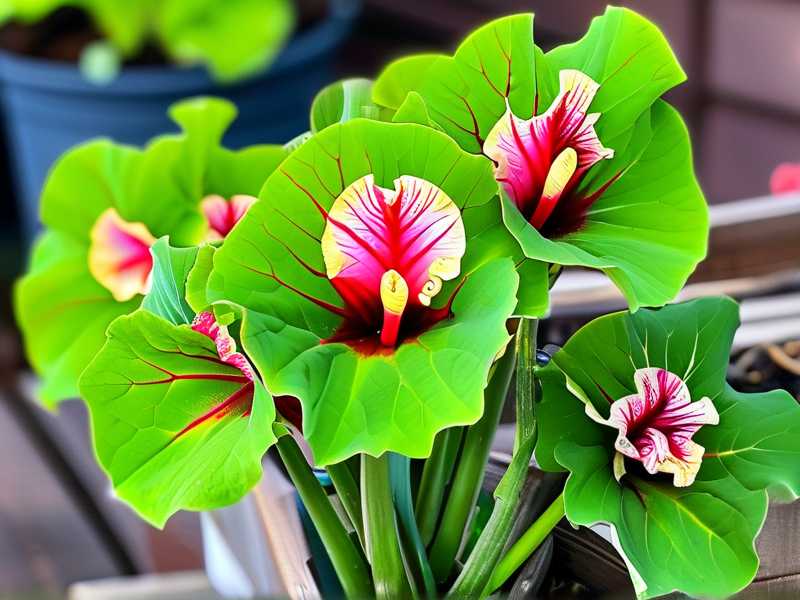
That's it. That's the whole secret.
Everything else in this guide is just me showing you how I figured that out the hard way.
I've been growing Caladium 'Gingerland' for a few years now. It's a dwarf variety, which means it stays compact, usually under 12 inches tall. Perfect for a windowsill or a small shelf.
But here's what nobody tells you when you buy one at the nursery.
The care tag says "keep moist." So you water it every day like a good plant parent. Then a week later, the leaves turn to mush and the whole thing collapses.
I've been there. More than once.
So let me walk you through exactly what I do now, what I got wrong before, and what I observed over a full two-week stretch after I finally dialed in the right routine.
Why the Caladium Gingerland Dwarf Variety Is Trickier Than It Looks
Caladiums grow from tubers. Think of a tuber like a little underground storage tank.
That tank holds water and nutrients. If the roots and tuber sit in soggy soil, the tuber rots. Fast.
The RHS has a clear warning about caladiums: they need well-drained soil and will rot in waterlogged conditions. That matches everything I've seen in my own pots.
But here's the twist. Caladium Gingerland isn't a desert plant. It's not a succulent. It doesn't want bone-dry soil for weeks either.
It wants moisture. Just not standing water. There's a huge difference.
I learned that difference after killing three tubers in a single summer.
The 3 Mistakes That Killed My First Caladium Gingerland
Let me save you some heartbreak.
Mistake #1: Overwatering
This is the big one. You'll see it everywhere. "90% of indoor plants die from overwatering." I used to roll my eyes at that stat. Now I believe it completely.
My first Gingerland was in a cute ceramic pot with no drainage hole. I watered it every other day because the soil looked dry on top. Within 10 days, the stems went limp. I pulled the tuber out and it was brown and squishy. Done.
The fix? Use a pot with drainage holes. Always. And water only when the top inch of soil is dry. Stick your finger in. Don't guess.
Mistake #2: Wrong Light
I put my second Gingerland in a dark corner because I read caladiums like shade. That's partly true for outdoor landscaping. But indoor dwarf caladiums still need decent light.
Mine got leggy and pale. The leaves lost that gorgeous pink and green pattern. It was basically a sad stick.
The fix? Bright indirect light. A spot near an east or north window works great. If the light is too harsh, the leaves scorch. If it's too dim, the color fades.
The AHS notes that caladiums perform best in partial shade to filtered light. That's the sweet spot.
Mistake #3: Wrong Pot Size
I thought a bigger pot meant happier roots. Nope. Wrong.
Caladium Gingerland is a dwarf. It has a small root system. In an oversized pot, the soil stays wet way too long. The tuber sits in moisture and rots.
I now use a pot that's just 1 to 2 inches wider than the tuber. That's it. Small pot, big results.
I killed my third Gingerland in a 10-inch planter. The tuber was the size of a golf ball. It never had a chance.
My Actual Two-Week Watering Routine (What I Do Now)
After a lot of trial and error, here's the routine I follow. I tracked this carefully over a two-week period so I could share real observations.
Week 1: Days 1 to 7
Day 1. I watered thoroughly until water ran out the drainage holes. I let it drain completely in the sink for about 20 minutes.
Day 3. I checked the soil. The top inch was still slightly moist. I skipped watering.
Day 5. Top inch felt dry. I watered again, same method. Water until it drains, then stop.
Day 7. Leaves looked firm. Color was vibrant. No drooping. No yellowing.
Week 2: Days 8 to 14
Day 9. Soil dry at the top inch. Watered.
Day 11. Noticed a tiny new leaf unfurling. That's always a good sign.
Day 13. Checked moisture. Still slightly damp. Skipped.
Day 14. Watered. The plant looked full and healthy. No crispy edges. No mushy stems.
That's roughly every other day in my conditions. But your schedule will depend on your home's humidity, temperature, and pot size. Don't follow my calendar. Follow your soil.
How I Actually Check If It Needs Water
I don't use a moisture meter. Nothing against them, I just never bought one.
Here's my method.
Stick your index finger into the soil up to the first knuckle. If it feels dry, water. If it feels even slightly damp, wait.
Simple. Free. Effective.
Another trick I use: lift the pot. A dry pot feels light. A watered pot feels heavy. After a while, you'll just know.
I also watch the leaves. When a Caladium Gingerland is thirsty, the leaves start to droop slightly. It's subtle. But once you see it, you can't unsee it.
But don't wait for drooping. That's already mild stress. Check the soil first.
What Kind of Water I Use
I used to just use tap water straight from the sink.
Then I noticed brown tips on the leaves. Not terrible, but not pretty either.
I switched to filtered water. Or sometimes I let tap water sit out overnight so chlorine evaporates.
I'm not 100% sure the water was the problem. It could've been low humidity. But the brown tips improved after I made the switch. So I'm sticking with it.
Rainwater is even better if you can collect it. Caladiums seem to love it.
Humidity Matters More Than You Think
Caladium Gingerland is a tropical plant. It likes humidity.
My home sits around 40% humidity in summer. In winter, it drops to 25%. That's low.
I run a small humidifier nearby. Or I group my caladium with other plants to create a microclimate.
I tried misting the leaves for a while. But honestly, it didn't help much. And wet leaves can invite fungal issues. So I stopped.
A pebble tray works better. Just fill a tray with pebbles and water. Set the pot on top. As water evaporates, humidity rises around the plant. Easy and no mess.
Soil Mix: What I Use and Why
I use a chunky, well-draining mix. Here's my recipe:
Two parts potting soil. One part perlite. One part orchid bark.
That's it. The perlite and bark keep the soil airy. Water flows through instead of pooling.
I tried plain potting soil once. It compacted around the tuber and held water like a sponge. The tuber rotted in two weeks.
Never again.
If you don't want to mix your own, look for aroid mixes or succulent blends at your local shop. They work just fine.
Fertilizing: Less Is More
I feed my Gingerland every four weeks during the growing season. That's spring and summer.
I use a diluted liquid fertilizer. Half strength. That's it.
I made the mistake of fertilizing full strength once. The leaf edges burned. Lesson learned.
Caladiums aren't heavy feeders. They get energy from the tuber. A light boost is all they need.
Stop fertilizing in fall when the leaves start to fade. The plant is going dormant. It doesn't want food.
What Dormancy Looks Like (Don't Panic)
Here's something that freaked me out the first year.
In late fall, my Caladium Gingerland started losing leaves. One by one, they yellowed and dropped.
I thought I'd killed it. Again.
But no. Caladiums go dormant. It's normal. The tuber is still alive underground. It's just resting.
I stopped watering. I let the soil dry out. I stored the pot in a cool, dark spot.
Then in spring, I started watering lightly. Within a few weeks, new shoots appeared.
If you panic and keep watering a dormant caladium, you'll rot the tuber. Trust me. I've done it.
Pest Problems I've Dealt With
Spider mites. That's my main enemy.
They love dry indoor air. And they love caladium leaves.
I spotted them once as tiny specks and fine webbing on the undersides of leaves. I wiped each leaf with a damp cloth. Then I sprayed with neem oil every week for a month.
It worked. But it was a pain.
Now I check the undersides of leaves every time I water. Early detection saves a lot of grief.
My Favorite Thing About the Dwarf Gingerland
It's the color. That pink center with green edges. It pops against plain green houseplants.
And because it's a dwarf, it doesn't take over my shelf. It stays neat and compact.
I've had mine flower once. A tiny spathe appeared. Nothing fancy. But it was a fun surprise.
Frequently Asked Questions
Can I grow Caladium Gingerland in water only?
You can root a tuber in water temporarily. But long-term, it won't thrive. The tuber needs oxygen around it. Sitting in water constantly leads to rot. I tried it once. It lasted three weeks. Then the tuber turned to mush. Stick with soil.
Why are my Caladium Gingerland leaves turning yellow?
Yellow leaves usually mean overwatering. Check your soil. If it's soggy, stop watering and let it dry out. If the soil is fine, it might be natural dormancy. If it's fall or winter, yellowing leaves are normal. Don't water more. Let the plant rest.
How often should I water a dwarf Caladium Gingerland indoors?
There's no fixed schedule. In my home, it's about every two to three days in summer. In winter, I barely water at all. The rule is simple: check the top inch of soil. Water only when it's dry. That's the only schedule that matters.
Final Thoughts
Growing Caladium Gingerland isn't hard once you understand what it wants.
It doesn't want to be drowned. It doesn't want to be ignored. It wants consistent moisture, good drainage, and bright indirect light.
I killed three tubers before I figured that out. You don't have to.
Start with a small pot. Use chunky soil. Water when the top inch is dry. And leave it alone the rest of the time.
That's the whole guide. Now go save your caladium.





