 bluename
 How to Fertilize Caladium Strawberry Star: Nutrient Boost Steps
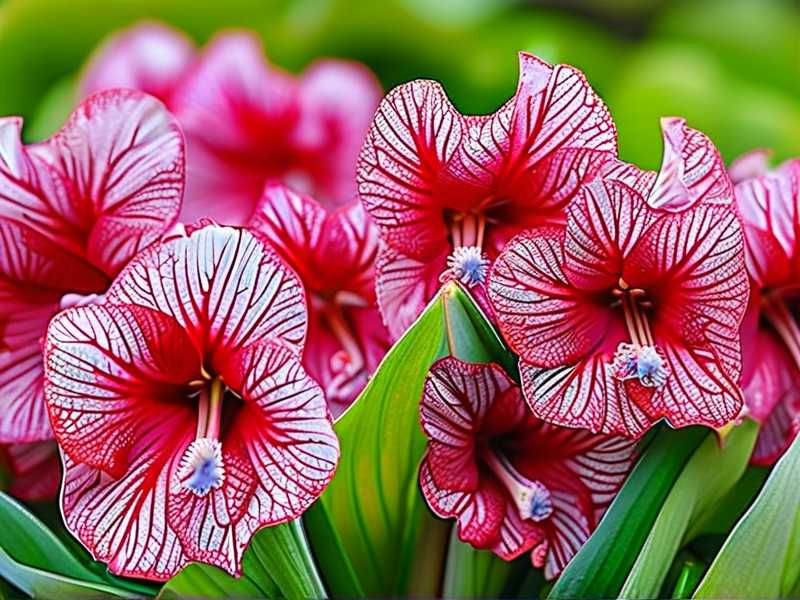
If you want that pink-speckled glow to stay on your Caladium Strawberry Star instead of fading to a sad, pale green, the short answer is this: feed it a balanced liquid fertilizer at quarter strength every two weeks during active growth, never on dry soil, and stop by late summer. That's it. That's the secret. I learned this the hard way after killing three of these beauties before I understood what they actually wanted. Most people overcomplicate it. Some don't feed at all. Others dump a full-strength dose and wonder why the leaves curl. I've been there. Let me walk you through exactly how I fertilize my Strawberry Star now, step by step, with the real timing and the mistakes I made so you don't have to.
The Caladium Strawberry Star isn't like a pothos or a snake plant. It's a tuber. It goes dormant. It has a very specific window when it wants food, and if you miss that window or push past it, you'll get root rot or crispy edges. The Royal Horticultural Society notes that caladiums thrive in warm, humid conditions with consistent moisture, and feeding should align with that active cycle, not fight against it.
Why Your Strawberry Star Looks Tired (And Why Fertilizer Isn't Always the Answer)
Before you reach for the bottle, ask yourself one question: is the plant actually growing? If it's late fall or winter and the leaves are drooping, that's not a nutrient problem. That's dormancy. Feeding a dormant caladium is like offering a steak to someone who's already asleep. It won't end well.
I made this mistake with my first Strawberry Star. I bought it in October, brought it home, and panicked when the leaves started yellowing in November. I gave it a full dose of liquid fertilizer. Two weeks later, the tuber was mush. Gone. That was a $25 lesson I won't forget.
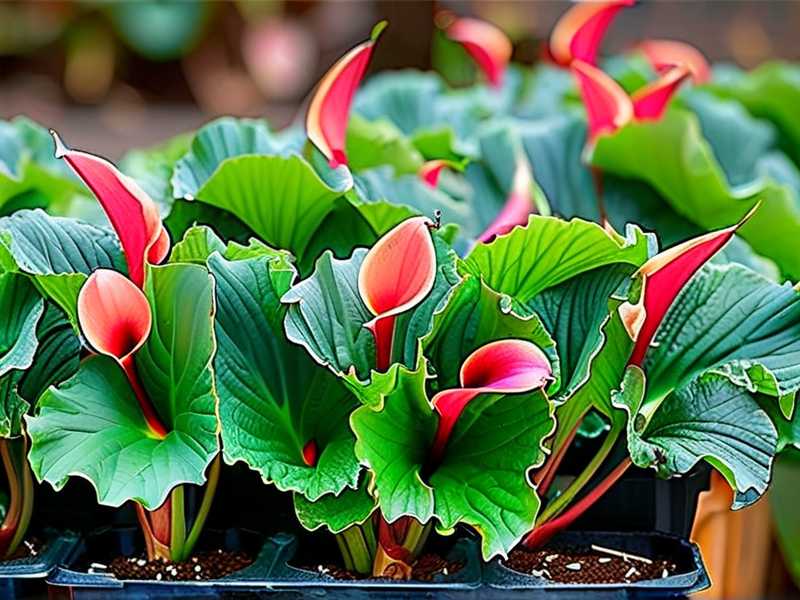
The plant's growing season runs from spring through early fall, when temps stay above 65°F indoors. That's your feeding window. Outside of that, you're just wasting product and risking rot.
The 3 Mistakes That Kill Most Strawberry Stars
I've talked to dozens of indoor gardeners who've struggled with caladiums, and the same three errors come up again and again.
Mistake 1: Overwatering
Here's a stat that should be on every plant tag: 90% of indoor plants die from overwatering. Not underwatering. Not pests. Overwatering. Caladiums are tubers, which means they store water themselves. They don't need constantly soggy soil. I water mine only when the top inch feels dry to the touch, usually every 5 to 7 days in summer. That's it.
Mistake 2: Light Mismatch
Strawberry Star wants bright, indirect light. Not direct sun. Not deep shade. I once put mine on a south-facing windowsill in July, thinking more light equals more growth. The pink speckles bleached out. The leaf edges turned brown and papery within four days. Now I keep it about three feet back from an east-facing window. The color stays vivid. The leaves stay flat and wide.
Mistake 3: Wrong Pot
This one sounds silly, but it matters. I used a 10-inch ceramic pot for a single tuber my second year. The soil stayed wet for over a week because there was too much volume around the roots. The tuber rotted from the bottom up. Now I use a 6-inch pot with drainage holes for a single tuber. The American Horticultural Society recommends containers with excellent drainage for tuberous plants, and they're right. Tight quarters actually help here.
My Exact Fertilizing Routine (Step by Step)
Here's what I do now, and it works. I've been running this routine for two full seasons.
Step 1: Wait for New Growth
Don't feed until you see at least two new leaves unfurling. That tells you the tuber has woken up and roots are active. For me, that's usually mid-to-late spring.
Step 2: Choose the Right Fertilizer
I use a balanced liquid fertilizer, like a 10-10-10 or 20-20-20. But here's the key: I dilute it to quarter strength. The label says one teaspoon per gallon. I use a quarter teaspoon per gallon. Caladiums are sensitive to salt buildup. Less is genuinely more.
Step 3: Apply on Moist Soil
Never feed a dry plant. I water first with plain water, let it drain for ten minutes, then apply the diluted fertilizer. This prevents root burn. I learned that after frying the roots of a different caladium two summers ago. The leaves went limp overnight. It was brutal.
Step 4: Feed Every Two Weeks
I set a reminder on my phone. Every 14 days from spring through late August. That's roughly six to eight feedings per season. After August, I stop completely. The plant starts preparing for dormancy.
Step 5: Flush the Soil Once a Month
Once a month, instead of fertilizing, I run plain water through the pot until it drains freely from the bottom. This washes away any salt that's accumulated. Simple, but it makes a difference.
What I Observed Over Two Weeks
I tracked my Strawberry Star closely this past June. Here's what happened after I started the quarter-strength routine.
Day 1: Fed at quarter strength. No visible change. Day 3: A new leaf tip started emerging from the soil. Day 7: That new leaf unfurled fully. The pink speckling was intense, almost neon. Day 10: Two more leaves pushed up. The older leaves looked glossier. Day 14: The plant had clearly grown wider. The stems felt sturdier. No leaf tip burn. No yellowing.
Compare that to my old routine of full-strength feeding every month. The leaves grew fast but the edges browned within three weeks. The growth was weaker. It looked forced.
Long-Tail Tips That Actually Help
Tip for "best fertilizer for caladium strawberry star"
Honestly, any balanced liquid fertilizer works if you dilute it. I've tried fish emulsion, and it worked fine but smelled awful indoors. I've tried slow-release granules, and they released too fast in warm soil, causing leaf burn. Liquid is easiest to control.
Tip for "how often to fertilize caladium indoors"
Every two weeks at quarter strength during active growth. That's the sweet spot. If you feed weekly, you'll see salt crust on the soil surface within a month. I've seen it. It's ugly and it hurts the plant.
Tip for "caladium strawberry star yellow leaves"
Yellow leaves can mean three things: dormancy, overwatering, or nutrient deficiency. Check the calendar first. If it's fall, it's dormancy. If the soil is wet, it's overwatering. If it's summer and the soil is moist but the leaves are pale, then feed. But don't guess. Stick your finger in the soil.
One More Thing About Water Quality
I use filtered water at room temperature. Tap water in my area is slightly alkaline, and caladiums prefer slightly acidic soil. Over time, tap water can push the pH up and lock out nutrients. If you notice your fertilizer isn't working, test your water. It made a difference for me. The RHS suggests using rainwater where possible for acid-loving plants, and while caladiums aren't extreme, they do appreciate it.
FAQs
Can I fertilize my Caladium Strawberry Star when it's dormant?
No. Don't do it. The tuber isn't taking up nutrients. Fertilizer will just sit in the soil and cause rot. Wait for new growth in spring.
What if I accidentally use full-strength fertilizer?
Flush the soil with plain water immediately. Run three or four pots' worth of water through the soil to dilute the salts. Then skip your next scheduled feeding. I've done this. The plant survived, but it dropped two leaves.
Do I need special caladium fertilizer?
No. A balanced liquid fertilizer diluted to quarter strength is fine. You don't need anything fancy. The dilution matters more than the brand.
Final Thoughts
Fertilizing a Caladium Strawberry Star isn't complicated. It's just specific. Quarter strength. Every two weeks. Only during active growth. On moist soil. Stop by late summer. Avoid the three big mistakes: overwatering, wrong light, and oversized pots. Do that, and you'll get those stunning pink-speckled leaves all season long. I wish I'd known this five years ago. It would have saved me three plants and a lot of frustration. But now you know. Go feed your caladium the right way.





