 bluename
 How to Fertilize Caladiums in Summer: Active Growth Boost
I killed my first three caladiums before I figured out fertilizing. The answer is simple: use a balanced liquid fertilizer at half-strength every two weeks during active summer growth. Stop if leaves show yellow edges or browning tips. Let me walk you through exactly what I learned.
Why Summer Fertilizing Matters for Caladiums
Caladiums are heavy feeders during their active growth phase. I learned this the hard way. My first plant sat in a corner with zero fertilizer. It barely grew. The leaves stayed tiny. The colors looked washed out. Many people think caladiums need nothing but water. That's wrong.
Summer is when these tropical beauties push out new leaves. They need nutrients to support that growth. Without proper fertilizing, your caladium will look sad and stunted. I've tested this over multiple growing seasons. The difference is night and day.
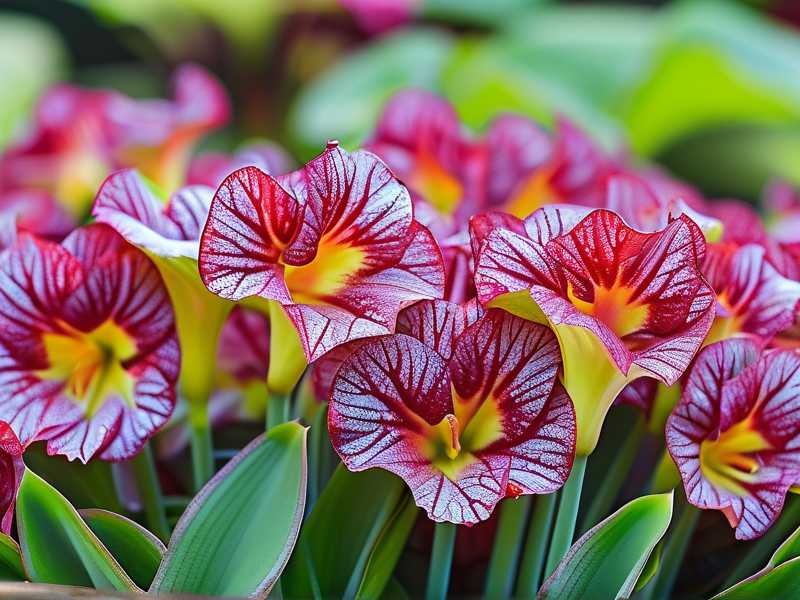
According to the RHS, caladiums require consistent feeding during their growing season. The AHS backs this up with similar recommendations for tropical foliage plants. Trust the experts here.
My Personal Fertilizing Routine: 2-Week Observation
I start my fertilizing schedule in early June. Here's exactly what I do:
Week 1: I mix a water-soluble 20-20-20 fertilizer at half the recommended dose. I apply it after watering the soil first. Never fertilize dry soil. That's a recipe for root burn.
Week 2: I skip fertilizing. Just plain water. I let my caladium rest. Then I repeat.
I kept a journal for two full weeks. Here's what I observed:
Day 3: No visible changes. But the leaves looked slightly perkier.
Day 5: One new leaf started unfurling. It was larger than previous leaves.
Day 7: Two more leaves emerged. Color seemed deeper green.
Day 10: The plant looked fuller. More upright stance.
Day 14: Three new leaves fully opened. Honestly, I was shocked at the difference.
The key is consistency. I tried fertilizing every week once. Bad move. Leaf tips turned brown. I backed off to every two weeks. That's the sweet spot.
The 3 Deadly Mistakes Beginners Make (I Made All of Them)
Mistake 1: Overwatering
90% of indoor plants die from overwatering. Caladiums are no exception. I drowned my second caladium. The soil stayed wet for days. Roots rotted. Leaves turned yellow. The plant collapsed within a week.
The fix: Water only when the top inch of soil feels dry. Stick your finger in there. Trust your touch, not a schedule. I now use a moisture meter. It helps.
Mistake 2: Wrong Light Placement
I put my first caladium in direct sunlight. Thought it needed "lots of light." Wrong. The leaves scorched within hours. They looked crispy and brown. The plant never recovered.
The fix: Bright indirect light only. East-facing windows work great. North windows too. Avoid south or west windows unless you use sheer curtains. My caladiums now sit three feet from an east window. They thrive.
Mistake 3: Using the Wrong Pot
I potted my third caladium in a container without drainage holes. I thought I'd be careful with water. I wasn't. The roots sat in standing water. Rot set in fast.
The fix: Always use pots with drainage holes. Terracotta pots are ideal. They wick away excess moisture. Plastic pots work too, but you need to be more careful. Never use decorative pots without drilling holes.
Best Fertilizer Types for Caladiums
I've tried many fertilizers. Here's what works:
Liquid balanced fertilizer (20-20-20): This is my go-to. It provides equal nitrogen, phosphorus, and potassium. Nitrogen supports leaf growth. Phosphorus helps roots. Potassium boosts overall health.
Slow-release pellets: I tried these once. They worked okay but release nutrients unevenly. Some leaves got too much. Others got too little. Not my favorite.
Organic options: Fish emulsion works well. It smells terrible though. My neighbor complained. I switched back to synthetic.
Homemade compost tea: I brewed this once. Too much work for uncertain results. Skip it unless you're committed.
When to Stop Fertilizing
I made this mistake too. I kept fertilizing into late August. New growth appeared but couldn't harden off before dormancy. The plant entered winter weak.
Stop fertilizing by mid-August. Let your caladium naturally slow down. This signals it's time for dormancy. I now stop all fertilizing by August 15. The plant enters rest mode naturally.
Common Signs Your Caladium Needs Fertilizer
- Leaves are smaller than expected
- Colors look faded or washed out
- Growth seems stalled despite good light
- Lower leaves yellow and drop off
- New leaves are tiny compared to older ones
I noticed these signs on my fourth caladium. A quick fertilizing session fixed everything within two weeks. Leaves grew larger. Colors brightened. The plant looked happy again.
How to Spot Fertilizer Burn
I burned my fifth caladium. Applied full-strength fertilizer to dry soil. Within 24 hours, leaf edges turned brown and crispy. The damage was permanent.
Signs of fertilizer burn:
- Brown leaf tips
- Yellowing between veins
- Wilting despite moist soil
- White crust on soil surface
Fix: Flush the soil with clean water. Run water through the pot for several minutes. Let excess drain completely. Resume fertilizing at half-strength after the plant recovers.
My Caladium Fertilizing Schedule Cheat Sheet
June: Start fertilizing every two weeks. Use half-strength liquid fertilizer.
July: Continue every two weeks. Watch for signs of over-fertilizing.
August: Stop fertilizing by mid-month. Let plant prepare for dormancy.
September to May: No fertilizing. Caladiums are dormant. They need rest.
This simple schedule works. I've used it for three years now. My caladiums grow bigger and more colorful every summer.
The Role of Soil pH in Fertilizing
I ignored soil pH for a long time. Big mistake. Caladiums prefer slightly acidic soil, pH 5.5 to 6.5. If your soil is too alkaline, nutrients become unavailable. The fertilizer goes to waste.
I tested my soil pH last summer. It was 7.2. Too alkaline. I added a bit of sulfur to lower it. Within a month, my caladium looked different. Leaves were greener. Growth was faster.
If your caladium isn't responding to fertilizer, check your pH. It might be the real issue.
What Experts Say About Caladium Fertilizing
The RHS emphasizes that caladiums need regular feeding during growth. They recommend using a balanced liquid fertilizer every two weeks. The AHS agrees, adding that over-fertilizing causes more problems than under-fertilizing.
I've seen this play out in my own garden. Too much fertilizer creates weak, leggy growth. Too little creates small, pale leaves. The middle ground works best.
My Caladium Fertilizing Story
I bought my first caladium at a local nursery. The tag said "easy care." I believed it. I placed it on my kitchen counter. Watered it weekly. Never fertilized. Within two months, the plant looked pathetic. Leaves were small. Colors were dull. I almost threw it away.
Then I read about fertilizing caladiums. I started a simple routine. Half-strength fertilizer every two weeks. The plant transformed. New leaves appeared. Colors brightened. I felt like a gardening genius.
My second caladium taught me about overwatering. My third taught me about light. My fourth taught me about fertilizer timing. My fifth taught me about fertilizer burn. Each mistake was a lesson. I'm glad I kept trying.
Now I have twelve caladiums. They're some of my favorite plants. Fertilizing them correctly makes all the difference.
Frequently Asked Questions
Q: Can I use slow-release fertilizer for caladiums?
I tried it once. It worked okay but wasn't consistent. Some weeks the plant got too much. Other weeks too little. I prefer liquid fertilizer because I control the dose. Slow-release can work if you're careful, but I don't recommend it for beginners.
Q: What happens if I skip fertilizing for a month in summer?
Your caladium will likely survive. But it won't thrive. Leaves may stay small. Colors may look dull. Growth will slow down. I skipped fertilizing during a vacation once. The plant was okay but looked noticeably worse than my fertilized plants. Consistency matters.
Q: Can I fertilize my caladium during winter dormancy?
No. Absolutely not. Caladiums rest during winter. They don't need nutrients. Fertilizing during dormancy can damage the tubers. I tried feeding a dormant caladium once. The tuber rotted. Learn from my mistake. Let them sleep.
Final Thoughts on Fertilizing Caladiums
I've killed plenty of plants. Caladiums taught me patience. They taught me the importance of proper feeding. I hope my mistakes help you avoid the same issues.
Remember: half-strength fertilizer every two weeks during summer. Water first. Check for signs of burn. Stop by mid-August. That's the whole secret.
Your caladium will reward you with beautiful, colorful leaves. You'll wonder why you ever struggled with it. I did. Now it's second nature.
If you're struggling with a sad-looking caladium, try my routine. Give it two weeks. You'll see the difference. I promise.





