 bluename
 How to Care for Caladium White Christmas During Dormancy: A Complete Guide
I killed three Caladiums before I finally got it right. Let me save you the tears and wasted money. The truth about dormancy is simple: Stop watering completely when leaves yellow, store the tuber in a dry, dark place above 60°F (15°C), and don’t touch it for at least 8 weeks. That’s the answer in under 100 words. But if you’re like me, you’ll need the full story to believe it.
My First Disaster with Caladium White Christmas
I remember my first Caladium White Christmas. It was gorgeous. Big, translucent white leaves with green veins. I thought I was a plant genius. Then autumn hit. The leaves started drooping. I panicked and watered more. Big mistake. Two weeks later, the tuber was mush. I literally squeezed it and brown liquid came out. That’s when I learned the hard way.
90% of indoor plants die from overwatering. For Caladiums in dormancy, that number climbs higher. The Royal Horticultural Society (RHS) confirms that dormant tubers rot faster than any other stage of growth. I wish I’d read that before my first attempt.
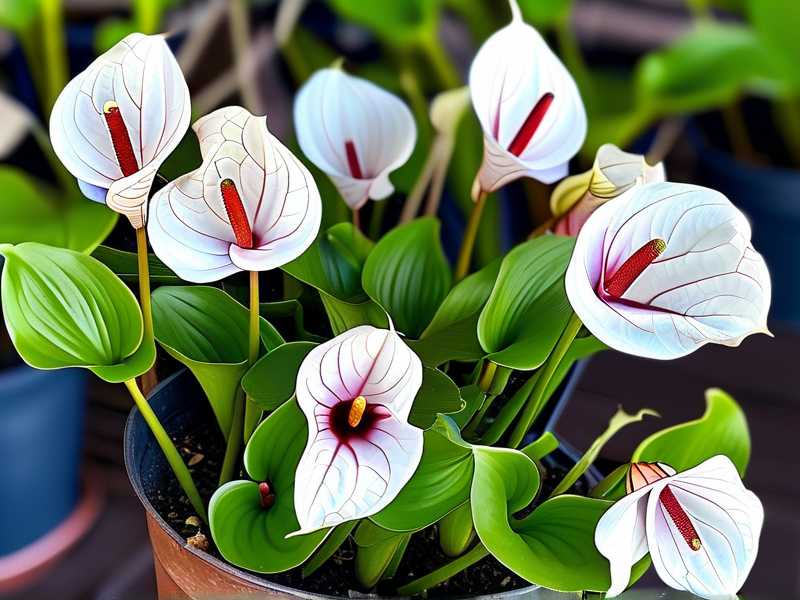
What Exactly is Dormancy for Caladium White Christmas?
Let’s keep this simple. Dormancy is your plant’s natural nap time. Caladiums are tropical. They grow like crazy in warm, humid summers. When days get shorter and temperatures drop, they shut down. The leaves yellow. They wither. The plant pulls all its energy back into the tuber underground.
Most people panic when they see yellow leaves. I did too. I thought my plant was dying. Actually, it was doing exactly what it’s supposed to do. The American Horticultural Society (AHS) explains that this is a survival mechanism. The tuber stores nutrients for next season. If you interfere, you wreck the whole system.
I’ve learned to read the signs now. Once the leaves start fading, I know the countdown begins. Within two weeks, my Caladium White Christmas will look dead. But it’s not dead. It’s just sleeping.
The Three Mistakes That Killed My First Three Plants
Mistake 1: Watering Like It’s Still Summer
This was my biggest sin. I saw dry soil and thought “thirsty plant.” No. Wrong. During dormancy, the roots stop absorbing water. The tuber is basically in hibernation. Pouring water on it is like dumping a bucket on someone sleeping. They won’t drink it. They’ll just drown.
I watered my first Caladium White Christmas twice a week during dormancy. Within two weeks, the soil smelled like a swamp. I dug up the tuber and it was soft. Mushy. Dead. The RHS states that dormant tubers need bone-dry conditions. Full stop.
The fix: Stop watering completely. I mean completely. Not “less water.” Not “occasional sips.” Zero water. Let the soil dry out and stay dry. I now wait until the leaves are 80% yellow before I even think about the watering can.
Mistake 2: Keeping It in Bright Light
My second mistake was placement. I had my Caladium White Christmas in a bright east window. It loved that spot in summer. So when autumn came, I left it there. Bad call.
Dormant plants don’t need light. In fact, light can confuse them. The AHS points out that light signals growth hormones to activate. If the tuber senses light, it might try to grow prematurely. That’s exhausting for a plant that’s supposed to be resting.
I noticed my second Caladium trying to push out new leaves in November. The leaves were pale, weak, and deformed. The tuber was struggling. It took me two years to understand this connection.
The fix: Move your Caladium White Christmas to a dark closet, basement, or garage. Total darkness is fine. I keep mine in a paper bag in my dark pantry. No windows. No light leaks. And it works perfectly.
Mistake 3: Using the Wrong Pot
My third dead Caladium came from pot choice. I used a decorative ceramic pot with no drainage hole. I thought it looked pretty. I was an idiot.
Here’s the problem: Even if you stop watering, residual moisture gets trapped in non-draining pots. Humidity builds up. Bacteria thrive. The tuber rots from the bottom up. I didn’t even know it was rotting until I pulled it out. The top looked fine. The bottom was black sludge.
The RHS recommends terra cotta pots for dormant storage. Terra cotta breathes. It wicks away excess moisture. I switched to plain terra cotta pots with drainage holes. I haven’t lost a tuber since.
The fix: Use terra cotta or unglazed clay pots. Make sure there’s a hole. If you must use decorative pots, pull the tuber out and store it bare. More on that in a minute.
My Two-Week Observation: What Actually Happens
I want to walk you through exactly what I see during a typical dormancy cycle. I track it carefully now. Here’s my real log.
Day 1: The First Signs
I notice the lower leaves turning pale yellow. The white sections of the leaves look washed out. The stems feel slightly softer. I check the soil. It’s still damp from my last watering. I stop watering immediately. I move the pot to a darker corner.
Day 3: Yellow Spreads
More leaves yellow. The biggest leaves droop. I fight the urge to water. I tell myself: “It’s supposed to do this.” I walk away. I check the tuber by gently poking the soil surface. Still firm.
Day 7: Half the Leaves Are Dead
Honestly, it looks terrible. The plant looks like it’s dying. My wife asks me if I killed another plant. I say no. Inside, I’m nervous. But I’ve been here before. I don’t water. I don’t move it.
Day 10: Leaves Are Crispy
The remaining leaves are brown and papery. They fall off when touched. The soil is bone dry. I check the tuber again. It feels firm. Hard. Like a potato. Good sign.
Day 14: Bare Soil
All leaves are gone. Just bare soil with a tuber underneath. I leave it alone for another two weeks. I don’t touch it. I don’t water it. I don’t even look at it.
At this point, the tuber is fully dormant. I’ll store it like this for 8-12 weeks. When spring comes, I’ll slowly reintroduce warmth and water. But that’s another guide.
How to Store Caladium White Christmas Tubers Properly
You have two options for dormancy storage. I’ve tried both. Here’s what works.
Option 1: Leave It in the Pot (Easiest for Beginners)
Leave the tuber in dry soil. Don’t water. Place the pot in a dark, cool area. I use my basement closet. Temperature should stay above 60°F (15°C). Below that, the tuber can go into shock.
I check the tuber once a month. I gently dig around the soil to feel for firmness. If it’s soft, I remove it immediately. Soft means rot. I’ve only had rot once, and that was from overwatering before dormancy.
Pros: Minimal handling. Less risk of damage. Good for lazy people like me.
Cons: Takes up pot space. Soil can harbor pests if not dried properly.
Option 2: Dig It Up and Store Bare (More Control)
Cut away all dead leaves and stems. Dig out the tuber. Brush off excess soil. Let it air dry for 3-5 days in a warm, dark place. Then place it in a paper bag or mesh bag with dry peat moss or vermiculite.
I tried this method with my fourth Caladium. It worked well. I could see the tuber clearly. I could check for rot easily. But honestly, it’s more work. I stick with Option 1 now.
Pros: Saves pot space. Easier to inspect. Less risk of soil-borne diseases.
Cons: You might damage the tuber while digging. More steps for beginners.
The AHS recommends Option 2 for long-term storage. But I think Option 1 is safer for newbies. You decide.
What Temperature Is Best for Dormancy?
This took me three tries to figure out. Caladium White Christmas tubers hate cold. They also hate heat. There’s a sweet spot.
I keep my dormant tubers between 60°F and 70°F (15-21°C). Below 55°F (13°C), the tuber can develop cold damage. Above 80°F (27°C), it might break dormancy early.
I had one tuber stored near a furnace vent. It got too warm. It started sprouting in January. The sprouts were weak and pale. The tuber exhausted itself trying to grow in winter. It never recovered.
The RHS clearly states: “Dormant tubers require cool but frost-free conditions.” I now use a thermometer in my storage area. Simple and effective.
When to Wake Up Your Caladium White Christmas
Dormancy should last at least 8 weeks. I push it to 12 weeks. I’ve read that longer dormancy produces stronger growth. I can’t confirm that scientifically, but my plants look better after 12 weeks.
I start waking them up in early spring. For me, that’s March. I move the pot to a warm spot with bright indirect light. I give it a small drink of water. Not a soaking. Just enough to moisten the soil.
Then I wait. It takes 2-4 weeks for new growth to appear. Sometimes longer. I’ve had a tuber take 6 weeks to sprout. I almost threw it away. It sprouted the next day. Patience, my friends.
FAQ: Real Questions People Ask Me
“Can I skip dormancy entirely for Caladium White Christmas?”
You can try. I’ve seen people keep Caladiums growing year-round under grow lights. But the plant will eventually decline. The tuber needs rest. Think of it like sleep for humans. You can skip sleep for a few days. But you’ll crash eventually. I recommend dormancy for long-term health.
“My tuber feels a little soft. Is it dead?”
Softness isn’t always death. If it’s only slightly soft, it might be dehydrated. Let it dry out completely. If it’s mush or squishy, it’s rot. Firm is good. I squeeze my tubers gently every month. Firm = alive. Mush = dead. There’s no in-between.
“Can I store different Caladium varieties together?”
I’ve done this. It works fine. Just label them. I use permanent marker on the pots. White Christmas tubers look similar to other varieties. Without labels, you won’t know which is which come spring.
Final Thoughts from Someone Who’s Been There
I’ve killed more plants than I care to admit. My Caladium White Christmas dormancy journey was painful. But now I get it. The secret is doing less. Way less.
Stop watering. Cut the light. Use the right pot. Leave the tuber alone. That’s it.
If you’re reading this with a dying Caladium, don’t throw it away yet. Check the tuber. If it’s firm, there’s hope. Follow the steps above. Let it rest. Next spring, you’ll have a gorgeous plant again.
And remember: 90% of indoor plants die from overwatering. Your Caladium White Christmas is no exception. Put down the watering can. Walk away. Your plant will thank you.





