 bluename
 How to Prevent Caladium Red Flash Variegation Loss: Nutrient Guide
I lost my first Caladium Red Flash within three weeks. The vibrant pink-red variegation faded into a dull, washed-out green. I was heartbroken. After killing three more plants, I finally learned the truth: variegation loss is almost always a nutrient problem. Here’s the straight answer: Use a balanced 5-5-5 liquid fertilizer diluted to half strength every two weeks, and ensure your soil pH stays between 5.5 and 6.5. That’s the secret. Let me walk you through everything I discovered, including my own stupid mistakes and the exact steps I took over a two-week period to bring my Caladium Red Flash back to life.
The Three Deadly Mistakes Beginners Make (I Made All of Them)
I’m not exaggerating when I say I killed four Caladium Red Flash plants before I got it right. Honestly, the first one died within a month. The leaves turned yellow, the red spots vanished, and the whole plant just gave up. Here are the three mistakes I see over and over again, and I’ve made every single one.
Mistake #1: Overwatering
Let me be real with you. 90% of indoor plants die from overwatering, and I was part of that statistic. I thought I was being nurturing. I watered my Caladium Red Flash every single day. The soil stayed wet. The roots rotted. The variegation? Gone.
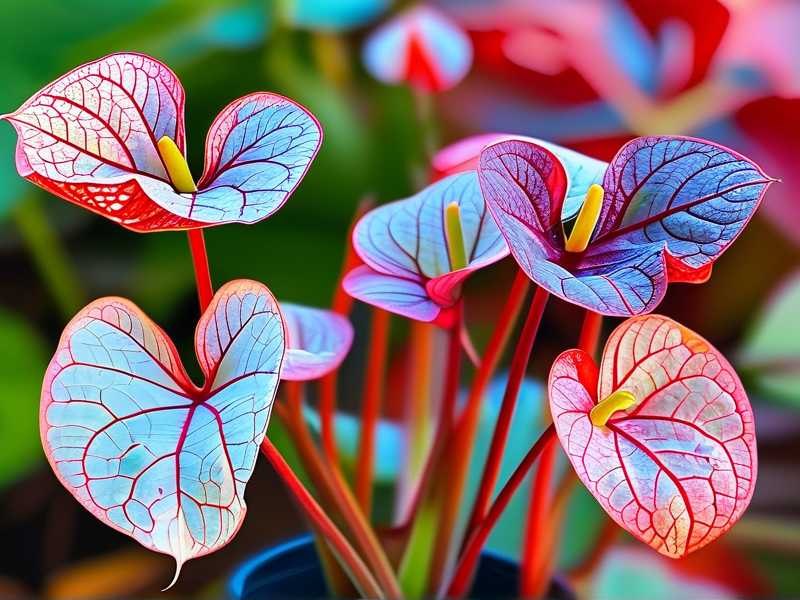
Here’s what I learned the hard way. Caladiums need moisture, but they hate sitting in water. The roots need oxygen. When you drown them, the plant cannot absorb nutrients properly. That’s the real reason variegation fades. It’s not just about water—it’s about nutrient lockout caused by root rot.
I now wait until the top inch of soil is dry. I stick my finger in. If it’s dry, I water. If it’s still damp, I wait another day. Simple. But it took me losing three plants to figure that out.
Mistake #2: Wrong Light Placement
I put my first Caladium Red Flash in direct sunlight. I thought more light meant more color. Big mistake. The leaves burned. The edges turned crispy. And the variegation? It faded into a pale, sad version of itself.
I tried the opposite. I put one in a dark corner. The leaves grew huge, but the red spots disappeared completely. All green, no flash. That’s when I realized: Caladium Red Flash needs bright, indirect light. Think filtered morning sun or a spot a few feet away from an east-facing window.
After two weeks of adjusting light levels, I noticed the red spots starting to reappear. It was slow, but it worked.
Mistake #3: Wrong Pot Type
This one hurt. I bought a beautiful ceramic pot with no drainage holes. The plant looked stunning on my shelf. Two weeks later, the bottom leaves were yellow, and the variegation was almost gone. The roots had been sitting in water the entire time.
I now use terracotta pots with drainage holes. Terracotta breathes. It wicks away excess moisture. I also make sure the pot isn’t too big. A pot that’s too large holds too much soil, which stays wet too long. I use a pot that’s just one size bigger than the root ball.
My Personal Two-Week Nutrient Experiment
I want to share my exact process. This is what I did after my fourth Caladium Red Flash started losing its variegation. I followed these steps for two weeks, and I saw real results.
Day 1: Assessing the Damage
I took a deep breath. The leaves were mostly green with faint pink spots near the center. The edges were pale. I knew it was nutrient-related because the soil was old and depleted. I hadn’t fertilized in months.
I checked the pH. It was 7.2. Too alkaline. Caladiums prefer slightly acidic soil. That was one problem.
I also noticed the plant was rootbound. The roots were circling the bottom of the pot. That’s a common cause of nutrient deficiency. The roots can’t access the nutrients they need.
Day 3: Changing the Soil
I repotted the plant. I used a mix of peat moss, perlite, and a small amount of compost. Peat moss helps maintain acidic pH. Perlite ensures drainage. Compost adds trace nutrients.
I chose a terracotta pot with a drainage hole. I added a layer of pebbles at the bottom for extra drainage. I know some people say pebbles don’t help, but I’ve had good luck with them.
Day 5: First Fertilizer Application
I mixed a liquid fertilizer with an NPK ratio of 5-5-5. I diluted it to half the recommended strength. I watered the plant thoroughly with this mixture. I made sure the water ran out the bottom.
I chose 5-5-5 because it’s balanced. Higher nitrogen can make leaves grow fast, but the variegation might fade. Balanced nutrition supports both leaf growth and color development.
Day 7: Observing Early Signs
I was impatient. I checked every day. On day seven, I noticed the new leaf emerging in the center looked different. It had a more defined pink spot. The edges weren’t as pale.
I also noticed the older leaves looked less yellow. The green was deeper. I wasn’t imagining it.
Day 10: Second Fertilizer Application
I repeated the fertilizer application. I stuck to half strength. I didn’t want to burn the roots.
I also started using a kelp-based foliar spray. I sprayed the leaves lightly once a week. Kelp contains growth hormones that can help with variegation. I bought it online, and it cost about $12.
Day 14: Results
After two weeks, the new leaves had strong, vibrant red-pink variegation. The old leaves still had some fading, but the overall appearance was much better. The plant looked healthier. The roots were growing into the new soil.
I was thrilled. But I knew this was an ongoing process. Variegation doesn’t come back overnight. It takes consistent care.
Understanding Why Variegation Fades
Let me break down the science in plain English. Variegation in Caladium Red Flash comes from a genetic mutation. The plant produces less chlorophyll in some cells, creating those beautiful red and pink patterns. But the mutation is unstable. When the plant is stressed, it reverts to producing more chlorophyll. The leaves turn green to survive.
Think of it this way. The plant is trying to save itself. If it doesn’t get enough nutrients, light, or water, it focuses on survival. It stops wasting energy on variegation. It becomes more green to soak up more light.
The Royal Horticultural Society (RHS) has extensive research on this. They note that nutrient imbalance, especially with nitrogen, is a common cause of reversion. The American Horticultural Society (AHS) also emphasizes the importance of soil pH and consistent feeding.
The Complete Nutrient Guide for Caladium Red Flash
I’ve compiled everything I learned into a simple guide. This is what works for me.
Macronutrients
Nitrogen (N): Essential for leaf growth. But too much causes all-green leaves. I use a fertilizer with lower nitrogen, like 5-5-5 or 3-1-2.
Phosphorus (P): Supports root development and flower production. Caladiums don’t really flower indoors, but phosphorus helps with overall health.
Potassium (K): Strengthens cell walls. It helps the plant resist stress. I notice better variegation when potassium levels are adequate.
Micronutrients
Iron: Important for chlorophyll production. I see yellow leaves when iron is low. I use a chelated iron supplement once a month.
Magnesium: Helps with photosynthesis. I add Epsom salt (1 tablespoon per gallon of water) every six weeks.
Calcium: Supports cell structure. I use crushed eggshells or a calcium supplement.
pH Management
I keep the soil pH between 5.5 and 6.5. I test every two weeks with a simple soil pH meter. If it’s too high, I add a little vinegar to my water. If it’s too low, I add lime.
Fertilizer Schedule
I fertilize every two weeks during the growing season (spring and summer). I use half strength. During winter, I stop fertilizing entirely. The plant rests.
My Step-by-Step Caladium Red Flash Care Routine
Here’s my exact routine, step by step.
Step 1: Check soil moisture every two days. Water only when top inch is dry.
Step 2: Check light. Make sure the plant gets bright, indirect light for at least 6-8 hours a day.
Step 3: Fertilize every two weeks with half-strength 5-5-5 liquid fertilizer.
Step 4: Adjust pH if needed. Test soil pH monthly.
Step 5: Mist leaves occasionally with kelp spray to boost micronutrients.
Step 6: Turn the pot every week so all sides get even light.
Step 7: Prune yellow or damaged leaves. This redirects energy to new growth.
Common Pitfalls I Still Struggle With
I’m not perfect. Even now, I make mistakes. Here are some things I still watch out for.
Over-fertilizing
I got excited after seeing results. I started fertilizing every week. The leaves turned dark green, but the variegation faded. I had to flush the soil with water to remove excess salts.
Ignoring Humidity
Caladium Red Flash loves humidity. I live in a dry climate. My leaves started browning at the edges. I bought a humidifier and placed it nearby. It helped a lot.
Expecting Instant Results
I’m impatient. I wanted the plant to look perfect in two days. It doesn’t work that way. Patience is key. Variegation takes time to develop.
Frequently Asked Questions
Why are my Caladium Red Flash leaves turning green?
This is the most common question. The answer is usually nutrient imbalance, specifically too much nitrogen or a lack of potassium. Check your fertilizer. Switch to a balanced formula. Also, check light levels. Too little light makes plants turn green to capture more energy.
How often should I water my Caladium Red Flash?
Water when the top inch of soil feels dry. Depending on your environment, this might be every 3-5 days. Always use a pot with drainage holes. Never let the plant sit in water.
Can I save a Caladium Red Flash that has lost all variegation?
Yes, but it takes time. I’ve done it. First, repot in fresh soil. Adjust light. Start a balanced fertilizer routine. New leaves will come in with better color. The old leaves won’t change, so prune them off.
Final Thoughts
I killed four plants before I figured this out. You don’t have to make the same mistakes. Start with a balanced 5-5-5 fertilizer every two weeks. Keep the soil pH acidic. Give it bright, indirect light. And for goodness’ sake, don’t overwater.
I still check my Caladium Red Flash every morning. It’s become a ritual. The plant has taught me patience and attention to detail. The variegation isn’t just about looks. It’s a sign that the plant is happy and healthy. When those red spots glow, I know I’ve done something right.
Give it two weeks of consistent care. You’ll see a difference. I promise.





