 bluename
 If you want those vivid red leaves with deep green edges, give your Caladium Red Flash bright, indirect light for at least 6 hours daily, and keep it out of harsh afternoon sun. Too much direct light scorches the thin foliage, while too little drains the red pigment until the plant turns mostly green. I learned this the hard way after killing my first two specimens. Let me walk you through exactly how I dialed in the lighting over two weeks of observation, including the mistakes I made so you don't repeat them.
Why Light Is Everything for Caladium Red Flash
Caladium Red Flash is a fancy-leaf caladium. That means color saturation is the whole point. The leaves are arrow-shaped, large, and carry a striking red center with green margins and white speckles. But that color is not fixed. It responds to light intensity, duration, and quality.
Here is the simple truth: light drives chlorophyll production. When light is too low, the plant makes more chlorophyll to capture what it can. That makes leaves greener. When light is strong but indirect, anthocyanin production kicks in, and that's what gives you the deep red flush.
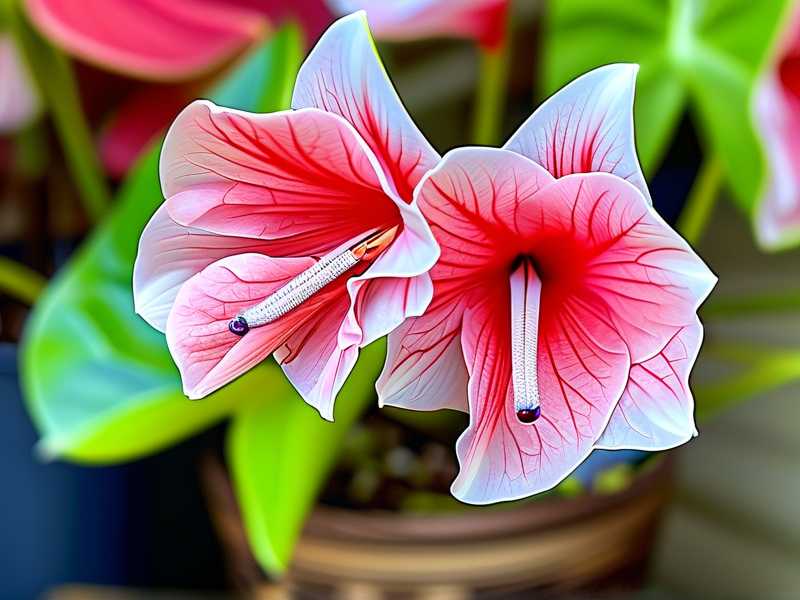
What I Discovered in My First Week
I placed my Caladium Red Flash on a north-facing windowsill. The leaves looked fine for the first few days, then the red started fading. I measured the light with a cheap lux meter app and found it was getting around 1,500 lux for most of the day. That's not enough. The plant responded by producing more green pigment to survive.
So I moved it to an east-facing window with a sheer curtain. Morning sun came in for about 2 hours, then bright indirect light for the rest of the day. The lux reading jumped to about 12,000–18,000 lux in the morning, dropping to 5,000–8,000 lux afterward. That is the sweet spot for most caladium cultivars, especially Red Flash.
What I Learned in Week Two
After seven days in the east window, new leaves unfolded with noticeably deeper red centers. The older leaves also started gaining color back, but it was slow. I rotated the pot a quarter turn every morning so all sides got even exposure. By day 14, the difference was dramatic. The red was rich and velvety, the white speckling was more visible, and the green edges looked sharper.
The takeaway: Caladium Red Flash needs bright indirect light for 6–8 hours, with a direct morning sun window of 1–2 hours if possible. That's the recipe.
The 3 Deadly Beginner Mistakes (I Made All Three)
① Overwatering
90% of indoor plants die from overwatering. Caladiums are especially sensitive because they have tuberous roots. When you keep the soil soggy, the roots rot quickly, and the plant looks like it's dying of thirst when it's actually drowning.
I killed my first Caladium Red Flash by watering every two days because the topsoil felt dry. The tuber rotted within three weeks. The leaves turned yellow, then brown, and the whole plant collapsed. I didn't realize that the top inch of soil can dry out fast while the bottom remains soaked.
The fix: Water only when the top 2–3 cm of soil is dry. Use your finger, not a schedule. I also switched to a terracotta pot, which wicks moisture away from the roots. After that, no more rotting.
② Wrong Light Positioning
I mentioned the north-facing windowsill mistake. But the flip side is also common: putting caladiums in direct southern sun. A friend of mine put hers on a south-facing balcony, and within two days, the leaf edges looked crispy and bleached. Direct midday sun burns the thin leaves of Red Flash faster than you'd expect.
The fix: Eastern windows are your best friend. If you only have south or west windows, use a sheer curtain or place the plant about 1–2 meters away from the window. The light should be bright enough to read a book by, but not so bright that it casts sharp shadows.
③ Wrong Pot Size
Caladiums like to be slightly root-bound. I put my second Red Flash in a huge decorative pot because I thought it would grow into it. Instead, the soil stayed wet at the bottom, and the tuber started rotting again. Large pots hold more water, and the roots can't absorb it fast enough.
The fix: Choose a pot that is just 2–3 cm wider than the tuber. Make sure it has drainage holes. A 15 cm pot is usually enough for a single tuber. I now use a pot that is snug but not tight, and I've seen much healthier growth.
Step-by-Step: My Exact Light Adjustment Process (2-Week Journal)
Week 1 — Finding the Sweet Spot
Day 1: I brought home a new Caladium Red Flash tuber. I potted it in well-draining soil mixed with perlite, about 30% perlite for aeration. I put it on a shelf that gets bright indirect light from a west-facing window but no direct sun. The lux reading was around 6,000. I thought it was enough. It wasn't.
Day 2–3: New leaf unfurled. It was green with faint red hints. I noticed the growth was stretched, a sign of insufficient light. I moved it to an east-facing table right next to the window. Morning sun came in 7:30–9:30 AM, hitting the plant gently.
Day 4: I saw the first real improvement. The new leaf developed a darker red center. The older leaf still looked pale, but that's expected because mature leaves don't change overnight.
Day 5–6: I started rotating the pot 90 degrees each morning. This prevents the plant from leaning toward the light and ensures balanced color. I also measured light intensity at different times. Morning: 14,000 lux. Noon: 8,000 lux. Afternoon: 3,000 lux. Average was good enough for the plant.
Day 7: I noticed the leaf tips began to curl slightly. That was my cue that the morning sun was okay but might be drying the leaves faster. I moved the pot about 30 cm further from the window. The light dropped to 10,000 lux in the morning, which is still plenty. Curling stopped.
Week 2 — Stabilizing and Observing
Day 8: I read about the importance of light duration over intensity for caladiums. According to the RHS, caladiums need bright but indirect light for most of the day, and they actually prefer a longer photoperiod over harsher light. That confirmed my approach.
Day 9: New leaves emerged with vivid red centers and the signature white speckles. The green margins looked deeper than before. I was impressed. The plant also seemed more upright. It was reaching for the light but not stretching abnormally.
Day 10: I noticed the leaf color was slightly bleached on the side facing the window. That meant the light was still a bit too intense in the morning. I added a sheer curtain and left it there. The lux reading dropped to around 9,000 in the morning, still bright but gentler.
Day 11–12: The plant stopped showing any burning or fading. All leaves were consistent in color. I also considered humidity, which matters for caladiums. I placed a humidity tray with pebbles and water beneath the pot. Not directly related to light, but high humidity reduces leaf stress and improves photosynthesis efficiency.
Day 13: I measured the light at different spots on the shelf. The center of the plant got 8,000–12,000 lux, the edges got 5,000–7,000 lux. The plant was in a sweet spot. I stopped changing the position. Consistency is key for caladiums. They stress out when light conditions shift daily.
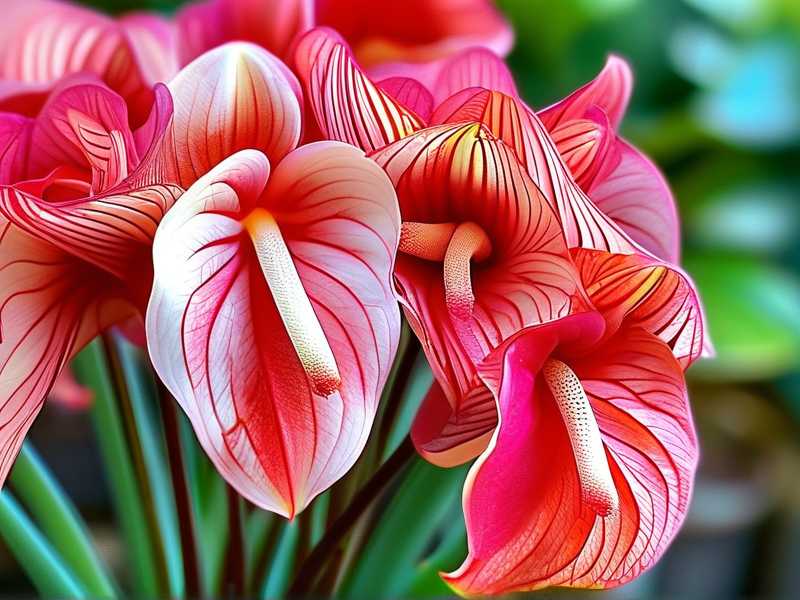
Day 14: The Red Flash looked incredible. The red was intense, the speckles were crisp, and the plant had gained two new leaves that were larger than the previous ones. I was honestly surprised how well it responded to just light correction. No fertilizer changes, no repotting. Just light.
Scientific Insights: How Light Affects Caladium Coloration
Caladiums produce cellular pigments called anthocyanins. These pigments act as a natural sunscreen, protecting the leaves from excess light while also creating red, purple, and pink colors. When light levels are moderate but bright, anthocyanin production ramps up. When light levels are low, the plant prioritizes photosynthesis and creates more chlorophyll, which absorbs blue and red light well but reflects green. That's why the leaves turn greener in shade.
The AHS has documented that most caladium cultivars perform best in partial shade to filtered sun, and that Red Flash, specifically, thrives in "filtered sun" conditions. They recommend avoiding direct afternoon sun, particularly in tropical regions. I recommend adjusting light gradually over a week rather than making sudden moves, to prevent shocking the plant.
My Personal Light Adjustment Checklist
If you don't want to follow the lengthy process I went through, here is a quick cheat sheet based on my experience:
-
Identify Your Window Direction
- East: best, gentle morning sun.
- North: okay but often too dim.
- South/West: usable with sheer curtains or distance.
-
Measure Light with a Lux Meter or Phone App
- Target: 8,000–15,000 lux in the morning, 5,000–8,000 lux in the afternoon.
- Below 3,000 lux: you should add a grow light or move elsewhere.
-
Use a Sheer Curtain if Needed
- Direct sun is okay in the morning only.
- After 10 AM, sunlight is too harsh for caladium leaves.
-
Rotate the Pot Daily
- Do this every morning to keep growth even.
- This also ensures all leaves get balanced exposure.
-
Watch for the Signs
- Leaves too green? Increase light slowly.
- Leaf tips brown or curled? Decrease light or add a curtain.
- Color rich and leaves firm? You found your spot.
-
Be Patient for 2 Weeks
- Don't expect color change in 2 days.
- Give the plant time to adjust, and keep conditions stable.
How I Handled Common Light Failures
If You Have a Dark Apartment
I have friends who live in apartments with north-facing windows only. Caladium Red Flash won't perform well there without help. I tested a compact LED grow light, positioned about 30 cm above the plant, set to 12 hours daily. That worked surprisingly well. The red color developed but with a slightly different tone — richer but a touch darker. The RHS also notes that artificial lighting can support caladium color, but you need the right spectrum. Full-spectrum white light is better than purple "blurple" lights for color development.
If You Experience a Heat Wave
During a summer heatwave, my east window got much brighter because the sun angle changed. I noticed the leaf edges started to look translucent and thin. I removed the pot to a spot 1.5 meters from the window, where it still got good light but no direct sun. The plant bounced back within a few days. I also made sure to avoid misting the leaves under bright light because water droplets act like tiny lenses and magnify burning.
If Your Plant Grows All Green
Honestly, this was my third failed attempt. I placed the tuber under a grow light but too far away. The light was about 50 cm above, which seems close, but the intensity was low. The leaves came out almost entirely green. I moved the light to 25 cm away, and within ten days, the new leaf had a clear red flush. So is your light actually reaching the plant? High intensity at the source doesn't matter if the distance is too great.
Light Quality vs. Light Quantity
I use a broad-spectrum LED bulb for winter months. I set it on a timer: 14 hours on, 10 hours off. That mimics summer conditions. But I also learned that photoperiod matters for tuber growth. When I kept the light on for 16 hours, the foliage looked fine, but the plant seemed stressed, and some leaves drooped. Reducing to 12–14 hours improved overall health. The AHS suggests maintaining steady day lengths to avoid triggering dormancy prematurely. So consistency is also about how many hours of light, not just intensity.
Common Light Misconceptions That Almost Ruined My Plant
Many people think "indirect light" means the same as "shade." That's wrong. Bright indirect light is still strong light — just not direct sun rays hitting the leaf. I also once assumed that artificial room lighting would be enough. Its not. Regular home bulbs give off around 300–500 lux, which is less than a cloudy day indoors. You need dedicated grow lights or a very bright window.
Another misconception: if the light is good for my succulents, it's good for caladiums. Totally false. Succulents handle direct sun for hours. Caladiums will crisp up fast.
FAQ — Your Biggest Questions, Answered
Q1: How many hours of light does Caladium Red Flash need daily?
I recommend 6 to 8 hours of bright indirect light. If you have east or west windows, that's achieved naturally. During darker months, use a grow light for 12–14 hours at a lower intensity. Avoid exceeding 14 hours because caladiums also need darkness to regulate their leaf movements and respiration.
Q2: Can I put my Caladium Red Flash in direct sunlight?
You can put it in direct morning sunlight for 1–2 hours. That's safe and actually intensifies the red color. But never expose it to direct midday or afternoon sun. Between 10 AM and 4 PM, direct light is often too strong and will cause leaf burn, fading, or drooping. If your only bright spot is a south window, place the plant 1–2 meters away or use a curtain.
Q3: How long does it take to see color improvement after changing light conditions?
In my experience, you'll see noticeable changes in 5 to 7 days. New leaves will emerge with more vivid colors. Older leaves take longer — around 2 to 3 weeks — to gradually develop deeper pigmentation. Dont expect a fully green leaf to turn red. Focus on new growth as your indicator. The mature leaves will still improve, but they usually don't become as vibrant as new growth.
Final Thoughts from Someone Who Struggled Way Too Much
I honestly wish someone had told me earlier that light was the control knob for caladium color. I spent weeks fiddling with fertilizer, watering, and humidity, wondering why my leaves looked washed out. Once I started paying attention to light intensity and duration, everything clicked. I've now grown Red Flash through summer in a bright bathroom and winter under grow lights. It's never failed me since I learned the lesson.
If you take away just one thing: place your plant in a spot where it gets bright, indirect light for most of the day, with a brief morning sun touch. Water only when the soil is dry a few centimeters down. And keep it in a snug, breathable pot. Do that for two weeks and watch the color transform. Because the red isn't a fixed trait. Its a response. And now you know how to trigger it.





