 bluename
 How to Grow Caladium Ruffled Leaf: Ruffled Edge Care Guide
I still remember the first ruffled leaf caladium I bought. It was a gorgeous 'White Queen' with edges so frilly they looked like they'd been cut with pinking shears. Two weeks later, it was a soggy, yellow mess. I'd drowned it. That's when I finally understood a hard truth: 90% of indoor plants die from overwatering. If you're here, you probably want to know how to grow caladium ruffled leaf without making the same mistake I did. Here's the short answer: give it bright, indirect light, water only when the top inch of soil is dry, and use a pot with drainage holes that's barely bigger than the root ball. That's it. The rest is just paying attention. I've killed four caladiums learning this, so let me save you the heartbreak.
Why Ruffled Leaf Caladiums Are Worth the Fuss
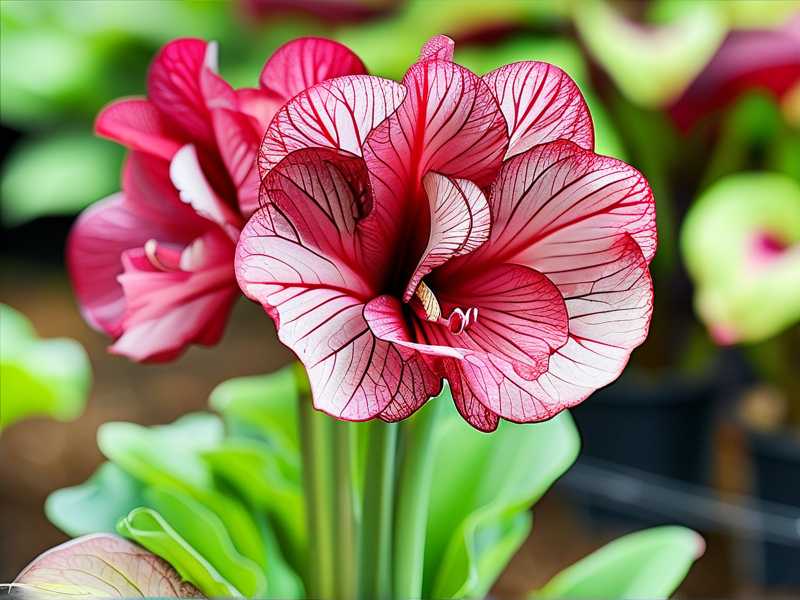
Caladiums with ruffled edges—sometimes called fancy-leaf or strap-leaf types with extra frills—are not your average houseplant. The RHS notes that caladiums are tuberous perennials that thrive in warm, humid conditions. They're not finicky once you understand their rhythm. The ruffled edges? That's just a genetic bonus. Varieties like 'Candidum' or 'Rosebud' have that crinkled, wavy margin that makes them look like they belong in a botanical garden. But here's the thing. They go dormant. That's normal. Don't panic when all the leaves fall off in autumn. I did, and I threw out a perfectly healthy tuber. Big mistake.
My Two-Week Observation: What Actually Happens
I started a fresh ruffled leaf caladium on a windowsill in late spring. Day one: one unfurled leaf, about six inches tall. Day three: a new leaf spike pushing through the soil. Day seven: two more leaves, edges clearly ruffled. Day ten: I noticed a tiny brown tip on the oldest leaf. I panicked. Then I remembered—I'd watered three days in a row because the soil looked dry on top but was soggy two inches down. I stopped. By day fourteen, that brown tip had dried and crisped, but the new growth was perfect. Lesson learned: stick your finger in the soil up to your second knuckle. If it's damp, wait.
The Three Deadly Mistakes New Growers Make
Let's get these out of the way. I've made all three. You probably will too, but maybe you'll catch yourself faster.
Mistake 1: Overwatering
This is the big one. Caladiums have tubers, not fibrous roots. Those tubers rot fast in soggy soil. I once watered my caladium every other day because a YouTube video said "keep soil moist." The tuber turned to mush in ten days. Now I water only when the top inch is dry, and I use a moisture meter for backup. In winter, when the plant is dormant, I barely water at all—maybe once a month if the soil is bone dry.
Mistake 2: Wrong Light
I tried a ruffled leaf caladium in a north-facing window. It grew tall, spindly, and the ruffles lost their definition. Then I moved it to direct afternoon sun. The leaves scorched. The sweet spot? Bright, indirect light. Think east or west window with a sheer curtain. Or four feet back from a south window. The AHS recommends filtered shade for caladiums outdoors, and that translates well indoors. If your leaves look washed out, you need more light. If they have brown crispy patches, you need less.
Mistake 3: Wrong Pot
I used a decorative ceramic pot without drainage holes once. Just once. The water pooled at the bottom and the tuber rotted within a week. Now I use terracotta or plastic nursery pots with plenty of drainage holes, and I set them inside a cachepot for looks. The pot should be only one to two inches wider than the tuber. A too-large pot holds too much wet soil, and that's a death sentence.
How I Actually Care for Ruffled Leaf Caladiums
Here's my routine, refined over four plants and two years.
Soil Mix
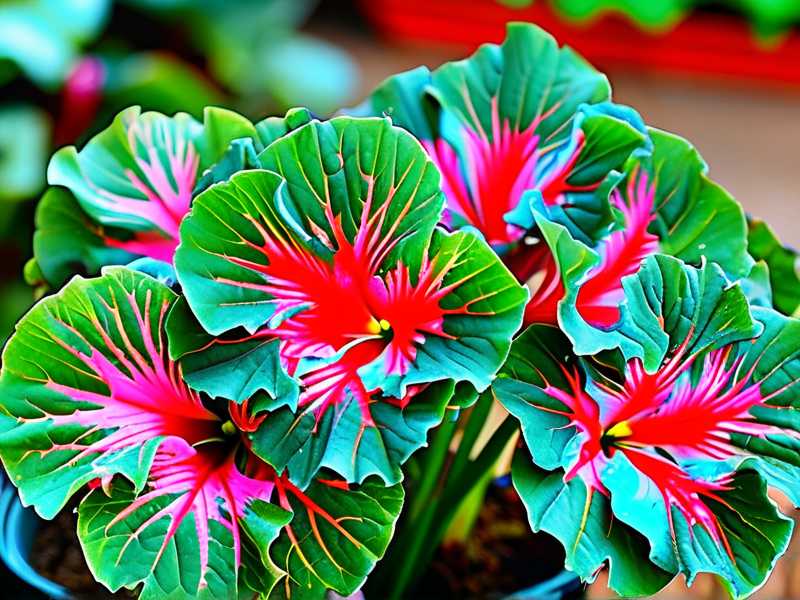
I mix two parts peat-based potting soil, one part perlite, and one part orchid bark. That gives me a chunky, airy mix that drains fast. I've tried plain potting soil—it stays wet too long. The bark makes a difference you can feel.
Watering Rhythm
Spring through summer: water when the top inch is dry. That's usually every five to seven days in my dry climate. I water until it runs out the bottom, then I empty the saucer. Never let it sit in water. In autumn, when leaves start yellowing, I cut back to every ten to fourteen days. By winter, the leaves are gone and I water maybe once every three weeks. I store the pot in a cool, dark closet at about 60°F.
Humidity and Temperature
Caladiums love humidity. I run a small humidifier nearby, or I set the pot on a tray of pebbles with water. But don't mist the leaves—that invites fungal spots. I learned that the hard way. Keep temps between 65°F and 80°F. Cold drafts will make the leaves drop.
Fertilizing
I feed with a diluted liquid fertilizer every four weeks during active growth. Half-strength is plenty. I once used full-strength and burned the leaf tips. Now I err on the side of less.
Repotting and Tubers
Every spring, I check the tuber. If it's crowded, I repot into a slightly larger container. I've divided tubers with a clean knife—each piece needs at least one growing eye. Let the cut dry for a day before planting. I've skipped that step and lost a tuber to rot.
What I Wish I Knew About Dormancy
My first caladium dropped all its leaves in October. I thought it was dead. I threw it out. Now I know: that's just dormancy. The tuber is alive. I let the soil dry completely, cut off the dead foliage, and store the pot in a cool dark place. Come February, I bring it back into warmth and light, and start watering lightly. New shoots appear in two to three weeks. It's like a free plant every year.
Pest Problems I've Dealt With
Spider mites love dry indoor air. I found webbing on a ruffled leaf once. I wiped the leaves with a damp cloth and increased humidity. That solved it. Mealybugs showed up once on a new plant. I dabbed them with rubbing alcohol on a cotton swab. Repeat every few days until they're gone. Don't use harsh chemicals unless you have to—caladium leaves are thin and burn easily.
Frequently Asked Questions
Why are my caladium leaves turning yellow?
Yellow leaves usually mean overwatering. Check your soil. If it's soggy, stop watering and let it dry out. If the soil is dry but the leaves are yellow, you might need more light. Also, older leaves naturally yellow and die back—that's normal.
Can I grow ruffled leaf caladium outdoors?
Yes, in USDA zones 9–11 they grow as perennials outdoors in shaded beds. In cooler zones, grow them in pots and bring them inside before the first frost. They make excellent patio plants in summer.
How long does a caladium live indoors?
The tuber can live for years if you manage dormancy correctly. I've had one tuber for three seasons now. It's not a short-lived plant—it's a cycle. You just have to respect the rest period.
Final Thoughts
Growing a ruffled leaf caladium isn't hard once you stop treating it like a tropical fern. It's a tuber. It wants warmth, bright indirect light, and dry feet between waterings. I killed four before I figured that out. You don't have to. Start with a small pot, water less than you think, and let it tell you what it needs. The ruffled edges are just a bonus—the real reward is watching that first new leaf unfurl in spring, knowing you kept the tuber alive through winter. And honestly? That feels like a small miracle every time.





