 bluename
 How to Fix Caladium Wilting in Sun: A Gardener's Proven Shade Solution
I’ll be honest—nothing is more disheartening than watching your vibrant caladium leaves, those stunning canvases of pink, red, and green, suddenly go limp and wilted. You water them faithfully, but under the bright sun, they look defeated. If this sounds familiar, you’ve found the right guide. I’ve been there, and after a period of trial, error, and careful observation, I cracked the code. The core issue almost always boils down to one thing: too much direct sunlight. Caladiums are native to the understory of tropical forests, which means they are shade-loving plants by nature. Exposing them to intense, direct sun is a surefire recipe for stress, wilting, scorched leaves, and faded colors.
In this article, I’ll walk you through my personal, step-by-step shade solution to revive a sun-stressed caladium and prevent future wilting. I’ll share the exact process I used, the results I observed over two weeks, the mistakes I made along the way, and how I fixed them. Let’s bring those beautiful leaves back to life.
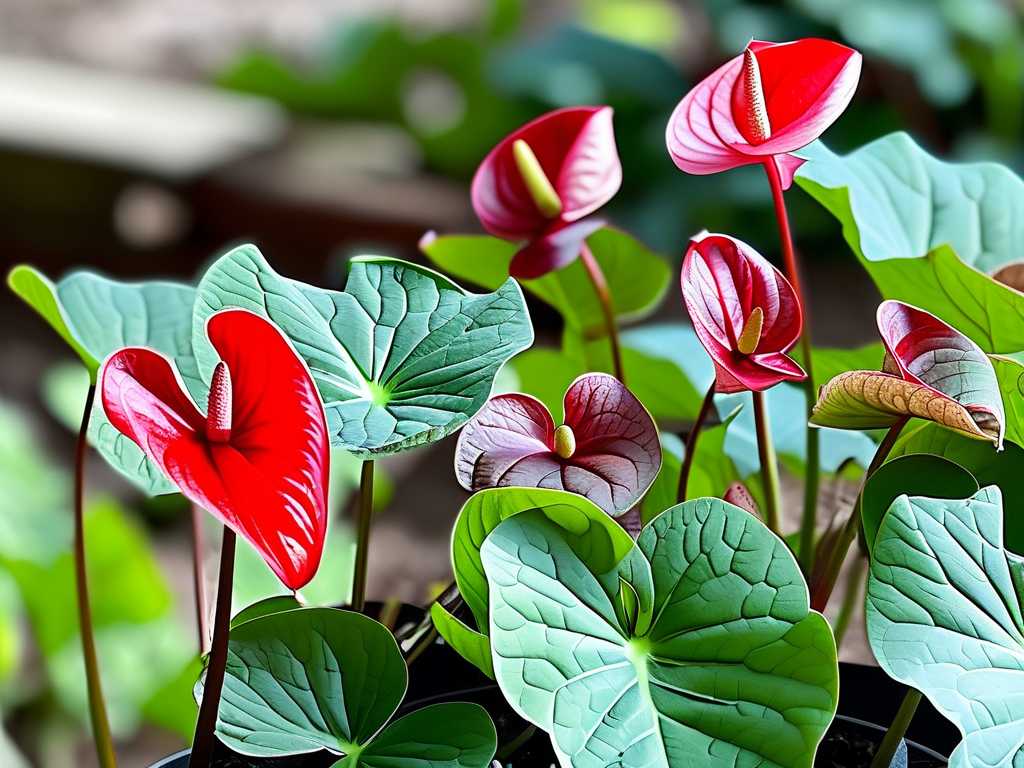
Understanding Why Your Caladium Wilts in the Sun
Before we jump into the fix, it’s crucial to understand the "why." When a caladium wilts in the sun, it’s not just being dramatic—it’s in survival mode. The large, thin leaves lose water through transpiration faster than the roots can absorb it, especially if the soil is warm. This leads to a loss of turgor pressure (the water pressure inside plant cells that keeps them firm), causing the dramatic droop.
Furthermore, direct sunlight can literally scorch the delicate foliage, leaving brown, crispy patches. According to the American Horticultural Society’s (AHS) Heat-Zone Map guidelines, plants like caladiums, which thrive in cooler root zones and filtered light, are highly susceptible to heat and light stress. Their advice aligns perfectly with what we need to do: manage light exposure and root temperature.
My Step-by-Step Shade Rescue Mission
Here is the exact solution for caladium wilting that I implemented. This isn’t just theory; it’s a documented process from my own patio.
Step 1: The Immediate Intervention – Assess and Relocate The moment I noticed severe wilting in the afternoon sun, I knew immediate action was needed. I didn’t just drench it with water (a common panic move that can lead to root rot if the soil was already moist). Instead, I first checked the soil moisture with my finger. It was dry an inch down. I gave it a thorough, deep watering until water ran out the drainage holes, ensuring the root ball was fully hydrated.
Then, I carefully moved the pot to a location that received bright, indirect light. For me, this was the north-facing side of my house, which gets plenty of ambient light but no direct rays. If you only have a sunny spot, think about areas under a dense tree canopy, on a covered porch, or even the shadowed side of a larger structure. The goal is to completely eliminate direct sun exposure for caladiums during the peak hours of 10 a.m. to 4 p.m.
Step 2: Creating a Permanent Shade Environment Relocating isn’t always possible, especially if your caladiums are in a garden bed. That’s where creating shade becomes an art. I had a second, less-wilted caladium in a fixed planter. For this plant, I created a shade cloth canopy. I used a 50%-70% density shade cloth (often recommended by commercial growers for shade-loving ornamentals) and rigged it on simple stakes about two feet above the plant. This filtered the harsh sunlight into a gentle, dappled effect, mimicking its natural habitat.
Another fantastic method I experimented with is companion planting. I positioned taller, sun-tolerant plants like ferns or certain ornamental grasses to the west and south of my caladium. As the sun moved, these "nurse plants" cast a protective shadow over the caladium. This method, often highlighted in permaculture design, not only fixed the light issue but also created a more lush, layered garden aesthetic.
Step 3: Optimizing Care to Support Recovery Shade alone is the primary fix, but supporting care accelerates recovery.
- Watering Wisely: I shifted my watering schedule to early morning. This allowed the plant to hydrate fully before the day’s warmth increased evaporation. I maintained consistently moist (but never soggy) soil. The Royal Horticultural Society (RHS) emphasizes that for foliage plants like caladiums, "even moisture is key," and morning watering helps prevent fungal diseases.
- Humidity Boost: Caladiums love humidity. The dry air in a sunny spot exacerbates wilting. I started a daily routine of misting the leaves lightly in the early morning. For a more set-and-forget approach, I placed the pot on a pebble tray filled with water, which created a localized humid microclimate as the water evaporated.
- Hold the Fertilizer: A stressed plant is not hungry; it’s injured. I withheld any fertilizer for the entire two-week recovery period to avoid burning the roots or forcing new growth when the plant’s energy was needed for repair.
The Two-Week Observation: From Wilted to Wonderful
Here’s a diary of what I saw, which confirmed that my shade solution for sun-damaged caladium was working:
- Days 1-3: The immediate perk-up. Within hours of moving to shade and watering, the less severely wilted leaves started to firm up. The most damaged leaves remained limp—a sign they wouldn’t recover.
- Days 4-7: Stabilization. All new wilting stopped completely. The healthy leaves looked robust and held their shape all day. The scorched, brown edges on a few leaves were stable; they weren’t spreading.
- Days 8-14: Recovery and new growth. This was the most exciting phase. I noticed the plant was no longer just surviving but thriving. A brand new, tightly furled leaf emerged from the center! It unfurled perfectly, displaying its full, vibrant color without a single scorch mark. The plant had fully adapted to its new, shadier environment.
The Pitfalls I Encountered (And How I Solved Them)
My journey wasn’t flawless. I made two key mistakes that you can avoid.
- The "Partial Shade" Misjudgment: Initially, I moved a wilting caladium to a spot I thought was "part shade." It still got about 2 hours of direct late-afternoon sun. The wilting improved but didn’t stop. I realized that for a recovering caladium, "bright indirect light" is not the same as "some direct sun." The Fix: I became a "sun tracker." I observed the spot over a full day and moved the plant again to a zero-direct-sun zone. The improvement was instantaneous.
- Overwatering in Panic Mode: With my first-ever wilted caladium years ago, I made the classic error of watering a plant that was wilting from sun/heat stress, not thirst. The soil was already moist, and I added more. This led to yellowing leaves and a foul smell—the beginnings of root rot. The Fix: Now, I always do the finger test first. If the soil is cool and moist, I provide shade and mist the foliage instead of adding more water to the soil.
Sustaining Success: Long-Term Caladium Care in the Shade
Once recovered, maintaining your caladium is straightforward. Keep it in its happy place with filtered light. Continue with consistent morning watering and enjoy the humidity boosts. You’ll be rewarded with a full season of stunning, non-wilting foliage. Remember, when we provide the right light conditions for healthy caladiums, we work with their nature, not against it.
Frequently Asked Questions
Can a severely sun-scorched caladium leaf recover? No, the damaged tissue—the brown, crispy parts—will not turn green again. The leaf can still photosynthesize with its remaining healthy green areas. I recommend leaving it until the plant pushes out new growth, then you can trim the ugly leaf away at the base. The plant’s energy will redirect to the new, perfect leaves.
My caladium is in full shade but still wilting. What’s wrong? If shade isn’t solving the wilting, you need to investigate other stressors. The top three culprits are: 1) Underwatering: Check the soil. Shade can sometimes deceive us into watering less, but caladiums still need consistent moisture. 2) Overwatering/Root Rot: Soggy soil suffocates roots, preventing water uptake and causing wilting that mimics drought stress. Check for mushy stems or a bad smell. 3) Temperature Extremes: While shade helps, if ambient temperatures are consistently above 90°F (32°C), the plant may still struggle. Ensure good air circulation and consider extra humidity.
Is morning sun okay for caladiums? Generally, yes. Many gardeners, myself included, find that an hour or two of gentle morning sun (before 10 a.m.) can be tolerated and may even enhance color vibrancy. However, this is highly dependent on your climate’s intensity. In hot southern zones, even morning sun might be too strong. The safest bet is bright, indirect light all day. Observe your plant; if it shows any sign of stress with morning sun, filter it further.
Reviving a wilting caladium is deeply satisfying. It teaches us to observe, understand, and provide what our plants truly need. By embracing their love for shade, we’re not limiting them—we’re unlocking their full, dazzling potential. The transformation from a drooping, sad plant to a proud display of tropical color is the best reward any plant lover can ask for. Give your caladium the gift of shade, and it will thank you with a season of breathtaking beauty.





