 bluename
 How to Fix Common Caladium Mistakes: Wrong Light Solutions
I’ve killed my fair share of caladiums. There, I said it. It’s a confession many plant lovers whisper but rarely admit publicly. We bring home these stunning, heart-shaped leaves with their painterly splashes of pink, red, and white, only to watch them slowly fade, become leggy, or just give up entirely. For the longest time, I blamed my watering can, the humidity, or the soil. But after a season of disappointing results, I realized the culprit was almost always the same: wrong light conditions. Getting the light right isn't just a detail; it's the single most important factor between a thriving, vibrant caladium and a sad, struggling one. In this guide, I’ll walk you through exactly how I diagnosed and fixed my caladium light mistakes, sharing my two-week rescue mission, the pitfalls I hit, and the solutions that finally worked.
Understanding Caladiums and Their Light Language
Caladiums aren't shy about telling you what they need; you just have to learn to read their leaves. They are naturally understory plants, thriving in the dappled sunlight of tropical forests. This means they crave bright, indirect light, not the harsh, direct rays of the midday sun. When I first started, I made the classic error of thinking "more light equals more color." I placed a gorgeous 'White Queen' on a south-facing windowsill. The results were disastrous.
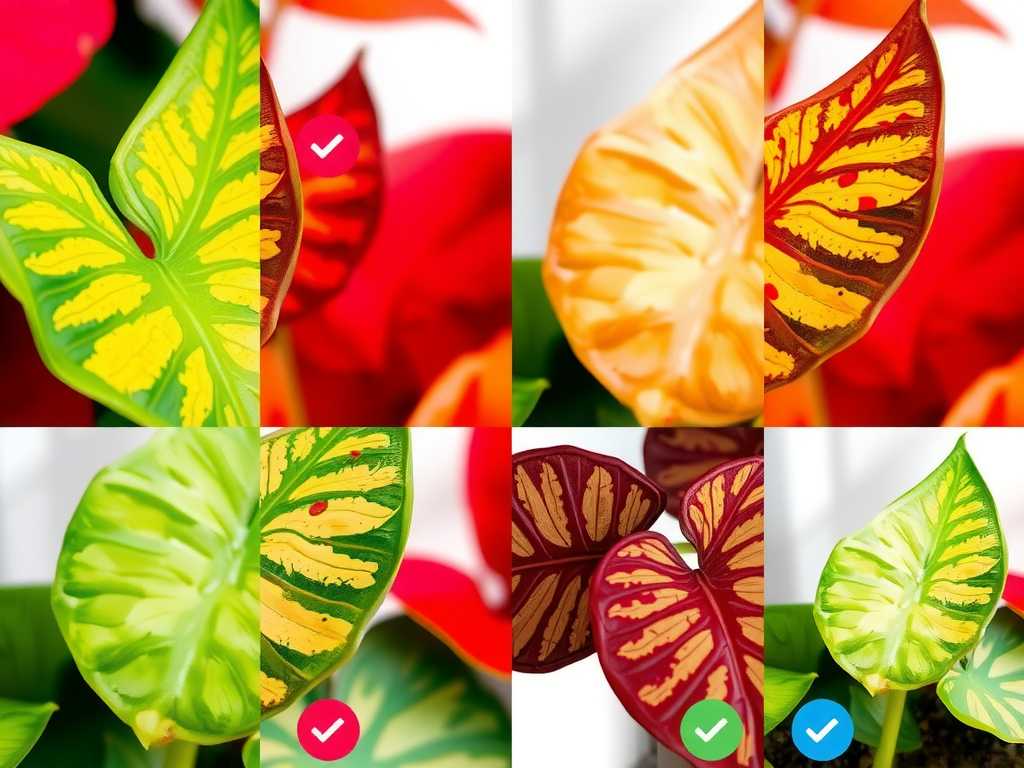
The Signs You're Getting It Wrong:
- Leaf Scorch (Too Much Direct Light): This was my 'White Queen's' fate. Within days, the beautiful white and green leaves developed crispy, brown patches and edges. The colors looked washed out, almost bleached. The Royal Horticultural Society (RHS) notes that leaf scorch is a clear physiological response to excessive light and heat, damaging the plant's cells beyond repair.
- Fading or Dull Colors (Insufficient Light): Later, overcorrecting, I shoved another caladium into a dim corner. The new leaves emerged smaller, and the spectacular red veins of my 'Red Flash' turned a muddy, dull green. The plant was stretching its stems, becoming "leggy," as it desperately searched for a light source.
- Slow Growth or No New Leaves (Severe Light Deprivation): A caladium in deep shade will essentially go on strike. It won't put energy into new growth, leaving you with a static, often declining, plant.
The American Horticultural Society's (AHS) Heat Zone map, while focused on temperature, indirectly underscores light's role. Caladiums thrive in warm, consistently bright environments without thermal stress—conditions that mimic that perfect forest floor light.
My 2-Week Light Correction Experiment
I decided to turn my failures into a controlled experiment. I selected three caladiums showing clear signs of light stress and committed to a 14-day correction plan. I documented everything daily.
Plant 1: The Sunburned Patient ('White Queen' with brown scorch marks)
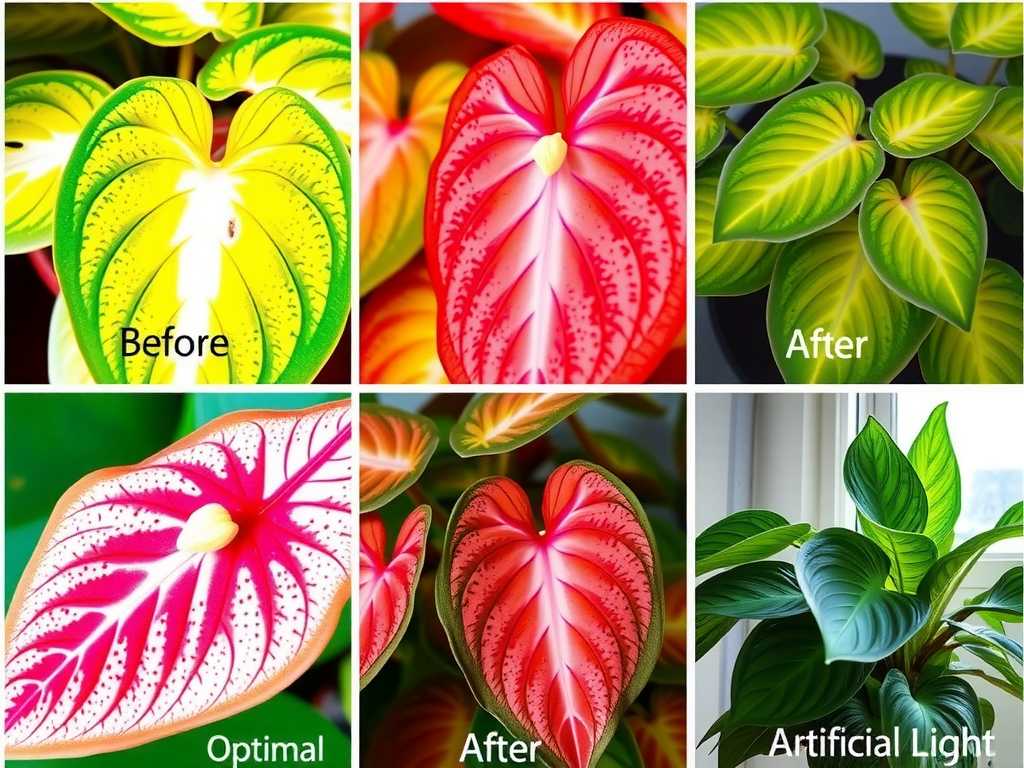
- Initial State: Two main leaves with significant crispy browning, color fading.
- Action Taken (Day 1): I moved it immediately from the south-facing window to a spot about 8 feet back in the same room, where it received only bright, ambient light from the same window. No direct sunbeams touched it.
- The "Pitfall & Fix" Moment: By Day 3, I panicked. The scorched patches didn't heal (they never will), and the plant looked the same. I was tempted to move it again or overwater it. Fix: I practiced patience. I snipped off the most severely damaged leaf (over 50% damaged) to redirect energy, but left a partially damaged one. I focused on perfecting my watering—only when the top inch of soil was dry—and ensured humidity was high with a pebble tray.
- Observations & Results (Day 7-14): By Day 7, the remaining partially damaged leaf stabilized. The true victory came around Day 12: a tiny, tightly furled new leaf spike emerged from the tuber. By Day 14, it had unfurled slightly, showing pristine, bright white and green patterns with no trace of burn. Success metric: New, healthy growth.
Plant 2: The Leggy, Faded Patient ('Red Flash' in a north-facing room)
- Initial State: Long, weak stems, small leaves, dull red coloration.
- Action Taken (Day 1): I relocated it to an east-facing bathroom window. This spot received gentle, direct morning sun for about 1-2 hours, followed by bright indirect light the rest of the day. The natural humidity from the shower was a bonus.
- The "Pitfall & Fix" Moment: On Day 5, I noticed the very tips of the oldest leaf looked a bit dry. I feared morning sun was also too strong. Fix: Instead of moving the plant, I used a simple sheer curtain as a filter. This diffused the morning rays perfectly, protecting the leaves while still providing that crucial light intensity boost.
- Observations & Results (Day 7-14): The change was remarkable. Within a week, the existing leaves seemed to "perk up," and the red veins appeared richer and more defined. The stems stopped elongating abnormally. By the end of the two weeks, two new leaves were on the way, and they promised to be larger and more robust than the previous ones. Success metric: Improved color intensity and cessation of leggy growth.
Creating the Perfect Indirect Light Environment at Home
You don't need a greenhouse. Finding the right light for caladiums is about observation and sometimes, simple hacks.
-
Window Direction is Key:
- East-Facing: The gold standard. Gentle morning sun is usually safe and beneficial.
- West-Facing: Use with caution. Afternoon sun is harsher. Place the plant several feet away from the window or use a sheer curtain.
- South-Facing: Potentially problematic. Keep caladiums well back in the room (3-8 feet) or use a filtering blind. Never on the sill.
- North-Facing: Often too dim. Reserve for the very greenest varieties, or supplement with grow lights.
-
The Hand Shadow Test: This is my go-to, everyday tool. On a bright day, hold your hand about a foot above the caladium's leaves. Look at the shadow on the leaves.
- Soft, fuzzy shadow edges = Perfect bright indirect light.
- Sharp, defined shadow = Too direct. Move the plant.
- Very faint or no shadow = Too dark. Find a brighter spot.
-
Using Grow Lights as a Supplement: For dark apartments or winter months, LED grow lights for caladiums are a game-changer. I use a simple, full-spectrum LED panel. The key is to set it on a timer (12-14 hours on) and position it about 12-18 inches above the plant. This provides consistent, controllable "indirect" light without the risk of burn.
Ongoing Care Synergy: Water and Humidity in Relation to Light
Light doesn't work in a vacuum. It directly impacts your watering schedule and humidity needs.
- Watering: A caladium in bright, optimal light will use water faster than one in low light. My corrected 'Red Flash' started needing water more frequently. Always check soil moisture; don't water on a fixed schedule. Overwatering in low light is a fast track to tuber rot.
- Humidity: Higher light (and warmth) can increase transpiration. I found my plants in their new, brighter spots appreciated the boosted humidity from their pebble trays even more. Aim for 60%+ humidity for optimal leaf health and size.
Will scorched caladium leaves recover? No, the damaged, crispy tissue is dead and will not turn green again. The best course of action is to carefully trim away the badly damaged portions for aesthetics, or remove the entire leaf if it's mostly damaged. The plant's energy will then be redirected to producing new, healthy leaves, which is exactly what you want to see.
Can a caladium with all-green leaves (no color) ever get its variegation back? If the loss of color is due to prolonged low light, then yes, improving the light conditions can lead to more vibrant color in subsequent new leaves. However, the existing all-green leaves will remain green. They may also be smaller. The new growth is your indicator of success. Sometimes, certain varieties or individual tubers are simply less stable and may revert; ensuring excellent light gives you the best chance of maintaining their showy patterns.
Are grow lights as good as natural light for caladiums? For maintaining healthy growth and good color, yes, modern full-spectrum LED grow lights are excellent. They can be even better than inconsistent natural light in some homes, as you can control intensity and duration perfectly. The key is to choose a light with a good spectrum (including blues and reds) and not place it too close, as some LEDs can still cause light stress if the intensity is too high. Think of them as a reliable supplement or substitute, not a compromise.
Getting the light right for your caladiums transforms them from finicky divas into resilient, stunning showstoppers. It's the foundation upon which all other care rests. My two-week journey taught me more than any generic care sheet could: patience is required, observation is critical, and sometimes the fix is as simple as a few feet of space or a sheer curtain. By learning to read your plant's signals and providing that sweet spot of bright, indirect illumination, you're not just avoiding common mistakes—you're unlocking your caladium's full, breathtaking potential. Now, go find that perfect spot for your leafy friend.





