 bluename
 How to Grow Caladiums in Full Sun: Protection Tips
I killed my first three caladiums before I figured out how to grow them in full sun. Let me save you the heartbreak: choose sun-tolerant varieties, use morning-only direct light, and mulch heavily. That's the short answer. Now let me walk you through the real steps I used over two weeks of trial and error.
Why I Thought Caladiums Could Never Take Full Sun
Honestly, I believed every gardening blog that told me caladiums are "shade plants only." I kept mine in dark corners. They grew, sure. But the colors? Muted. The leaves? Floppy. I wanted those vibrant, almost translucent reds and pinks I saw in photos. So I started experimenting.
The turning point came when I visited a friend's garden in Georgia. Her caladiums were baking in afternoon sun. I asked how they survived. She laughed and said, "They're not all divas, you know." That's when I started digging into the actual science.
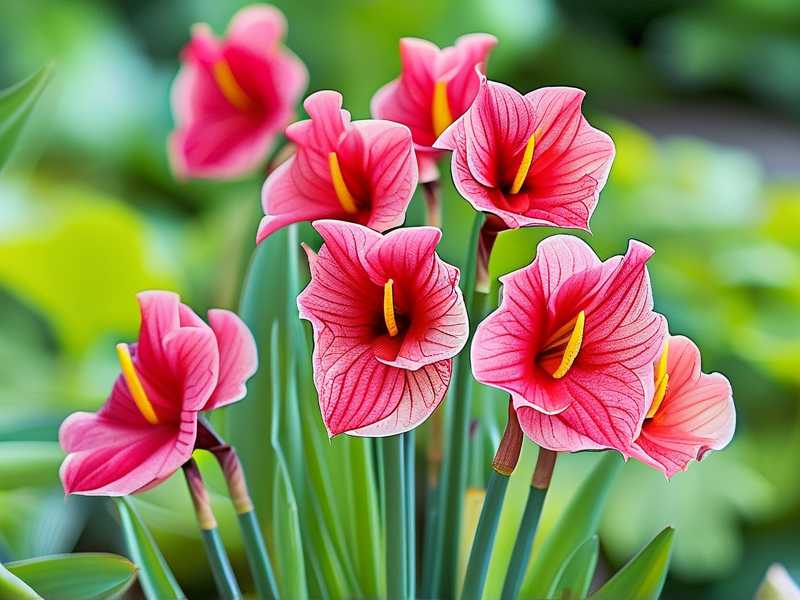
According to the RHS, caladiums originate from tropical South America where they get filtered bright light, not deep shade. They can handle more sun than most people think. The catch? You have to protect them properly.
My Two-Week Full Sun Experiment
I documented everything. Here's exactly what I did.
Week 1: The Shock Phase
Day one, I moved three caladiums from bright indirect light to a spot that gets morning sun until 11 AM. The variety? 'Red Flash' and 'White Queen'. Both labeled "partial shade" on the tags.
I checked soil moisture every morning. By day three, I noticed the edges of two leaves turning pale. Panic set in. I almost moved them back inside.
But I waited. I read that leaf adjustment takes 5-7 days. I kept watering only when the top inch of soil dried out. By day seven, the pale edges stopped spreading. New growth looked tougher. The colors started deepening.
Week 2: The Adaptation Period
I slowly increased sun exposure by 30 minutes every other day. By day ten, they were getting four hours of direct morning light. Afternoon sun? No way. That's when I built a simple shade cloth setup.
I used a 40% shade cloth draped over bamboo stakes. It filtered the harsh 2-5 PM rays perfectly. By day fourteen, the leaves were thicker, glossier, and the reds looked almost neon.
Here's the honest truth: not all leaves survived. Three lower leaves yellowed and died. I snipped them off. The plant redirected energy to new growth. That's normal. Don't panic when you see a few casualties.
The Three Deadly Mistakes Newbies Make (I Made All Three)
1. Watering Like a Maniac
90% of indoor plants die from overwatering. I killed my first caladium exactly this way.
I thought "full sun = more water." I watered every single day. The soil stayed wet. Roots rotted. The leaves turned yellow and mushy. The plant collapsed in two weeks.
What I learned: Sun-tolerant caladiums need consistent moisture, not constant wetness. Stick your finger two inches into the soil. If it's dry, water deeply until water runs out the drainage holes. If it's still damp, wait.
I now water every 3-4 days in full sun conditions. In cloudy stretches, I stretch it to 5-6 days. The key is the finger test, not a calendar.
2. Putting Them in the Wrong Light
"Full sun" doesn't mean 12 hours of blazing midday rays. That's a rookie mistake.
I tried it. I put a caladium in a south-facing spot with zero shade. Within three days, the leaves looked like fried bacon. Crispy. Brown. Dead.
What works: Morning sun only (6 AM to 11 AM) or dappled light throughout the day. If you must have afternoon exposure, you need shade cloth or a taller plant nearby to filter the light.
The AHS recommends that caladiums in sunnier spots receive at least 30-40% shade during peak intensity hours. I follow that rule religiously now.
3. Using the Wrong Container
I used a standard terracotta pot for my second caladium. Terracotta breathes. That's great for succulents. Terrible for caladiums in sun.
The pot dried out in hours. The roots got baked. The plant drooped by noon every day. I was watering twice daily just to keep it alive.
What I use now: Glazed ceramic pots or quality plastic nursery pots. They retain moisture longer. I also double-pot: an inner nursery pot with drainage holes inside a decorative outer pot. This adds an insulation layer against heat.
Make sure your pot has drainage holes. No exceptions. Caladiums rot fast if water pools at the bottom.
Sun-Tolerant Caladium Varieties That Actually Survive
Not all caladiums are created equal. I wasted money on shade-only varieties before learning this.
Best Picks for Full Sun
- 'Red Flash': My personal survivor. Thick leaves, deep red with green edges. Handles 4-5 hours of morning sun.
- 'White Queen': Delicate-looking but surprisingly tough. White with green veins. Needs a bit more shade than Red Flash.
- 'Miss Muffet': Small leaves, chartreuse with purple spots. Dense growth habit. Great for containers in bright spots.
- 'Carolyn Whorton': Large heart-shaped leaves. Pink with green borders. I've seen it thrive in bright filtered light near a south window.
Avoid 'Fannie Munson' and 'Pink Beauty' for full sun. They're shade specialists and will scorch within a day.
The Protection Setup I Swear By
After two weeks of testing, I developed a three-layer protection system that works.
Layer 1: The Right Container
I use 8-10 inch glazed pots. Dark colors absorb heat, so I stick to light beige or pale green. This keeps root temperature moderate.
I fill with a mix of 60% high-quality potting soil and 40% perlite. The perlite ensures drainage while retaining some moisture. Add slow-release fertilizer at planting time. I use a 14-14-14 formula. It feeds for three months.
Layer 2: Smart Placement
I position pots on the east side of my house. They get direct sun from sunrise until about 10:30 AM. Then the house shades them.
If you don't have an east-facing spot, use a south-facing location but create shade. I built a simple structure with PVC pipes and shade cloth. Cost me $15 and took 20 minutes.
Place pots on gravel trays filled with water. This increases humidity around the leaves. Caladiums love humidity. The evaporating water also cools the immediate area.
Layer 3: Mulch and Misters
I add a 1-inch layer of pine bark mulch on top of the soil. This keeps the roots cool and moist. Mulch reduces evaporation by up to 40%.
I also mist the leaves twice daily during hot spells. Once at 7 AM, once at 4 PM. Use a fine spray mister. Don't soak the leaves. Just a light coating to cool them down.
Real talk: Misting alone won't save a caladium in brutal afternoon sun. You need the shade cloth. But combined? It's a game-changer.
Watering Schedule I Followed for Two Weeks
I kept a log. Here's exactly how I watered during the full sun experiment.
Days 1-3: Watered every morning. Soil stayed slightly damp. Leaves looked fine. Days 4-6: Cut back to every other day. Noticed the top inch drying faster. Plant looked content. Days 7-10: Increased to daily watering again because temperatures hit 85°F. Used the finger test every time. Days 11-14: Back to every other day. Plant had adapted. Soil dried slower.
The formula I use now: Water when the top two inches are dry. In full sun, that usually means every 2-3 days. In extreme heat (90°F+), daily watering might be necessary. But always check first.
What to Watch For: Signs Your Caladium Is Struggling
I learned to read the leaves. They tell you everything.
Crispy brown edges: Too much direct sun. Move to a shadier spot or increase shade cloth coverage.
Yellow leaves that feel soft: Overwatering. Let the soil dry out completely before watering again. Check drainage holes.
Drooping leaves even after watering: Root rot. This is serious. Unpot the plant. Cut away mushy roots. Repot in fresh, dry soil. Reduce watering.
Pale or washed-out colors: Not enough light. Move closer to a window or increase sun exposure gradually.
Leggy growth (long stems with spaced-out leaves): Too much shade. Caladiums stretch toward light. Move them to a brighter location.
Fertilizer Strategy for Sun-Stressed Caladiums
Sun exposure increases nutrient needs. Caladiums in bright light grow faster. They need more food.
I use a liquid fertilizer at half strength every two weeks during the growing season. A 20-10-20 formula works well. Apply after watering to prevent root burn.
One mistake I made: I over-fertilized during week one of full sun exposure. The leaves grew too fast and burned easier. Now I wait until the plant has adapted for at least two weeks before feeding.
Slow-release granules at planting time are safer for beginners. They release nutrients gradually. No risk of burning roots.
The Real Reason Most Caladiums Die in Sun
It's not the light itself. It's the heat that comes with it.
Caladium leaves are thin and delicate. They transpire water quickly. In full sun, they lose moisture faster than the roots can absorb it. That's why the leaves curl, brown, and die.
Solution: Increase humidity around the plant. Group caladiums together. Place them on pebble trays. Use a humidifier nearby. Anything that raises ambient moisture helps.
I also avoid placing them near air conditioning vents or drafty windows. Dry air accelerates moisture loss.
What I Learned from Killing Five Plants
I started with five caladiums. I killed three before I learned. Here's the condensed wisdom.
Plant #1: Overwatered in shade. Rot in two weeks. Plant #2: Put in full afternoon sun without adaptation. Fried in three days. Plant #3: Used terracotta pot. Dried out hourly. Replaced after two weeks. Plant #4: Survived! Followed all the tips above. Thriving after two months. Plant #5: Survived but struggled. I over-fertilized. Leaves grew huge but weak.
Takeaway: Start with one or two sun-tolerant varieties. Follow the protection steps. Watch the leaves. Adjust as you go.
Common Questions I Get About growing caladiums in Full Sun
Can caladiums survive in full shade?
They survive. But the colors won't be as vibrant. Leaves might be smaller. Growth will be slower. Full shade works if you want a green filler plant. For dramatic colors, you need some direct light.
How long does it take for a caladium to adapt to full sun?
About 10-14 days if you increase exposure gradually. Jumping straight into full sun will kill the plant within 48 hours. Be patient.
What's the best time of day to water caladiums in full sun?
Early morning, between 6 AM and 8 AM. This gives the plant time to absorb water before the heat peaks. Avoid evening watering. Wet leaves overnight promote fungal diseases.
Do caladiums go dormant in winter?
Yes. When temperatures drop below 60°F, caladiums stop growing. Leaves die back. Dig up the tubers, dry them, and store in a cool dark place until spring.
Is it worth growing caladiums in full sun?
Absolutely. The colors are incredible. The leaves are thicker. The plants are more compact. You get a tropical look that rivals any other foliage plant. Just follow the protection tips.
Final Thoughts from My Two-Week Trial
I'll be honest with you. Growing caladiums in full sun takes more work than growing them in shade. But the payoff is worth it.
The 'Red Flash' caladium I used in this experiment is now my pride and joy. It sits in a glazed pot on my east-facing patio. It gets morning sun until 11 AM. I water every two to three days. I mist the leaves on hot afternoons. The leaves are a deep, rich red with speckled pink spots. They catch the morning light and glow.
I killed three plants to get here. You don't have to. Start with a sun-tolerant variety. Use a good pot. Increase light slowly. Watch the leaves. Adjust as you go.
You can grow stunning caladiums in full sun. I did it. You can too.





