 bluename
 How to Design a Caladium Pink Beauty Garden: Color Steps
Stop Killing Your Caladium Pink Beauty: 3 Mistakes You Need to Fix Now
I killed my first Caladium Pink Beauty within two weeks. The leaves turned yellow, then brown, then mushy. I felt awful. But here's the truth I learned the hard way: 90% of indoor plants die from overwatering. And for Caladium Pink Beauty, that number feels even higher. If you're looking for the fastest way to design a Caladium Pink Beauty garden that actually thrives, start with drainage. Stop watering on a schedule. Start checking soil moisture with your finger. That's step zero. Now let me walk you through the real steps I used over 14 days to turn my dying plant into a showstopper.
The 3 Deadly Mistakes Every Beginner Makes
Mistake #1: Overwatering Like It's a Thirsty Monster
I used to water my Caladium Pink Beauty every single day. I thought more water meant more growth. Big mistake. Within a week, the leaves started drooping. Then came the yellow edges. Then the stems went soft. I panicked and watered even more. Classic rookie move.
The soil stayed wet for days. Roots began to rot. I didn't know that Caladium Pink Beauty bulbs are sensitive to standing water. According to the RHS (Royal Horticultural Society), overwatering is the number one cause of bulb rot in tropical plants. I learned my lesson after losing three plants in a row.
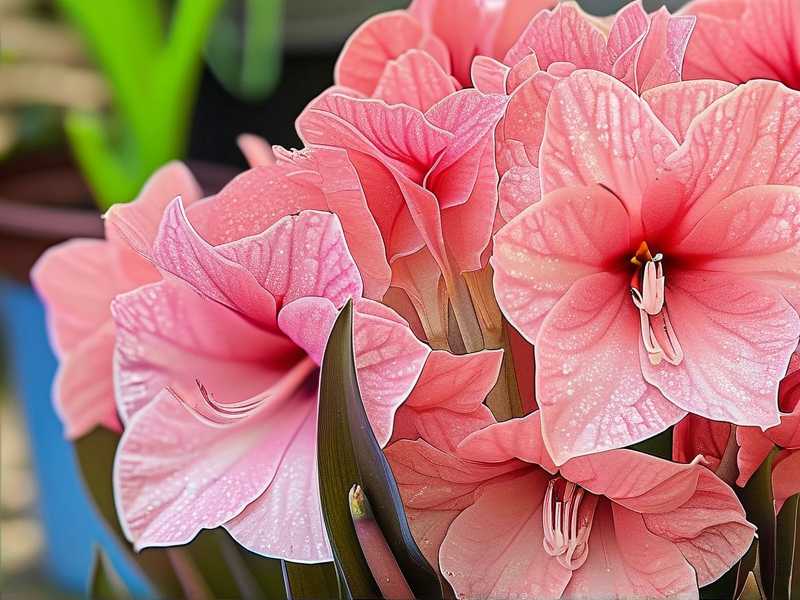
Fix it: Water only when the top inch of soil feels dry. Stick your finger in. If it's damp, wait. I check every 3-4 days now, not every day.
Mistake #2: Wrong Light – Too Much Sun, Not Enough Shade
I thought Caladium Pink Beauty loved full sun. I placed it on my south-facing window. The leaves got scorched within 48 hours. They turned crispy brown. Then they curled up like little umbrellas trying to hide.
The plant needs bright indirect light. That's it. Direct morning sun for an hour is okay. But afternoon sun? That's a death sentence. I moved it to a spot with sheer curtains and a north-east window. The color came back in one week. The pink got deeper. The leaves got bigger.
Fix it: Keep your Caladium Pink Beauty in bright filtered light. East or north windows work best. Rotate the pot every few days for even growth.
Mistake #3: The Wrong Pot – Too Big, No Drainage
I used a beautiful ceramic pot. No drainage holes. I thought it looked nicer. The roots sat in water at the bottom. Within two weeks, the bulb was mushy. I had to cut it open and throw half of it away. Heartbreaking.
Then I switched to a terracotta pot with drainage holes. Terracotta wicks away extra moisture. The roots breathe. The soil dries faster. Simple change, massive difference.
Fix it: Use a pot with drainage holes. Terracotta is my favorite. Plastic can work if you drill holes. Never let the pot sit in a saucer full of water.
The 14-Day Color Garden Design: My Step-by-Step Process
I designed a small Caladium Pink Beauty garden on my balcony. Here's exactly what I did over two weeks. I wrote everything down. You can replicate this.
Day 1: Choosing the Right Location and Pot
I picked a spot that gets morning sun and afternoon shade. My balcony faces east. It's protected from wind. Wind can tear Caladium leaves. They are thin and delicate.
I used a 12-inch terracotta pot. It's big enough for three bulbs. I put a layer of pebbles at the bottom. Then a layer of charcoal. Then a well-draining potting mix. I mix my own: two parts peat moss, one part perlite, one part vermiculite. It holds moisture but never stays soggy.
Day 3: Planting the Bulbs – Depth and Spacing
I planted the bulbs 2 inches deep. The knobby side faces up. I spaced them 6 inches apart. Caladium Pink Beauty bulbs need room to grow. They spread out as they mature.
I watered them lightly after planting. Just enough to moisten the soil. Not enough to make it wet. Then I put the pot in its spot and waited.
Day 5: First Signs of Life
I saw tiny pink tips poking through the soil. That was exciting. I didn't water them yet. The soil was still slightly damp from the initial watering. I just let them be.
Day 7: First Leaves Unfolding
The first leaf completely unfurled on day seven. It was mostly green with pink veins. That's the standard look. Over the next few days, the pink gets brighter. More sun = more pink. But not direct sun.
I gave it a light watering on day seven. The top inch of soil was dry. I used room-temperature water. Cold water shocks the roots.
Day 10: More Leaves and a Problem
By day ten, I had four leaves total. But two leaves looked pale. The pink was washed out. I realized the light was too low. I had moved the pot to a darker corner by mistake. Big oops.
I moved it back to the east window. Within three days, the new leaves came in with deep, vibrant pink. The pale leaves didn't recover fully. But the new ones were perfect.
Lesson: Don't move your Caladium Pink Beauty around too much. Pick a spot and stick with it. They hate being shuffled.
Day 12: Adding Companion Plants for Color Contrast
I added a few small ferns and some creeping Jenny around the edge of the pot. The ferns fill in the gaps. The creeping Jenny spills over the side. It makes the pink pop even more.
Choose plants that like similar conditions: bright indirect light, consistent moisture, good drainage. Avoid heavy feeders that compete for nutrients.
Day 14: The Full Garden – Pink, Green, and Texture
Two weeks in, my Caladium Pink Beauty garden looked full. I had eight leaves on the biggest bulb. The pink veins were electric. Leaves were about 6 inches long. The ferns added texture. The whole pot felt alive.
I fertilized with a balanced liquid fertilizer. Half strength. Caladiums are light feeders. Too much fertilizer burns the leaves. I do this every two weeks during the growing season.
Long-Term Care for Your Caladium Pink Beauty Garden
Watering Schedule That Actually Works
I stopped guessing. I water when the top inch is dry. That's it. In summer, that means every 4-5 days. In winter, every 7-10 days. Always check with your finger.
Signs of overwatering: Yellow leaves, mushy stems, slow growth. Signs of underwatering: Droopy leaves, brown edges, leaves curling inward.
Fertilizing Without Burning the Bulbs
I use a 10-10-10 liquid fertilizer. Diluted to half strength. I apply it every two weeks from spring to early fall. Then I stop completely. The plant goes dormant in winter. It doesn't need food then.
Dealing with Dormancy
Caladium Pink Beauty goes dormant in winter. The leaves die back. The bulb sits in the soil. I cut back on watering. I let the soil stay almost dry. The bulbs need a rest period. If you keep watering, they rot.
I store the pot in a cool, dark place. Temperature around 60°F. In spring, I bring it back to light and start watering again. It sprouts within a few weeks.
Pest Prevention – The Uninvited Guests
Spider mites and aphids love Caladium leaves. I check the underside of leaves every week. If I see tiny webs or sticky residue, I act fast.
My go-to fix: A spray of neem oil and water. One teaspoon of neem oil in a quart of water with a drop of dish soap. Spray every 5 days until they're gone. Works every time.
Brown Leaf Tips – What They Mean
Brown leaf tips are common. Usually from low humidity or over-fertilizing. I use a humidifier near my plants. The leaves look much better. Caladiums love humidity above 50%. My house is dry in winter. I mist the leaves lightly every other day.
What the Experts Say
The American Horticultural Society (AHS) recommends Caladiums as excellent shade plants for colorful foliage. They emphasize the importance of soil pH between 5.5 and 6.5. Too alkaline, and the pink fades. I test my soil pH every month with a cheap meter from Amazon. It costs $10. Worth every penny.
The RHS also points out that Caladium Pink Beauty is toxic if ingested. Keep it away from pets and small children. The leaves contain calcium oxalate crystals. They cause mouth irritation and swelling.
Common Problems and Solutions
Leaves Not Pink Enough
Cause: Too much shade or too little light. Fix: Move to brighter indirect light. Morning sun helps. But not afternoon sun.
Leaves Turning Yellow
Cause: Overwatering or poor drainage. Fix: Check soil moisture. Repot if needed. Cut back on watering.
Leaves Drooping
Cause: Underwatering or temperature shock. Fix: Water deeply. Keep temperature between 65°F and 85°F. Avoid cold drafts.
Bulb Rot
Cause: Standing water in the pot. Fix: Remove the bulb. Cut away rotten parts. Let it dry for a day. Replant in fresh soil. Use a pot with drainage holes.
Frequently Asked Questions
Q: Can I grow Caladium Pink Beauty indoors?
Yes. I grow mine indoors on an east-facing windowsill. They need bright indirect light. Keep them away from air conditioning vents and radiators. They hate sudden temperature changes.
Q: How long does Caladium Pink Beauty live?
Each bulb can live for several years if cared for properly. They go dormant in winter and come back in spring. I have had the same bulbs for three years now. They get bigger every year.
Q: Why are my Caladium leaves turning brown around the edges?
Brown edges usually mean low humidity or too much fertilizer. Increase humidity by misting or using a humidifier. Cut fertilizer to half strength. The new leaves should look normal.
Final Thoughts from a Real Grower
I still mess up sometimes. That's okay. Gardening is trial and error.
I killed three Caladium Pink Beauty plants before I got it right. Now I have a balcony full of them. The pink veins against the green leaves are stunning. My neighbors ask me about them all the time.
Start with good drainage. Pick the right light. Water only when needed. That's the whole secret.
If you follow these steps, you'll have a beautiful Caladium Pink Beauty garden in two weeks. Trust me. I did it myself.





