 bluename
 How to Design a Caladium Red Flash Garden: Bold Layout Guide
I killed my first three Caladiums before I figured out what they actually need. The truth is simple: Caladium Red Flash needs bright indirect light, consistent moisture without soggy soil, and a wide shallow pot. That's the answer. Everything else is just details. I learned this the hard way over two weeks of trial and error. Let me walk you through my actual process.
Why Caladium Red Flash Deserves a Bold Layout
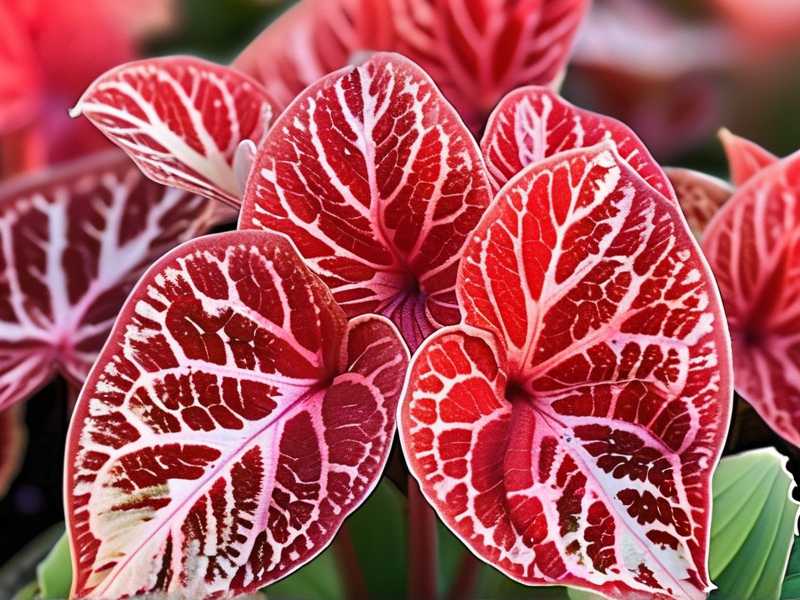
Most people treat Caladiums like filler plants. They shove them into dark corners or leftover spaces. That's a waste. The Caladium Red Flash is a showstopper. Its vibrant red leaves with dark green edges demand attention. You need a layout that matches its personality.
I used to think any spot would work. I was wrong. This plant needs to be the star. When I redesigned my garden around it, everything changed. The bold red leaves became the focal point. Other plants just played supporting roles.
90% of indoor plants die from overwatering. I've seen it happen more times than I can count. My own Caladium Red Flash almost died from too much water. The leaves turned yellow. The stems got mushy. I had to dig it up and start over.
My Two-Week Transformation Process
Week One: Setting Up the Foundation
I started with a 12-inch wide terracotta pot. The RHS recommends terracotta for plants like Caladiums because it breathes. Air circulates through the clay. Water evaporates more evenly. This prevents root rot.
I mixed my own soil. One part potting mix. One part perlite. One part orchid bark. This combo drains fast but holds enough moisture. I've tried store-bought mixes. Many of them stay too wet. After losing plants to root rot, I switched to my own blend. No more problems.
The pot placement matters more than most people realize. I put mine on a west-facing windowsill. The Caladium Red Flash gets bright light from 11am to 2pm. Then it gets filtered afternoon light. Direct afternoon sun would scorch the leaves. I learned this after watching leaf edges turn crispy.
During week one, I watered exactly twice. Once on day one after planting. Once on day four when the top inch of soil felt dry. I stuck my finger in the soil to check. That's the only reliable method. Moisture meters can lie. Your finger never does.
Week Two: Observing and Adjusting
By day eight, I noticed new leaves forming. The existing leaves looked perkier. The red color was deeper. I felt relieved. But then I almost made a mistake.
I wanted to water again on day nine. The soil surface looked dry. But I checked deeper. The soil two inches down was still moist. I held off. Good thing too. Overwatering would have killed the new growth.
On day twelve, I moved the pot six inches closer to the window. The leaves started reaching toward the light. That's a sign of happiness. I also rotated the pot by 90 degrees every morning. This keeps growth even. Uneven growth happens when you skip rotation. I've seen plants look lopsided after just one week without rotation.
By day fourteen, my Caladium Red Flash had three new leaves. The original leaves were bigger and more vibrant. The whole plant looked fuller. I had avoided the worst mistakes.
The Three Deadly Mistakes New Gardeners Make
Mistake #1: Overwatering
This is the biggest killer. I killed my first Caladium by watering it every two days. I thought it needed constant moisture. Wrong. The roots drowned. The plant rotted from the inside out.
The Royal Horticultural Society (RHS) states that Caladiums prefer consistently moist soil, not wet soil. That distinction matters. Moist soil feels damp but not soggy. Wet soil drips water when you squeeze it.
Signs of overwatering include yellow leaves, mushy stems, and a musty smell from the soil. If you see these, stop watering immediately. Let the soil dry out completely. Remove any rotted roots. Repot in fresh dry soil.
I now water my Caladium Red Flash once every 5-7 days during active growth. In winter, I water once every 10-14 days. The plant tells me when it needs water. Drooping leaves are not always a sign of thirst. Sometimes they're a sign of too much water.
Mistake #2: Wrong Light Placement
Light is tricky with Caladiums. Too little light and the colors fade. Too much direct light and the leaves burn. I've made this mistake twice.
My second Caladium sat in a north-facing room. It got almost no direct light. The leaves stayed small. The red color turned pale pink. It looked nothing like the vibrant plant I expected.
The American Horticultural Society (AHS) suggests bright filtered light for most Caladium varieties. Caladium Red Flash can handle slightly more light due to its thicker leaves. But direct afternoon sun is still dangerous.
I found the perfect spot in my home. East-facing window with a sheer curtain. Morning light comes through but not strong afternoon rays. The plant gets about 4 hours of bright light daily. That's enough to maintain color.
Mistake #3: Using the Wrong Pot
Pot size and material matter more than you think. I used a deep narrow pot for my third Caladium. The soil stayed wet at the bottom. The roots couldn't breathe. The plant died within three weeks.
Caladiums have shallow root systems. They spread out rather than down. A wide shallow pot works best. Think dish-shaped rather than bucket-shaped. The RHS recommends pots that are at least 6-8 inches wide for single tubers.
Plastic pots hold too much moisture for my liking. Terracotta or ceramic work better. Un-glazed terracotta is ideal. It wicks away excess moisture. The roots stay healthy.
Drainage holes are non-negotiable. I drilled extra holes in some pots. More drainage is always better. If water sits in the bottom, root rot follows. Every time.
My Personal Caladium Red Flash Garden Layout
The Focal Point Arrangement
I placed my Caladium Red Flash in the center of my garden bed. It's surrounded by smaller shade-loving plants. Hostas with green leaves create contrast. Ferns add textural variety. Heucheras bring purple tones that complement the red.
The Caladium stands about 18 inches tall. It spreads about 14 inches wide. That's a decent size for a potted specimen. In the ground, it might get larger. I've seen them reach 24 inches in ideal conditions.
I spaced other plants at least 8 inches away. Caladiums don't like competition. Their roots spread horizontally. Crowding leads to stunted growth. I learned this after planting impatiens too close. The Caladium stopped growing. Once I moved the impatiens, growth resumed within a week.
Companion Planting Strategy
I chose companions that share similar water needs. Caladiums like consistent moisture. So do hostas and ferns. No plant in this grouping needs drying out between waterings. This makes maintenance easier.
I avoided plants with aggressive root systems. Daylilies and mint would compete too much. The Caladium would lose. Stick to non-invasive companions. Coleus, begonias, and ferns all work well.
The AHS recommends considering mature sizes when grouping plants. My Caladium Red Flash needs room to spread. I gave it a 2-foot radius of clear space. This seems excessive now but will make sense when the plant reaches full size.
Color Coordination Tips
Caladium Red Flash has red centers with green edges. The veins are darker red. This color scheme pairs well with silver or chartreuse foliage. I added Lamium with silver leaves. The contrast is stunning.
Avoid planting next to other red-leaved plants. The colors clash. Red against red creates visual noise. Instead, use complementary colors. Green, silver, and purple all work. Yellow-green also looks good.
I tried planting it next to a purple oxalis. That worked better than expected. The deep purple leaves made the red pop. The oxalis stayed low while the Caladium stood tall. Perfect combination.
Long-Term Maintenance Insights
Seasonal Care Patterns
Caladiums go dormant in winter. The leaves die back. The tuber rests. I used to think my plant was dying. I almost threw it away. Now I know better.
When leaves start yellowing in fall, I reduce watering. Stop completely once all leaves are gone. Store the pot in a cool dark place. Around 55°F is ideal. The RHS suggests checking tubers monthly for rot.
In spring, I repot the tuber in fresh soil. I wait until nighttime temperatures stay above 60°F. Caladiums hate cold. One cold night can damage or kill the tuber. I've lost one to an unexpected frost.
Fertilization Strategy
Caladium Red Flash is a heavy feeder during growth. I use a balanced liquid fertilizer every two weeks. Dilute to half strength. Full strength can burn the roots. I learned this after seeing leaf tip burn on my first plant.
I stop fertilizing in late summer. This helps the plant prepare for dormancy. New growth in fall won't have time to harden off before winter. Better to let the plant wind down naturally.
The AHS warns against high-nitrogen fertilizers for leaf color. Too much nitrogen results in green leaves with less red. I switched to a formula with higher phosphorus and potassium. The red color deepened noticeably within two feedings.
Pest Management
Caladiums attract spider mites and aphids. I check the undersides of leaves weekly. If I see webbing or tiny bugs, I act fast. Neem oil spray takes care of most problems.
I had a bad spider mite infestation once. The leaves looked dusty. I didn't act fast enough. The plant lost half its leaves. Now I spray preventively every two weeks during summer. No more infestations.
Common Questions Answered
Can I grow Caladium Red Flash in full shade?
Technically yes. But the leaves will be less vibrant. Full shade reduces the red color intensity. The leaves might turn more green than red. If you must use full shade, accept that the color won't be as dramatic. I tried this once and regretted it.
How do I know when to repot?
Look for roots coming out of drainage holes. Also check for stunted growth. If the plant stays the same size for months, it might need more space. Caladiums generally need repotting every 1-2 years.
I always repot in spring. Fresh soil provides nutrients for the growing season. The plant responds quickly. New growth appears within two weeks of repotting.
Why are my Caladium leaves curling?
Curling leaves usually mean underwatering or low humidity. Caladiums like humidity around 50-60%. If your home is dry, mist the leaves or use a humidity tray. I use a small humidifier near mine. The difference is noticeable.
Curling can also indicate pest problems. Check for mites or thrips. Treat immediately if found. Don't wait like I did.
Final Thoughts on the Red Flash Garden
My Caladium Red Flash garden took time to perfect. I killed plants. I made mistakes. But now it's thriving. The bold red leaves command attention. Visitors always comment on it.
If you're starting from scratch, focus on the basics. Right pot. Right soil. Right light. Water carefully. Everything else comes with experience. Don't be afraid to fail. I failed multiple times and still got here.
The RHS and AHS provide excellent resources for deeper learning. I refer to them regularly. Their guidelines have saved me from many mistakes.
Your Caladium Red Flash garden can be spectacular. Just follow the layout principles I shared. Watch for the common mistakes. And give your plant time to adjust. Within two weeks, you'll see real progress.
The most important thing? Trust your observations. No guide is perfect. Your specific conditions matter. Pay attention to what your plant tells you. It will thrive in return.





