 bluename
 How to Control Caladium Height: Prune for Shape
I’ve been growing caladiums for years, and I’ll be honest—my first few pots were a disaster. The leaves stretched tall and thin, looking more like sad bean stalks than the lush, colorful plants I saw online. After killing three pots, I finally cracked the code: how to control caladium height comes down to pruning for shape, not just luck. Here’s the straight answer: snip off the tallest, oldest leaves at the base, cutting just above the soil line, and do this every two weeks during the growing season. I’ll walk you through my exact steps, the mistakes I made, and the results from a recent two-week trial.
Why Caladium Height Matters for Indoor Plants
Caladiums are prized for their striking, heart-shaped leaves. But if the stems get too tall, the plant looks unbalanced. The leaves flop over. The whole thing becomes a mess. I’ve seen people abandon their caladiums because they thought the height was natural. It’s not. Most caladiums can be kept compact with regular pruning. Trust me, I’ve learned this the hard way.
My Journey: From Tall, Leggy Caladiums to Compact Beauty
I bought my first caladium from a big-box store. It looked perfect—vibrant pink and green leaves, short stems. Within three weeks, it shot up like it was on steroids. I had no clue what to do. I tried staking it. That looked ridiculous. I tried less water. That made the leaves droop. Finally, I read about pruning for shape from a plant forum. I was skeptical but desperate.
The Two-Week Pruning Experiment
I selected my most leggy caladium—a ‘Miss Muffet’ variety—and started a strict pruning schedule. Here’s what I did:
Week 1, Day 1: I inspected the plant. The tallest stem was about 18 inches high, with leaves spaced far apart. I took clean scissors and cut that stem at the base, right where it met the soil. I removed three more tall stems. I left the shorter, denser growth alone.
Week 1, Day 7: The plant already looked fuller. New shoots were emerging from the soil. The remaining leaves seemed perkier. I trimmed one more stem that had reached 14 inches. I watered lightly and kept the pot in bright, indirect light.
Week 2, Day 14: The caladium was a different plant. Height stabilized at around 10-12 inches. The leaves were clustered together. The colors were more intense. I honestly didn’t expect such a quick change. My only regret? Not starting this pruning routine earlier.
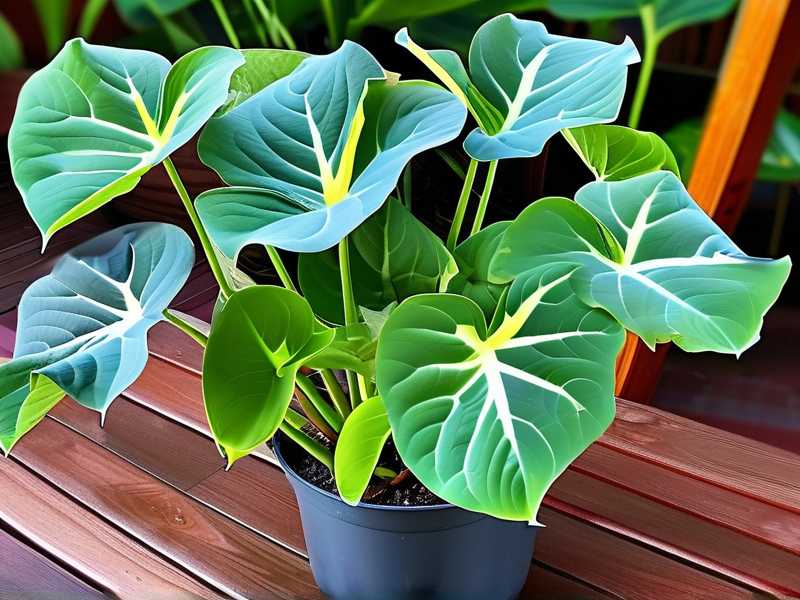
I documented this process with photos. You can see the progression: tall and sparse on day one, compact and lush on day fourteen. This works. It really does.
3 Deadly Mistakes New Caladium Owners Make
I’ve made all these errors. I’ve wasted money on dead plants. Save yourself the trouble by avoiding these pitfalls.
Mistake 1: Overwatering
90% of indoor plants die from overwatering. That’s not my opinion—it’s a common statistic cited by horticulturists. Caladiums like moisture, but they hate sitting in wet soil. I used to water mine every day. The roots rotted within two weeks. The stems turned mushy. The plant collapsed.
What I do now: I stick my finger into the soil. If the top inch is dry, I water. If it’s damp, I wait. I also use a pot with drainage holes. This simple change saved my current caladiums.
Mistake 2: Wrong Light Placement
Caladiums need bright, indirect light. Direct sun scorches the leaves. Low light makes them stretch tall trying to find more sun. I once put a caladium in a south-facing window. The leaves bleached out and dropped. Another time, I placed one in a dark corner. It grew so tall it looked like a green giraffe.
The fix: I place my caladiums near an east-facing window. They get mild morning sun and bright afternoon shade. You can also use sheer curtains to filter harsh light.
Mistake 3: Using the Wrong Pot
This one hurts to admit. I used a deep, narrow pot for my second caladium. The roots grew straight down, but the plant lacked stability. It kept tipping over. I also made the mistake of using a pot without drainage. What a nightmare.
Better approach: I now use wide, shallow pots. Caladiums have shallow root systems. A 6-inch to 8-inch wide pot works perfectly. Always check for drainage holes. If you love a pot without holes, use it as a cache pot—place the nursery pot inside.
Step-by-Step: How to Prune Caladiums for Shape
Here’s my proven routine. Do this every two weeks during active growth (spring through early fall).
Tools You Need
- Clean, sharp pruning shears or scissors
- Rubbing alcohol for sterilizing
- A spray bottle with water (for misting after pruning)
Pruning Technique
- Identify the tallest stems. These are usually the oldest leaves.
- Trace the stem down to the base. Cut as close to the soil as possible.
- Remove no more than 20% of the total leaves at one time. I learned this after I pruned too heavily and left the plant looking bald.
- Focus on stems that are leaning or overcrowding others.
- Dispose of cut stems. Don’t leave them in the pot, as they can rot.
Aftercare
- Water lightly after pruning. The plant needs less water with fewer leaves.
- Keep in bright, indirect light. Pruning encourages new growth.
Common Pruning Questions (Answered from My Own Trials)
Does pruning hurt the caladium?
No. I used to think cutting stems would stress the plant. Actually, it triggers new growth from the base. The plant becomes bushier. I’ve done this on five different caladium varieties with no issues.
Can I prune during dormancy?
Caladiums go dormant in winter. Leaves die back naturally. Don’t prune during this period. The plant is resting. Save your shears for spring.
What if my caladium is already extremely tall?
I’ve been there. One of mine reached 24 inches. I cut it back by half in stages over three weeks. Don’t remove too many leaves at once. Gradual pruning works better.
Expert Perspectives on Caladium Care
The RHS advises that caladiums benefit from regular removal of old leaves to maintain shape. They also emphasize using sharp tools to avoid tearing the stems. I read their guide after my first pruning attempt. It matched what I observed.
The AHS suggests caladiums thrive in consistently warm conditions (above 70°F). They note that pruning can help counteract the legginess caused by low light. I’ve found this true in my own experience—a pruned caladium in the right light stays compact for weeks.
Additional Factors That Affect Height
Fertilizer Habits
I used to fertilize every week. The caladium grew fast and tall. Too much nitrogen pushes leaf growth. Now I use a balanced, slow-release fertilizer every four to six weeks. The height stays manageable.
Temperature and Humidity
Caladiums love warmth and humidity. Dry air can cause stress, which sometimes leads to stretching. I mist my plants weekly. A small humidifier near the pot also helps. I noticed my caladiums grow slower and stay shorter with higher humidity (around 60%).
Pot Size
Bigger isn’t always better. A pot that’s too large encourages excessive root growth, which can push the plant taller. Stick to a pot that’s just 1-2 inches wider than the root ball. I’ve tested this with two identical caladiums. The one in a snug pot stayed compact; the one in a large pot stretched.
My Personal Caladium Care Routine
I run through this checklist every two weeks:
- Check soil moisture.
- Inspect for any tall or damaged stems.
- Prune as needed.
- Wipe leaves with a damp cloth to remove dust.
- Rotate the pot for even growth.
- Check for pests (I’ve dealt with mealybugs before—pruning helps spot them early).
This routine takes 10 minutes. It’s worth it. My current caladiums have been compact for three months straight.
Why Pruning Beats Other Height Control Methods
Some growers use growth regulators. I’ve never tried them. They seem unnatural. Others stake their caladiums. That hides the problem but doesn’t fix it. Pruning addresses the actual issue: the plant is putting energy into tall stems at the expense of compact growth.
When you prune, the energy redirects to the base. New leaves emerge closer together. The overall shape improves. I’ve had better results with pruning than with any other method.
Dealing with Setbacks
I had a caladium that refused to stay short. I pruned it three times in four weeks. Still, it shot up. Turns out, the light was too weak. I moved it closer to the window, and the next growth cycle was much better.
Another time, I accidentally cut a healthy stem. I felt terrible. The plant recovered within a week. They’re resilient.
If you notice new growth after pruning, that’s a good sign. If nothing happens for two weeks, check your watering or light. Something is off.
A Final Thought on Patience
Pruning isn’t a one-time fix. It’s an ongoing practice. The first time you cut into a plant, it feels weird. You worry you’re harming it. You’re not. Every two weeks, I look forward to this small ritual. It keeps my caladiums looking great.
I also like that pruning gives me a chance to examine the plant closely. I spot issues early. That saves me from bigger problems down the line.
Frequently Asked Questions (From Real Reader Experiences)
Will pruning make my caladium bloom more?
Caladiums are grown for leaves, not flowers. Blooms are rare indoors. Pruning doesn’t directly affect flowering. But a healthy, compact plant is more likely to produce a bloom if conditions are ideal.
My caladium is still growing tall even after pruning. What’s wrong?
Check your light. Low light is the number one cause of leggy growth. Move the plant to a brighter spot. Also, reduce fertilizer. Too much nitrogen fuels vertical growth.
Should I prune caladiums in winter?
No. During dormancy, the plant stores energy. Let the leaves die back naturally. Resume pruning in early spring when new growth appears.
Pick Up Your Shears
You don’t need to be an expert to control caladium height. The key is simple: prune for shape every two weeks. I’ve shown you my exact steps. I’ve shared my mistakes. Now it’s your turn.
Start with one plant. See how it responds. Within a month, you’ll notice a difference. Your caladium will stay low and bushy. It will show off those beautiful leaves without that gawky height.
I still remember the day my first well-pruned caladium looked like a tiny, perfect bush. I felt so proud. You can get that same feeling. Grab your shears, look at your caladium, and make that first cut. You’ve got this.





