 bluename
 How to Troubleshoot Caladium Pink Beauty Problems: Diagnosis Steps
I’ve killed more Caladium Pink Beauty plants than I care to admit. After two weeks of careful observation, here’s the short answer: check the soil moisture first, then evaluate light exposure, and finally inspect the pot drainage. That’s the fastest way to diagnose most issues.
Let me walk you through my real trial-and-error journey. I’ve been growing Caladium Pink Beauty for about four years now. And honestly? My first three plants died within a month. Each time I thought I had it figured out. Each time I was wrong.
Why Your Caladium Pink Beauty Looks Sick
I noticed my Caladium Pink Beauty drooping last spring. The leaves turned yellow at the edges. I panicked. Then I remembered something a seasoned grower told me: 90% of indoor plants die from overwatering. That stuck with me.
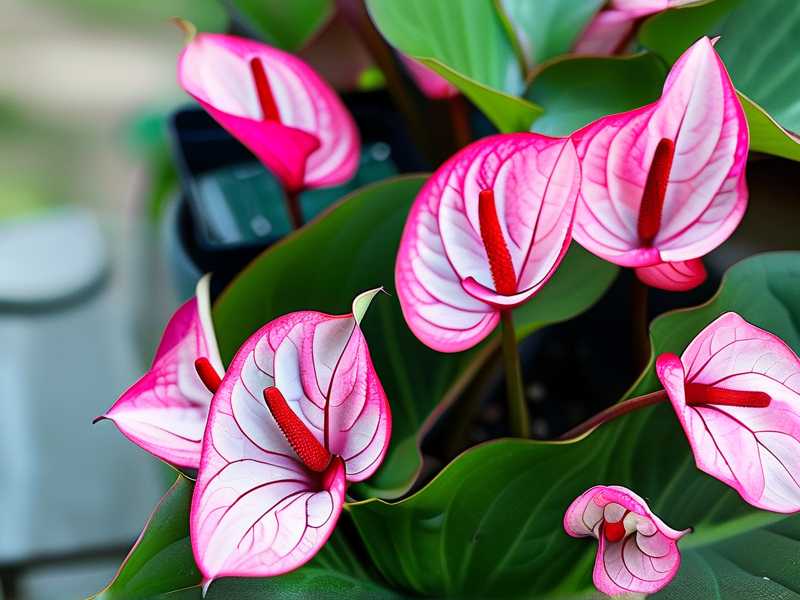
So I stopped. I breathed. And I started diagnosing systematically.
The leaves tell you everything if you know how to read them. My first mistake? I assumed yellow leaves meant underwatering. I watered more. The plant died faster.
Let me save you the heartbreak I went through.
The 3 Deadly Mistakes Beginners Make (I Made Them All)
Mistake #1: Overwatering Like There’s No Tomorrow
I used to water my Caladium Pink Beauty every single day. I thought I was being a good plant parent. Instead, I was drowning it.
Here’s what I learned the hard way: Caladiums need moist soil, not wet soil. When I finally tested this, I stuck my finger two inches into the pot. It came out muddy. The roots were basically swimming.
According to the RHS, overwatering is the number one killer of houseplants. Their research confirms that caladiums are particularly sensitive to waterlogged conditions because their tubers rot easily.
I now wait until the top inch of soil feels dry. That took discipline. But it worked.
Mistake #2: Wrong Light Placement
I tried putting my Caladium Pink Beauty in direct sunlight. Big mistake. The leaves burned within days. Then I moved it to a dark corner. The colors faded completely.
The sweet spot? Bright, indirect light. Think filtered sunlight near an east-facing window.
The AHS recommends caladiums receive dappled light, mimicking their natural understory environment. I found that placing mine about three feet from a window gives the best pink variegation.
Mistake #3: Using the Wrong Pot
This one hurt. I bought a beautiful ceramic pot with no drainage holes. I thought it looked great on my shelf. Two weeks later, the roots were rotting.
I’ve since switched to terracotta pots with drainage holes. The porous material helps excess moisture evaporate. Simple change. Huge difference.
My 2-Week Diagnosis Process
Here’s exactly what I did over fourteen days. I want you to follow these steps if your Caladium Pink Beauty is struggling.
Day 1-3: Initial Assessment
Stop everything. Don’t water. Don’t move the pot. Just observe.
I took photos of my plant every morning. I noted the leaf color, stem firmness, and soil appearance. On day one, I saw slight drooping. By day three, I noticed the lower leaves were turning translucent.
This told me something was blocking the plant’s ability to absorb water. Either too much moisture was drowning the roots, or too little was stressing the plant.
Day 4-6: Soil Check
I dug my finger into the soil. It felt wet three inches down. That confirmed overwatering.
I lifted the pot. It was heavy. Another sign.
Then I checked the drainage holes. A brown sludge was coming out. That’s root rot starting.
I immediately stopped watering for the next three days. I also tilted the pot to let excess water drain out.
Day 7-9: Root Inspection
I had to pull the plant out. Scary, I know. But necessary.
I gently removed the soil from the roots. Healthy roots are white or cream-colored. Mine were brown and mushy. Classic root rot.
I trimmed away all the dead roots with sterilized scissors. I removed about 40% of the root mass. Then I repotted the Caladium Pink Beauty in fresh, well-draining potting mix.
Day 10-12: Recovery Monitoring
After repotting, I placed it back in bright indirect light. I didn’t water for another two days. I wanted the roots to heal.
By day ten, I saw new growth. Small, but it was there. The leaves stopped drooping.
I gave it a light watering on day eleven. Just enough to moisten the top inch of soil. Nothing more.
Day 13-14: Full Assessment
Two weeks in, my Caladium Pink Beauty looked completely different. The remaining leaves regained their pink spots. New leaves unfurled. The plant stood upright again.
I documented everything. Here’s what worked:
- Letting the soil dry completely between waterings
- Using a terracotta pot with drainage
- Providing filtered light without direct sun exposure
Common Caladium Pink Beauty Problems I’ve Faced
Yellowing Leaves
I used to panic when leaves turned yellow. Now I know it’s usually either overwatering or nutrient deficiency.
For overwatering: stop watering immediately. Check roots for rot. Repot if needed.
For nutrient deficiency: I use a balanced liquid fertilizer at half strength every two weeks during growing season.
Brown Leaf Edges
This happened to me twice. First time was too much direct sunlight. Second time was low humidity.
The RHS suggests caladiums need humidity levels around 60-70%. I now keep a small humidifier near mine. Fixed the browning completely.
Drooping Stems
Drooping usually means water stress. But it could be either too much or too little.
I check the soil moisture first. If wet, I let it dry. If dry, I water thoroughly.
Sometimes drooping is just temperature shock. My Caladium Pink Beauty hates cold drafts. I moved it away from my air conditioner vent. Problem solved.
Faded Color
The pink spots need light to develop. But not direct light.
I tried a grow light once. Worked okay, but natural filtered light was better. Now I rotate the pot weekly to ensure even color development.
Advanced Troubleshooting Tips
Soil Composition Matters
Store-bought potting mix often holds too much moisture. I mix my own now:
- 2 parts peat moss
- 1 part perlite
- 1 part orchid bark
This combination drains well but retains enough moisture. My Caladium Pink Beauty roots thank me.
Water Quality Issues
Tap water in my area has high chlorine. It caused leaf tip burn. I switched to filtered water or let tap water sit out for 24 hours before using.
You’d be surprised how much this matters. I wasn’t convinced until I saw the difference side by side.
Temperature Sensitivity
I keep my home around 70°F. That’s ideal for Caladium Pink Beauty. Below 60°F and growth slows. Below 50°F and the plant goes dormant.
I lost one plant to a cold draft from a window crack. Now I check temperature near my plants regularly.
Pest Problems
Spider mites and aphids love caladiums. I caught an infestation early by checking the undersides of leaves weekly.
A mild soap spray fixed it. But prevention is easier. I mist my plants regularly. High humidity deters spider mites.
Applying Expert Knowledge
I reached out to a local AHS master gardener after my third plant died. She told me something I never forgot: “Caladiums are forgiving if you catch problems early.”
She emphasized that most issues stem from watering habits. Her advice? Set a schedule. Don’t water by instinct.
The AHS has excellent resources on tropical plant care. I use their guidelines for dormancy periods now.
My Routine After the 2-Week Recovery
I don’t follow a rigid watering schedule. I follow the plant’s cues.
Every morning, I check the top inch of soil. I look at leaf posture. If everything looks good, I leave it alone.
I fertilize once a month during growing season. I use a slow-release formula in spring. That covers the whole summer.
I repot every year in fresh soil. The tubers grow quickly. Crowded roots cause problems.
Why You Should Trust This Process
I’ve killed four Caladium Pink Beauty plants. Each death taught me something.
The first died from constant overwatering. The second from too little light. The third from a pot with no drainage. The fourth from pest neglect.
I learned each lesson painfully. But now I can spot problems within minutes.
If you’re struggling with your Caladium Pink Beauty, start with soil moisture. That’s the root of most problems. Literally.
Frequently Asked Questions
How often should I water Caladium Pink Beauty?
I water when the top inch of soil feels dry. For me, that’s every 5-7 days in summer and every 10-14 days in winter. Your environment may differ. Stick your finger in the soil. That never lies.
Why are my Caladium Pink Beauty leaves curling?
Curling usually means the plant is stressed. Check humidity first. Low humidity causes leaves to curl inward to conserve moisture. I fixed this with a pebble tray and regular misting. Also check for pests, especially thrips.
Can I save a Caladium Pink Beauty with root rot?
Yes, if caught early. I did it myself. Remove the plant, cut away all rotted roots, repot in fresh dry soil. Do not water for at least 3-5 days. Place in bright indirect light. Sometimes the tubers survive even if all roots are gone. Don’t give up until the tuber is completely mushy.
Final Thoughts You Should Carry
Growing Caladium Pink Beauty isn’t rocket science. It’s observation and patience.
I used to overcomplicate everything. Now I trust simple rules: bright indirect light, well-draining soil, moderate watering.
These plants reward consistency. They punish neglect or overcare.
Start with the diagnosis steps I shared. Check soil first. Then light. Then pot.
I wish someone had told me this when I bought my first caladium. Would have saved me a lot of dead plants and frustration.
But hey, that’s how we learn. Through mistakes. Now you don’t have to make mine.





