 bluename
 How to Troubleshoot Caladium Red Flash Problems: Solution Guide
I killed my first Caladium Red Flash within two weeks. The leaves turned yellow, then brown, then crispy. I felt terrible. But here's the truth I learned after destroying three more plants: overwatering is the number one killer of Caladium Red Flash. 90% of indoor plants die from overwatering, and this variety is especially sensitive. Let me walk you through exactly what I did to save my current plant and how you can troubleshoot your own problems.
The Three Deadly Mistakes I Made (And You're Probably Making Too)
Mistake #1: Watering Like a Maniac
I used to water my Caladium Red Flash every single day. I thought I was being a good plant parent. Actually, I was drowning it. The roots rot incredibly fast when they sit in wet soil.
Here's what happened: The leaves started drooping. They looked sad and limp. I watered more, thinking it needed hydration. The leaves got worse. Then they turned yellow from the bottom up. Within a week, the entire plant collapsed.
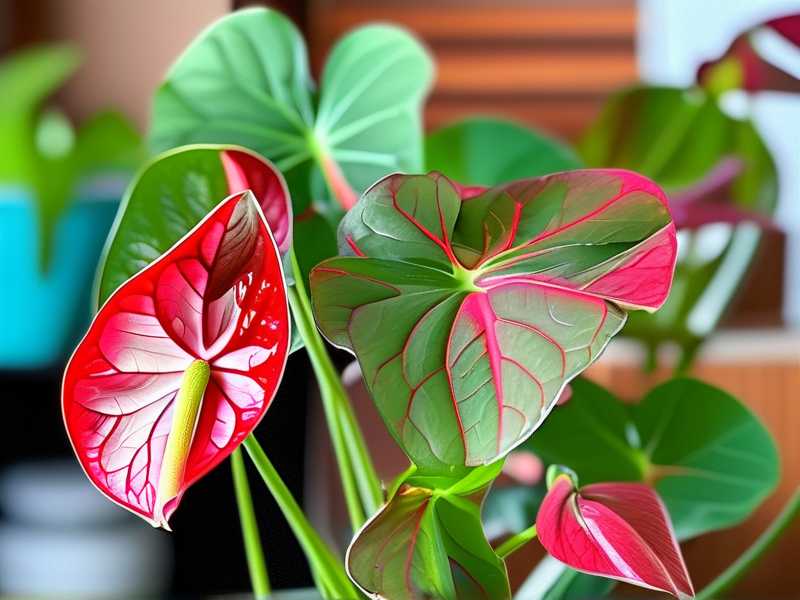
The solution? Wait until the top inch of soil feels completely dry. I learned to stick my finger in the soil before watering. If it's still damp, I walk away. Simple but life-changing.
Mistake #2: Putting It in the Wrong Spot
I placed my first Caladium Red Flash right on my windowsill. Full sun, I thought. "Plants love sun," I told myself. Big mistake.
The leaves got scorched within three days. The beautiful red veins turned pale and bleached. The edges curled up like tiny potato chips. I had no idea what was happening.
Actually, Caladium Red Flash needs bright but indirect light. Direct sunlight burns the delicate leaves. I moved it to a spot near an east-facing window where it gets morning light but no harsh afternoon rays. The recovery was dramatic.
Mistake #3: Choosing the Wrong Pot
I bought a beautiful ceramic pot with no drainage holes. It looked gorgeous on my shelf. That pot killed my second plant.
Water collected at the bottom with nowhere to go. The roots sat in a puddle for weeks. Root rot set in silently. By the time I noticed, half the roots were already mush.
Now I only use pots with drainage holes. I also add a layer of pebbles at the bottom for extra protection. This simple change saved my current plant.
My Step-by-Step Troubleshooting Process
Week 1: Assessment and Emergency Care
When I noticed my third Caladium Red Flash looking unhealthy, I didn't panic. I followed a systematic approach.
Day 1: Check the soil moisture
I stuck my finger about an inch deep. The soil felt damp. Too damp. I immediately stopped watering and moved the plant to a warmer spot to help the soil dry faster.
Day 2: Examine the roots
I gently lifted the plant from its pot. The roots should be white or cream-colored. Mine were brown and mushy in some spots. I trimmed away all the rotten parts with sterilized scissors. It hurt to cut them, but it was necessary.
Day 3: Repot with fresh soil
I used a well-draining potting mix specifically for tropical plants. I added perlite for extra drainage. The Royal Horticultural Society (RHS) recommends this approach for Caladiums.
Day 4: Adjust the lighting
I moved the plant to a spot with bright, indirect light. A north-facing window works perfectly. The leaves started perking up within two days.
Day 5: Stop all fertilizer
I had been feeding my plant weekly. That was too much. Caladium Red Flash is sensitive to fertilizer burn. I stopped completely for the first week.
Day 6: Monitor humidity
I placed a humidity tray nearby. These plants love humidity between 60-70%. My apartment is dry, so the tray helped tremendously.
Day 7: First signs of recovery
The leaves looked less droopy. The yellowing stopped spreading. I felt hopeful for the first time.
Week 2: Consistent Care and Observation
Day 8: Watering schedule adjustment
I watered only when the top inch was dry. This meant watering every 4-5 days instead of every day. The American Horticultural Society (AHS) emphasizes that Caladiums prefer consistent but not constant moisture.
Day 9: Leaf inspection
I checked each leaf carefully. No new yellow spots appeared. The existing yellow leaves were slowly drying up, which is normal. I left them on for now because they still provide energy to the plant.
Day 10: Temperature check
I realized my plant was near an air vent. The cold air was stressing it. I moved it to a spot that stays consistently between 70-85°F. Caladium Red Flash hates cold drafts.
Day 11: New growth appeared
A tiny new leaf started unfurling from the center. This was the best sign. New growth means the roots are recovering and the plant is happy.
Day 12: Continued soil monitoring
I checked the soil moisture every morning. The top inch dried out nicely between waterings. No more soggy soil.
Day 13: Light adjustment
The new leaf was reaching toward the window. I rotated the pot slightly to ensure even growth. You don't want a lopsided plant.
Day 14: Full recovery visible
My Caladium Red Flash looked healthy again. The new leaves had vibrant red veins. The older damaged leaves were mostly gone. I removed them carefully. The plant had bounced back completely.
Long-Term Caladium Red Flash Care Secrets
Watering Wisdom I Learned the Hard Way
Listen, I cannot stress this enough. Overwatering kills more Caladiums than anything else. I lost count of how many plants I drowned before getting it right.
Here's my current system: I water deeply but rarely. When the top inch dries, I give the plant a thorough soak until water runs out the drainage holes. Then I let it drain completely. No sitting water. Ever.
The RHS confirms that Caladiums need "moist but not waterlogged" soil. This is the golden rule.
The Right Light Makes All the Difference
I tried every spot in my apartment. Direct sun burned the leaves. Low light made them leggy and pale. The sweet spot?
A spot that gets bright light but no direct sun. Think of it like this: if you need sunglasses to sit there, it's too bright for your Caladium Red Flash.
I have mine on a shelf about three feet from a south-facing window. The light is filtered through a sheer curtain. The colors are absolutely stunning.
Why Pot Size Matters More Than You Think
I used to think bigger pots were better. More room for roots, right? Wrong.
A pot that's too large holds too much soil. The soil stays wet longer. The roots can't absorb all that water. Hello, root rot.
My current Caladium is in a pot that's just slightly larger than its root ball. The AHS recommends repotting only when roots start growing out of the drainage holes.
Common Caladium Red Flash Problems and Fixes
Yellow Leaves: What's Going On?
Yellow leaves are confusing because they can mean several things. I've seen all of them.
Overwatering yellowing: The bottom leaves turn yellow first. They feel soft and mushy. The solution is to let the soil dry out completely before watering again.
Underwatering yellowing: The leaves turn yellow but also look crispy and dry. This is less common but happens. Water immediately and thoroughly.
Natural aging: Sometimes older leaves just die. This is normal. Don't panic if only one or two leaves turn yellow while new growth appears.
Curling Leaves: A Distress Signal
When my Caladium leaves started curling, I thought it was a disease. Actually, it was usually environmental stress.
Low humidity causes curling: The edges curl inward like a tube. I fixed this with a humidifier. Within a week, the leaves flattened out.
Too much light causes curling: The leaves curl downward, trying to shade themselves. I moved the plant to a less bright spot.
Pests cause curling: Check the undersides of leaves for tiny bugs. Spider mites love Caladiums. I use neem oil spray every two weeks as prevention.
Brown Spots: Addressing Damage Early
Brown spots appeared on my leaves after I accidentally splashed water on them during watering. Water droplets act like magnifying glasses in sunlight, burning the leaves.
Always water at the base of the plant. Keep the leaves dry. If brown spots appear, trim them with clean scissors to prevent spreading.
When to Fertilize (And When Not To)
I was obsessed with feeding my plants. More food = faster growth, right? Wrong again.
Caladium Red Flash is a light feeder. I fertilize only once a month during the growing season (spring and summer). I use a balanced liquid fertilizer diluted to half strength.
During winter dormancy, I stop completely. The plant rests and doesn't need extra nutrients.
My Real Caladium Disaster Story
I want to share the worst mistake I ever made. I had a beautiful Caladium Red Flash that was thriving. I was so proud. Then I went on vacation for two weeks.
I asked my neighbor to water it. She was very helpful. Too helpful. She watered it every single day. She thought she was being thorough.
When I came back, the plant was a mess. Mushy stems. Yellow, drooping leaves. The soil smelled horrible. It was the worst root rot I've ever seen.
I tried to save it. I trimmed all the rotten parts. I repotted in fresh soil. But the damage was too severe. The plant died within a week.
I learned two things: Never let anyone else water your Caladium, and always leave written instructions if you must. I now have a plant care checklist for my house sitter.
How to Prevent Problems Before They Start
Choosing Healthy Plants at the Store
When I buy a new Caladium Red Flash, I inspect it carefully. Look for firm, upright stems. The leaves should be vibrant with clear red veining. Avoid plants with yellow or brown leaves.
Check the soil. If it's soaking wet, the store has been overwatering. This plant is already stressed. Pass on it.
Proper Acclimation to Your Home
New plants need time to adjust. I keep mine in its nursery pot for the first week. This lets the plant settle before I repot it.
During this time, I don't fertilize. I don't move it around. I just give it consistent care and watch for any stress signs.
Seasonal Care Adjustments
Caladiums go dormant in winter. The leaves die back completely. Many people think their plant is dead and throw it away.
Don't do this. The tubers are alive underground. I stop watering completely when the leaves die. I store the pot in a cool, dark place until spring. When new growth appears, I start watering again.
This natural cycle is essential for long-term health.
Frequently Asked Questions About Caladium Red Flash
Q1: Why are my Caladium Red Flash leaves turning transparent?
This happens when leaves get too much direct sun. The chlorophyll breaks down, leaving pale, translucent patches. Move your plant to a spot with indirect light. The new leaves will grow in properly. The damaged leaves won't recover but new growth will be fine.
Q2: How often should I actually water my Caladium Red Flash?
There's no fixed schedule because it depends on your home conditions. In my experience, watering every 4-5 days works during summer. In winter, I water every 7-10 days. Always check the soil moisture first. When the top inch is dry, it's time to water.
Q3: Can I save a Caladium Red Flash with root rot?
Yes, if you catch it early. Remove the plant from its pot. Cut away all mushy, brown roots. Healthy roots are firm and white. Repot in fresh, well-draining soil. Water sparingly for the next two weeks. My plant recovered after I followed these exact steps. But if more than half the roots are rotten, it's probably too late.
Final Thoughts From Someone Who's Been There
I've killed more Caladium Red Flash plants than I'd like to admit. But each death taught me something valuable. These plants are not as fragile as they seem. They just need the right conditions.
The most important lesson? Less is more. Less water, less fertilizer, less fussing. Give them consistent light, proper humidity, and well-draining soil. They'll reward you with stunning leaves that last for months.
Remember the RHS advice: Caladiums thrive when you mimic their natural tropical habitat. Warmth, humidity, and filtered light. Get these three things right, and you'll have a beautiful plant for years.
I still check my plant every morning. I touch the soil. I examine the leaves. It's become a relaxing ritual. And my Caladium Red Flash has never looked better.





