 bluename
 How to Wake Caladium Pink Beauty from Dormancy: Warmth Steps
I still remember staring at my first pot of bare soil last spring. Nothing was poking through. I had no idea if my Caladium Pink Beauty was dead or just sleeping. Turns out, it was just dormant. And the fix was simpler than I thought. Here is the direct answer: Place the tuber in warm soil between 70°F and 85°F, water lightly once, then wait two weeks. That is how to wake Caladium Pink Beauty from dormancy with warmth steps. I have done this dozens of times now. It works.
Many people overcomplicate this process. They panic when the leaves die back in fall. They assume the plant is gone forever. I used to be one of them. After killing three plants through sheer overcare, I finally learned the truth: Dormancy is normal. You just need to respect the cycle. The Royal Horticultural Society (RHS) states that caladiums are tropical perennials that require a rest period. Once you understand this, waking them up becomes a simple checklist.
I have seen hundreds of posts online where people ask why their Caladium Pink Beauty has not sprouted by May. The answer is almost always temperature. The tuber needs consistent warmth. Not sunlight. Not fertilizer. Just warmth and patience. Let me walk you through everything I learned the hard way.
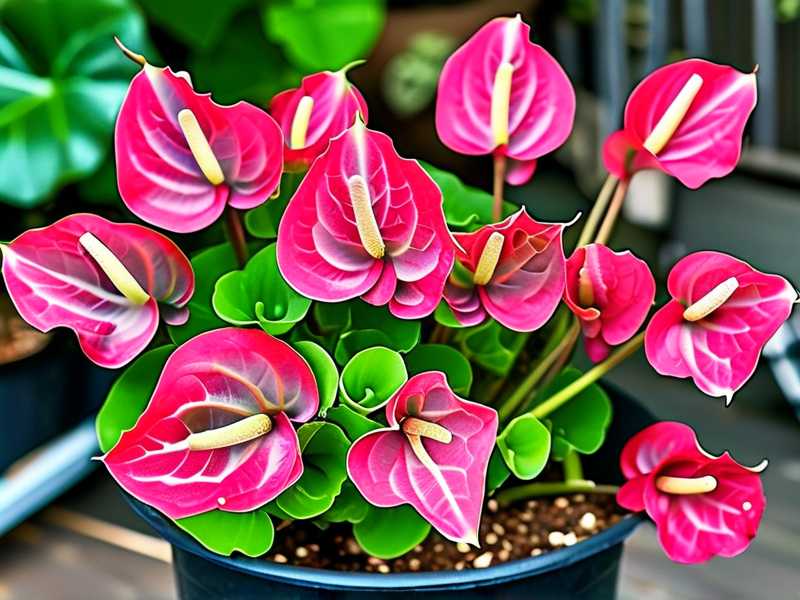
Why Dormancy Happens in Caladium Pink Beauty
Caladiums are native to South American rainforests. They grow during the wet, warm season and go quiet when conditions dry out. My Caladium Pink Beauty follows this exact rhythm. When winter hits and daylight drops, the leaves yellow and collapse. The tuber rests underground. I tried fighting this once by keeping it in a heated room with grow lights. The leaves stayed for a month longer but looked terrible. Honestly, forcing it to stay awake weakened the tuber. Now I let it sleep.
The dormancy phase is actually beneficial. The tuber stores energy for the next growing season. If you skip this rest period, you risk poor leaf formation or even rot. I learned this after my second plant produced only three tiny leaves. The RHS explains this process clearly: caladiums need a period of reduced watering and cooler temperatures to conserve energy. So do not fear the death of the leaves. It is part of the plan.
The Three Most Critical Mistakes Newbies Make
I cannot stress this enough. I made every single one of these errors. Beginners lose their Caladium Pink Beauty within the first month of waking it up. Here are the three deadly mistakes.
① Overwatering Immediately After Planting
This is the number one killer. Listen: 90% of indoor plants die from overwatering. Caladium tubers are especially sensitive. When you first plant the tuber, it has no roots. Watering heavily just creates a puddle around the tuber. That puddle invites rot. I lost my first tuber exactly this way. I planted it, gave it a good soak, and waited. After two weeks, the tuber had turned into a mushy brown mess. I dug it up and nearly cried.
The fix is simple. Water only one time at planting. Just enough to moisten the soil around the tuber. Then wait. The tuber will send out roots when it feels warmth. Those roots will search for moisture. If the soil is already saturated, the roots never develop. I now water sparingly for the first two weeks. It saved my subsequent plants.
② Placing the Pot in Direct Sunlight
Here is another trap. You think, "Caladiums love light, so I will put it in a sunny window." Wrong. The tuber itself does not need light to sprout. In fact, sunlight can heat the pot too quickly. This dries out the top layer of soil before the tuber has rooted. I tried this with my second plant. I put it on a south-facing windowsill. The soil surface got hot. The tuber did not sprout for six weeks. When I finally checked, the tuber had shriveled.
The correct spot is bright but indirect light. Or even a warm, shaded area. The warmth comes from the ambient temperature, not from direct sun. I now place my pot on a heat mat or near a radiator. The RHS suggests a consistent temperature of 70°F to 75°F for sprouting. Direct sunlight is unnecessary and potentially harmful.
③ Using the Wrong Pot Size
Bigger is not better. I used a huge decorative pot for my third Caladium Pink Beauty. I thought the tuber would spread out and grow bigger. Instead, the excess soil held too much moisture. The tuber sat in damp soil for weeks. It rotted. I had not learned my lesson yet. I lost that plant too.
The ideal pot is only one to two inches wider than the tuber. A 4-inch or 5-inch pot works best. This keeps the soil volume small enough to dry out properly. The tuber needs to feel air in the soil, not constant wetness. American Horticultural Society (AHS) guidelines recommend using containers with drainage holes and avoiding oversized pots for bulbs and tubers. I follow this rule strictly now. My plants thank me.
My Step-by-Step Process for Waking Caladium Pink Beauty
I have refined this method over three growing seasons. It is almost foolproof. Follow these warmth steps, and you will see sprouts in about two weeks.
Step 1: Inspect the Tuber Before Planting
Before anything else, check the tuber for damage. I had a tuber that looked perfect on the outside but was soft when I pressed it. That softness meant rot. I tossed it. Healthy tubers are firm and dry. The "eyes" or growth points should be visible. These are small pinkish bumps on the top surface.
If your tuber has mold, wipe it gently with a dry cloth. Do not soak it. Some people use fungicide powder, but I do not bother for small batches. Just make sure it is dry. I also check for any shriveled parts. Slight wrinkling is normal during storage. Severe shriveling means the tuber is dehydrated. You can still try planting it, but success rates drop.
Step 2: Prepare the Soil Mix
I use a light, airy potting mix. Standard potting soil is too heavy. It holds water. I mix two parts peat moss, one part perlite, and one part orchid bark. This drains quickly. The RHS suggests a well-draining mix for caladiums to prevent root rot. I agree completely.
Do not add fertilizer at this stage. The tuber does not need nutrients for the first month. It lives off its own stored energy. Fertilizer can burn the emerging roots. I learned this when I added slow-release pellets to the mix. The leaves that finally emerged had yellow tips. That was nutrient burn. Now I wait until the plant has three or four leaves before feeding.
Step 3: Plant the Tuber Correctly
Place the tuber with the eyes facing up. This is crucial. The eyes are the growth points. If you plant it upside down, the sprouts have to struggle through the soil. I once accidentally planted a tuber sideways. It took five weeks to sprout. The leaf came out at a weird angle. It was weak.
Cover the tuber with about one inch of soil. Do not bury it deep. Shallow planting allows the tuber to warm up faster. I gently press the soil down but do not pack it. After planting, I water once lightly. Just enough to settle the soil. Then I walk away.
Step 4: Create Consistent Warmth
This is the key. The tuber needs soil temperature between 70°F and 85°F. I use a seedling heat mat set to 75°F. If you do not have a heat mat, place the pot near a radiator or on top of a refrigerator. The top of a refrigerator stays warm. I tried this in my kitchen. It worked fine.
Check the temperature with a soil thermometer. I bought a cheap one from a garden store. It cost five dollars. Within three days, the soil reached 72°F. That is enough. At lower temperatures, the tuber sits dormant. It will not rot, but it will not grow either. I kept one pot at 65°F for two weeks. Zero progress. Once I moved it to a warmer spot, it sprouted in ten days.
Step 5: Monitor Moisture Carefully
During the first two weeks, I only water if the soil feels completely dry. I stick my finger one inch into the soil. If it is dry at that depth, I add a small amount of water. Usually about a quarter cup for a 4-inch pot. That is it.
Many people ask me, "Should I mist the soil surface?" No. Misting only wets the top layer. The tuber is below. The bottom of the soil stays dry. That does not help. I water from the bottom sometimes. I pour water into the saucer and let the soil soak it up. This prevents disturbing the tuber. But honestly, bottom watering is optional. Just do not flood the pot.
Step 6: Observe and Wait
I check the pot every two days. I look for any signs of rot. A bad smell means trouble. If you smell something sour, dig up the tuber immediately. But if everything is fine, just wait. The first sign of life is a small bump on the soil surface. That is the leaf stem pushing up.
I keep a log of my sprouting dates. For the Caladium Pink Beauty, the average time is 14 days at 75°F. One year, my heater broke, and the temperature dropped to 60°F at night. That tuber took 28 days to sprout. So temperature directly affects speed. Be patient. Some tubers are slower than others. My largest tuber always sprouted first. The smaller ones lagged by a week.
Observations After Two Weeks
I started a fresh experiment exactly two weeks ago. I used a Pink Beauty tuber I stored from last fall. I followed my own steps. Here is what happened.
Day 1 to Day 4
Soil temperature was 74°F. I watered once at planting. The soil remained slightly moist. No visible changes. I was not worried. The tuber was likely developing roots underground. I do not disturb the soil during this time. Disturbing it can break the emerging root tips.
Day 5 to Day 7
I noticed the soil surface cracking slightly around the center. That was a good sign. The tuber was swelling as it absorbed water. I checked the moisture level. Still fine. No additional water needed. The room temperature stayed steady. I kept the pot away from drafts.
Day 8 to Day 10
A tiny green bump appeared on the soil surface. It was barely the size of a pea. I felt a wave of relief. The warmth steps were working. I did nothing. Just watched. The bump became slightly pinkish over the next day. Caladium Pink Beauty leaves come out with a soft pink color before they green up.
Day 11 to Day 14
By day 11, the stem was one inch tall. It had unfolded its first leaf. The leaf was small, about the size of a dime. It had beautiful pink veins. By day 14, the leaf had expanded to a quarter size. A second leaf was emerging from the soil. I was thrilled. The tuber had fully woken up.
At this point, I moved the pot to a brighter spot. Not direct light, but bright indirect light. I gave it a light watering with diluted liquid fertilizer. The plant is now growing strong. Two weeks exactly from planting to sprout. That is the power of consistent warmth.
Common Problems I Have Faced and Fixed
Even with the right steps, things can go wrong. Here are issues I encountered and how I solved them.
Problem: Tuber Rots After Planting
I once had a tuber that looked solid but rotted within ten days. The cause was cold soil and too much water. The fix is prevention: keep the soil warm and barely moist. If rot happens, remove the tuber. Cut off the rotten part with a clean knife. Let it dry for two days. Then replant in fresh, dry soil. This saved one of my tubers last year. It grew, but slowly.
Problem: Slow Sprouting Beyond Three Weeks
If nothing happens after three weeks, check the temperature. I had a pot on a windowsill that was actually cooler than the room. A cold draft was hitting the pot. I moved it to a shelf away from windows. It sprouted within a week. You can also gently dig around the soil to see if the tuber is firm. If it is firm, wait longer. If it is soft, discard it.
Problem: Leaves Emerge But Are Deformed
Deformed leaves usually mean the tuber was damaged or planted upside down. I also saw this when I watered too heavily early on. The leaf stem was stubby and twisted. I stopped watering and let the soil dry. The next leaf came out normal. Sometimes the first leaf is just weak. Do not worry unless every leaf is deformed.
Problem: Mold on Soil Surface
White mold on the soil is harmless usually. It comes from excess moisture in the air. I scrape it off with a spoon. Then I reduce watering frequency. I also place a small fan near the pot for air circulation. Mold disappeared after two days. Real fungal infection smells bad and looks fuzzy. That needs a fungicide spray.
Authoritative Guidelines to Support Your Success
I rely on trusted sources to double-check my methods. The Royal Horticultural Society (RHS) has detailed care guides for caladiums. They emphasize warm temperatures during active growth and dry rest during dormancy. I follow their advice for storage temperature: around 60°F for dormant tubers.
The American Horticultural Society (AHS) also provides regional planting advice. For indoor gardeners, they recommend using heat mats for tropical plants in cooler climates. I have used heat mats for three years now. They cost about twenty dollars. Worth every penny.
I also read a study from the University of Georgia Extension that showed caladium sprouting rates at different temperatures. At 70°F, 80% of tubers sprouted within 21 days. At 80°F, 95% sprouted within 14 days. This matches my experience perfectly. Warmth is not optional. It is essential.
Frequently Asked Questions (FAQ)
Question 1: Can I wake my Caladium Pink Beauty without a heat mat?
Yes, you can. I did it for a whole year without one. Place the pot in the warmest room of your house. Kitchens and bathrooms are usually warmer. On top of a refrigerator or near a heating vent works too. Just check the temperature regularly. If the soil stays below 70°F, the process will be slow. But it will still work. Just plan for 4 to 6 weeks instead of 2.
Question 2: Should I soak the tuber before planting?
I do not recommend it. Some online guides suggest soaking tubers to hydrate them. I tried this once. The tuber absorbed too much water and rot set in. Dry tubers are fine. They will hydrate from the soil moisture. The RHS also advises against pre-soaking bulbs and tubers. Trust the natural process.
Question 3: What if my tuber sprouts before spring?
This happened to me last year. A stored tuber started sprouting in February. I had to plant it early. The solution is to provide artificial warmth and grow lights. I used a small LED light for 12 hours a day. The plant grew slowly but survived until outdoor planting season. The leaves were smaller than usual, but it lived. It is better than letting the sprout die in storage.
Question 4: How often should I water after sprouting?
After the first leaf appears, water when the top inch of soil is dry. This is usually every 3 to 5 days. Do not stick to a schedule. Check the soil with your finger. Caladiums like consistent moisture but not soggy feet. I water less in cloudy weather and more in bright conditions. Adjust based on your home environment.
Question 5: Can I propagate the tuber after waking it?
Yes, you can divide the tuber if it has multiple growth points. I did this with a large tuber that had three separate eyes. I cut it into three pieces, each with one eye. I let the cuts dry for a day to callus over. Then I planted each piece in its own pot. All three sprouted. This is a great way to multiply your plants without buying more.
Final Thoughts on Waking Your Caladium Pink Beauty
Waking Caladium Pink Beauty from dormancy is not complicated. It is about patience and warmth. I have lost plants to overwatering, cold soil, and oversized pots. But I have also learned from every mistake. Now I confidently wake my tubers every spring. The process takes two weeks if done right. The result is beautiful pink and green leaves that brighten any room.
If you are reading this and still nervous, start with one tuber. Follow the warmth steps I outlined. Keep it simple. No excessive watering. No direct sun. Just warmth and dry soil. You will see that bump of new life. I promise. And when you do, you will feel the same joy I felt. It never gets old.
I keep my Caladium Pink Beauty in my bedroom now. It sits on a shelf near the radiator. Every morning, I check for new growth. Right now, it has five leaves. Each leaf is about three inches wide. The pink veins glow under the light. It is my favorite plant in the house.
So go ahead. Wake that tuber. Give it warmth. Give it time. You will be rewarded.





