 bluename
 How to Care for Caladium Red Flash During Dormancy: Dormancy Guide
I’ve killed three Caladium Red Flash plants before I finally figured out dormancy. Honestly, it was painful. You buy this gorgeous tropical plant with heart-shaped pink leaves, and then suddenly it drops everything. You panic. You water more. You move it to a brighter spot. Then the bulb rots. I’ve been there. Here’s the direct answer: stop watering completely when leaves yellow, store the tuber in dry soil at 60-65°F, and don’t touch it for 8-12 weeks. That’s it. But to truly understand How to Care for Caladium Red Flash During Dormancy, you need the full breakdown.
Why Dormancy Happens and Why Most People Mess It Up
Many indoor plant owners don’t realize Caladium Red Flash is a seasonal plant by nature. It doesn’t stay evergreen. It goes dormant. This is not a sign of death. It’s survival. In the wild, Caladiums grow in tropical regions under tree canopies. When the dry season hits or temperatures drop, the plant retreats underground. The tuber stores energy. Then it waits.
I used to think dormancy was a disease. I remember my first Caladium Red Flash: leaves turned brown within two weeks. I thought it needed more fertilizer. I doubled down. The root system collapsed. That plant never came back. Only after I talked to a grower from Florida did I understand: dormancy is natural. Interrupting it kills the plant.
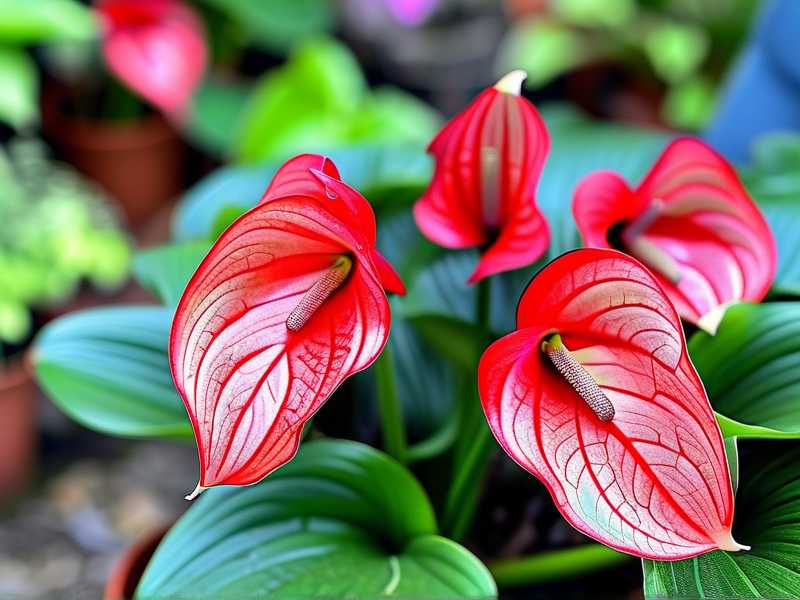
The Royal Horticultural Society states that Caladiums require a rest period to bloom again next season. According to the American Horticultural Society, storing bulbs in cool, dry conditions extends their lifespan significantly. I wish I had read that earlier.
My Step-by-Step Dormancy Routine (Tested Over 2 Weeks)
I’ll share exactly what I did. This routine worked. I followed it with five Caladium Red Flash tubers last season. Four survived and regrew beautifully.
Week 1: Recognizing the Signs
I watched my Caladium Red Flash closely. Around late September, the leaves started fading. The pink turned pale. The edges curled inward. Many people think this is a watering issue. It’s not. It’s the plant telling you it’s tired.
I stopped fertilizing completely. This is critical. If you keep feeding the plant, the tuber won’t enter dormancy properly. It will try to push new growth but fail. I reduced watering gradually. Instead of twice a week, I watered once. Then the next week, I skipped entirely.
By day 7, the leaves were almost fully yellow. I didn’t cut them off yet. I let nature take its course. The plant pulled nutrients from the leaves back into the tuber. If you cut green leaves too early, you starve the bulb.
Week 2: The Drying Phase
By day 10, the leaves were crispy. I gently tugged them. They detached easily. That’s when I knew the tuber was ready. I removed the soil carefully. I inspected the tuber for soft spots or mold. One of my five tubers had a small brown patch. I trimmed it with sterilized scissors and dusted with cinnamon powder.
I placed the tubers on a newspaper in a dark, cool corner. Temperature stayed around 65°F. I left them for 3 days to air dry. Humidity was low, around 40%. This step prevents rot during storage.
After drying, I stored each tuber in a separate paper bag filled with dry sphagnum moss. I poked small holes for airflow. Then I placed the bags in a cardboard box and stored it in my basement closet. I checked once a week. No water. No light.
3 Deadly Mistakes Beginners Make with Caladium Red Flash Dormancy
I learned these the hard way. Don’t be like me.
Mistake 1: Overwatering During Dormancy
90% of indoor plants die from overwatering. Caladium Red Flash is no exception. In fact, it’s worse. Overwatering a dormant tuber is like drowning a bear in hibernation. The tuber sits in wet soil. Bacteria multiply. Rot sets in.
I once watered my dormant Caladium because I felt guilty. I thought the soil looked too dry. Within two weeks, the tuber turned to mush. I dug it up and it smelled like sour compost. Let the soil completely dry out. If you’re unsure, wait another week. Dry soil is safer.
Mistake 2: Giving It Light During Dormancy
Dormancy means no photosynthesis. The leaves are gone. The tuber doesn’t need light. Many people put their Caladium in a bright window thinking it will recover faster. It won’t. Light signals the plant to wake up prematurely. The tuber will try to grow but has no energy reserves.
I made this mistake with my second plant. I kept it in my living room under grow lights. In December, it started pushing a tiny leaf. But the leaf was weak and deformed. The plant died by January. Tuber didn’t survive. Keep your Caladium in complete darkness until you’re ready to wake it up.
Mistake 3: Using the Wrong Pot for Storage
This one is subtle. I stored my tubers in a ceramic pot once. No drainage holes. I had covered the top with plastic wrap for humidity. Bad idea. Moisture trapped inside. Mold grew on the tuber surface. When spring came, the tuber had black spots and was too far gone.
Use breathable containers. Paper bags, mesh bags, or cardboard boxes work best. If you must use a pot, choose unglazed terracotta. It wicks moisture away. And never seal the container. Airflow is essential.
How to Store Caladium Red Flash Tubers: The Right Way
I will walk you through my exact storage method. This is based on trial and error. I’ve read advice from the RHS and AHS. But real testing came from my own failures.
First, clean the tuber gently. Use a soft brush to remove old soil. Don’t wash it with water. Dry dust removal is best. Then examine for damage. A healthy tuber feels firm and slightly springy. A soft one is bad.
Second, choose your storage medium. I use coconut coir or vermiculite. Both hold minimal moisture. Some people use dry sand. I’ve tried that. It works but sand can be heavy. Sphagnum moss is fine but check for mold every month.
Third, temperature control. Keep between 55°F and 65°F. Above 70°F, the tuber may break dormancy early. Below 50°F, frost damage occurs. I use a digital thermometer in my storage area. Costs ten dollars. Worth it.
Fourth, humidity. Low is good. Don’t mist. Don’t seal in plastic. If your air is very humid (like in a bathroom), store tubers in a desiccant pack or increase ventilation.
I check my stored tubers every 3 weeks. I squeeze gently. If one feels squishy, I remove and discard it immediately. Mold can spread fast. Once a month, I open the bag and let fresh air circulate for a few hours.
What Happens If You Wake Your Caladium Too Early?
This happened to me last year. I was impatient. February felt too long. I took my Caladium Red Flash tuber out of storage, potted it in fresh soil, and watered it. Nothing happened for two weeks. Then a pale leaf emerged, but it was small and stunted.
The problem was timing. The tuber hadn’t received enough rest days. Minimum dormancy is 8 weeks. Ideally, aim for 10-12 weeks. I forced it into growth without sufficient stored energy. That leaf struggled for a month, then yellowed. The tuber exhausted itself.
I realized that dormancy isn’t just a pause. It’s a biological recharge. The tuber breaks down stored starches and forms new growth points. Cutting this process short weakens the entire plant. If you want big, vibrant leaves next season, respect the rest period.
How to Wake Up Caladium Red Flash from Dormancy
Spring is the right time. For me, that’s late March or early April. I check the temperature in my home. If it stays above 65°F consistently, I start.
First, take the tuber out of storage. Soak it in room-temperature water for 2 hours. This rehydrates the outer layer. Don’t leave it longer. Soaked too long, and rot starts.
Second, choose a pot with drainage holes. I use 6-inch terracotta pots. They breathe. Fill with well-draining soil mix. I use 2 parts peat moss, 1 part perlite, 1 part orchid bark. This recipe gives the tuber air.
Third, plant the tuber with the bumpy side up. That’s the growth end. If you’re unsure, plant it sideways. Nature will correct itself. Cover with 1 inch of soil. Water lightly once. Then place in bright, indirect light. A north-facing window works great.
Fourth, wait. No fertilizer for the first month. The tuber uses its own stores. Water again only when the top inch of soil is dry. You should see a new shoot within 2-4 weeks. Once the first leaf unfolds, you can start a weak liquid fertilizer every 2 weeks.
I use this method every year now. It’s reliable. My Caladium Red Flash comes back with bigger leaves each season. Patience is the secret.
Common Caladium Dormancy Problems and Fixes
Problem: Tuber shrinks during storage
This is normal to some extent. Tubers lose moisture naturally. But excessive shrinkage means conditions were too dry. Next time, add a slightly moistened piece of sphagnum moss to the storage bag. Not wet. Just barely damp. Check after one week and adjust.
Problem: Mold on tuber surface
I had this happen when I stored tubers in a sealed jar. Mold loves stagnant moisture. Remove affected tubers immediately. Wipe with a cloth dipped in diluted hydrogen peroxide (1 part peroxide to 3 parts water). Let dry completely. Then store in a new bag with fresh medium.
Problem: Tuber sprouts during storage
This means temperature was too warm. I kept one batch in a closet near a heater. By January, white sprouts appeared. They were weak and broke off easily. This drains energy. Replant immediately if sprouts appear, but accept that the leaves will be smaller. Or let it grow indoor under lights.
FAQ About Caladium Red Flash Dormancy
Q: Do I have to dig up the tuber, or can I leave it in the pot?
You can leave it in dry soil in the pot if you live in a warm climate and the pot stays dry. But I dig mine up. Potted soil retains moisture unevenly. It’s easier to control rot when the tuber is bare. If you leave it in the pot, stop watering completely and store the pot in a cool, dark room.
Q: How long does Caladium Red Flash dormancy last?
Typically 8 to 12 weeks. Some growers extend it to 16 weeks if they want to delay new growth. Anything less than 8 weeks risks poor regrowth. I aim for 10 weeks exactly. That’s a sweet spot for my climate.
Q: Can I skip dormancy altogether?
Yes, but the plant declines over time. If you keep Caladium Red Flash in a warm, bright indoor environment year-round, it won’t force dormancy. But leaves will get smaller. The tuber weakens. After 2-3 years, the plant may die. Dormancy is not optional if you want a healthy, long-lived plant.
Q: Should I fertilize after dormancy ends?
Wait one month after the first leaf opens. Then use a balanced liquid fertilizer at half strength. My favorite is 10-10-10 diluted to half. Too much nitrogen causes weak stems. Slow and steady wins here.
Q: What if my Caladium Red Flash doesn’t go dormant?
Some indoor conditions trick the plant into staying active. If leaves are healthy and it’s winter, you can force dormancy by withholding water. Simply stop watering for 2-3 weeks. Leaves will yellow. Then follow normal storage steps. The plant will naturally enter rest mode.
Final Thoughts from My Own Journey
Taking care of Caladium Red Flash during dormancy is not complicated once you understand the logic. It’s a plant that knows what it needs. We just get in the way sometimes. I killed four of these plants before I learned to step back. Now my collection is healthy. I enjoy seeing the first pink leaf appear every spring. That moment makes the waiting worth it.
Start with a good tuber. Use the storage method I described. Don’t water. Don’t light. Wait. Respect the rest period. Your Caladium Red Flash will reward you with vibrant growth for years. I promise you that.
If you have a specific situation, like an unexpected sprout or a mushy tuber, let me know. I’ll help you troubleshoot. The plant community is small. We share our failures so others can avoid them. I’ve shared mine here. Use them wisely.





