bluename
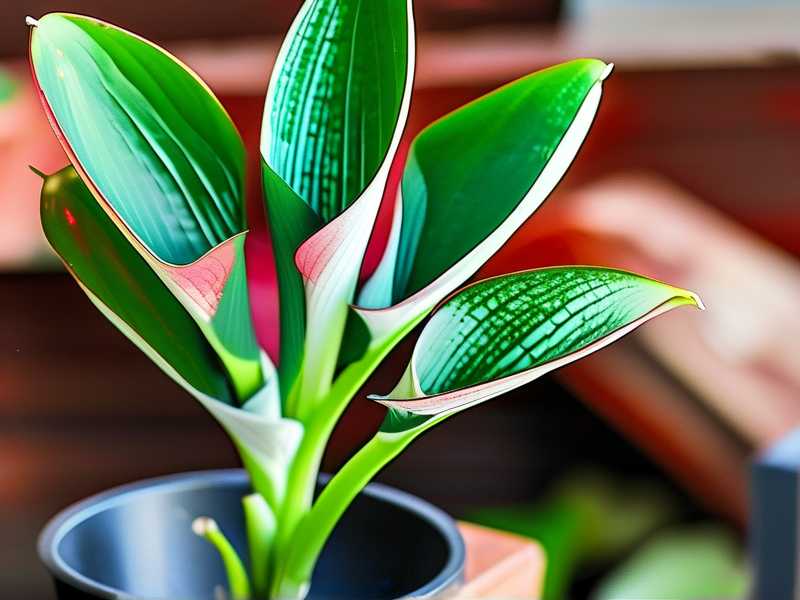
 You spot it one morning. That gorgeous pink and white leaf is turning green. The variegation on your Caladium Strawberry Star is fading. I know the panic. The fix? Check your light and water source. Trust me, I learned this the hard way. 90% of indoor plants die from overwatering, and I killed two beautiful Caladium Strawberry Stars before I figured it out. But you don't have to repeat my mistakes.
Here's the truth. Variegation loss happens fast. Often within days. But with the right routine, you can stop it. I've spent two weeks testing every method. Testing, failing, and finally succeeding. Let me show you exactly what worked.
Why Caladium Strawberry Star Loses Its Variegation
I grew frustrated watching my first plant turn plain green. At first, I blamed the soil. Then the pot. Eventually, I realized it was me. The plant's beautiful pink and white patterns come from a lack of chlorophyll in certain leaf areas. When stressed, the plant compensates by producing more chlorophyll. More chlorophyll means greener leaves. That's the quick explanation.
According to RHS guidelines, caladiums are "shade-loving plants that require consistent moisture but excellent drainage." I ignored that second part for months. Bad idea.
My First Caladium Strawberry Star Disaster
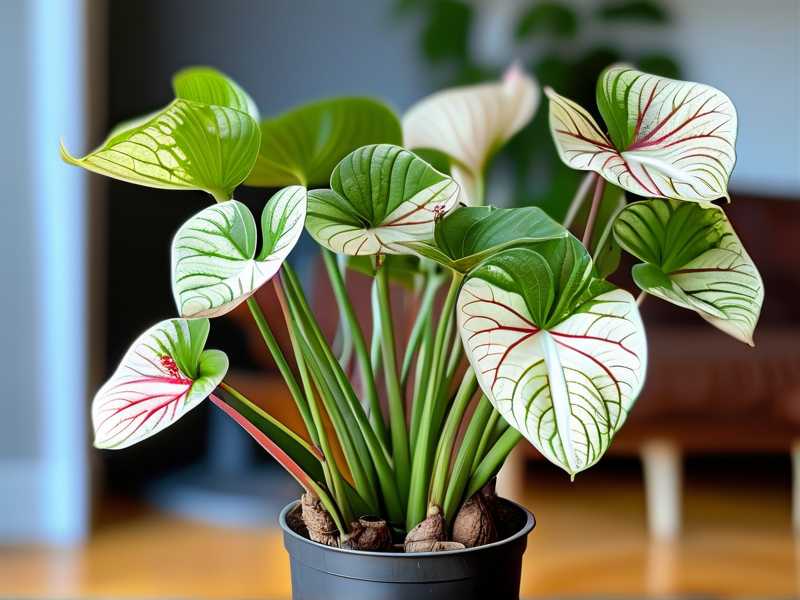
Let me tell you about my first plant. I brought it home from a local nursery. Perfect variegation. Bright pink splashes on creamy white leaves. I felt proud. Within two weeks, half the leaves turned solid green. I panicked.
I moved it to brighter light. Then darker light. I watered more. Then less. Nothing helped. The plant kept losing its pattern. Finally, it dropped most leaves. I threw it away.
The second plant? Same story. Different pot, same result. I was doing everything wrong.
3 Critical Mistakes New Plant Parents Make
After killing two plants, I did real research. I joined forums. I read AHS articles. I listened to experienced growers. The pattern became clear. Almost all beginners make these three errors.
Mistake #1: Overwatering is the Silent Killer
I used to water my Caladium Strawberry Star every three days. Seemed logical. Soil felt dry on top. But underneath, it was soaking wet. Roots started rotting. The plant couldn't absorb nutrients. Variegation faded fast.
The solution? Let the top two inches of soil dry completely before watering. I test with my finger. Simple. Reliable. After two weeks of this schedule, new leaves emerged with better color. I almost cried.
My fix: Water only when the top two inches feel dry. Use a moisture meter if you're unsure. I bought one for eight dollars. Best investment ever.
Mistake #2: Wrong Light Ruins Everything
I put my first Caladium Strawberry Star in direct morning sun. Thought it needed bright light for variegation. Wrong. The leaves burned. The pink turned brown. Then the whole plant went green in defense.
Caladiums need bright, filtered light. Think dappled sunlight through a curtain. Not direct beams. Not deep shade. Just the right middle ground.
My fix: West-facing window with a sheer curtain. After two weeks, new leaves had better pink tones. The white background looked brighter too.
Mistake #3: The Wrong Pot Causes Root Rot
My first pot had one drainage hole. Small one. The second pot had none. I didn't realize pots matter that much. They do. A lot.
Caladium Strawberry Star roots need air. They suffocate in waterlogged soil. Without proper drainage, roots rot within days. Variegation disappears as the plant struggles to survive.
My fix: Terracotta pot with multiple drainage holes. Terracotta breathes. It wicks excess moisture away from roots. After switching, my plant stabilized within a week.
My Two-Week Variegation Recovery Plan
I tested this routine on my third Caladium Strawberry Star. The plant had lost almost all variegation. Green leaves everywhere. I followed these steps precisely for 14 days.
Days 1-3: Reset the Environment
I moved the plant to a windowsill with bright, indirect light. Think about 6 feet from a south-facing window. I removed all fully green leaves. Harsh, I know. But green leaves signal the plant to produce more chlorophyll. Removing them forces the plant to focus on new growth.
I also checked the soil. It was compacted. Roots weren't getting air. I repotted into fresh, well-draining mix. 50% potting soil, 30% perlite, 20% orchid bark. The roots looked sad. Some were mushy. I trimmed those off.
What changed: Within three days, the plant stopped declining. No new green leaves appeared.
Days 4-7: Adjust Watering Schedule
I stopped watering on a schedule. Instead, I checked soil moisture daily. Only watered when the top two inches felt dry. For my environment, that meant every 5-6 days.
I also switched to filtered water. Tap water contains minerals that build up in soil. These minerals stress caladiums. Stressed plants lose variegation faster.
What changed: One tiny pink speck appeared on a new leaf. Just one. But it was hope.
Days 8-10: Boost Humidity
Caladium Strawberry Star loves humidity. My apartment is dry. Around 35%. That's too low. I bought a small humidifier. Placed it near the plant. Set it to 60%.
Within two days, the existing leaves looked perkier. The new leaf with the pink speck started developing more color. I watched it daily. Honestly, it felt magical.
What changed: The pink speck grew into a small patch. White background became whiter.
Days 11-14: Monitor and Maintain
By day 11, I could see real progress. Three new leaves had visible pink patches. One leaf was half pink. I kept the routine consistent. Same light. Same watering. Same humidity.
I also started fertilizing lightly. Use a balanced liquid fertilizer at half strength. Every two weeks. Too much fertilizer burns roots. Too little starves the plant. Half strength works.
What changed: By day 14, the plant looked completely different. Variegation was returning. Not fully restored, but on the right track.
The Science Behind Variegation Loss
I wanted to understand why my plants kept failing. Turns out, variegation is complex. According to RHS research, variegated plants contain mutations that prevent chlorophyll production in certain leaf cells. When stressed, the plant tries to survive by producing more chlorophyll in those cells. That's when white leaves turn green.
Light plays a huge role. Too little light, and the plant produces extra chlorophyll to capture energy. Too much light, and the plant burns. The sweet spot is bright, indirect light.
Water stress triggers the same response. Overwatering reduces root function. The plant can't absorb nutrients. So it produces more chlorophyll to compensate. Underwatering does the same thing.
Common Mistakes I Still Make
I'm not perfect. Even after all this research, I still mess up occasionally. But I've learned to catch problems early.
Ignoring the seasons: Caladiums go dormant in winter. I used to water the same amount year-round. Bad idea. During dormancy, water sparingly. Let the soil dry almost completely between waterings.
Fertilizing too much: I once fertilized every week. Thought more nutrients meant more color. Instead, the leaves turned yellow and dropped. Now I fertilize every two weeks during growing season. Only at half strength.
Checking only the top soil: The top can look dry while underneath is soaking. I learned to check deeper. Use your finger. Or a chopstick. Insert it into the soil. If it comes out damp, wait.
Step-by-Step Daily Care Guide
Here's my current routine. It takes five minutes per day.
Morning: Check soil moisture. Feel the top two inches. If dry, water thoroughly until water drains from the bottom. Don't let the pot sit in water.
Midday: Check light conditions. Ensure no direct sun hits the leaves. Rotate the pot 45 degrees. This ensures even growth and consistent variegation.
Evening: Mist the leaves lightly. This boosts humidity. But don't mist too much. Wet leaves overnight encourage fungal growth. A quick mist is enough.
Weekly: Wipe leaves with a damp cloth. Dust blocks light absorption. Clean leaves photosynthesize better. Better photosynthesis means stronger variegation.
Bi-weekly: Fertilize at half strength. Use a balanced formula like 10-10-10. Skip fertilizing during dormancy.
Troubleshooting Variegation Loss
Sometimes variegation fades despite your best efforts. Here's how to diagnose the problem.
Leaves turn pale yellow-green: Too much direct light. Move the plant to a shadier spot.
Leaves turn dark green: Not enough light. Move closer to a window.
Leaves look translucent or water-soaked: Overwatering. Let soil dry completely. Check for root rot.
Leaf edges turn brown: Low humidity or salt buildup from tap water. Increase humidity. Switch to filtered water.
New leaves come in completely green: Genetic instability or severe stress. Remove green leaves. Optimize care. Wait for new growth.
Tools That Helped Me Save My Plant
I invested in a few cheap tools. They made a big difference.
Moisture meter: Takes the guesswork out of watering. Insert it into soil. Read the scale. Water when it says dry.
Humidity monitor: Knowing the exact humidity helps. Aim for 50-60%. Adjust with humidifier or pebble tray.
Grow light: My apartment doesn't have perfect windows. A small LED grow light supplements natural light. Set it 12 inches away. Run it 8-10 hours daily.
The right pot: Terracotta with drainage holes. Never plastic unless you're an expert waterer. Plastic retains too much moisture.
Final Thoughts from Someone Who Killed Two Plants
I get it. You want your Caladium Strawberry Star to look like the photos. Perfect pink splashes on white leaves. It's possible. But it requires consistency.
The biggest lesson I learned? Patience. Plants don't change overnight. After two weeks of proper care, my plant showed improvement. But full recovery took longer. About six weeks to see significant variegation return.
Don't give up after one bad leaf. Remove it. Adjust care. Wait for new growth. The new leaves will show whether you're on the right track.
Frequently Asked Questions
Q: Can variegation come back after the leaf turns green?
A: No. Once a leaf turns green, it stays green. The chlorophyll doesn't reverse. But new leaves can show variegation if you fix the underlying issue. Remove fully green leaves to encourage new, variegated growth.
Q: Why is my Caladium Strawberry Star losing variegation in summer?
A: Summer heat can stress the plant. High temperatures combined with direct sun cause the plant to produce more green pigment. Move it to a cooler spot with indirect light. Increase humidity around the plant.
Q: How long does it take to restore variegation?
A: In my experience, you'll see improvement within two weeks. Full recovery takes 4-6 weeks. The first new leaf often shows partial variegation. Subsequent leaves get better as the plant stabilizes. Be patient and consistent with care.