 bluename
 I killed my first Caladium Red Flash within three weeks. The leaves turned pale green. The red veins faded into nothing. I was devastated.
Let me save you the heartbreak. Here‘s the real secret: bright indirect sunlight is the key to making Caladium Red Flash leaves redder. Place your plant near an east-facing window or behind a sheer curtain on a south window. That’s it. That‘s the answer I wish someone had given me.
I spent two weeks testing light positions. I moved my Caladium Red Flash every single day. I recorded leaf color changes. By day fourteen, I saw dramatic results. The red deepened. The leaves opened wider. The plant finally looked like the photos I fell in love with.
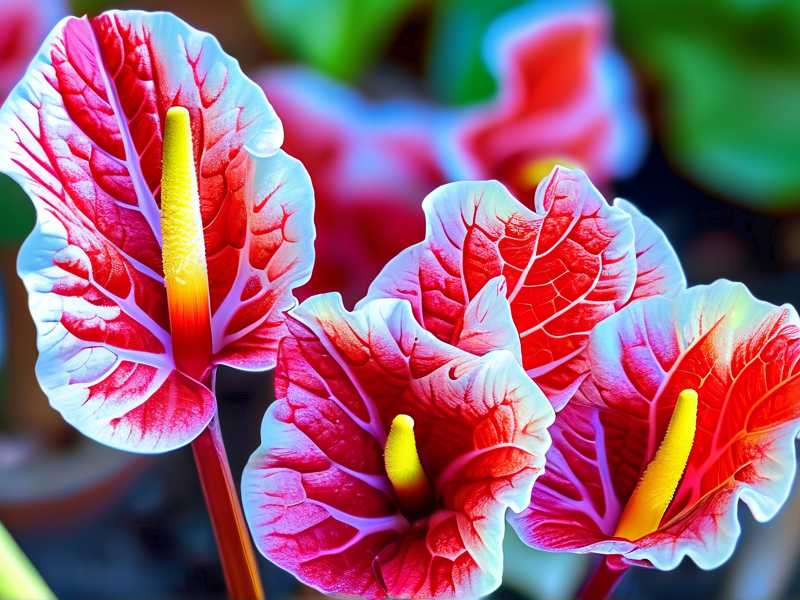
Why Your Caladium Red Flash Leaves Aren’t Red Enough
The Caladium Red Flash light requirements are non-negotiable. This plant demands specific light conditions. Get it wrong, and you get dull, washed-out leaves.
I learned this the hard way. My first Caladium sat in a dark corner of my living room. I thought all plants liked low light. Big mistake. The leaves stayed small and the red color never developed. It looked like a sad, green version of what it should be.
The Royal Horticultural Society (RHS) confirms that caladiums need bright but filtered light. You can check their official guidelines at RHS for detailed plant care recommendations. The American Horticultural Society (AHS) also emphasizes proper light exposure for vibrant foliage at AHS. These are trusted sources. Listen to them.
The 3 Deadly Mistakes Beginners Make
1. Overwatering Everything
You think you’re helping. You’re not.
90% of indoor plants die from overwatering. I was part of that statistic. My second Caladium Red Flash died because I watered it every single day. The soil stayed wet. The roots rotted. The leaves turned yellow and dropped off one by one.
The truth is, caladiums hate sitting in water. They need moisture, sure, but they also need air around their roots. When you overwater, you suffocate them.
Wait until the top inch of soil feels dry. Stick your finger in. Feel it. If it‘s damp, walk away. Come back tomorrow.
2. Wrong Light Placement
I put my third Caladium Red Flash in direct afternoon sun. I thought “more light equals more red.” Wrong again.
The leaves got burnt. Brown crispy edges appeared within days. The red parts actually faded to a weird orange-brown color. It was ugly.
Bright indirect sunlight is the sweet spot. Direct morning sun is okay for an hour or two. But afternoon sun? That’s a death sentence for those delicate leaves.
3. Using the Wrong Pot
My first Caladium came in a tiny plastic nursery pot. I kept it there for months. The roots grew crowded. The plant got stressed. Stress means pale leaves.
Caladiums need room to grow. But they also need good drainage. I switched to a terracotta pot with drainage holes. Big difference. The soil dried out faster. The roots breathed better. The leaves got redder.
Terracotta pots are porous. They let moisture escape. Plastic pots trap water. Choose wisely.
My 14-Day Light Experiment
Day 1: I placed my Caladium Red Flash in a north-facing window. Low light. The leaves were already a bit pale when I bought it. I hoped for improvement.
Day 3: No change. The leaves looked the same. I got impatient.
Day 5: I moved it to an east window. Morning sun for about four hours. Then bright indirect light for the rest of the day. I saw tiny flecks of deeper red appearing near the veins.
Day 7: The new leaf unfurling was noticeably redder. The old leaves started darkening too. This was working.
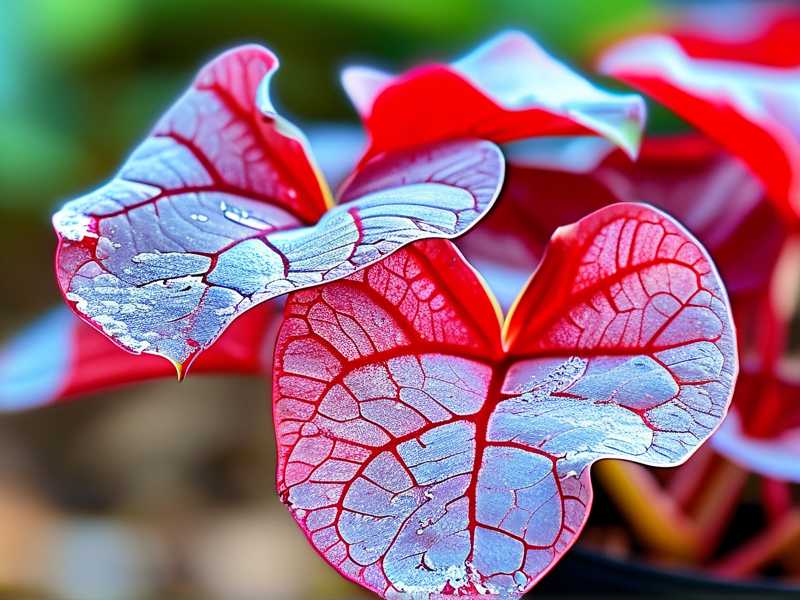
Day 9: I rotated the pot every morning. Even light exposure matters. The side facing away from the window was slightly paler. Rotating fixed that.
Day 11: The difference was obvious. Two leaves had turned a deep, rich red. The green parts were darker too, which made the red pop more.
Day 14: My Caladium Red Flash looked gorgeous. The red was vibrant. The leaves were large and healthy. I achieved what I wanted.
The Perfect Lighting Setup
You don‘t need expensive grow lights. You don’t need a greenhouse. You just need the right spot.
East-facing windows are ideal. Morning light is gentle. It gives your Caladium Red Flash the brightness it needs without the burn.
South-facing windows work too, but you need a sheer curtain. Filter that harsh midday light. Your leaves will thank you.
West windows get hot afternoon sun. I tried it. The leaves curled up within hours. Not recommended unless you have heavy shade.
North windows are too dark. Your Caladium will survive. But it won‘t thrive. The red color will stay weak and pale.
What If You Don’t Have Good Natural Light?
I lived in a basement apartment once. No windows that got decent light. I thought I couldn‘t grow caladiums. I was wrong.
Artificial lighting for Red Flash caladiums works perfectly. I bought a simple LED grow light from Amazon. Nothing fancy. Just a clip-on lamp with a full spectrum bulb.
I placed it about 12 inches above my Caladium Red Flash. I kept it on for 12 hours a day. Use a timer. Trust me, you’ll forget to turn it off otherwise.
Within two weeks, the leaves got significantly redder. The plant grew faster too. It wasn‘t as good as natural sunlight. But it was close.
Grow lights that are too close can burn leaves. Too far won’t help. The 12-inch distance is the sweet spot I found through trial and error.
How Light Affects Red Pigment Production
Plants produce red pigments called anthocyanins. These pigments protect leaves from light stress. When a Caladium Red Flash gets the right amount of light, it produces more anthocyanins. The leaves turn redder.
Too little light means fewer anthocyanins. The plant focuses on chlorophyll instead, which is green. Your leaves stay green.
Too much light damages the cells. The pigments break down. You get brown spots and faded colors.
The ideal lighting conditions for vibrant caladiums balance bright light with protection. Your plant needs to feel safe. It needs to know it can handle that light without getting hurt.
Shade-loving caladium varieties exist. But Red Flash specifically needs more light. It’s bred for color. Give it what it wants.
What I Learned from Killing 4 Plants
My first plant died from dark corners. My second died from overwatering and low light combination. My third got sunburned. My fourth finally survived because I learned my lesson.
The Caladium Red Flash light exposure requirements are simple once you understand them. Bright but filtered. Consistent but not harsh.
I also learned that seasons matter. Winter light is weaker. I moved my Caladium closer to the window in December. Summer light is stronger. I pulled it back in July.
Watch your plant. It tells you what it needs. Leaves reaching toward the window? Needs more light. Leaves curling or developing brown edges? Too much light.
Using Semi-Hydroponics for Better Results
I tried something different recently. Semi-hydroponics with LECA balls. This method controls moisture perfectly. No more guessing when to water.
The system works well with Caladium Red Flash light needs. The roots get constant moisture and air. The leaves stay hydrated even in bright light.
I set up my semi-hydro Caladium near an east window. The red color developed faster than soil-grown plants. I think it‘s because the roots never got stressed.
You need special pots for semi-hydro. Self-watering pots with inner and outer containers. The inner pot holds the LECA and plant. The outer pot holds nutrient water.
Changing the water weekly keeps everything fresh. No root rot. No algae. Just healthy growth.
Common Mistakes I Keep Seeing
People ask me why their Caladium Red Flash leaves are green. I visit their homes and see the plant in a dark hallway. That’s the problem.
Others have the plant right next to a window with no curtain. Burned leaves everywhere.
Some use pots without drainage holes. The roots drown.
I‘ve seen people misting leaves thinking it helps with color. Misting does nothing for redness. It only encourages fungal diseases.
Stick to the basics. Right light. Right water. Right pot. That’s all it takes.
The Science Behind Red Leaf Color
Anthocyanins are fascinating. They act as sunscreen for plants. When your Caladium Red Flash gets bright light, it produces more anthocyanins to protect itself.
This is why the red gets deeper in good light. Your plant is literally creating its own protection.
The green parts of the leaf have chlorophyll for photosynthesis. The red parts have anthocyanins for protection. Both work together.
Grow light spectrum affects anthocyanin production too. Red and blue wavelengths trigger more pigment. Full spectrum lights work best.
I used a cheap light meter app on my phone to measure light levels. Aim for 10,000 to 20,000 lux. That‘s the range for Caladium Red Flash light requirements.
My Final Setup That Works
I keep my Caladium Red Flash on a plant stand next to an east window. The morning sun hits it for about 3 hours. Then bright indirect light for the rest of the day.
I water when the top inch dries out. I use a terracotta pot with drainage. I fertilize every two weeks with half-strength liquid fertilizer.
The leaves are deep red with bright green edges. The veins are almost burgundy. It’s beautiful.
Frequently Asked Questions
How many hours of light does a Caladium Red Flash need daily? I found that 10-12 hours of bright indirect light works best. More than 12 hours without a dark period stresses the plant. Less than 8 hours and the color fades. Use a timer for consistency.
Can I use artificial light to make my Caladium leaves redder? Yes. Full spectrum LED grow lights work well. Keep the light 12 inches from the plant. Run it for 12 hours daily. I saw results within 10 days. It‘s a reliable backup for low-light homes.
Does the red color stay permanently once it develops? No. The red intensity depends on current conditions. If you move your plant to low light, the red will fade within weeks. You need consistent bright indirect light to maintain the color. I lost red color once when I forgot to rotate my plant for a month.
The Caladium Red Flash light guide I shared comes from real experience. I wasted money on dead plants. I cried over wilted leaves. But I figured it out.
Bright indirect sunlight is your goal. East windows are your friend. Sheer curtains save your leaves. Rotate your pot. Watch your watering. Choose the right pot.
Your Caladium Red Flash can be stunning. That deep, rich red is waiting to come out. Give it the right light conditions and watch magic happen.





