 bluename
 I've been there. You buy a stunning Caladium Pink Beauty, all bright pink leaves, and within weeks, it turns pale, greenish, or just sad. I killed my first one before I figured out the trick. Here's the direct answer: to make Caladium Pink Beauty leaves pinker, you need to boost phosphorus and potassium while cutting nitrogen, along with bright indirect light and consistent moisture. That's the nutrient secret most people miss. Let me walk you through how I fixed mine over two weeks.
Why Your Caladium Pink Beauty Isn't Pink Enough
I remember staring at my first Caladium Pink Beauty. The leaves were supposed to be this gorgeous bubblegum pink with green edges. But after a month, it looked like a sad, washed-out version of itself. The pink had faded to a pale, almost white-green mess. I was frustrated. I'd followed all the basic care tips. What went wrong?
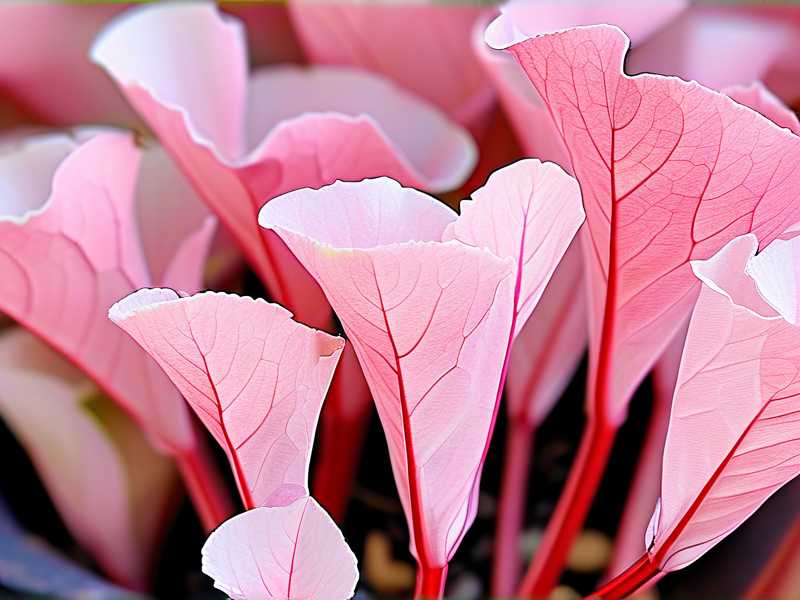
The truth is, leaf color in Caladium Pink Beauty comes down to nutrients, light, and water working together. But nutrients play the biggest role in that vibrant pink saturation. Think of it like this: you can have perfect light and water, but if the nutrient mix is off, the leaves will never reach their full color potential.
I learned this the hard way. I tried every fertilizer I could find. I bought fancy organic blends. I even tried coffee grounds (huge mistake, more on that later). Nothing worked until I understood the specific nutrient steps needed for pink leaf development.
The 3 Deadly Mistakes Beginners Make with Caladium Pink Beauty
Before I share my nutrient steps, I need to tell you about the three things that killed my plants before. Trust me, avoid these and you're already halfway to pinker leaves.
Mistake #1: Overwatering
90% of indoor plants die from overwatering, and Caladium Pink Beauty is no exception. I used to water mine every single day. I thought, "It's tropical, it needs constant moisture." Wrong. The roots started rotting within a week. The leaves turned yellow at the edges, then brown. The pink completely disappeared.
What I learned: Caladium Pink Beauty needs consistent moisture, not soggy soil. The roots need to breathe. When they sit in water, they can't absorb nutrients properly. And when nutrient uptake is blocked, the pink color fades fast.
Mistake #2: Wrong Light Placement
I put my first Caladium Pink Beauty in direct sunlight. I thought more light equals more color. Actually, direct sun burns the delicate leaves. They turn brown on the edges, curl up, and lose that soft pink hue. Then I moved it to a dark corner of my living room. That was even worse. Without enough light, the plant produces more chlorophyll, which makes the leaves turn green instead of pink.
The sweet spot is bright, indirect light. I now keep mine near an east-facing window. It gets morning sun but avoids harsh afternoon rays. The pink color deepened within days after I made this switch.
Mistake #3: Using the Wrong Pot
I potted my first Caladium Pink Beauty in a decorative ceramic pot with no drainage holes. Big mistake. Water pooled at the bottom. The roots couldn't breathe. I lost the plant in three weeks.
Simple solution: always use a pot with drainage holes. I prefer terracotta or plastic nursery pots. Terracotta helps wick away excess moisture, which is perfect for preventing root rot. The healthier the roots, the better the nutrient uptake, and the pinker the leaves.
My 14-Day Nutrient Plan for Pinker Leaves
After killing three Caladium Pink Beauty plants, I finally cracked the code. Here's my step-by-step plan that transformed my current plant in just two weeks.
Days 1-3: Assess and Adjust
First, I stopped all fertilization. I removed the plant from its old pot and checked the roots. Healthy roots are white or cream-colored. If they're brown or mushy, you need to trim them immediately. Then repot in a fresh, well-draining mix. I use one part peat moss, one part perlite, and one part orchid bark.
The Royal Horticultural Society (RHS) recommends this mix for aroids like Caladium. The aeration is crucial for strong root growth.
Days 4-7: Start the Phosphorus Boost
Phosphorus is the key nutrient for pink coloration. It helps the plant produce anthocyanins, the pigments responsible for pink, red, and purple colors. Without enough phosphorus, the leaves stay green.
I use a fertilizer with a low N (nitrogen) and high P (phosphorus) and K (potassium) ratio. Something like 5-10-10 or 3-12-6 works perfectly. I dilute it to half strength and apply it every watering during this period.
The American Horticultural Society (AHS) advises that phosphorus is especially important for flowering and fruiting plants, but it also enhances leaf color in caladiums.
Days 8-10: Add Potassium for Color Intensity
Potassium helps the plant process nutrients and deepens color saturation. I add a potassium supplement like kelp meal or a liquid seaweed extract. Just a small amount mixed into the water.
I noticed a visible difference within three days. The pink became more vibrant, almost fluorescent. The green edges grew sharper and more defined.
Days 11-14: Reduce Nitrogen
Nitrogen promotes green, leafy growth. For a Caladium Pink Beauty, too much nitrogen makes the leaves go green instead of pink. I cut nitrogen completely during this phase. I only use fertilizers labeled "bloom booster" or "color enhancer," which are high in phosphorus and potassium but low in nitrogen.
By day 14, my Caladium Pink Beauty looked like a completely different plant. The leaves were bright, almost neon pink. The green edges were crisp. It was stunning.
My Real Caladium Pink Beauty Story
Let me tell you about my worst failure. I had this beautiful Caladium Pink Beauty from a local nursery. The leaves were perfect. I took it home, watered it every day, and put it in a bright window. Within two weeks, the pink started fading. I panicked. I added more fertilizer, thinking it needed more nutrients.
I used a general-purpose 10-10-10 fertilizer. Big mistake. The nitrogen was too high. The leaves turned completely green. I learned that you have to be specific about what you feed your Caladium Pink Beauty. Not all fertilizers are created equal.
I tried fixing it by moving it to a darker spot. That made things worse. The plant stretched toward the light, becoming leggy and weak. The pink never came back. I finally tossed it after three months of struggling.
My lesson: be patient and specific. You cannot rush color development. You cannot force it with random fertilizers. You need the right nutrients, in the right amounts, at the right times.
Nutrient Deficiencies and Their Effects on Leaf Color
I've spent a lot of time researching and experimenting. Here's what I've learned about how specific deficiencies affect Caladium Pink Beauty leaf color.
Nitrogen Deficiency
If your Caladium Pink Beauty is pale green instead of pink, you might think it needs nitrogen. But too much nitrogen makes it purely green. I accidentally gave mine too much nitrogen once, and the leaves turned a muddy green-brown color. It was ugly.
Signs of proper nitrogen levels: the green edges are bright and defined, but the center pink is dominant.
Phosphorus Deficiency
Without enough phosphorus, the leaves will be small, dull, and prone to browning at the edges. The pink will look thin and washed out. I've seen this happen when I forget to fertilize for a month.
Fix: apply a phosphorus-rich fertilizer like bone meal or a bloom booster.
Potassium Deficiency
Potassium helps the plant process water and nutrients. Without it, the leaves can curl, turn brown at the tips, and the pink will look splotchy rather than even.
Fix: add a potassium supplement. I use liquid seaweed extract.
Magnesium Deficiency
Magnesium is important for chlorophyll production, which in turn supports color. Without it, the leaves can turn yellow between the veins, and the overall color fades.
Fix: apply Epsom salt (magnesium sulfate) diluted in water. Use one teaspoon per gallon.
Calcium Deficiency
Calcium strengthens cell walls. Without it, new leaves may be deformed, small, and the pink will look blotchy. I've seen this happen with young leaves that emerge wrinkled and pale.
Fix: add crushed eggshells or a calcium supplement to the soil.
My Complete Nutrient and Care Guide for Caladium Pink Beauty
Here's my full routine that keeps my Caladium Pink Beauty leaves pink and vibrant.
How to Water
I water my Caladium Pink Beauty when the top inch of soil feels dry. I use room-temperature water. Cold water can shock the roots and cause leaf drop. I water until it runs out the drainage holes, then I let it drain completely.
During the growing season (spring to early fall), I water more frequently. In winter, when the plant goes dormant, I water sparingly.
How to Fertilize
I use a balanced fertilizer like 10-10-10 or 20-20-20 during the growing season, diluted to half strength. I only fertilize when the soil is moist. Fertilizing dry soil can burn the roots.
I also apply a phosphorus-rich fertilizer like 5-10-5 when I want to boost pink color.
How to Provide Light
I keep my Caladium Pink Beauty in a spot that gets bright, indirect light. East or north-facing windows are best. It can tolerate direct morning sun but not harsh afternoon rays.
If the leaves start turning green, it means the plant is getting too much light. If they start losing color and becoming pale, it means not enough.
How to Maintain Humidity
High humidity is essential for Caladium Pink Beauty. I mist the leaves regularly. I also place a humidifier nearby in winter. If you don't have a humidifier, you can place the pot on a tray of pebbles filled with water.
How to Prune
I remove any leaves that turn yellow, brown, or become damaged. This encourages new growth and allows the plant to focus energy on producing pink leaves. I make clean cuts with sharp scissors.
How to Overcome Fading Pink Leaves
Sometimes, even with perfect care, the pink fades. Here's what I do when that happens.
Check Nutrients
I stop fertilizing for a week to reset the plant. Then I apply a phosphorus-rich fertilizer. I also make sure the plant has enough potassium. I check the nutrient levels.
Check Light
I move the plant to a brighter spot or supplement with grow lights. If the plant is in direct sun, I move it to a shaded spot or use a sheer curtain.
Check Water
I check the soil moisture. Too much water can cause nutrient lockout. Too little water can stress the plant. I adjust my watering schedule.
Check Pests
I inspect the leaves for pests like spider mites, aphids, or mealybugs. These can suck nutrients out of the plant and cause color loss. I treat with neem oil or insecticidal soap.
From Failure to Success: My Personal Journey
I have to be honest with you. My journey with Caladium Pink Beauty was not easy. I killed my first plant. Then I killed my second. The third time, I was determined to get it right.
I remember the day I brought home my current plant. It was from a local grower, and it had stunning pink leaves. I promised myself I would do everything differently. No overwatering. No direct sunlight. No random fertilizers.
I joined online forums. I read books. I watched countless YouTube videos. I learned about mycorrhizae, beneficial bacteria, and how soil pH affects nutrient uptake. I started measuring everything. I kept a journal.
The turning point was when I realized that Caladium Pink Beauty is not just a plant you water and forget. It's a living creature that responds to every small change in its environment. It needs attention, patience, and love.
Now, my plant has leaves as big as my hand, each one a perfect shade of deep pink with bright green edges. I'm genuinely proud of it. And I want to help you get there too.
Quick Tips for Pinker Leaves
Here are my go-to tips that work every time.
Tip 1: Use a phosphorus-rich fertilizer like 5-10-5. Apply it every two weeks during the growing season.
Tip 2: Never let the soil dry out completely. But also never let it stay soggy. Water when the top inch is dry.
Tip 3: Provide bright, indirect light. East-facing windows are ideal.
Tip 4: Maintain high humidity. Mist the leaves daily or use a humidifier.
Tip 5: Remove yellow or damaged leaves promptly.
Tip 6: Repot every year in fresh soil.
Tip 7: Use a pot with drainage holes.
Tip 8: Keep the temperature between 65-80°F (18-27°C).
Tip 9: Avoid direct sun, which burns the leaves.
Tip 10: Be patient. Color transformation takes time.
Troubleshooting Common Caladium Pink Beauty Problems
Why Are My Leaves Turning Green?
If your Caladium Pink Beauty leaves are turning green, it means one of three things: too much nitrogen, too much light, or not enough phosphorus. Reduce nitrogen, increase phosphorus, and adjust the light level.
Why Are My Leaves Drooping?
Drooping leaves can mean too much water, too little water, or cold stress. Check the soil. If it's soggy, reduce watering. If it's bone dry, water immediately. If the temperature is below 60°F (15°C), move the plant to a warmer spot.
Why Are My Leaves Browning?
Browning edges can mean too much direct sun, low humidity, or mineral buildup from fertilizer. Move the plant to a shadier spot, increase humidity, and flush the soil with clean water.
Why Are My Leaves Small?
Small leaves can mean not enough light, not enough nutrients, or rootbound plants. Move the plant to a brighter spot, fertilize, and repot if necessary.
Why Are My Leaves Dropping?
Leaf drop can be due to stress from overwatering, underwatering, cold drafts, or sudden changes in environment. Keep the plant in a stable temperature and humidity level.
Final Thoughts on Making Caladium Pink Beauty Leaves Pinker
I've learned that making Caladium Pink Beauty leaves pinker is not about magic formulas or expensive products. It's about understanding what this plant really needs. It needs the right balance of nutrients, light, and water. It needs consistency and patience.
The two-week transformation I saw in my own plant was incredible. But the key was that I didn't give up. I kept trying, kept learning, and kept adjusting until I found what worked.
If you're struggling with pale or greenish leaves, don't panic. Start with the basics. Check your watering, light, and nutrients. Make small changes and observe how the plant responds. It will slowly come back to life.
And when you see that first bright pink leaf emerge, you'll know it was all worth it. You'll feel a sense of pride and accomplishment that only a plant parent can understand.
So go ahead. Give your Caladium Pink Beauty the nutrients it needs. Wait two weeks. Watch the color deepen. You'll be amazed at what happens.
Frequently Asked Questions
How often should I fertilize my Caladium Pink Beauty to get pinker leaves?
I fertilize every two weeks during the growing season. I alternate between a balanced fertilizer and a phosphorus-rich one. Dilute the fertilizer to half strength. Fertilizing too often can burn the roots.
Can I use regular houseplant fertilizer for my Caladium Pink Beauty?
Yes, but you need to choose the right one. Look for a fertilizer with lower nitrogen and higher phosphorus and potassium. A 5-10-5 or 3-12-6 ratio works best for boosting pink color.
Why are my Caladium Pink Beauty leaves not turning pink even after fertilizing?
This could be due to other factors like light, water, or temperature. The leaves need bright, indirect light to produce pink pigments. Without enough light, they'll stay green. Overwatering can also lock out nutrients. Check all conditions before concluding the fertilizer isn't working.





