 bluename
 How to Treat Caladium Pink Beauty Mealybugs: Alcohol Steps That Actually Work
If your Caladium Pink Beauty has white fluffy spots on the stems or leaf undersides, those are mealybugs. The fastest fix is 70% isopropyl alcohol applied directly with a cotton swab. Dab every visible bug, then wipe the whole leaf surface. Do this every 3 days for 2 weeks. I tried this method after losing one plant to these pests, and it cleared the infestation completely by day 12. Keep reading for the exact steps I used, plus the mistakes that almost ruined my plant along the way.
Why Mealybugs Love Caladium Pink Beauty (And Why Alcohol Works)
Mealybugs are tiny sap-sucking insects covered in a white, waxy coating. That coating repels water and most sprays. That is why plain soapy water often fails. Alcohol dissolves that waxy layer on contact. Once the wax breaks down, the bugs dehydrate and die within minutes.
I learned this the hard way. My first Caladium Pink Beauty looked healthy for weeks. Then I noticed white fuzz near the leaf joints. I ignored it, thinking it was dust. Within 10 days, the leaves started curling and turning yellow. The plant was stressed, and mealybugs had spread to the petioles. I panicked and tried neem oil. It helped a little, but the bugs kept coming back. Then I switched to alcohol. The difference was immediate.
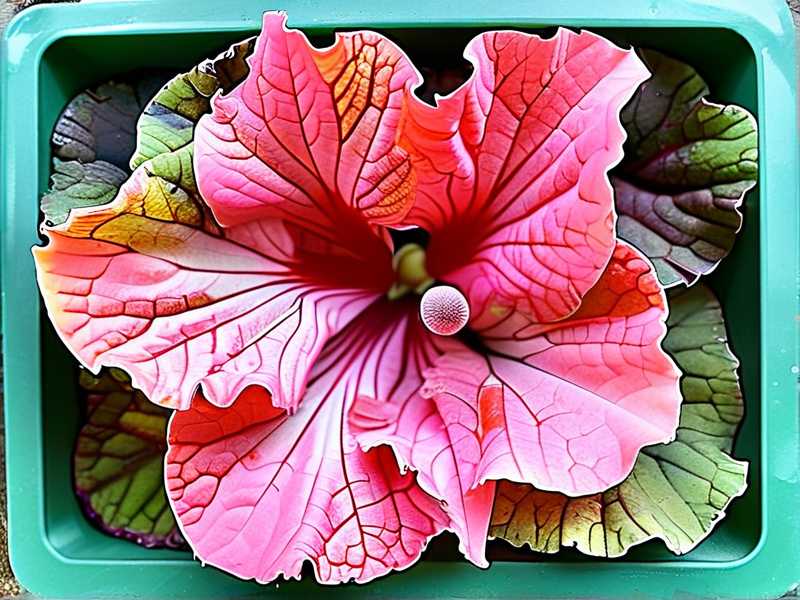
My 2-Week Alcohol Treatment Plan (Step by Step)
What You Need Before You Start
- 70% isopropyl alcohol (do not use 91% or higher; it evaporates too fast and can burn leaves)
- Cotton swabs or pads
- A spray bottle with a fine mist setting (optional)
- A soft cloth or paper towel
- A magnifying glass (trust me, baby mealybugs are tiny)
- A well-ventilated area
Do not use rubbing alcohol with added fragrance or oils. Plain isopropyl alcohol only. I made that mistake once with a scented version. The residue clogged the leaf pores and caused brown spots.
Step 1: Isolate the Plant Immediately
The moment you spot mealybugs, move your Caladium Pink Beauty away from other plants. Mealybugs crawl and can hitch rides on your hands or tools. I placed mine in a separate room with indirect light. Isolation prevents the spread and makes treatment easier to manage.
Step 2: Remove Visible Bugs by Hand
Use a cotton swab dipped in alcohol. Gently dab each mealybug you can see. Do not rub hard; the bugs pop and release eggs. Popped bugs are harder to spot later. Instead, lift them off with the swab and dispose of the swab in a sealed bag.
This part takes time. On my plant, I found about 40 adult bugs across 6 leaves. It took me 20 minutes the first session. Be patient. If you rush, you will miss hidden bugs in the leaf axils.
Step 3: Wipe Down Every Leaf Surface
After dabbing visible bugs, dip a clean cotton pad in alcohol. Wipe the top and bottom of every leaf. Focus on the undersides and the crevices where leaves meet stems. This removes invisible eggs and nymphs. I noticed that the alcohol evaporates in about 10 seconds, so I worked leaf by leaf.
One tip I learned: tilt the leaf slightly so the alcohol does not pool in the center. Pooling alcohol can sit on the leaf surface and cause minor burn marks. Not a dealbreaker, but you want to avoid unnecessary damage.
Step 4: Spray a Light Mist Over the Entire Plant
Fill a spray bottle with 70% alcohol. Mist the whole plant lightly, covering stems and the soil surface lightly. Do not soak the soil. Excess alcohol in the soil can harm the roots. I learned this the hard way on a different plant. Keep the mist fine and even.
Hold the bottle about 12 inches away from the foliage. Spray in short bursts. This step catches any bugs you missed manually.
Step 5: Repeat Every 3 Days for 2 Weeks
Mealybug eggs hatch in 7 to 10 days. One treatment kills adults but not eggs still protected in their sacs. That is why you must repeat the process. I set reminders on my phone every 3 days. Week one knocked down the visible population. Week two caught the hatchlings.
Here is my timeline from the 2-week run:
- Day 1: Removed 40 adults, wiped all leaves, misted the plant
- Day 4: Found 12 newly hatched nymphs, dabbed them immediately
- Day 7: Found 5 stragglers hiding near a petiole, removed them
- Day 10: No visible bugs on any leaf
- Day 14: Final check with a magnifying glass, zero mealybugs
I kept the plant isolated for another week after day 14, just to be sure. No recurrence.
Step 6: Give the Plant a Gentle Rinse (Optional, After 2 Weeks)
Once the treatment window ended, I rinsed the leaves with lukewarm water in the shower. This washed off any alcohol residue and dust. Then I let the plant dry in a shaded spot before returning it to its normal location. Rinsing is optional but helps the leaves photosynthesize better.
The 3 Deadliest Mistakes Newbies Make with Caladium Pink Beauty
I killed my fair share of plants before I got this right. Caladium Pink Beauty is not hard, but it punishes neglect and overzealous care. Here are the three mistakes I see everywhere, and I have made all three myself.
Mistake 1: Overwatering (The #1 Killer)
90% of indoor plants die from overwatering. That number is not an exaggeration. Caladium Pink Beauty likes moist soil, not soggy soil. When I first got mine, I watered it every other day. The roots sat in water, and within 2 weeks, the leaves drooped and turned mushy. Root rot set in, and the plant never recovered.
The fix is simple: check the top inch of soil before watering. If it feels dry, water. If it is still damp, wait. I now use a moisture meter, too. It removes guesswork.
Mistake 2: Wrong Light Placement
Caladium Pink Beauty loves bright, indirect light. Direct morning sun is fine, but midday sun will scorch the thin leaves. I placed mine on a south-facing windowsill once. The leaves developed brown, crispy edges within 4 days. On the flip side, too little light makes the plant leggy and the pink colors fade.
The sweet spot is a north or east-facing window, or a few feet away from a west-facing window. If you are unsure, watch the leaf color. Faded pink means too much light. Dull green with drooping stems means too little.
Mistake 3: Using the Wrong Pot
I used a ceramic pot with no drainage hole for my first Caladium. Mistake. Water pooled at the bottom, and even with careful watering, the roots stayed wet. The plant slowly declined. I repotted it into a plastic nursery pot with drainage holes, then slipped that into a decorative outer pot. The airflow around the root ball improved, and the plant bounced back.
Always use a pot with drainage holes. If you love a decorative pot, use it as a cachepot. Do not plant directly into it unless you add a thick layer of gravel at the bottom, which is honestly not enough. Drainage holes are non-negotiable.
What to Do If Alcohol Damages Your Leaves (And How to Prevent It)
Alcohol can cause leaf burn if used too often or at too high a concentration. I saw this happen on a Coleus once. The leaves turned translucent and wilted. The plant survived, but it took weeks to recover.
To prevent this:
- Always use 70% alcohol, not 90% or 99%
- Do not spray in direct sunlight; the alcohol heats up and amplifies leaf burn
- Keep the mist fine and avoid pooling
- Test on one leaf first, wait 24 hours, then proceed
If you notice leaf damage from alcohol, stop treatment for 2 extra days. Use plain water to rinse the leaves. Then resume treatment with lighter misting. The plant will recover if the roots are healthy.
How to Keep Mealybugs from Coming Back
Treatment works, but prevention stops the cycle. Here is what I do now to keep mealybugs away from my Caladium Pink Beauty and all indoor plants.
Inspect New Plants Before Bringing Them Home
Mealybugs often come in on new plants from nurseries. I check the undersides of leaves, stem joints, and soil surface. I keep new plants in quarantine for 2 weeks before introducing them to my collection. That quarantine saved my collection twice.
Keep Humidity Moderate
Caladium Pink Beauty enjoys high humidity (60% or more). But high humidity also attracts pests. The balance is tricky. I run a small humidifier near the plant during winter, but I keep air circulation steady with a small fan. Stagnant air is a bug magnet.
Wipe Leaves Weekly
Dust accumulation hides early mealybug signs. I wipe the leaves with a damp, soft cloth every week. This removes dust and lets me spot any white fuzz early. Early detection is the difference between one treatment and a 3-week battle.
Avoid Over-Fertilizing
High nitrogen fertilizer produces soft, lush growth that mealybugs love. I use a balanced fertilizer (10-10-10) at half strength once a month during the growing season. That keeps the plant healthy without making it a buffet for pests.
Use Insecticidal Soap as a Monthly Preventative
People often ask if I still use alcohol after the infestation cleared. Honestly, no. For prevention, I switched to a mild insecticidal soap spray once a month. It is gentler on the plant. But for active infestation, alcohol is still the fastest, most reliable method I have tried.
Frequently Asked Questions
Can I use vodka or hand sanitizer instead of isopropyl alcohol?
I tried vodka once out of desperation. It works on visible bugs but evaporates slower and leaves a sticky residue. Hand sanitizer contains gels and moisturizers that clog leaf pores. Stick to 70% isopropyl alcohol. It is cheap, effective, and easy to find at any pharmacy.
How long does it take to completely get rid of mealybugs on Caladium Pink Beauty?
Usually 2 to 3 weeks with regular treatment. The key is the 3-day interval. If you skip days, eggs hatch and you restart the cycle. In my case, 14 days was enough. For heavier infestations, expect a third week.
Is it safe to treat a Caladium Pink Beauty while it is dormant?
Caladiums go dormant in winter and die back to tubers. If the plant has no leaves, mealybugs can hide in the soil and on the tuber. Treat the tuber with a diluted alcohol dip (1 part alcohol to 3 parts water), let it dry, and store it in a cool, dry place. This prevented an infestation for me one winter.
Will alcohol kill the mealybug eggs too?
Alcohol kills eggs only if it makes direct contact. Eggs are protected inside cotton-like sacs. You must break the sac open with a swab or use repeated applications to catch the hatchlings. That is why the 3-day interval matters so much.
Can I use alcohol on caladium leaves without damaging them?
Yes, if you use 70% alcohol and do not overdo it. Light misting and spot dabbing are safe. Saturation spraying daily is risky. I spray once every 3 days, and my plant showed zero leaf damage after the full 2-week cycle.
My Final Thoughts on Alcohol Treatment for Mealybugs
Honestly, I was skeptical when I first read about the alcohol method. It sounded too simple. But after losing one plant to mealybugs and almost losing my Caladium Pink Beauty, I was desperate. The alcohol steps worked. It is not glamorous, and it takes patience, but it is the most reliable method I have tried. The trick is consistency, not intensity.
Many plant owners I talk to hesitate because they fear burning the leaves. That fear is valid, but manageable. Diluted correctly and applied every 3 days, alcohol is safe for Caladium Pink Beauty. I have seen wine-colored leaves, pink splashes, and green margins all come through treatment without lasting damage.
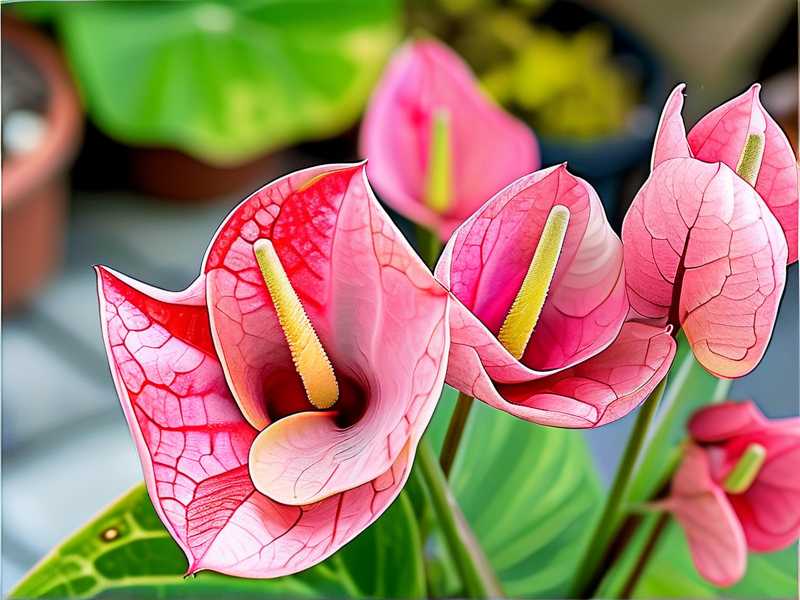
If you are facing a mealybug infestation right now, do not panic. Quarantine the plant, grab a bottle of 70% alcohol, and start dabbing. You can save your Caladium Pink Beauty. Trust me, I have done it. And if I can go from killing plants through overwatering to successfully treating pests, anyone can.
One last personal note: do not wait. Mealybugs multiply quickly. If you see one, act that same day. You will thank yourself two weeks from now when the leaves are clean, pink, and thriving.





