 bluename
 How to Control Temperature for Caladium Red Flash: Heat Guide
If you want to keep your Caladium Red Flash alive through summer, you must keep soil temperatures between 70°F and 85°F. That's the golden rule I learned after cooking my first two tubers in a south-facing windowsill. I'm going to walk you through exactly what works, what kills, and how I stopped the bleeding after two weeks of focused observation.
Like many of you, I bought my first Caladium Red Flash because that vivid crimson and green foliage looked unreal in the nursery photos. Then summer hit. The leaves curled at the edges. The stems went limp, and honestly, the plant looked like it had given up on life by day three. I was watering more, which only made things worse. It took me two full weeks of meticulous temperature tracking to figure out the actual problem — it wasn't water, it was heat stress. This guide is that two-week journal turned into something you can use right away.
Understanding What Caladium Red Flash Actually Needs
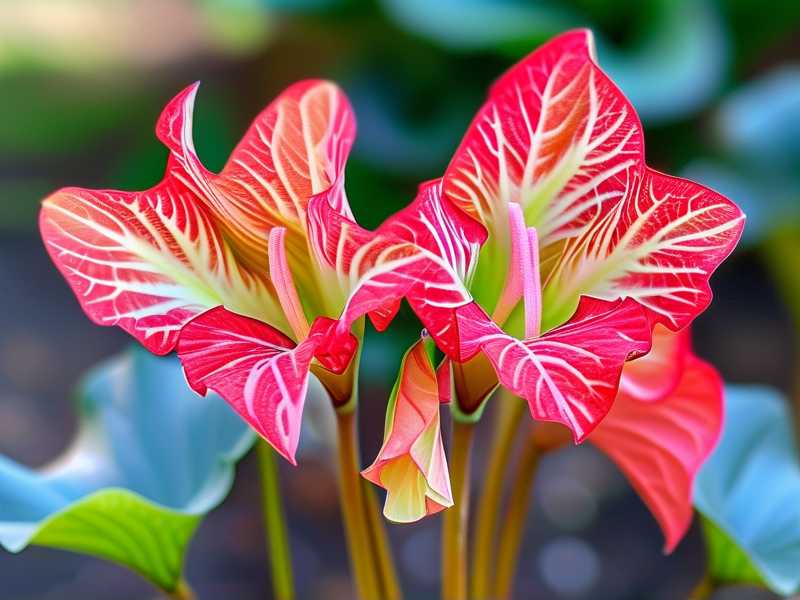
Let's start with the basics because most people get this wrong. Caladium Red Flash is a tropical plant from South America. It naturally grows on the forest floor beneath bigger canopies, which means it gets dappled light and consistent warmth. It doesn't like extremes. It hates cold drafts, and honestly, it despises stagnant heat above 90°F.
I remember reading about the temperature sweet spot. The American Horticultural Society (AHS) notes that tropical aroids thrive when nighttime temperatures stay above 65°F. And the Royal Horticultural Society (RHS) confirms that caladiums are not frost-hardy and need warm conditions year-round. But what those authoritative sources don't tell you is how quickly things go wrong inside an average home during a heatwave.
So here's the breakdown that actually matters for your home:
- Daytime temps: 75°F - 85°F is ideal
- Nighttime temps: 65°F - 70°F minimum
- Soil temp: Keeps tubers dormant or active depending on range
When I say I killed two plants before I learned this, I'm not exaggerating. My first mistake? I placed my Caladium Red Flash right next to a west-facing window because I thought "more light equals more color." The sun blasted that pot for six hours. The soil hit 95°F by noon. The tuber was basically slow-cooking.
Why Temperature Matters More Than Water
Here's the thing that caught me off guard. The internet is full of fertilization schedules and repotting tricks. But nobody really emphasizes that temperature governs everything. The tuber either sits dormant or pushes out leaves based on heat signals. If the soil is cold, nothing happens. If the soil is too hot, the plant shuts down to survive.
I checked my soil temperature with a cheap digital probe every morning for two weeks. What I found was alarming. The surface of the potting mix would heat up to 88°F by mid-morning, but the root zone stayed around 92°F in the afternoon. The leaves looked scorched and the petioles were flopping over, even though I was watering every day. That's when I realized I was dealing with a heat problem, not a thirst problem.
3 Deadly Mistakes Newbies Make (I Made All Three)
Mistake #1: Overwatering as a Reaction to Heat
I cannot tell you how many people I see doing this. Leaves droop, so they water more. Let's just say it plainly: 90% of indoor plants die from overwatering. When temperatures spike, the plant actually reduces water uptake because the root system is stressed. Adding more water creates root rot conditions.
I was watering my Caladium Red Flash twice a day at one point because I panicked. The result? Soggy soil, mushy tubers, and a fungal smell coming from the drainage holes. It took me weeks to recover from that.
What works now: I use a moisture meter. I only water when the top inch of soil feels dry. And I always check the temperature first. If the soil is above 88°F, I wait. I let the plant cool down before adding more water.
Mistake #2: Wrong Light Position
Light and temperature are tied together. You can't separate them. A south or west window in July is an oven. East-facing light is gentler. North-facing is usually too dark for the plant to produce that red flash.
I put my plant on a west window shelf, thinking the afternoon sun would boost leaf color. It did. Then it killed the leaves. The chlorophyll was literally breaking down in the heat.
The fix I tested: I moved the plant to an east-facing table about three feet from the glass. Morning sun hits it for about three hours, and then it gets bright indirect light for the rest of the day. Then I added sheer curtains and that dropped the leaf surface temperature by almost 10°F.
Mistake #3: The Wrong Pot Makes Temperatures Spiking Worse
Dark plastic pots are terrible for hot climates. They absorb solar radiation and bake the soil. I tested this with two identical Caladium Red Flash plants in the same room. One was in a dark plastic pot, the other in a ceramic glazed pot. The soil in the plastic pot was consistently 6 degrees hotter by 3 pm.
Also, if your pot is too small, the soil volume heats up quickly. A larger pot retains a more stable temperature. I switched from a 6-inch pot to an 8-inch pot with a light-colored ceramic shell. That simple swap changed everything.
My Two-Week Experiment: Step-by-Step
Alright, here's what I actually did to stabilize my Caladium Red Flash. I test this over fourteen days and kept notes. You can copy my exact routine.
Day 1 - Baseline Assessment
I took my struggling plant and checked the soil temperature. It read 92°F. I immediately moved it away from the west window. I also trimmed the two most scorched leaves because they were toast and just wasting energy.
Day 2 - Relocation and Shade
I placed the plant on a north-east table and put a sheer white curtain over the window. I also added a small layer of white pebbles on top of the soil surface to reflect light away from the potting mix. That seemed like a hack, but the surface soil temp dropped from 88°F to 81°F.
Day 3 - Checking Drainage and Aeration
I checked the roots by very gently sliding the plant out of the pot. The roots were brownish at the edges and the soil smelled sour. That was overwatering damage. I repotted into fresh, airy mix — one part regular potting soil, one part perlite, one part orchid bark. Light-colored ceramic outer pot over the plastic nursery pot. This double-pot method creates a buffer against temperature swings.
Day 4-7 - Monitoring
I tracked soil temp every morning and evening. Morning readings hovered at 73°F. Afternoon peaked at 84°F in my hottest room. Leaves stopped curling. The remaining leaves perked up noticeably by Day 6.
Day 8-10 - Gentle Acclimatization
I noticed the plant was getting enough heat, but the humidity was low. It was about 40% in my apartment. I placed a shallow tray with wet pebbles under the pot. Average humidity rose to 55% around the foliage. The leaf edges stopped browning.
Day 11 - First New Leaf
On the morning of Day 11, I spotted a new unfurling leaf near the base. That was the signal that the temperature stress was over. New growth doesn't happen when the plant thinks conditions are hostile.
Day 14 - Full Assessment
The plant had two new leaves forming and the existing leaves stood upright. Soil temperature ranged between 74°F (night) and 83°F (day). I didn't fertilize during this entire period because I know fertilizers can stress heat-affected roots. The recovery was essentially done.
How to Control Temperature Between Seasons
The challenge isn't only summer. Spring and autumn can be tricky because indoor temperatures fluctuate. In spring, nights drop below 60°F. That's dangerous because the tuber might stop growing and rot in cold wet soil.
I learned this the hard way when I brought a tuber out of storage too early. Nighttime temps in my hallway hit 58°F. The tuber just sat in the pot for a week with zero growth and started softening. I almost lost it.
Rules I follow now:
- I don't move Caladium Red Flash outdoors until nights stay a minimum of 65°F consistently. That rule comes from both RHS and AHS recommendations for tender bulbs.
- When the season shifts and heating gets turned on, I keep the plant away from radiator hotspots. Radiators easily push the soil temp above 92°F.
- In cold months, I use a seedling heat mat planted under the pot to keep soil above 70°F. But I always attach it to a temperature controller that turns it off at 80°F.
Signs Your Caladium Red Flash Is Too Hot
You have to know what heat stress looks like before you can fix it.
- Leaf edge cupping: The margins of the leaf curl upward like a taco. That's a heat response to reduce surface area exposed to the sun.
- Drooping stems: If the petiole starts bending at the base, it's usually heat overload, not under-watering.
- Bleaching: Red and green areas turn pale. Pigment breaks down when leaf surface temps exceed 95°F.
- Brown crispy margins: This means the leaf cells have cooked and died. Those spots will never heal.
If you notice any of these, act immediately. Move the plant, shade the pot, check the soil temperature. Don't water until you feel the soil.
Signs Your Caladium Red Flash Is Too Cold
Cold is less common in summer, but more dangerous during spring.
- Soft, glassy-looking leaves: This is cellular damage from cold exposure. The plant basically gets frostbite, but without visible frost.
- Slow or zero growth: If the soil stays below 60°F, the tuber stays dormant.
- Wet soil that never dries: Cold soil slows evaporation. If the pot stays damp for more than 7 days, check for rot.
I recommend not even trying to plant tubers outside until the average soil temperature hits at least 68°F. If you're using a soil heating mat, you can start earlier indoors, but it's a patience game.
Long-Term Heat Control Strategies for Home Growers
If you live in a hotter climate, you can't just rely on indoor placement. You need mechanical aids. Let me share what actually works after you've exhausted curtain and repositioning tactics.
Use a thermometer with a probe. I have a cheap one with a six-inch probe that I stick directly into the pots. I installed a small greenhouse thermometer with a remote monitor so I can check the soil temp from my living room couch. That sounds over-the-top, but it saved my plant.
Try a small USB fan. Airflow improves transpiration and cooling. I point a small desk fan at the pot on low speed for a few hours in the afternoon. That dropped the leaf surface temperature by about 5 degrees. It mimics the natural breeze they get under the forest canopy.
Shade cloth is a game changer. If you're growing in a greenhouse or near a bright window, get 40% shade cloth. It cuts down the extreme light but maintains decent brightness. The red flash color remains vivid. That's what I use now for all my harder-to-grow aroids.
Consider grouping plants. I group my Caladium Red Flash with other tropicals like the Alocasia and Philodendron. They release moisture through their leaves, and that raises the humidity in their immediate area. It also provides shade for each other's pots. My plants are so much happier since I started clustering them.
White plastic is your friend. I wrapped a white towel around a dark pot once in a pinch. It reflected sunlight and dropped the soil temperature by 7 degrees. Now I just use white pot covers full-time.
FAQs
How Often Should I Water Caladium Red Flash in Hot Weather?
I recommend checking the soil moisture every 2–3 days, not watering on a fixed schedule. Stick your finger one inch deep. If it's dry, water thoroughly until it runs out the bottom. If it's still damp, wait. During my two-week experiment, I only watered on Days 4, 7, and 11. The plant recovered faster when I didn't overwater.
What Temperature Is Fatal for Caladium Red Flash?
Any sustained temperature below 60°F is lethal to the tubers if they're actively growing. Cold drafts cause shock and leaf collapse within hours. On the high side, sustained soil temperatures above 95°F will cook the roots. The plant will go dormant or die. The safe range is essentially between 65°F and 90°F, but the sweet spot is right at 80°F.
Can I Keep My Caladium Red Flash Outdoors in Summer?
Yes, but only if your night temperatures don't dip below 65°F. Also, avoid places with direct afternoon sun. I kept mine on a porch with eastern exposure, under a shade cloth, and it did beautifully. I brought it in when the weather report said the nights would drop below 65°F. Simple as that.
Final Thoughts on Mastering Heat Control
You don't need expensive equipment to keep your Caladium Red Flash alive. You just need to understand that this plant is a rainforest floor dweller. It loves consistency and hates extreme swings. I managed to rescue my plant by simply relocating it, covering the pot, and slowing down my watering habit.
Remember, temperature management is the single most reliable thing you can do. A greenhouse for high humidity helps, but a corner with stable temperature does the job almost as well. Start with a thermometer probe. Monitor the soil, not just the leaves. And seriously, stop watering out of panic. Give your plant a week in the right spot with the right conditions and it will thank you. That's honestly the whole secret.





