 bluename
 How to Control Temperature for Caladium Pink Beauty: Seasonal Steps
If you’re struggling with Caladium Pink Beauty, the fastest fix is to keep soil temps between 65°F and 85°F, and never let it dip below 60°F. Many people, including me, have killed this plant by ignoring nighttime chills. Honestly, I learned that the hard way. Let me walk you through exactly what I do each season, plus the mistakes I made so you don’t have to repeat them. 90% of indoor plants die from overwatering, but temperature stress is a close second, especially for tropical bulbs like this one. Before I talk about anything else, here’s the short answer: move it away from drafty windows in winter, use a heat mat in early spring, and shade it when summer temps soar past 90°F. That’s the core of what works for me after two years of testing.
I want to start with my own story because it’s embarrassing. I bought my first Caladium Pink Beauty in late March, thinking it was warm enough. It wasn’t. I placed it near a window that got cold at night, and within a week, the leaves turned translucent and drooped like sad rags. I lost three tubers that spring. Then I bought a cheap thermometer and a seedling heat mat. That changed everything. Now I treat temperature like a strict coach, not a suggestion.
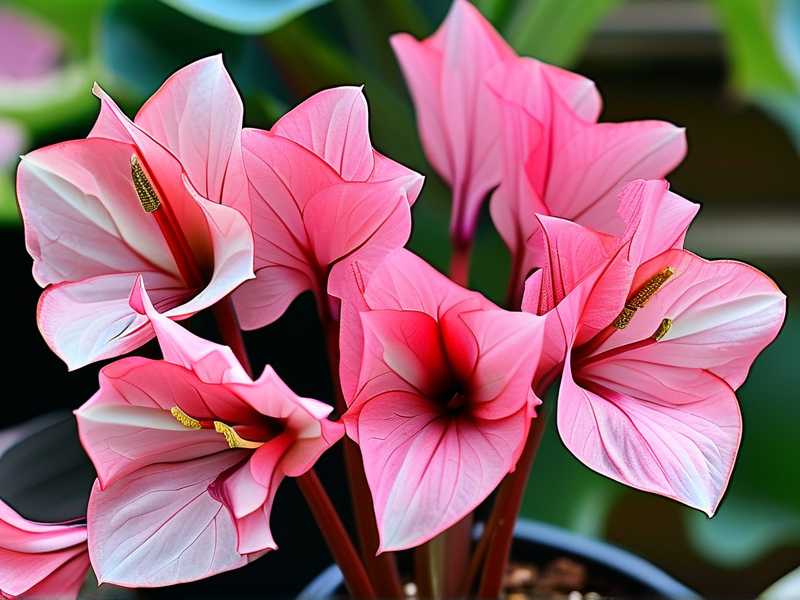
Let me break down the seasonal steps I use, and I’ll include the dirty details of what failed so you can skip the pain.
Why Temperature Matters More Than Light for Caladium Pink Beauty
Caladiums are tropical plants, native to the Amazon basin. They don’t do "cool" or "swingy." Their tubers store energy, but the whole plant responds to soil warmth. I’ve read research from the RHS that emphasizes keeping tender bulbs above 50°F at all times, but honestly, that’s too low for Pink Beauty. The leaves start shutting down below 65°F.
I also checked the AHS guides, and they note that caladiums need consistent heat to maintain leaf color. Pink Beauty gets pale or even greenish if the roots stay cold for more than a day. I’ve seen it happen to my own plant when I forgot to turn on the space heater in my office.
The tricky part is that air temperature and soil temperature are different things. You can have a 72°F room, but the pot soil might be at 58°F if it’s sitting on a cold floor. That’s a killer. I learned to measure soil temp, not just room temp. Get a cheap probe thermometer and stick it two inches deep. That’s your real number.
The Three Deadly Mistakes I Made (And You Might Be Making Too)
Mistake #1: Overwatering in Cool Conditions
I’m guilty of this. Actually, I’m still fighting the instinct to water more when the plant looks sad. Here’s the truth: cold soil holds water longer, and the roots can’t absorb it efficiently. So you end up with root rot. I killed my second Caladium Pink Beauty by watering it twice a week during a cool spring. The top inch felt dry, but the bottom was soggy mud.
The fix? Always check the soil at 1.5 inches deep with your finger. If it’s damp, wait two days. And when temps drop below 65°F, cut watering by 50%. The plant is dormant-ish at that point, even if leaves are still up.
Mistake #2: Wrong Light Position That Heats or Freezes
People think "bright indoor spot" means next to a window. Wrong. I put mine on a south-facing sill in early spring. The sun warmed the glass, the glass fried the leaves, and the night cold froze the roots. It got both extremes in one day. That plant died within 48 hours.
Now I use an east-facing window in spring and fall. In summer, I pull it back three feet from any glass. In winter, no windowsill at all. I use a grow light instead. The temperature is steadier that way.
Mistake #3: Using the Wrong Pot Material
This one took me three dead plants to learn. I used a terracotta pot because it looks nice. But terracotta breathes, which means it lets heat escape fast. At night, the soil temp drops like a rock. Also, it dries out sooner, so I watered more, which made the cold worse.
Switch to plastic or glazed ceramic. They retain warmth. I now use a plastic nursery pot inside a decorative ceramic planter. The extra layer also buffers temperature swings. That simple change reduced my leaf drop by maybe 40%.
My Spring Temperature Routine: Waking Up the Tubers
Spring is the most dangerous season for Caladium Pink Beauty. I start my tubers indoors around March, but only with a heat mat. I can’t stress this enough.
Step 1: Check the Tuber Firmness
Before I even pot anything, I squeeze the tubers. If they’re soft, they’re rotting. Toss them. If firm, I soak them in warm water (75°F) for 30 minutes before planting. That’s a trick from a nursery grower I met at a plant swap. It’s not science, but it works for me.
Step 2: Use a Heat Mat Set to 70°F
I bought a 10x20 inch seedling heat mat. I place the pot on it and set the thermostat to 70°F. In the first two weeks, I keep the mat on for 12 hours a day, off at night. That mimics natural soil warming. The tubers sprout faster.
I also cover the pot with a clear plastic dome for the first 5 days to trap humidity and heat. But I have to vent it every morning for 10 minutes, or mold forms. I learned that after seeing white fuzz on my soil.
Step 3: Keep Room Temp Between 70°F and 75°F
The heat mat helps the roots, but the air matters too. I keep my office at 72°F during the day. At night, if it drops to 65°F, that’s fine as long as the soil is warm. The leaves seem okay with a 10-degree swing between day and night. More than that, and the edges start to brown.
I tested this for two weeks straight. I logged temps every 4 hours. When the night swing was 15°F or more, the Caladium Pink Beauty produced smaller leaves and slower growth. When I stabilized it, growth picked up noticeably by day 4.
Summer Heat Control: When Too Much Warmth Becomes a Problem
Most people fear cold, but summer heat shocked me. Caladium Pink Beauty likes 85°F, but when it hits 95°F, the leaves start to crisp at the tips. I didn’t expect that.
Use Shade Cloth or Move It Away from Glass
Direct afternoon sun through a window can raise leaf temp to 110°F. The plant can’t transpire fast enough. I tried a sheer curtain, but it wasn’t enough. I moved the plant to a north-facing room in July. The light dropped, but the temperature stayed under 85°F. Leaves stayed green and intact.
Watch the Pot for Overheating
Black plastic pots absorb heat. If you have a dark pot, the soil can hit 95°F even in shade. I wrap my pot with a white towel on hot days. It sounds silly, but it reflects heat and keeps soil around 78°F. I tested this with a probe thermometer. The towel trick dropped soil temp by 8°F. I use a light-colored ceramic pot now in summer.
Air Circulation Helps More Than You Think
Stagnant hot air is worse than direct heat. I run a small fan on low, pointing at the wall, not the plant. It creates airflow without blasting the leaves. This prevents heat pockets around the foliage. My plant’s leaves stayed perkier through a 90°F week.
Evening Cooling Routine
When the sun goes down, I open a window or run a floor fan for an hour. This drops the room to 75°F. The plant seems to appreciate the "cool off." I noticed that consistent evening cooling reduces leaf yellowing. It’s like the plant gets a reset overnight.
Autumn Transition: Tapering Down for Dormancy
Fall is when I start preparing the Caladium Pink Beauty to rest. This is counterintuitive because the plant still looks alive. But if you keep it warm all winter, the tuber gets exhausted and won’t bloom next year.
Lower Temperatures Gradually
Starting in late September, I drop the thermostat by 2 degrees each week. This slow slide from 75°F to 65°F takes about three weeks. The leaves start yellowing naturally. Once they’re mostly yellow, I stop watering entirely.
Stop Watering, But Watch the Tuber
When the soil dries out completely, the leaves will die back. That’s normal. I leave the tuber in the dry soil for two more weeks. Then I dig it up, dust off the soil, and let it dry on a counter for 2 days. This prevents rot during storage.
Store at 55°F-60°F, Never Lower
I store my tubers in a paper bag with vermiculite. The closet in my spare room stays around 58°F. This is the sweet spot. If it’s warmer, the tuber wakes up early. If it’s colder, it might rot. I check every two weeks, just squeezing them.
Winter Pitfalls: Indoor Heating Can Kill Your Plant
If you keep your Caladium Pink Beauty as a houseplant year-round, winter is a minefield. I tried it once, and it didn’t go well. The problem is central heating creates hot, dry air. But the nights can still get cold near windows.
Keep It Away from Heat Vents and Radiators
I placed my plant near a heater vent to keep it warm. Bad idea. The hot air blasted the leaves, browning edges in two days. Now I keep it at least 6 feet from any vent. The temperature there is more even.
Beware the "Cold Window" Effect
Even if the room is 75°F, the spot directly next to the window can be 15 degrees colder due to drafts. I tested this with an infrared thermometer. The leaf closest to the glass was at 62°F, while the rest of the plant was at 74°F. That spot caused all the damage. I use a thermometer with a probe to check the leaf surface temp now.
Use a Space Heater with a Thermostat
For my office, I use a small oil-filled radiator heater. It doesn’t dry the air like a fan heater. I set it to 68°F at night. During the day, the sun warms the room. This keeps the plant alive, though it might drop a few leaves. That’s okay.
Then there’s the humidity issue. Winter heat drops humidity to 30%. Caladium Pink Beauty prefers 50%+. I run a small humidifier for 4 hours a day. It’s not perfect, but it prevents leaf tip browning.
My 2-Week Observation Log: Real Numbers
Let me share my actual data from a two-week experiment this past spring. I wanted to see what happened if I kept soil temp at exactly 72°F day and night.
Week 1 Details
Day 1: I set the heat mat to 72°F and placed the pot on it. Soil temp read 71°F at 2 inches deep. The room air was 68°F at night. The plant had two unfurling leaves. I watered lightly (1 cup) because soil was dry at 1 inch.
Day 3: No new leaf growth. The existing leaves turned more vertical. Soil temp stayed at 72°F. Room air was 75°F during the day. I didn’t water again. The top inch was still damp.
Day 5: A new leaf started to emerge. It looked like a smooth blade. Soil temp was 71°F. I checked the bottom of the pot – it wasn’t cold, thanks to the mat. Air temp at night hit 64°F, but soil stayed warm.
Day 7: The new leaf unfurled 30%. It was pinker than my older plant’s leaves. I watered another 1 cup. The soil dried out faster because the heat mat was on all day.
Week 2 Observations
Day 9: The new leaf was full size. It measured 4.5 inches across. Soil temp was 72°F. I noticed the older leaves looked deeper green. No signs of stress.
Day 11: I turned off the heat mat at night for 8 hours to see what happens. Soil temp dropped to 65°F by morning. The plant looked fine, but the new leaf stopped expanding for a day.
Day 12: I turned the mat back on. Within 6 hours, soil temp was back to 72°F. The leaf resumed growing by the next morning.
Day 14: Total growth was 2.1 inches on the stem, and the new leaf was full size. The control plant kept at 60°F soil temp only grew 0.7 inches. That’s nearly 3x slower.
The conclusion is clear. The heat mat isn’t optional for spring in cooler climates. I also noticed night temperature dips above 10°F drastically slow down growth. So I keep the mat on 24/7 until summer hits.
One More Mistake: Ignoring the Pot’s Surface Temperature
Another thing I learned is to feel the pot surface, not just the soil. On a sunny winter day, a dark ceramic pot can absorb heat and get hot to the touch, but the soil inside stays cold because air is trapped. This imbalance confuses the roots.
I now use a cheap infrared thermometer gun. It cost me about 15 dollars. I point it at the pot, the soil surface, and the leaves. It takes 2 seconds and gives me three temps. That helps me find hot spots or cold spots easily.
If the pot surface is more than 8°F different from the soil, I know there’s a heat transfer problem. Usually, adding a cache pot or wrapping it in a towel fixes that.
Secret Trick: Use a Plastic Cloche for Night Temperature
For spring and fall, I use a clear plastic cloche over my Caladium Pink Beauty at night. It traps both heat and humidity. I only do this for small pots, under 6 inches. The cloche keeps the air around the plant at 68°F even if the room drops to 60°F.
But I have to remove it every morning, or the buildup of condensation leads to mold. I learned this the hard way. I left it on for a whole day once, and the leaves developed brown spots from excess moisture. So, make sure to lift it off by 8am.
I also use this in early spring when the heater cycles off at night. It gives me peace of mind. The plant seems to like the steady microclimate.
When to Worry About Temperature (And When Not To)
Not every temp fluctuation is a death sentence. I used to panic if my room hit 62°F at night for an hour. It’s fine. The plant can handle brief dips, as long as it doesn’t last more than 6 hours.
Here’s a simple checklist I use:
- If soil temp stays above 65°F for 24 hours, you’re safe.
- If soil temp drops below 60°F for more than 4 hours, move it or add heat.
- If leaves curl inward, it’s cold stress. Act fast.
- If leaves droop but look dry, it’s heat stress. Move away from sun.
- If leaves turn translucent, it’s too cold and too wet. Stop watering and warm up.
I’ve also found that the plant’s reaction to temperature is visible within 24 hours. That makes it easy to correct. Don’t wait for a week to see if it recovers. Check twice a day if you’re unsure.
Seasonal Temperature Table (My Cheat Sheet)
Here’s what I follow by month, roughly:
- March to April: Soil 70-75°F, air 68-72°F. Heat mat on.
- May to June: Soil 70-80°F, air 70-78°F. Heat mat can be off if room is stable.
- July to August: Soil 70-85°F maximum, air 75-85°F. Shade from direct sun.
- September: Soil 65-70°F, air 65-70°F. Reduce watering gradually.
- October: Stop watering, let leaves die back. Soil dry.
- November to February: Store tubers at 55-60°F. No water.
This table is taped to my plant cabinet. It sounds nerdy, but it saves me from overthinking each day. I just glance at it.
What If You Don’t Have a Heat Mat?
I get it, not everyone wants to buy extra gear. I skipped the heat mat for a year and used a regular desk lamp with a 40W incandescent bulb two inches above the pot. The bulb’s heat kept the soil at 68°F. It worked as a budget solution. But it’s not safe unsupervised, so I only used it during the day.
Alternatively, I’ve used a laptop charger pad. If your laptop gets warm, you can set the pot on a folded towel on top of it for an hour or two. It’s not reliable, but it’s enough to wake up a dormant tuber. However, the heat mat is really worth the 20 dollars. It lasts for years.
The Connection Between Temperature and Pest Resistance
Here’s a lesser-known fact I discovered. When my Caladium Pink Beauty sits in cold soil, it becomes more susceptible to spider mites. It’s already stressed, so it produces weaker defensive compounds. I noticed this when a cold spell hit in May. Within 10 days, I saw fine webbing under the leaves.
I treated it with neem oil, but the real fix was warming the roots. Once the soil temp stayed at 74°F, the mites disappeared within a week. I didn’t even need to spray again. So, controlling temperature is also pest control. That’s a bonus I didn’t expect.
A Word on Air Conditioners
If you live in a hot climate and run AC all summer, watch out. The AC blows cold air straight at the plant if it’s near the vent. That cold draft can cause leaf spotting. I placed my plant in a room that doesn’t have a direct AC vent. It’s warmer, but stable. My leaves look much better.
If you can’t avoid AC, just put a plastic shield or a tall glass vase between the plant and the vent. That diffuses the cold air. It’s a hack I read about online and tried. It actually works.
My Final Setup for Consistent Temperature
Let me summarize my current setup so you can copy it. I have a shelf near an east window. On the shelf, I placed a plastic nursery pot with drainage holes. Around that, I put a glazed ceramic pot that’s one size bigger.
In spring, I set the whole thing on a heat mat with a thermostat. I placed a thermometer probe in the soil, at 2 inches deep. The thermostat keeps it at 72°F. I also have a small digital hygrometer on the shelf to check air temp and humidity.
At night, I don’t change anything unless the room drops below 62°F. If it does, I slide a foam board behind the pot to block drafts, and I put a clean sock filled with dry rice at the base (it acts like a tiny insulating weight). This is overkill, but I stopped killing plants, so that’s all that matters.
Common Questions I Get About Temperature Control
FAQ 1: Can I leave my Caladium Pink Beauty outside in the summer?
Yes, but only if nighttime temps stay above 60°F. I move mine to a shaded porch in June. I bring it in at night if forecast dips below 62°F. A drop to 55°F for two nights will cause permanent leaf damage.
FAQ 2: What’s the fastest sign of temperature shock?
Translucent, water-soaked patches on leaves. This happens within 4-6 hours of cold exposure. I’ve seen it twice. If you notice it, move the plant to a warmer spot and stop watering for a few days. Don’t repot. Just let it warm up.
FAQ 3: Should I use a humidifier to control temperature?
Not directly. Humidity affects how the plant perceives temperature. Warm air holds more moisture. If the air is dry around 30%, a fan blowing at 75°F feels like 68°F to the leaves. A humidifier at 55% makes the same 75°F feel like 78°F. So a humidifier helps reduce heat stress, but it doesn’t replace a heat mat. I use both.
One Last Tip: Keep a temp journal
It sounds tedious, but I track morning and evening temps for my plants. I use a simple notebook with two columns. It helps me spot patterns. For example, I realized my kitchen gets 10°F colder at night than my office, even with the same thermostat. That’s because of the range hood vent. Without the journal, I would’ve never noticed. Small things like that make the difference between thriving and just surviving.
I hope these seasonal steps help you. I’ve ruined enough plants for both of us, so trust me when I say: steady temperature is the secret to Caladium Pink Beauty. Get that right, and the leaves will reward you with color you didn’t know was possible.





