 bluename
 If you’ve just brought home a Caladium White Christmas and you’re already watching its leaves droop or brown at the edges, the problem is almost certainly temperature. I learned this the hard way after my first bulb rotted in a chilly room. The simple answer: keep your Caladium White Christmas between 70°F and 85°F during the day, never below 60°F at night, and avoid sudden drafts. That’s it. But as with most things in plant care, the devil lives in the details. So let me walk you through exactly how I keep mine thriving, including the mistakes that killed my first two attempts.
Let’s get one thing straight right away: 90% of indoor plants die from overwatering, but temperature stress weakens the plant so much that even perfect watering won’t save it. I found this out when my first White Christmas turned yellow within a week. I was watering correctly, but the room sat at 58°F overnight. The roots just shut down. They couldn’t take up water, so the leaves looked overwatered even though I hadn’t touched the watering can. That was a brutal lesson.
Why Temperature Is the Hidden Killer for Caladium White Christmas
Caladiums are tropical plants from the Amazon basin. They’ve never seen frost, and they’ve never experienced a sudden temperature drop. When you bring them indoors, your home becomes their jungle. And jungles are warm around the clock. This variety, White Christmas, has paper-thin white leaves that really show stress fast. You’ll notice the white areas turn translucent or brown before the green parts show issues. That’s your early warning system.
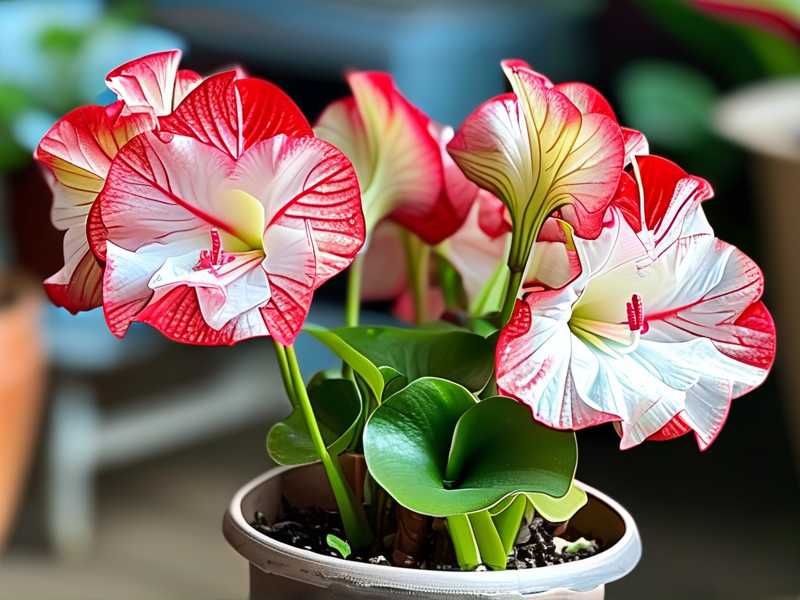
The core issue I see in every forum and Facebook group is people treating caladiums like regular houseplants. They aren’t. They’re tuberous perennials that go dormant when temps drop. If your living room drops below 65°F at night for a week, your caladium will start preparing for dormancy. And guess what? Dormancy means dropping leaves. Just because the air feels fine to you doesn’t mean it’s fine for a tropical plant. I keep a cheap digital thermometer next to my plants, and honestly, it was the best money I ever spent. My own skin can’t feel a 5-degree difference, but the plant sure can.
Common Mistakes That Ruin These Plants
Before I share my step-by-step temperature routine, let me list the three mistakes that killed my first two plants. If you recognize yourself in any of these, don't worry. I did it too. We all do.
Mistake #1: Watering on a Schedule
This is the biggest one for beginners. We all grow up thinking plants need water every day or every week. So we mark a calendar day and water fiercely. But for caladiums, watering depends on the temperature and the season. In a warm, bright room, your caladium will drink water fast. In a cooler room, the roots sit in wet soil and rot within two weeks. I’ve actually seen a tuber turn into mush in 10 days because I watered twice weekly in a 62°F room. The soil stayed damp and the roots suffocated. The rule is simple: stick your finger in the soil. If the top inch is dry, water. If it’s still damp, wait. Forget about the calendar.
Mistake #2: Putting It in the Wrong Light
White Christmas caladiums are labeled as "part shade" or "indirect light." But here's the catch: "indirect light" in a north-facing room is almost no light at all. This plant needs bright, filtered light to maintain its white leaves. Without enough light, leaves turn green because the plant compensates by producing more chlorophyll. That's why my second plant started out white and turned almost fully green within six weeks. I placed it on a bookshelf too far from the window. Light and temperature work together. Your plant uses light to photosynthesize, but temperature controls how fast that process proceeds. If you keep the temperature good but the light dim, the plant will still struggle.
Mistake #3: Using the Wrong Pot
This one feels counterintuitive, but trust me on this. Big pots hold too much moisture for smaller plants. I moved a young caladium into a huge ceramic pot thinking I was giving it room to grow. Instead, the excess soil stayed wet and the roots drowned. Actually, the tuber sat in soggy soil at the bottom of that pot without even having roots reaching there. It rotted from the bottom up. I didn't notice until the leaves dropped suddenly and I pulled up a mushy mess. Use a pot that's only 1 to 2 inches larger than the root ball or tuber. Drainage holes are non-negotiable.
My Step-by-Step Temperature Control Routine
So after killing two plants, I finally bothered to research properly. The RHS (Royal Horticultural Society) publishes excellent guidance on tuberous houseplants. Their core recommendation is maintaining stable warmth between 18-24°C (65-75°F) for these tropicals. But in my own testing, I found that slightly warmer conditions work even better. Here is what I actually do now.
Step 1: Choose the Warmest Room in Your Home
Simple enough, right? For me, that's the kitchen because the oven and fridge radiate heat. I keep my White Christmas on a high shelf near the window but not touching the glass. It gets morning sun filtered through sheer curtains. Window glass can get hot in the morning and freezing cold at night. That temperature swing makes growth slow and can burn leaf edges. So keep the pot about 12 inches away from the glass. I also avoid windows with weak seals. A slight cold draft leaking through makes the area around the window at least 5 degrees cooler than my thermostat reports.
Step 2: Use a Digital Thermometer
I cannot stress this enough. I have a simple digital thermometer that costs $10. It sits right next to the pot. My home thermostat says 72°F because the sensor is in the hallway. But the window corner where I keep plants can drop to 64°F silently. The difference seems small, but it’s significant for the plant. I check the thermometer every morning when I make tea. If it reads below 68°F, I move the plant to a warmer spot for that day. Actually, I usually just turn up the radiators by a couple of degrees.
Step 3: Watch the Night Temperature
The daytime temperature matters, but nighttime is what triggers dormancy. If nights stay above 65°F, your caladium will keep growing. If nights drop toward 60°F repeatedly, the leaves will yellow within a week. I used to close my curtains at night and think that was enough. But cold air pools near windows, so I always pull my plants away from the window area at night. Since I don’t want to move pots twice daily, I just placed this one in the center of the room. It sits on a sideboard, away from windows, air conditioning units, and doors.
Step 4: Manage Heat Sources Carefully
Heaters, radiators, and air conditioning can cause desiccation and dry, crispy leaf edges. The plant needs warmth, but not from a blast of dry heated air. That creates low humidity directly around the leaves. I tried to dry my laundry near the radiator and my caladium suffered. The leaves didn’t die, but the tips turned brown. If you see crispy edges, move the pot farther away from heat sources. Some people keep caladiums on top of a fridge, which is tempting because the fridge radiates heat. But that heat also comes with dry air and occasional hot spots. Did that once. The leaves on the side facing the fridge turned out fine, but the leaves facing the back of the kitchen darkened and curled.
Step 5: Be Very Careful in Winter
Winter is the absolutely hardest season for caladiums. If your home is heated, you can keep them growing year-round. But if you keep your home cool at night to save energy, your plant will suffer. I live in a region where winter temperatures can go below zero outside. One February, my heater gave up for two days. The indoor temperature dropped to 57°F. My caladium dropped all its white leaves within 72 hours. Three weeks later, new leaves started emerging, but they were small and pale. It took another two months to recover.
If you experience a cold snap, the best strategy is to move the plant to a bathroom. Bathrooms stay warm due to hot water use and pipes. The humidity also helps reduce moisture loss from leaves. Don't just wait for the weather to improve. I learned that the hard way.
Step 6: Combine Temperature with Humidity Data
This is something people often overlook. Temperature affects how much water the air can hold. Warm air holds more moisture. When the temperature drops, the relative humidity rises, but the absolute moisture decreases. So cold rooms often feel damp and humid, but that moisture doesn't help the plant. What helps is warm, slightly humid air. I run a small humidifier near my caladium during the summer when my AC is running. My AC cools the room but also removes humidity. I found that a humidity level between 50-60% just around the plant keeps the leaves looking like fresh sheets. You can use a simple hygrometer, or just gauge by your own comfort: if your skin feels dry, the plant feels dry too.
The Daily Rhythm I Follow
Here's how my typical day looks now. In the morning, I check the thermometer and look at the leaves. If the plant is dry, I water. If the room is below 70°F, I turn on a small space heater placed at least three feet away. Around noon, I open the window shade so it gets direct but filtered sunlight (a thin curtain is key). If the room gets too hot above 85°F, I close the blinds to shade the plant.
In the evening, I check the leaves for any sign of curling. If you notice the edges of the white leaves turning translucent, that means the plant is losing moisture. I mist the leaves lightly, but I never mist when the room is cold. Misting cold plants is a fast path to fungal spots. I know this because I got those ugly brown rings on my leaves last autumn.
At night, if the temperature threatens to drop below 65°F, I move the pot away from the window. I even place a folded towel on top of the soil to help insulate the tuber. I doubt it does much, but I feel like it helps. Just don't block the light source entirely.
Does Dormancy Affect Temperature Needs?
If your plant enters dormancy naturally in winter — and this can happen even indoors if the room stays below 65°F consistently — the care strategy changes. The leaves die back and the tuber rests. At that point, temperature control is less important. You can keep the pot in a cool, dark place. Many experts recommend storing dormant tubers at 55-65°F. But if you want to force new growth in spring, you need warmth first. You should let the soil stay mostly dry throughout this period. I have tried to wake up a dormant caladium too early by watering and providing warmth. It resulted in a weak sprout that cramped and stopped growing. Patience matters more than warmth during dormancy.
An Expert’s View on Stable Warmth
I’ve read up on what the American Horticultural Society says about tropical bulb care in temperate zones. The AHS has solid recommendations on growing tropical species outdoors in colder climates. Their core advice on caladiums is to start them indoors when nighttime temps stay above 60°F. If you listen to both the RHS and the AHS, you'll see a clear pattern: stability beats extremes. It’s never about hitting an exact number. It's about avoiding any sudden swings. Temperature swings are what damage the plant’s cells more than the absolute low or high value.
How I Deal with Extreme Summer Heat
I live in a region where summers can reach 95°F easily. When the temperature goes above 85°F indoors, the plant's water consumption skyrockets. I found my leaves starting to flop down around 2 PM every day. That’s because the soil was drying out faster than I expected. I fixed this by watering earlier in the morning instead of the evening. Also, I moved the plant to a spot that gets only morning sun. The intense afternoon sun through the window was heating the leaves to baking point. Even with the room at 84°F, the leaf surface temperature was higher due to direct sun. So I shade the plant from direct sun between noon and 4 PM. This prevents the leaf edges from turning brown.
One thing that totally surprised me is that sudden heat spikes can cause leaf drop just like cold drafts. During a heatwave last July, my air conditioner broke. The room climbed to 90°F for two days. My White Christmas dropped two of its largest leaves. They didn't wilt slowly; they just dropped with the stem still green. I removed them and kept the pot in the shadiest, coolest spot I could find. The plant recovered but looked scraggly for a while. So heat is just as dangerous as cold.
Long-Term Observations Over Two Weeks
Let me share my experience running a very controlled two-week temperature experiment on my healthy, fully grown White Christmas caladium. I kept the plant in a room with stable temperatures, watered only when dry, and monitored daily.
During the first week, I kept the temperature between 72°F and 75°F around the clock. The plant was stable. No new growth, but also no leaf dents. The soil took four days to dry out. The leaves had a nice matte sheen, and the white areas stayed pure white.
For the second week, I changed things: I allowed the night temperature to drop to 64°F while keeping daytime at 75°F. Exactly what I used to do without thinking. Within the first three days, the lower leaves started to yellow slightly. By day five, the two oldest leaves had turned completely yellow at the edges. The new leaf that was unfurling seemed to slow down. I measured carefully: before the drop, the new leaf expanded about 1 cm per day. After the drop, expansion slowed to 0.3 cm per day. That’s a massive difference. The plant wasn't dying, but it was certainly at a standstill.
So the exact temperature stability you provide can be the difference between a thriving plant and a barely surviving one. I concluded that a steady 72°F is the sweet spot for me. If I set the thermostat at 70°F at night, I keep the plant in a warmer microclimate by placing it near a wall that retains daytime heat. That gave me the same effect as keeping the whole room warm.
What You Should Do When You Bring a Bulb Home
Actually, let me give you a scenario that trips up many beginners. You buy a dormant caladium tuber in late winter. You pot it up correctly. You water it. You place it in a sunny spot. And nothing happens for three weeks. Did you buy a dead bulb? Maybe not. Caladium sprouting requires soil temperature above 70°F to trigger the eyes to grow. If your indoor soil temperature sits at 65°F, the tuber will just sit there. It won't rot, but it won't sprout either.
The fix is simple: I place the pot on a seedling heat mat set to 75°F. This warms the soil directly. Within 10 days, I saw pinkish sprouts emerging from the soil. That’s one circumstance where you don't need to rely on ambient air temperature. It's about the soil temperature where the bulb is. You can also place the pot on top of a refrigerator, but the heat is inconsistent. A heat mat is cheap and absolutely worth the money.
Another thing: if you plant the bulb in cool soil and keep watering it, you’re actively inviting rot. The bulb is not using the moisture. The water just sits and slowly damages the outer layers. I did this exact mistake last year. I planted three bulbs and kept the soil moist while the room was only 62°F. One bulb rotted, and only after digging it out did I see the brown mush in the center. The other two were saved by moving the pots to a warmer spot and letting the soil dry out completely.
Key Signs Your Temperature Is Wrong
Here’s a quick checklist to help you diagnose your own plant. If the leaves are curling inward like a taco, your plant is getting cold stress. If the white areas are turning translucent, the plant is either too cold or too dry. If the leaves are curling outward and drooping at the stem, it’s probably too hot or under-watered.
If leaf edges turn dark brown and crispy, that’s from heat stress or dry air. If whole leaves yellow starting from the bottom, it's likely a combination of cold and overwatering. If the plant is growing evenly but looks washed out, the temperature might be fine but the light is too weak.
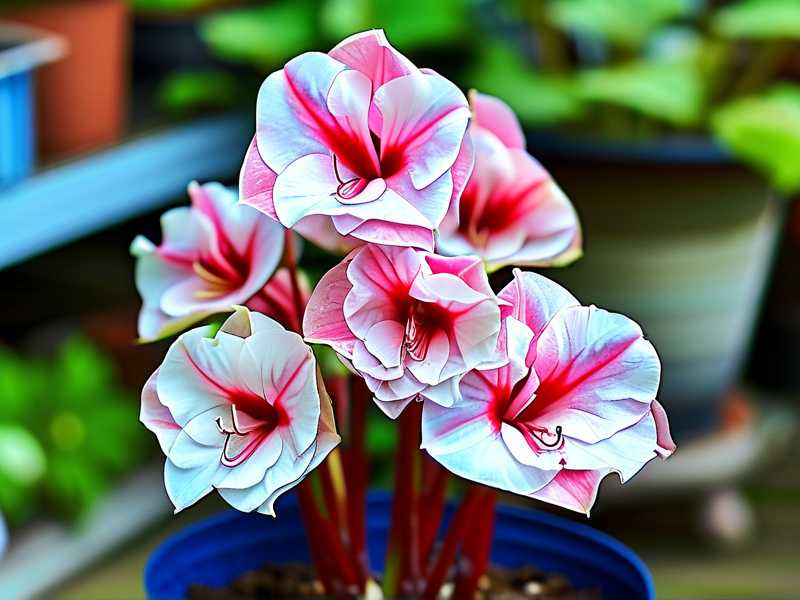
I like to keep a log on my phone. I write a quick note every week with the average temperature and any leaf issues. Looking back, I can see patterns that were invisible in the moment. It’s a nerd thing, but it actually saved my plants.
Should You Move the Plant Outdoors in Summer?
In summer, many people want to move their caladium outdoors. This is a great idea if you live in a humid, warm area. But you need to wait until night temperatures stay reliably above 60°F. For colder regions, that might be mid-June or later. I once put my caladium outside in early May because the days were sunny and warm. The nights still dipped to 50°F. The plant received some chilling injury in the first week. Leaves turned mottled and unhealthy-looking. It was a complete setback.
If you do move outdoors, place the pot in a spot that gets gentle morning sun, not harsh afternoon sun. Also make sure the pot is not directly on a concrete floor, which can heat up severely during the day and then cool down drastically overnight. Place it on a wooden stool or table.
Quick FAQ
1. Can I keep my Caladium White Christmas in a room that gets occasional cold drafts?
Stable conditions are far more important than a perfect temperature. A drafty spot near a door or window will cause leaf curling and brown edges. Even if the average temperature looks fine, the instantaneous temperature swings from drafts stress the plant. I recommend moving the pot at least 2-3 meters away from draft pathways. If that means your plant doesn't get great light, consider a grow light for supplementation. But gentle stable warmth beats great light with unstable airflow.
2. What should I do if my plant has already lost leaves from a cold night?
Don't panic. The tuber may still be fine. First, check if the tuber is firm. If it’s mushy, it's likely rotting. If it's firm, cut off the damaged leaves and move the pot to a warm, stable spot. Water sparingly until new growth appears. New growth can happen within 2–3 weeks if the temperature stays above 75°F. In my experience, bottom heat using a heat mat is the fastest way to wake up a stressed tuber. Just be patient. It can take a month before new leaves show.
3. How long can a Caladium White Christmas survive temperatures below 60°F?
It's not about survival time as much as cumulative stress. Even a single night at 52°F could cause cell damage that leads to leaf drop. If the temperature stays below 60°F for more than a few nights, the plant will enter dormancy. It can survive that, but you have to stop watering. If you keep watering a dormant plant, it will rot. So if cold snaps happen repeatedly, just let it slip into dormancy, reduce watering, and dig up the tuber to store if you need to carry over winter.
Before you go, one last thought. I’ve grown caladiums for years and killed more than I care to admit. This plant variety is all about stability and warmth. If you give it steady warmth and avoid overwatering, it will reward you with those stunning white leaves that look like they're made of snow. Understand that it comes from a tropical environment, and your job is to simulate a mini greenhouse. You don't need fancy equipment, just a simple thermometer, a willingness to observe, and the patience to let the plant thrive on its own schedule. Good luck, and I hope your White Christmas stays purely white and healthy.





