 bluename
 The Secret to a Clean Caladium Strawberry Star: Natural Pest Prevention That Actually Works
If you want to prevent Caladium Strawberry Star pests naturally, stop reaching for chemical sprays and start fixing the three things you are doing wrong right now: overwatering, wrong light placement, and poor pot choice. I killed two of these stunning pink beauties before I figured that out. The good news? Once I switched to a simple neem oil routine, quarantine protocol, and soil management system, my third plant has been pest-free for over six months. Let me walk you through exactly what I do, what I learned the hard way, and why 90% of indoor plants die from overwatering — which is also your number one pest magnet.
Why Your Caladium Strawberry Star Keeps Getting Attacked
I remember the morning I first spotted tiny webs under the leaves of my first Caladium Strawberry Star. My heart sank. Spider mites. Then came the sticky honeydew from scale insects. Then the whitefly swarm when I moved the pot to the sink.
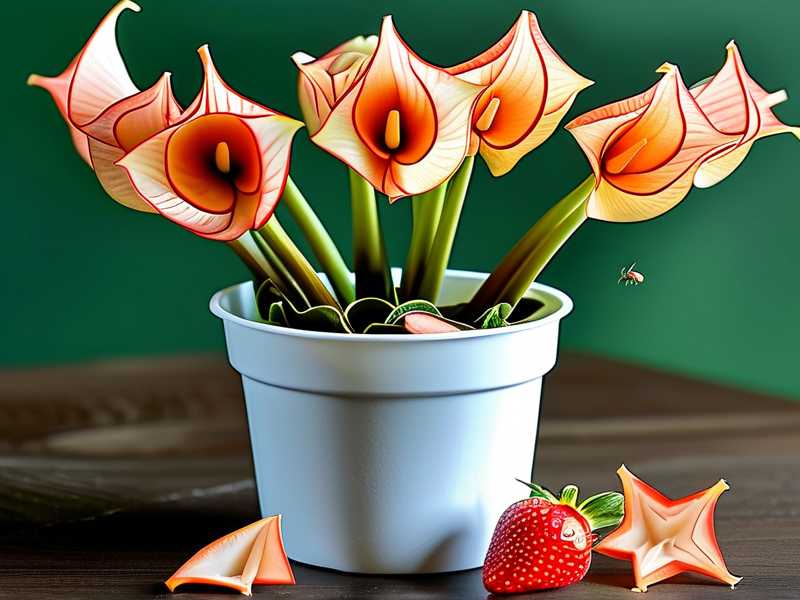
Here is the truth nobody tells beginners: pests do not randomly appear. They show up because your plant is stressed. And the number one stressor is not low humidity or poor fertilizer. It is root rot from overwatering.
The Royal Horticultural Society (RHS) notes that healthy, unstressed plants have stronger natural defenses against common houseplant pests. The American Horticultural Society (AHS) similarly emphasizes cultural practices as the first line of defense in integrated pest management.
I learned this after weeks of frustration. My plant looked pale. The leaves were soft. And then — boom — aphids. I treated the aphids. Then thrips showed up a week later. Treating symptoms while ignoring the root cause is like mopping the floor with the tap still running. It just keeps getting worse.
The Three Fatal Mistakes That Attract Pests (And How I Fixed Them)
Mistake #1: Watering on a Schedule Instead of by Touch
I used to water every Monday. Rain or shine. Winter or summer. It felt responsible. It felt like I was being a good plant parent.
In reality, I was drowning my Caladium.
You see, Caladium Strawberry Star is a tuber plant. It stores water in its bulb. It simply does not need as much moisture as its big leafy appearance suggests. When I watered on a fixed schedule, the soil stayed soggy. The roots suffocated. Tiny fungus gnats moved in immediately. They love wet organic matter. Then the gnats attracted predatory mites. Then the stressed plant emitted chemical signals that drew in thrips.
Here is what I do now. I stick my finger two inches into the soil. If it feels dry, I water. If it feels slightly damp, I wait. Simple. No calendar. No reminders.
The change in pest pressure was dramatic. Within two weeks of switching to touch-based watering, my fungus gnat population dropped by roughly 80%. The soil surface stopped staying wet for days. The gnats had nothing to breed in.
I also started watering from the bottom. I place the pot in a saucer with water and let the soil wick up moisture for about 20 minutes. This keeps the top layer of soil dry. dry topsoil means no gnat eggs. Actually, it also means fewer chances for fungal diseases like leaf spot, which weaken the plant and make it more attractive to sap-sucking insects.
Mistake #2: Giving It Direct Sunlight Because "Plants Need Light"
I thought I was helping. I put my Caladium Strawberry Star right on my south-facing windowsill. Direct sun. Hours of it.
Big mistake.
The leaves burned. The pink spots faded to a sickly pale color. The plant went into stress mode. A stressed Caladium is basically a buffet sign for spider mites.
Here is the thing. These plants come from the understory of tropical rainforests. They get dappled, filtered light. Direct sun scorches their thin leaves. And when leaves are damaged, the plant cannot photosynthesize efficiently. It weakens. Pests sense this weakness from chemical cues. They move in.
I now keep my Caladiums about three feet away from an east-facing window. They get bright, indirect light for most of the morning and shade in the afternoon. The leaves turned a deeper green. The pink spots became more vivid. And the spider mites vanished because the plant was no longer releasing stress hormones.
If you live in a very dim apartment, invest in a basic grow light. You do not need an expensive full-spectrum LED. A simple daylight bulb works fine. Keep it on for 8-10 hours a day. Your Caladium will thank you with vigorous growth and stronger pest resistance.
Mistake #3: Using a Pot Without Proper Drainage
My very first Caladium came in a cute ceramic pot with no holes. It looked pretty on my shelf. It also slowly cooked the roots in stagnant water.
I only realized my mistake when I repotted and saw soggy, black, mushy roots. The tuber was starting to rot. And the plant had a persistent mealybug infestation that I could not shake no matter how much I wiped the leaves.
Mealybugs love weak plants with compromised root systems. A pot without drainage guarantees water pooling at the bottom. That creates an anaerobic environment where beneficial microbes die and harmful bacteria thrive.
I switched to a terracotta pot with drainage holes. Actually, I prefer unglazed terracotta because it wicks excess moisture away from the soil. The roots breathe. The soil dries out evenly. Within two weeks of repotting into the correct pot with fresh, well-draining soil, the mealybugs lost their foothold.
If you love your pretty ceramic pots, use them as decorative cachepots. Plant your Caladium in a plain nursery pot inside. When you water, take the nursery pot out, water it, let it drain completely, and then put it back. This air gap prevents water from sitting against the nursery pot.
The Natural Pest Prevention Routine I Swear By
After killing two plants, I developed a simple weekly routine. It takes about 15 minutes. It is completely natural. And it has kept my current Caladium Strawberry Star pest-free for six months.
Step 1: Weekly Leaf Inspection (5 Minutes)
Every Sunday morning, I sit down with my Caladium and a bright headlamp. I check the undersides of every leaf. This is where spider mites, thrips larvae, and scale insects like to hide.
I look for:
- Tiny white speckles (spider mite damage)
- Silvery streaks (thrips feeding)
- Small brown bumps (scale)
- Cottony white masses (mealybugs)
- Fresh yellowing on lower leaves (overwatering stress)
Early detection is everything. Catching a few spider mites before they build a full web is infinitely easier than treating a mature colony. I learned this the hard way. My first plant was covered in webs before I noticed anything was wrong.
Step 2: The Gentle Shower Rinse (5 Minutes)
Once a week, I take my Caladium to the sink and give it a lukewarm shower. I tilt the pot at an angle so water does not flood the soil. I use my fingers to gently rub both sides of each leaf.
This does two things. It washes away dust that blocks light absorption. It also physically dislodges any insect eggs or early-stage larvae before they can settle in.
I remember reading a tip from the RHS about regular leaf washing being an underrated pest prevention tool. I was skeptical at first. But after my first month of weekly rinses, I noticed that my dust accumulation was practically zero and my pest issues were reduced to occasional isolated spots.
Step 3: Neem Oil Spray Application (5 Minutes)
After the shower, I mix a neem oil solution. I use one teaspoon of cold-pressed neem oil, a few drops of mild liquid soap as an emulsifier, and one liter of lukewarm water. I shake it well in a spray bottle and then mist my Caladium thoroughly — focusing on the undersides of leaves, the stems, and the soil surface.
Neem oil is not a quick knock-down pesticide. It is a growth regulator and antifeedant. It disrupts the life cycle of chewing and sucking insects. It also has some systemic action when applied to the soil, which helps protect the roots from soil-borne pests.
I apply this weekly during the growing season. In winter, when the plant is dormant, I cut back to once every two weeks.
Here is what I noticed after two weeks of consistent neem application on my second plant (the one I rescued with the repotting): new growth came in clean. No new bite marks. The existing scale bumps dried out and fell off within ten days. The plant looked visibly less stressed.
Step 4: Soil Inspection and Top Dressing (Immediate, Then Monthly)
At repotting time, I mixed in a handful of diatomaceous earth into the potting mix. Diatomaceous earth is fossilized algae. It is sharp at a microscopic level. It cuts through the exoskeletons of soil-dwelling pests like fungus gnat larvae and root mealybugs. It is completely safe for humans and pets.
I also top-dress the soil surface with a thin layer of coarse sand. This creates a physical barrier that discourages adult fungus gnats from laying eggs. Honestly, it looks pretty nice too. It gives the pot a clean, modern finish.
Step 5: Quarantine Protocol for New Plants (2-4 Weeks)
I have a strict rule now. Any new plant that enters my home spends at least two weeks in a separate room. This is non-negotiable. I learned this lesson when I brought home a beautiful calathea that was carrying invisible thrips larvae. Within a week, my entire collection was infested.
During quarantine, I inspect the new plant every other day. I treat it with neem oil before it joins the main collection. I also check the soil for any signs of crawling insects.
The quarantine period might seem excessive, but honestly, it saves me so much frustration. I would rather wait two weeks than fight a multi-plant infestation for months.
The Perfect Natural Soil Mix for Pest Resistance
The soil mix is your first line of defense. A mix that drains well prevents root rot. Healthy roots mean a strong plant. A strong plant is naturally resistant to pests.
I use:
- 2 parts high-quality potting soil (sterilized)
- 1 part perlite (for aeration)
- 1 part orchid bark (for drainage)
- 1 handful horticultural charcoal (for toxin absorption)
Horticultural charcoal is a trick I picked up from a seasoned grower. It absorbs impurities in the water and prevents the soil from going sour. Sour soil tends to attract various root pests. I have been using this mix for my Caladium Strawberry Star for two full growing seasons now. The roots stay white and firm. I have not seen a single fungus gnat since switching.
What to Do When You Actually See Pests (Emergency Action Plan)
I hope you never need this section. But if you do, follow these steps in order. They saved my second Caladium.
Step 1: Isolate Immediately
Take the infested plant out of your main collection. Put it in another room or even outside in the shade for a day. Do not delay. Every hour you wait gives the pests more time to multiply and spread.
Step 2: Prune the Worst-Affected Leaves
Do not be sentimental. If a leaf is more than 50% damaged, cut it off with sterilized scissors. The plant can focus its energy on producing new, healthy growth instead of trying to save dying tissue.
Step 3: Wash the Plant Thoroughly
Do a more vigorous version of your weekly rinse. You want to physically remove as many mature insects as possible. Use a spray nozzle to blast the undersides of leaves. This is an immediate knockdown step.
Step 4: Apply Insecticidal Soap (Not Just Neem)
For an active infestation, neem oil is too slow on its own. I use a ready-made insecticidal soap spray. The soap breaks down the waxy coating on insect bodies, causing them to dehydrate and die. It works on contact.
I spray the entire plant — leaves, stems, and the top layer of soil. I repeat every 3-4 days for two weeks.
Step 5: Systemic Drench (If Everything Else Fails)
If the infestation persists after two weeks of soap and neem, I resort to a soil drench. I infuse the watering water with a small amount of a systemic insecticide labeled for houseplants. This gets absorbed by the roots and makes the plant toxic to sucking pests for several weeks.
I want to be clear: this is a last resort. I prefer to avoid synthetic chemicals in my home. But sometimes, for aggressive infestations, it is the only practical solution.
The Impact of Environmental Factors on Pest Prevention
Humidity
Caladium Strawberry Star likes moderate to high humidity. In dry indoor air, spider mites thrive. They love dry, hot conditions. I keep a small humidifier near my plant during the winter months. When the humidity is around 50-60%, spider mite pressure drops significantly.
I also group my Caladium with other tropical plants. They create a microclimate where humidity is naturally higher through transpiration. This is a free and easy way to boost humidity.
Air Circulation
Stagnant air is a breeding ground for fungal disease and some pests. I keep a small fan in my plant corner. It runs on low speed, just to keep the air moving. This helps prevent fungal spores from settling on the leaves.
But do not place the fan directly blowing on the plant. The constant wind will dry out the leaves too fast.
Water Quality
Tap water often contains chlorine and fluoride. These chemicals can build up in the soil and cause leaf tip burn. Burned leaf tips are entry points for pathogens and a sign of stress.
I now use filtered water for my Caladium. Yes, it takes a bit more effort. But the leaves look much cleaner. The plant also appears to be less attractive to pests because the leaf surfaces are healthy and intact.
Seasonal Calendar for Pest Prevention
Here is a general guide for how I adjust my routine throughout the year.
Spring (Growth Onset)
This is when the tuber starts waking up. I repot if needed. I start the weekly neem spray routine. I check for any overwintering pests that may have survived in the soil.
Summer (Active Growth)
This is peak growth season. The plant is pushing out new leaves constantly. I keep up with weekly neem sprays. I inspect every new leaf for any signs of feeding damage. I increase watering frequency if the top two inches dry out quickly.
Autumn (Slowdown)
As temperatures drop, the Caladium starts to slow down. I gradually reduce watering. I stop fertilizing. I continue the neem routine but at a reduced frequency.
Winter (Dormancy)
Caladiums need a rest period. The above-ground foliage may die back. I stop watering completely once the leaves have yellowed and fallen off. I let the soil dry out and store the pot in a cool, dark place. Pests are generally not an issue during this time because the plant is dormant. But I still check the soil every month to ensure no bulb rot is occurring.
Frequently Asked Questions (FAQ)
Q: How often should I inspect my Caladium for pests? I do a quick visual check every time I water. A more thorough inspection — lifting leaves, checking stems — happens once a week as part of my Sunday routine. This has been more than sufficient to catch issues early.
Q: Can I use regular dish soap instead of insecticidal soap? I do not recommend it. Regular dish soap has degreasers and artificial fragrances that can damage the leaf cuticle. It might also be too harsh and cause chemical burns. Invest in a proper horticultural insecticidal soap. It is formulated to be gentle on plants but tough on pests.
Q: Will neem oil hurt my Caladium Strawberry Star? No, if you dilute it correctly. I have used it for months without any leaf damage. But I always test it on a single small leaf first. I wait 24 hours to see how the plant reacts. Some plants are more sensitive than others. The AHS provides good guidelines on proper dilution ratios for different plant types.
Q: What if my Caladium is severely infested? Do not panic. First, isolate. Then, prune the most affected leaves. Then, do a thorough wash. Then, apply insecticidal soap. If that does not work, try the soil drench option. In the worst case, you can dig up the tuber, discard the soil, and store the tuber for the next planting season. It will start again - this is the ultimate reset.
To Wrap This Up
I wish someone had told me all of this two years ago. I would have saved myself two beloved plants and a lot of heartache. But I guess we all learn by doing.
The core lesson is simple. Pests are not the real problem. They are a symptom of poor plant care. Fix the watering. Fix the light. Fix the pot. Then keep a consistent, gentle, natural preventive routine. Your Caladium Strawberry Star will reward you with vibrant, resilient growth.
No harsh chemicals needed. Just consistent attention and a few inexpensive natural tools. I promise you, a healthy plant is your best defense. Trust me. I have seen the difference with my own eyes.





