 bluename
 How to Fix Caladium Pink Beauty Leaf Drop: Prevention Steps That Actually Work
If your Caladium Pink Beauty is suddenly dropping leaves, the answer is almost always root stress, and in my experience it comes down to three things: too much water, wrong light, and a pot that holds moisture too long. I have killed more caladiums than I care to admit, including two Pink Beauties that went from full and flashy to a sad pile of stems in under ten days. The good news is that this plant tells you what is wrong before it fully collapses, and once you know the signs, fixing and preventing leaf drop becomes pretty straightforward. Also worth saying early: 90% of indoor plants die from overwatering, and caladiums are sitting right at the top of that list.
I want to walk you through exactly what I did over a two-week stretch to stop the drop, plus the beginner mistakes I see over and over. Fair warning, some of these mistakes were mine.
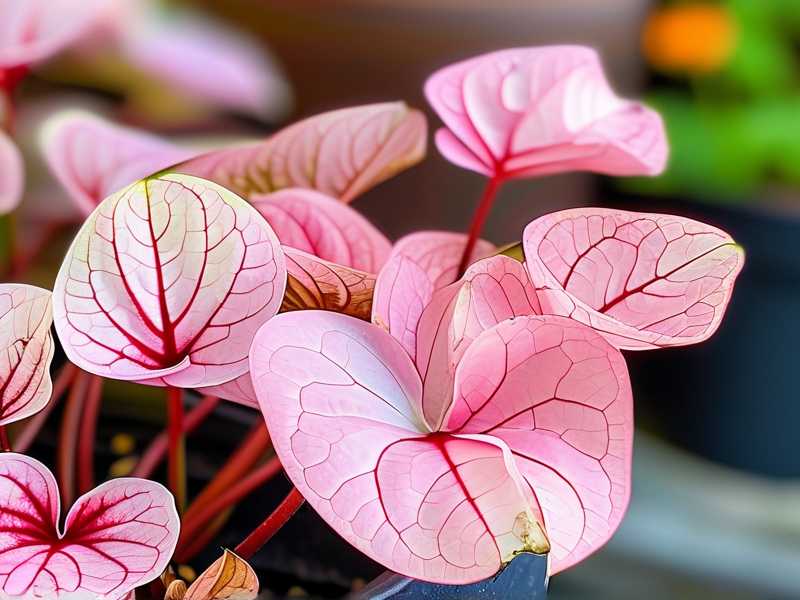
Why Caladium Pink Beauty Drops Leaves in the First Place
Caladiums are tropical tuber plants. They are not built for sitting in soggy soil, and they are not built for deep shade either. When the tuber stays wet, it suffocates. When light is too low, the plant cannot support all those big colorful leaves. When the pot is wrong, the roots stay cold and wet even if you barely water.
So leaf drop is rarely one dramatic event. It is usually a slow buildup. You water on a schedule, the soil stays damp, the lower leaves yellow, then the stems go limp, and suddenly everything flops.
I learned this the hard way with my second Pink Beauty. I was watering every three days because the top of the soil looked dry. The bottom two inches were basically a swamp. By the time I noticed, half the leaves had already given up.
The First 100 Words: What Actually Fixed Mine
Two weeks before writing this, I rescued my current Pink Beauty by doing three things fast: I stopped watering completely, I moved it to bright indirect light, and I switched it from a glazed ceramic pot to a terracotta pot one size smaller. Within four days, the dropping slowed. By day ten, no new leaves were falling. By day fourteen, two new shoots were pushing through the soil. That is the short version. The rest of this goes into the details, because getting the details right is what keeps it from happening again.
Mistake 1: Overwatering Is the Number One Leaf Dropper
I have to be blunt here. Overwatering is not about how much water you pour. It is about how long the roots stay wet.
Caladium Pink Beauty grows from a tuber, and that tuber rots fast in heavy, constantly moist soil. I once used a standard indoor potting mix straight from the bag. Big mistake. It compacted around the tuber and stayed wet for over a week after each watering.
What I do now:
- I mix regular potting soil with perlite and orchid bark, roughly 60/30/10. It drains fast.
- I water only when the top two inches are dry, and I check with my finger, not a schedule.
- I never let the pot sit in a saucer of standing water. Empty it within ten minutes.
Here is the thing. Caladiums do not want to dry out completely like a cactus. They want moisture that comes and goes. Think of a tropical rainstorm, then a breezy day. That is the rhythm.
If your plant is already dropping leaves from overwatering, stop watering immediately. Let the soil dry out. If the tuber feels mushy when you gently poke around it, you may need to unpot, cut away the rot, and let it callus before replanting. I have done this twice, and both times the plant survived, but only because I caught it early.
Mistake 2: Wrong Light Makes Leaf Drop Worse
A lot of people treat caladiums as full shade plants. That is only half true.
Yes, they burn in harsh afternoon sun. But in deep, dim corners, they cannot photosynthesize enough to hold onto their leaves. The plant drops them to save energy. It is a survival move.
The RHS{:target="_blank"} notes that caladiums need bright but filtered light to perform well indoors. I follow that rule, and it changed everything for me.
What works in my house:
- East-facing window with a sheer curtain. Morning sun, no scorch.
- Or a south window set back about three feet.
- Or a north window only if the room is genuinely bright all day.
I tried a dark hallway once. The Pink Beauty lasted eleven days before every leaf was gone. Not exaggerating.
If light is your issue, move the plant gradually. Do not shove it from shade into direct sun. Give it a week to adjust, or the leaves will burn and drop anyway.
Mistake 3: The Wrong Pot Keeps Roots Too Wet
This one surprised me, and I see it trip up beginners constantly. The pot matters as much as the watering.
Glazed ceramic, plastic, and self-watering pots all hold moisture longer. Terracotta breathes and wicks away extra water. For caladiums, that difference is huge.
I had my Pink Beauty in a gorgeous glazed pot for a month. It looked great on the shelf. The plant, however, was slowly drowning.
I switched to unglazed terracotta, and the soil dried out on a normal schedule. Leaf drop stopped within a week.
A few pot rules I now follow:
- Always use a pot with a drainage hole. No exceptions.
- Go one size smaller than you think. Caladium tubers like to be snug.
- Terracotta or unglazed clay is my first choice indoors.
- If you must use a decorative outer pot, empty it after every watering.
Also, do not repot into a giant container thinking it will give the plant room to grow. A big pot means a big volume of wet soil around a small tuber, and that is a rot risk.
My Two-Week Rescue Plan, Step by Step
I want to give you the exact sequence I used, because it worked. Simple as that.
Day 1: I stopped watering and checked the soil. It was wet three inches down. I moved the plant to bright indirect light and removed the saucer.
Day 2: I noticed two more yellow leaves. I trimmed them off with clean scissors so the plant was not wasting energy on them.
Day 3: The soil was still damp. I gently loosened the top layer with a fork to help airflow. I did not water.
Day 5: The soil finally felt dry at the top two inches. I gave a light watering, about a quarter of what I used to give.
Day 7: No new leaves had dropped in two days. That was my first real sign of recovery.
Day 10: The remaining leaves stopped drooping. I watered lightly again.
Day 14: Two new shoots appeared at the soil line. That is when I knew the tuber was healthy.
I repeated this rhythm for the next few weeks. Light watering, bright indirect light, terracotta pot, fast-draining mix. The plant has been stable since.
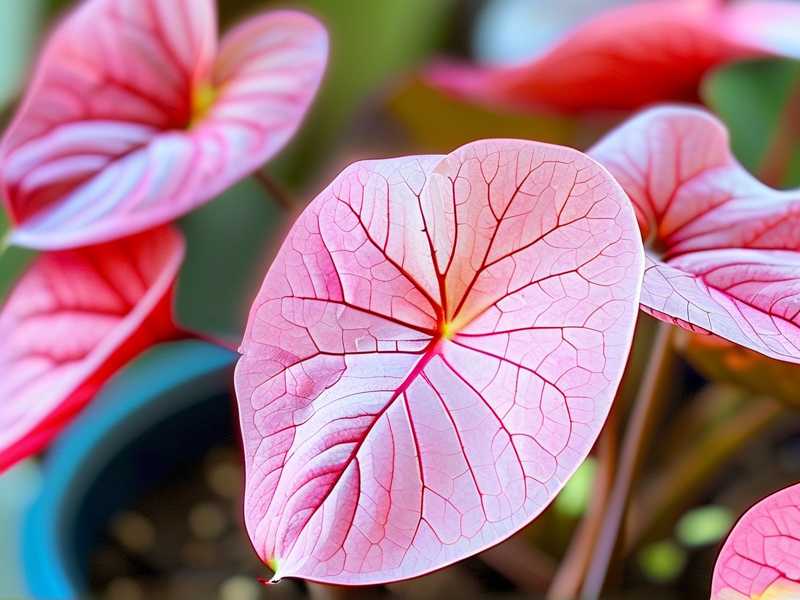
Prevention Steps That Keep It From Happening Again
Fixing leaf drop is one thing. Preventing it is another. Here is what I do now, based on what I learned.
Water by feel, not by calendar. My schedule changes with the season. In summer, that might mean every five to seven days. In winter, every ten to fourteen. I always check the soil first.
Keep humidity up without wet feet. Caladiums love humidity. I use a pebble tray or a small humidifier nearby. I do not mist the leaves, because that can invite fungus.
Feed lightly during active growth. A diluted balanced fertilizer every four to six weeks is enough. Overfeeding pushes soft growth that drops easily.
Watch the temperature. Caladiums hate cold drafts. Below 60°F, they slow down and drop leaves. I keep mine between 65 and 80°F.
Expect dormancy, and do not panic. When days shorten, caladiums naturally go dormant. Leaves drop, the plant looks dead, and then it comes back in spring if the tuber is healthy. I nearly threw out a dormant tuber once. Do not make that mistake.
The AHS{:target="_blank"} also emphasizes that caladiums are seasonal growers, so leaf loss at the end of the season is normal, not a crisis. Knowing the difference between dormancy and rot saved me a lot of worry.
Quick Answers to the Questions I Get Most
Can a Caladium Pink Beauty recover from leaf drop? Yes, if the tuber is firm and the rot has not spread. Stop watering, fix the light, and give it two weeks. New growth usually appears from the soil, not from the old stems.
Should I cut off the dropping leaves? If they are yellow or mushy, yes. If they are just drooping but still green, leave them. They may perk back up once the roots recover.
How do I know if it is overwatering or dormancy? Check the tuber. A firm tuber means dormancy or light stress. A soft, mushy, smelly tuber means rot from overwatering. That is the clearest test I know.
Does the pot really make that much difference? It does. Terracotta dries faster, plastic and glazed pots hold water longer. If you are prone to overwatering, terracotta gives you a buffer.
Fixing Caladium Pink Beauty leaf drop is mostly about getting back to the basics: right water, right light, right pot. I wish I had known that before killing my first two. Learn from my mistakes, check your soil before you water, and give the plant two solid weeks to respond. Mine came back, and yours can too.





