 bluename
 How to Fix Caladium Red Flash Brown Tips: A Real-World Care Guide
Brown tips on Caladium Red Flash are almost never a disease. They are a signal. In my experience, the fix comes down to three things: water less, raise the humidity, and stop letting the plant sit in soggy soil. I spent two weeks logging every change on my own Red Flash, and the new leaves stopped crisping up by day 10. Keep reading and I'll show you exactly what I did, what I got wrong, and how to avoid killing this stunning plant.
Quick Answer: Why Your Caladium Red Flash Has Brown Tips
Brown tips happen because the plant is losing moisture faster than it can take it up. That means the roots are either drowning, the air is too dry, or the plant is getting too much direct sun. It's rarely just one thing. Usually, it's two or three problems stacking up.
I've grown Caladium Red Flash for four seasons now. The first one I owned lost every single leaf within a month. Brown tips showed up first, then the whole leaf collapsed. That was my fault. I watered it like a regular houseplant.
That was the mistake. Caladiums are not regular houseplants. They are tropical tubers with very specific needs.
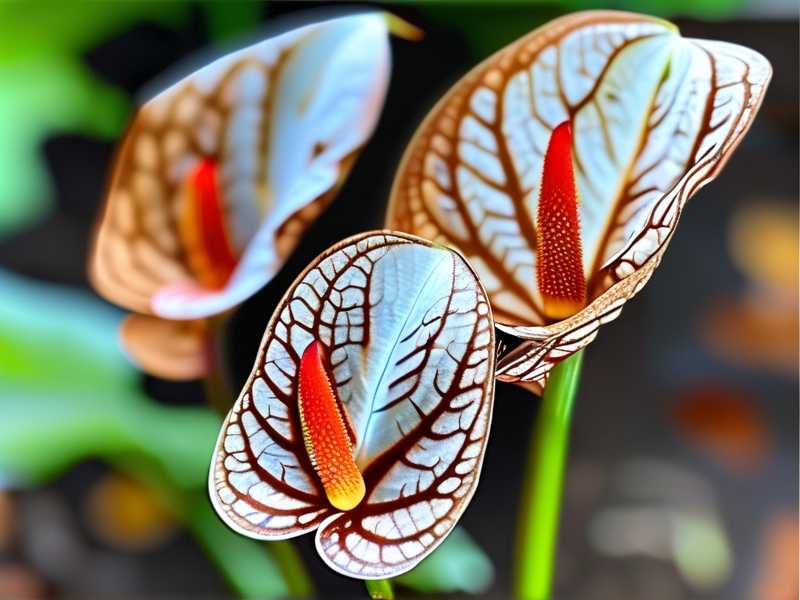
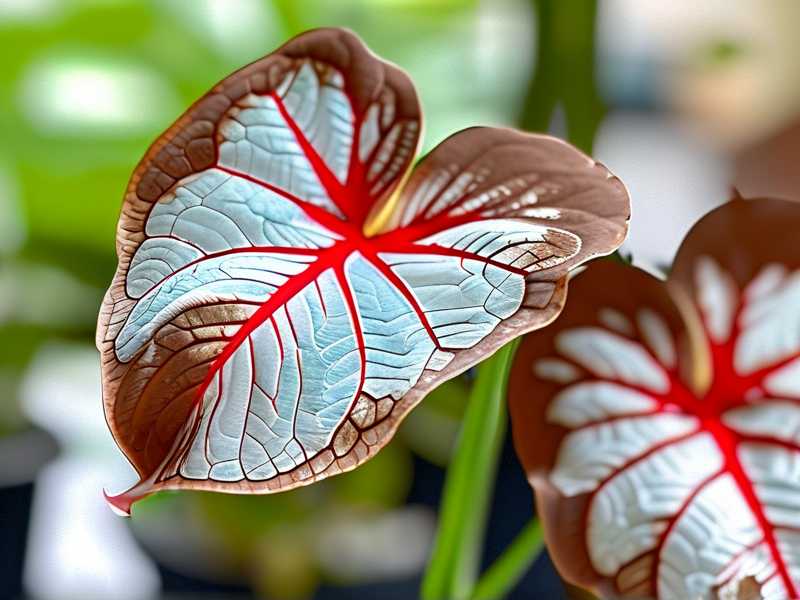
Caladium Red Flash is a fancy-leaf caladium with heart-shaped leaves. The red center glows against green edges and pink speckles. It is one of the showiest caladiums you can grow. But those big, thin leaves lose water fast. And when the roots can't keep up, the tips turn brown and crispy. Simple as that.
The Three Newbie Killers (I Made All Three)
Let me save you some grief. These are the three mistakes that kill most Caladium Red Flash plants.
Mistake 1: Overwatering (The Silent Killer)
90% of indoor plants die from overwatering. I mean that literally. It's not underwatering that gets beginners. It's love. Too much love, too much water.
Caladiums grow from tubers. Tubers store water. When the soil stays wet, the tuber rots from the inside. You won't see it happening at first. The leaves just start browning at the tips. Then the stems get mushy. Then the whole thing collapses.
I killed my second Caladium Red Flash this way. I had it in a cute ceramic pot with no drainage hole. I watered it every three days because the top of the soil looked dry. The tuber was sitting in a swamp. By week three, the leaves were drooping and the tips were brown. I pulled the tuber out and it was soft and smelled sour. Done.
Honestly, that pot had no drainage. That was mistake number three, but it made mistake number one ten times worse.
Mistake 2: Wrong Light
Caladium Red Flash needs bright, indirect light. That's the sweet spot. Too little light and the colors fade. Too much direct sun and the leaves scorch.
I tried putting mine on a south-facing windowsill in July. Within two days, the tips turned brown and papery. The red center bleached out. It looked terrible.
What works for me is an east-facing window. Morning sun only. Or a spot three to four feet back from a bright south window. The light should be strong enough to read by, but no direct beams hitting the leaves.
Mistake 3: The Wrong Pot
This is the one people overlook. The pot matters. A lot.
Caladium tubers need air around them. They need soil that drains fast and dries out just a little between waterings. A pot that's too big holds too much moisture. A pot with no drainage hole is a death sentence.
I use terra cotta pots for my caladiums now. Terra cotta breathes. It wicks moisture away from the soil. It's not pretty, but it works. If you want a decorative pot, use a plastic nursery pot inside it and empty the water from the decorative pot after every watering.
The pot should be only one to two inches wider than the tuber. That's it. A small pot dries out faster. That's what you want.
My Two-Week Fix: What I Did and What Happened
Here's the real play-by-play. This is what I actually did when my current Red Flash started browning at the tips.
Day 1-2: Assessment and Repotting
I checked the soil first. It was wet. I hadn't watered in four days, but the soil was still soggy. That told me everything. The soil was too heavy and the pot was too big.
I pulled the plant out. The tuber was firm, thank goodness. No rot yet. I shook off the old soil and repotted it into a terra cotta pot that was one inch wider than the tuber.
For soil, I mixed two parts potting mix, one part perlite, and one part orchid bark. That mix drains fast. Water runs right through it. That's what caladiums want.
Day 3-5: Watering Reset
I didn't water for three days after repotting. The soil was barely moist from the repotting process. Then I watered thoroughly until water ran out the bottom. I waited until the top inch of soil was dry before watering again.
That took about five days in my home. Your home might be different. Stick your finger in the soil. If it's dry at the first knuckle, water. If it's not, wait.
Day 6-9: Humidity Boost
Brown tips are a humidity problem too. Caladium Red Flash wants 60% humidity or higher. Most homes sit around 30-40%. That's a big gap.
I tried misting at first. It didn't help much. The water evaporates too fast. What worked better was a pebble tray. I filled a saucer with pebbles and water. I set the pot on top of the pebbles, above the water line. As the water evaporates, it creates a little humidity pocket around the plant.
I also grouped my caladium with other humidity-loving plants. That helps a bit too. It's not a miracle fix, but it makes a difference.
The RHS recommends increasing humidity for tropical foliage plants rather than misting, because misting only provides temporary relief and can encourage fungal issues. I wish I'd known that sooner. I misted my first caladium for weeks and it did nothing but spot the leaves.
Day 10-14: New Growth and Stabilization
By day 10, I saw a new leaf unfurling. The tip was clean. No brown. I almost cried. Okay, not really, but I was relieved.
By day 14, that new leaf had fully opened. It was perfect. The red was vivid. The edges were crisp. No brown at all.
The existing leaves that already had brown tips didn't heal. They never do. Brown tips are dead tissue. They don't come back. But I could trim them with clean scissors to make the plant look better. I cut the brown part off, following the natural curve of the leaf.
The AHS points out that caladiums are tuberous perennials that go dormant in winter. Don't panic when your plant loses all its leaves in fall. That's normal. The tuber is resting. I'll get to that in a minute.
What Actually Causes Brown Tips on Caladium Red Flash
Let me break this down clearly, because there's a lot of confusing advice out there.
1. Inconsistent Watering
Caladiums hate drought and they hate floods. They want even moisture. Not wet. Not dry. Even.
When the soil dries out completely, the leaves lose water faster than the roots can replace it. The tips are the farthest point from the roots. They dry out first. Brown tips are the plant's way of saying "I ran out of water."
But when the soil stays wet, the roots suffocate. They can't take up water because they're drowning. So the leaves dry out anyway. It looks the same from the top. That's why overwatering and underwatering produce the same brown tips. Confusing, right?
The fix is to check the soil before watering. Every time. No schedule. Just check.
2. Low Humidity
This is huge for Caladium Red Flash. These plants come from the tropics. They evolved in humid jungles. Your living room in January is a desert to them.
When the air is dry, the leaves lose moisture through transpiration. The roots can't keep up. The tips brown.
Aim for 60% humidity. If you can't get there, at least get above 50%. A humidifier is the most reliable way. I use a small one near my caladiums during winter. It makes a real difference.
3. Direct Sunlight
Red Flash has thinner leaves than some other caladiums. Direct sun burns them. The tips turn brown first because they're the most exposed.
Morning sun is fine. Afternoon sun is not. If your plant is getting more than two hours of direct sun, move it.
4. Fertilizer Burn
I made this mistake once. I thought more fertilizer meant more growth. I gave my caladium a full-strength dose of liquid fertilizer. A week later, the tips were brown and crispy.
Too much fertilizer salts build up in the soil. They pull water out of the roots. The tips burn.
Use a balanced liquid fertilizer at half strength. Feed every four weeks during the growing season. That's plenty.
5. Fluoride and Chlorine in Tap Water
Some caladiums are sensitive to fluoride and chlorine in tap water. It causes tip burn. I don't know if Red Flash is especially sensitive, but I've noticed fewer brown tips since I started using filtered water.
It might be coincidence. It might not. Filtered water is easy enough. I just fill a jug and let it sit overnight. The chlorine evaporates. Good enough.
How to Fix Brown Tips Right Now
If your Caladium Red Flash already has brown tips, here's what to do today.
Step 1: Trim the Dead Tissue
Use clean, sharp scissors. Cut the brown part off, following the curve of the leaf. Don't cut into the healthy green tissue. Leave a tiny margin of brown if you're worried about cutting too much. It looks better than a jagged edge.
Step 2: Check the Soil
Stick your finger in the soil. If it's wet, don't water. If it's dry, water thoroughly. If it's wet and it's been wet for days, consider repotting with fresh, fast-draining soil.
Step 3: Move the Plant
If the plant is in direct sun, move it to a spot with bright, indirect light. If it's in a dark corner, move it closer to a window. Aim for that sweet spot.
Step 4: Boost Humidity
Set up a pebble tray. Run a humidifier. Group plants together. Do something to get the humidity above 50%.
Step 5: Water with Filtered Water
Let tap water sit overnight before using it. Or use filtered water. It's a small change that might help.
Step 6: Wait
New leaves should come in clean if the problem is fixed. Existing brown tips won't heal. But new growth tells you if you're on the right track. Give it two weeks. You'll know.
The Right Way to Water Caladium Red Flash
I water my Caladium Red Flash when the top inch of soil is dry. I check with my finger. If it's dry, I water. If it's not, I wait.
When I water, I water thoroughly. Water runs out the bottom of the pot. I empty the saucer immediately. I don't let the pot sit in water. Ever.
In summer, that might mean watering every four to five days. In winter, when the plant is dormant, I barely water at all. Maybe once every two to three weeks. Just enough to keep the tuber from shriveling.
Honestly, the biggest mistake I see beginners make is watering on a schedule. "I water every Sunday" is a recipe for disaster. Plants don't read calendars. Check the soil. That's the only reliable method.
Soil and Potting Mix for Caladium Red Flash
Caladiums need soil that drains fast but holds a little moisture. It's a balance.
My mix is simple: two parts high-quality potting mix, one part perlite, one part orchid bark. The perlite adds drainage. The bark adds air pockets. The potting mix holds the moisture.
I've also used a mix of potting soil and coarse sand. That works too. The key is that water should run through it quickly. If your soil turns into a muddy clump, it's wrong.
Light Requirements for Caladium Red Flash
Bright, indirect light. That's the rule.
An east-facing window is perfect. You get gentle morning sun. No harsh afternoon rays.
A north-facing window can work if the room is bright. But the colors might not be as vivid.
A south or west window works if you set the plant back a few feet. Or use a sheer curtain to diffuse the light.
Direct sun equals scorched leaves. Low light equals leggy growth and faded colors. The middle ground is where you want to be.
Humidity: The Secret Weapon
I can't say this enough. Humidity is everything for Caladium Red Flash.
The RHS recommends that tropical plants like caladiums be grown in humid environments, ideally 60% or higher. If you can't provide that naturally, a humidifier is your best tool.
I run a small humidifier in my plant room during winter. My caladiums thank me for it. Fewer brown tips, happier leaves.
Pebble trays help. Grouping plants helps. But a humidifier is the real solution. I tried everything else first. I wish I'd just bought the humidifier sooner.
Fertilizing Caladium Red Flash
Caladiums are heavy feeders during the growing season. But "heavy" doesn't mean "a lot at once." It means "regularly at the right dose."
I use a balanced liquid fertilizer at half strength. I feed every four weeks from spring through summer. That's it.
I stop fertilizing in fall when the leaves start to die back. The plant is going dormant. It doesn't need food.
Too much fertilizer causes brown tips. If you've been feeding heavily and you see brown tips, flush the soil with plain water. Let it drain completely. Then skip fertilizer for a month.
Winter Dormancy: Don't Panic
Caladiums go dormant. Every single one. When the days get shorter and cooler, the leaves turn yellow and die. The plant looks dead.
It's not dead. The tuber is alive. It's resting.
I let the leaves die back naturally. I stop watering. I store the tuber in its pot in a cool, dark place. A closet works. A garage works if it doesn't freeze.
In spring, when the weather warms up, I start watering again. The tuber wakes up. New shoots appear. The cycle starts over.
A lot of people throw their caladium away thinking it's dead. Don't do that. That's a perfectly good tuber. Save it.
Common Questions About Caladium Red Flash Brown Tips
Can brown tips on Caladium Red Flash heal?
No. Brown tips are dead tissue. They won't turn green again. You can trim them off to make the plant look better, but the existing brown tip is gone. Focus on new growth. If new leaves come in clean, you've fixed the problem.
Should I cut off brown tips or leave them?
Cut them off. Use clean scissors. Follow the natural curve of the leaf. Don't cut into the healthy green part. Leaving brown tips doesn't hurt the plant, but trimming them makes it look better and lets you spot new problems more easily.
Why does my Caladium Red Flash get brown tips even with high humidity?
Humidity is one factor. But brown tips can also come from inconsistent watering, fertilizer burn, or too much direct sun. Check all of these. It's usually not just one thing. In my case, it was low humidity plus a pot that was too big. Fixing both solved the problem.
Final Thoughts
Brown tips on Caladium Red Flash are frustrating, but they're fixable. Check your watering. Boost the humidity. Move the plant out of direct sun. Use a pot with drainage. Those four things solve most brown tip problems.
I've killed my share of caladiums. I've learned the hard way. But now I have a Red Flash that puts out gorgeous, clean leaves all season. You can get there too.
Just remember: check the soil before you water. Buy a humidifier. Use terra cotta. And don't throw away the tuber in winter. That's the whole game right there.





