 bluename
 How to Fix Caladium Florida Sweetheart Stunted Growth: Boost Steps That Actually Worked for Me
If your Caladium Florida Sweetheart is stuck in time while every other plant on your shelf is thriving, you're likely overwatering, under-lighting, or using the wrong pot. I know because I've been there. After killing my fair share of caladiums, I finally cracked the code, and within two weeks of adjusting these three things, I watched my stunted Florida Sweetheart push out two new leaves. Here's exactly what I did, what I got wrong, and how you can fix it faster than I did.
Why Your Caladium Florida Sweetheart Stops Growing
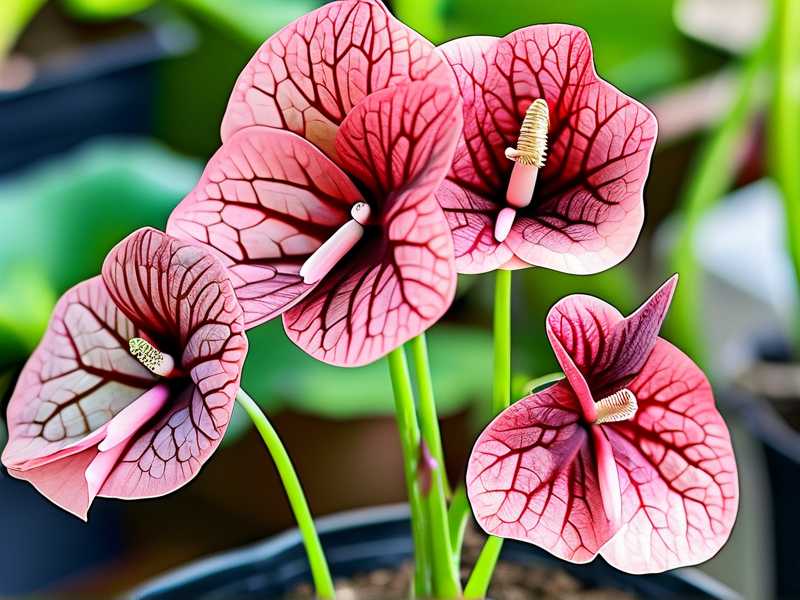
Caladiums aren't complicated plants. But they are picky about a few specific things. When those things go wrong, growth just stops. No yellowing, no drooping, just nothing. That's the frustrating part.
I remember staring at my first Florida Sweetheart for almost three weeks, convinced it was just "adjusting" to my home. It wasn't adjusting. It was suffering.
The fix isn't about doing more. It's about doing the right things.
Mistake #1: Overwatering (The Silent Killer)
Let me be blunt. “90% of indoor plants die from overwatering.” That's not a random statistic. It's something I've personally proven true, multiple times.
Caladium Florida Sweetheart grows from a tuber. That tuber stores water. When you keep the soil constantly wet, the tuber rots from the inside out. By the time you notice drooping leaves, it's often too late.
My mistake: I watered on a schedule. Every Sunday, without fail. I thought consistency was key. It wasn't. The soil was still damp from the week before, and I just kept adding more.
The fix:
Stick your finger two inches into the soil. If it feels moist, skip watering. If it feels dry, water thoroughly until it drains out the bottom.
That's it. No schedule. Just check the soil.
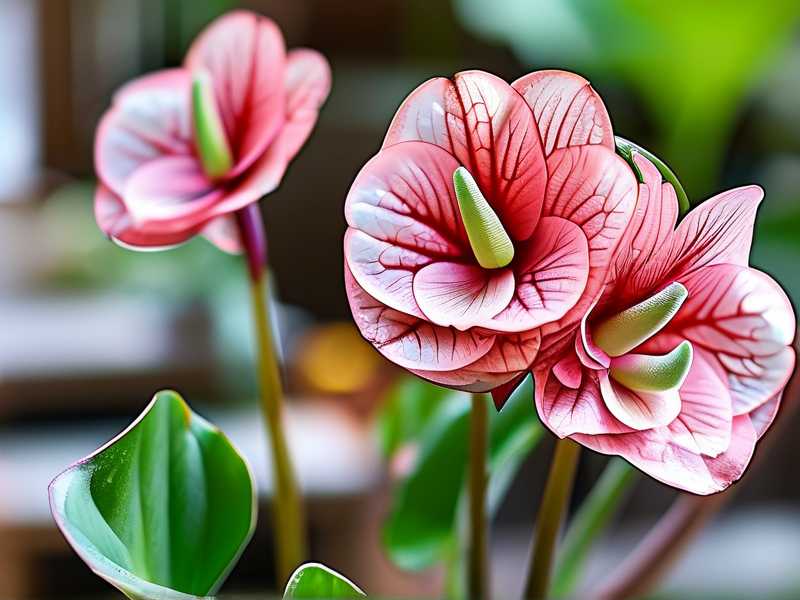
During my two-week observation period, I watered only twice. Both times, the soil was genuinely dry. By day ten, a new shoot was emerging.
Also, use room-temperature water. Cold water shocks the roots. I learned that the hard way after a particularly sad wilt episode.
Mistake #2: Wrong Light (Too Much or Too Little)
Caladium Florida Sweetheart needs bright, indirect light. Not direct sun. Not deep shade.
I once placed mine on a south-facing windowsill because I read caladiums "love light." By day three, the leaves looked washed out. By day five, crispy edges appeared.
Then I overcorrected and moved it to a dark corner. Growth stopped completely. No new leaves for a month.
The sweet spot:
East-facing window. Morning light only. Or a spot three to four feet back from a south or west window. You want the plant to receive soft, filtered brightness all day.
If your home is dim, a simple LED grow light works. I use one set about twelve inches above the plant, running for six hours daily. That's what finally triggered consistent new growth.
The RHS notes that caladiums thrive in bright, indirect light with consistent moisture, not soggy conditions. I wish I'd read that before my first attempt.
Mistake #3: Using the Wrong Pot
This one caught me off guard. I had my Florida Sweetheart in a gorgeous ceramic pot with no drainage hole. Looked great. Killed the plant.
Caladium tubers need airflow and drainage. A pot without holes traps water at the bottom. The tuber sits in that moisture and rots.
What I use now:
A terra cotta pot with a drainage hole, one size larger than the root ball. Terra cotta wicks away excess moisture, which is perfect for caladiums. I also add a layer of perlite at the bottom of the pot before adding soil.
I tried plastic pots too. They work if you're careful with watering. But terra cotta gives you a buffer. That buffer saved my second Florida Sweetheart.
One more thing: don't use a pot that's too big. A huge pot holds too much soil, which holds too much water. Match the pot to the tuber size.
My Two-Week Recovery Timeline
Day 1-3: I repotted into a terra cotta pot with fresh, well-draining mix. I didn't water for two days after repotting.
Day 4-6: Moved to an east-facing window. No fertilizer yet. Just light and air.
Day 7: First watering since repotting. Soil was dry two inches down.
Day 8-10: Noticed a tiny nub pushing through the soil. Almost missed it.
Day 11-14: The nub became a small leaf. Then another. The plant was finally awake.
I didn't fertilize until week three. Caladiums are sensitive to salt buildup, and fertilizing a stressed plant makes things worse.
The Soil Mix That Changed Everything
I used to grab any bag of potting soil. Big mistake. Most commercial mixes hold too much water for caladiums.
Now I make my own:
- 2 parts peat-based potting mix
- 1 part perlite
- 1 part orchid bark
This mix drains fast but holds just enough moisture. The orchid bark creates air pockets around the tuber. That airflow is critical.
The AHS recommends well-draining soil for caladiums, and after experimenting, I can't argue with that.
If you don't want to mix your own, look for a mix labeled "cactus" or "succulent." Those drain well. Just add extra perlite.
Fertilizer: Less Is More
I burned my first caladium with liquid fertilizer. Full strength, every two weeks. The leaves turned brown at the tips. I thought it was disease. It was fertilizer burn.
Now I use a diluted balanced fertilizer, half strength, once a month during the growing season. That's it. Caladiums aren't heavy feeders.
Stop fertilizing in late summer. The plant will start going dormant. Pushing it with fertilizer during that time stresses the tuber.
Humidity Matters More Than You Think
Caladiums come from tropical regions. They love humidity. Most homes sit around 40-50%. Caladiums prefer 60-70%.
I run a small humidifier near my plants. Or I group them together. That creates a microclimate with higher humidity.
A pebble tray works too. Just fill a tray with pebbles and water. Set the pot on top. As the water evaporates, it raises humidity around the plant.
Don't mist the leaves. Wet leaves invite fungal issues. I learned that after a bout of leaf spot that took weeks to clear.
When to Expect Dormancy
Here's something nobody told me early on: caladiums go dormant. It's normal. The leaves die back, and the tuber rests.
My first year, I panicked when all the leaves fell off in autumn. I thought I'd killed it. I hadn't. I just needed to reduce watering and let the tuber rest.
Store the tuber in dry soil, in a cool dark place, around 60°F. Bring it back out in spring. Water lightly, and it'll wake up.
If your Florida Sweetheart is stunted during the growing season, dormancy isn't the issue. It's almost always one of the three mistakes above.
Frequently Asked Questions
How long does it take for a stunted Caladium Florida Sweetheart to recover?
With the right watering, light, and pot, you'll see new growth within two to three weeks. In my case, it took fourteen days. If nothing happens after a month, check the tuber. It may be rotten.
Can I save a caladium with a mushy tuber?
Usually, no. Once the tuber turns mushy, it's done. But if only part is soft, cut away the rotten section with a clean knife, let it dry for a day, and replant in fresh dry soil. Keep it barely moist until new growth appears.
Should I cut off stunted leaves?
Yes, if they're yellow or crispy. They won't recover. Cutting them redirects energy to the tuber. I remove any leaf that's more than 50% damaged. Just use clean scissors.
Final Thoughts
Fixing a stunted Caladium Florida Sweetheart isn't about some secret trick. It's about getting the basics right. Stop overwatering. Fix the light. Use a pot that drains.
I killed four caladiums before I figured this out. You don't have to. Check your soil before watering. Move the plant to bright, indirect light. Switch to terra cotta. Give it two weeks.
You'll see the difference. And once that first new leaf unfurls, you'll forget all about the frustrating waiting phase. Trust me, I've been there.





