 bluename
 If your Caladium Moonlight leaves look washed-out, pale, or just plain dull, the fastest fix is almost always light and water balance. Move it to bright, indirect light, let the top inch of soil dry out before watering again, and check that your pot actually drains. I've watched a sad, grayish Moonlight bounce back to that glowing, nearly white center in about 14 days just by fixing those three things.
I'm writing this as someone who has killed more caladiums than I'd like to admit. Honestly, the Moonlight variety is gorgeous when it's happy, but it's also a bit of a drama queen. The good news? Dull leaves are usually reversible, and you don't need a greenhouse to pull it off.
Why Your Caladium Moonlight Leaves Turn Dull
Let's get one thing straight. Caladium Moonlight isn't supposed to have fully green leaves. Its whole selling point is that bright, paper-white center with green edges. When that white starts looking gray, beige, or just blah, something in its environment is off.

In my experience, the dulling almost always comes down to three culprits. Too little light. Too much water. Or a pot that's secretly drowning the roots. Sometimes it's all three at once, which is exactly what happened with my second Moonlight.
I remember bringing it home from a local nursery, all glowing and perfect. Within a week, the leaves looked like old parchment. I panicked and watered it more, thinking it was thirsty. Big mistake.
The Three Big Mistakes That Ruin Caladium Moonlight
New growers make the same errors over and over. I know because I made every single one. Let's break them down so you can skip the heartbreak.
Mistake 1: Overwatering (The Silent Killer)
Here's a stat that should be on every plant tag: 90% of indoor plants die from overwatering. That's not an exaggeration. I read a breakdown from the RHS years ago about how root rot develops, and it completely changed how I water.
Caladiums grow from tubers. Those tubers store water, so they don't need constant moisture. When you keep the soil soggy, the tuber basically suffocates. The roots rot. And the leaves? They go dull, then yellow, then mushy.
I used to water on a schedule. Every Sunday, no matter what. That's a rookie move. Now I stick my finger in the soil. If it's damp an inch down, I wait. Simple as that.
Mistake 2: Light That's in the Wrong Spot
Moonlight caladiums need bright, indirect light to keep that white center vibrant. Put them in a dark corner and the leaves fade to a muddy green. Put them in direct afternoon sun and they scorch, which also kills the color.
I tried a north-facing window once, thinking "bright enough." Nope. The leaves lost their pop within days. Then I moved it to an east window with a sheer curtain. Total game-changer.
The sweet spot is a spot that gets soft morning light or filtered light all day. If you're in a cloudy climate like parts of the UK or Pacific Northwest, a grow light on low setting for 6 to 8 hours works wonders.
Mistake 3: Using the Wrong Pot
This one flies under the radar. I used to plant everything in cute ceramic pots with no drainage holes. Pretty, yes. Practical, no.
Caladium tubers rot fast in standing water. You need a pot with drainage holes, period. And not just holes, but a pot that's the right size. Too big, and the soil stays wet too long. Too small, and the roots get cramped.
I've had the best luck with terracotta or unglazed ceramic. They wick away extra moisture. Plastic works too if you're careful, but honestly, terracotta saved my third Moonlight from the compost bin.
My Two-Week Rescue Plan for Dull Caladium Moonlight Leaves
So here's what I actually did when my Moonlight looked terrible. I documented it because I wanted to know if the fix was real or just wishful thinking.
Day 1: I pulled the plant out of its pot. The soil was soaked. I rinsed the tuber, cut off any soft, brown roots, and let it air-dry for a few hours. Then I repotted it in fresh, chunky mix. I used equal parts potting soil, perlite, and orchid bark.
Day 3: I moved it to an east-facing window with a sheer curtain. No direct sun. Just soft, bright light.
Day 5: I watered for the first time after repotting, but only lightly. I let the top inch dry out first.
Day 8: I noticed the newest leaf was starting to unfurl with a brighter white center. The older dull leaves were still dull, but they weren't getting worse.
Day 11: Two new leaves had opened. Both had that crisp white center with clean green edges. The older leaves were still a bit flat-looking, but I could see the plant was recovering.
Day 14: The difference was obvious. The new growth was vibrant. The plant overall looked brighter. I ended up trimming the oldest dull leaves so the plant could focus energy on the healthy ones.
Was it a miracle? No. It was just consistent care. But two weeks of paying attention made a huge difference.
How to Keep Caladium Moonlight Leaves Bright Long-Term
Once you've fixed the immediate problem, you want to keep it that way. Here's what I do now.
Water only when the top inch of soil is dry. In summer, that might be every 4 to 5 days. In winter, when the plant goes dormant, I barely water at all.
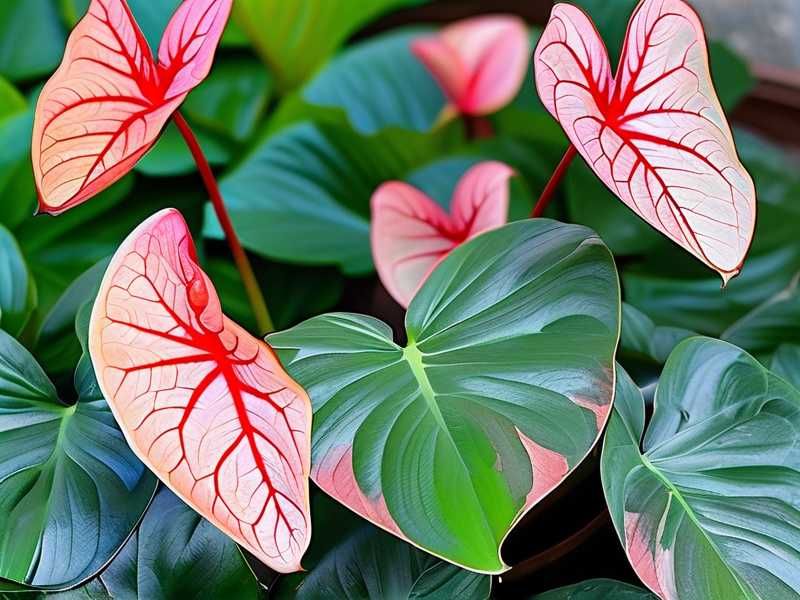
Keep it in bright, indirect light. Rotate the pot every few days so all sides get even light. This prevents one side from getting leggy or dull.
Feed lightly. I use a diluted liquid fertilizer every 4 weeks during the growing season. Over-fertilizing can burn the leaves and cause color loss, so I go half-strength.
Watch humidity. Caladiums love humidity. I run a small humidifier nearby or set the pot on a tray of pebbles with water. Just don't let the pot sit in water.
According to the AHS, caladiums are tropical plants that thrive in warm, humid conditions. That matches exactly what I've seen. Dry air and cold drafts make the leaves look tired.
What About Long-Lasting Color? A Few More Tips
If you want that Moonlight glow to last all season, here are a few extra things I've learned.
Don't repot too often. Caladiums like being slightly root-bound. I only repot when the roots start circling the bottom.
Remove dead or dying leaves promptly. They drain energy and can invite pests.
Keep an eye out for spider mites. Dull leaves can sometimes be a sign of pests, not just environment. I check the undersides of leaves weekly. If I see webbing or tiny specks, I wipe the leaves with a damp cloth and treat with neem oil.
Avoid cold water. I use room-temperature water. Cold water shocks the roots and can cause leaf drop or discoloration.
Honestly, once you get the rhythm down, Caladium Moonlight is not that fussy. It just needs you to pay attention for the first couple of weeks.
Frequently Asked Questions
Can dull Caladium Moonlight leaves turn bright again?
Older leaves that have already faded usually won't go back to pure white. But new growth will come in bright if you fix the light and watering. I trim the dullest leaves so the plant puts energy into new ones.
How often should I water Caladium Moonlight indoors?
Water when the top inch of soil feels dry. That's usually every 4 to 7 days in summer and much less in winter. In my experience, sticking to a finger-test is way more reliable than a calendar.
Why is my Caladium Moonlight losing its white color?
The white fades when the plant isn't getting enough bright, indirect light or when it's stressed by overwatering. Move it to a brighter spot and let the soil dry out between waterings. You should see new leaves with better color within two weeks.





