 bluename
 If your Caladium 'Thai Beauty' is slowly turning plain green, you're not alone. I've watched it happen twice in my own living room, and both times it came down to one thing: stress on the plant. The quick answer is that variegation loss in Caladium Thai Beauty almost always traces back to too much water, the wrong light, or a pot that holds moisture too long. Fix those three things and new leaves usually start showing that pink-and-green marbling again within about two weeks. I'm writing this from my own messy experience, not from a textbook, so let's get into what actually worked.
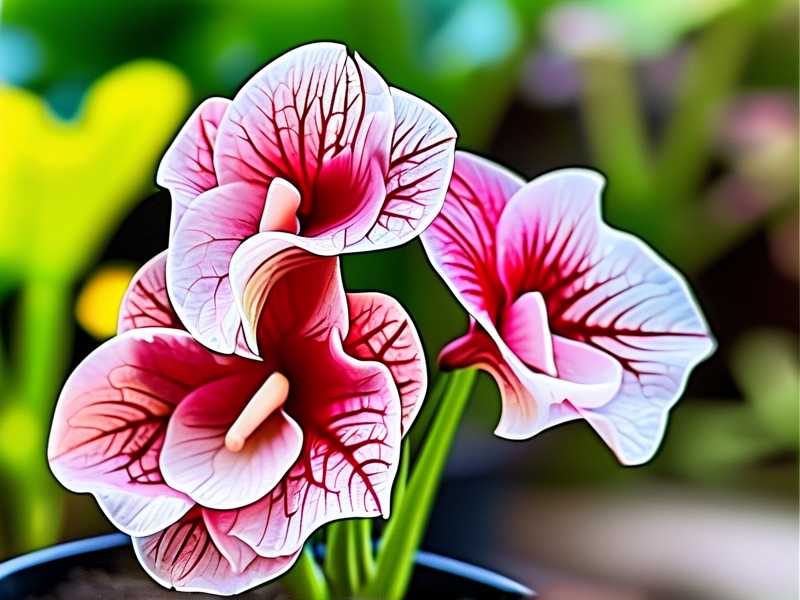
Why Caladium Thai Beauty Loses Its Variegation
Caladium Thai Beauty is a fancy-leaf variety with pink centers, green edges, and those striking white speckles. That coloration isn't just decoration. It's a survival trait tied to how much light the plant receives.
When the plant is happy, it pumps out variegated leaves. When it's stressed, it falls back to plain green because green tissue photosynthesizes more efficiently. Basically, the plant is hedging its bets.
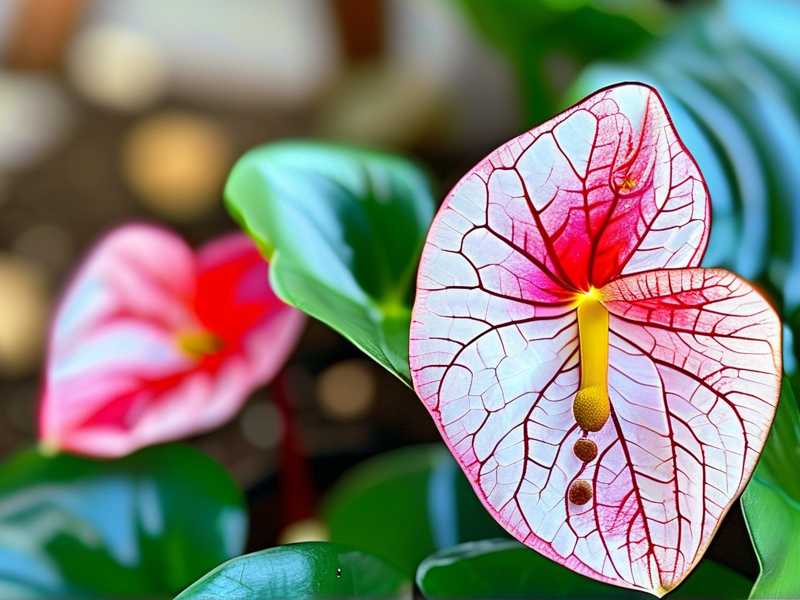
I learned this the hard way. My first Thai Beauty looked gorgeous for three weeks, then every new leaf came out solid green. I panicked and did everything at once, which made it worse. Patience and small adjustments are the real fix.
The Three Beginner Mistakes That Kill Variegation
1. Overwatering
Here's a stat that should stick with you: 90% of indoor plants die from overwatering. Caladiums are tubers, not regular houseplants. That tuber stores water, so soggy soil rots it fast.
I killed my second Thai Beauty by watering on a schedule instead of checking the soil. The leaves drooped, I assumed thirst, I watered more. Root rot set in and the variegation vanished before the plant did.
Water only when the top inch of soil feels dry. In summer that might be every four to five days. In winter, maybe every ten days or less.
2. Wrong Light Placement
Variegation needs bright, indirect light. Direct afternoon sun scorches the thin leaves. Deep shade makes the plant produce green leaves to capture more light.
My mistake was sticking mine in a north-facing corner. It survived but went full green. Moving it to an east window with filtered morning sun brought the pink back.
3. Using the Wrong Pot
This one sneaks up on people. A pot that's too big holds excess soil, and excess soil holds excess water. That's a rot risk.
I once repotted into a decorative pot two sizes up because it looked nice. Big mistake. Always go one size up at most, and make sure there's a drainage hole. Terracotta helps because it wicks moisture away.
My Two-Week Recovery Plan
This is the exact routine I followed after my last variegation crash. I tracked it for fourteen days.
Day 1 to 3: I stopped watering completely and let the soil dry out. I also moved the pot to a spot with bright, indirect light.
Day 4 to 7: I checked the tuber by gently lifting the plant. No soft spots meant no rot, which was a relief. I resumed light watering only when the top inch was dry.
Day 8 to 10: A new leaf unfurled. Still mostly green, but I noticed faint pink veining starting near the center.
Day 11 to 14: The next leaf showed clear pink and white speckling. Not as bold as the original, but it was coming back.
The lesson? Recovery isn't instant. You won't see full variegation in a week, but you will see signs of improvement if the basics are right.
Getting the Light Right
The RHS recommends bright, indirect light for caladiums, and that matches what I've seen. Too little light equals green leaves. Too much equals crispy edges.
An east-facing window works well for most homes. If you only have a south or west window, sheer curtains help diffuse the light.
Rotate the pot every few days so all sides get even exposure. I skipped this once and ended up with a lopsided plant.
Watering Like You Mean It
Forget schedules. Stick your finger in the soil. If it's dry an inch down, water. If it's damp, wait.
I use room-temperature water because cold water can shock the tuber. I also water until it runs out the drainage hole, then empty the saucer. Sitting water is a death sentence.
The AHS notes that tuberous plants are especially sensitive to soggy conditions, and caladiums are no exception. Drainage isn't optional.
Soil and Pot Choices That Actually Work
A loose, well-draining mix is key. I blend potting soil with perlite and a bit of orchid bark. That keeps air moving around the tuber.
Terracotta pots are my go-to because they breathe. Plastic works too if you're careful with watering, but glazed ceramic without drainage is a trap. I've made that mistake and paid for it.
Fertilizer: Less Is More
Too much nitrogen pushes green growth and fades variegation. I feed with a diluted balanced fertilizer every four weeks during the growing season. That's it.
I once over-fertilized hoping for bigger leaves. I got big green leaves and lost most of the pink. Don't do that.
Humidity and Temperature
Caladiums like humidity around 50 to 60 percent. A pebble tray or a nearby humidifier helps. I run a small humidifier in winter when indoor air gets dry.
Keep temperatures between 65 and 80 degrees Fahrenheit. Cold drafts cause dormancy, and dormancy means no leaves at all for a while.
When to Expect Dormancy
Thai Beauty usually goes dormant in fall or winter. The leaves yellow and die back. That's normal, not failure.
I panicked the first time and thought I'd killed it. I didn't. I let the soil dry, stored the tuber in a cool dark spot, and replanted in spring. New growth came back variegated.
Common Questions I Get
Will lost variegation ever come back? Yes, if the plant is still healthy. New leaves should show color once light and water are corrected. It takes a few weeks.
Should I cut off green leaves? I wouldn't. Those leaves are feeding the tuber. Let them do their job and focus on fixing the environment.
Can I save a tuber with root rot? Sometimes. Cut away mushy parts, let it dry, and replant in fresh, dry mix. It's a gamble, but worth trying.
Final Thoughts From Someone Who's Killed a Few
Caladium Thai Beauty is forgiving once you understand it. The variegation loss is a signal, not a verdict. Fix the water, fix the light, use the right pot, and give it two weeks. You'll likely see that pink marbling return. I've brought mine back twice now, and honestly, the second recovery taught me more than the first. Take it slow, and don't drown the tuber.





