 bluename
 How to Grow Caladium Mini Pink: Dwarf Pink Foliage Care Steps
If your Caladium Mini Pink keeps losing leaves or the pink fades to a washed-out green, the problem is almost always one of three things: too much water, wrong light, or a pot that holds moisture too long. I can tell you that from direct experience, because I killed two of these little charmers before I figured out the rhythm. Once I fixed those three basics, I watched real recovery in about 14 days. That's the short answer. The longer version is what this guide walks through, step by step, based on how I actually grow this dwarf variety at home.
I'm writing this as someone who keeps Caladium Mini Pink on a bright windowsill and a shaded balcony depending on the season. I'm not a lab researcher. I'm a plant person who has made most of the common mistakes, learned from them, and now wants to save you the same frustration. Along the way I'll share what the RHS and AHS say about warm-season tuber plants, because their guidance lines up with what I've seen in real pots.
Why I Fell for Caladium Mini Pink in the First Place
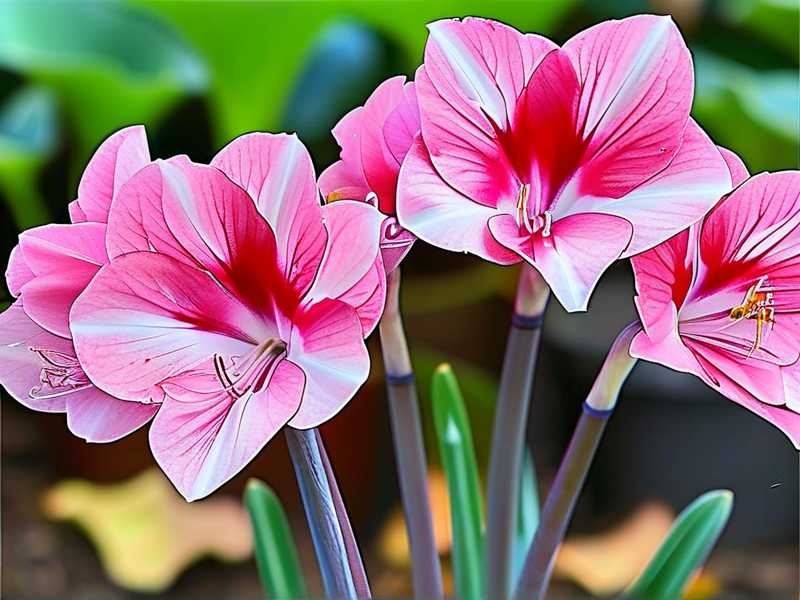
Caladium Mini Pink is a dwarf caladium. It stays compact, usually under 12 inches tall, and it throws out heart-shaped leaves splashed with pink, cream, and green. For anyone short on space, that's a huge plus. You don't need a greenhouse or a huge floor planter.
The trade-off is that this plant is more sensitive than its bigger cousins. The roots sit in a small volume of soil. That means every watering decision matters more. Get it right and you'll have pink foliage for months. Get it wrong and you'll be staring at bare stems by week three.
Honestly, I think most people buy one because it looks beautiful on the shelf, then treat it like a pothos. That's the fastest way to lose it.
The 3 Mistakes That Kill Caladium Mini Pink for Beginners
Let me be blunt here, because these three errors cause nearly all the failures I see.
1. Overwatering
This is the big one. The stats are pretty clear across the horticulture world: 90% of indoor plants die from overwatering. Not underwatering. Overwatering. I know it feels counterintuitive because we associate water with life.
Caladium Mini Pink grows from a tuber. That tuber stores moisture. If the soil stays soggy, the tuber rots from the inside out. By the time you notice yellow leaves, the damage is already done.
I learned this the hard way. My first Mini Pink sat in a decorative ceramic pot with no drainage hole. I watered it every other day because the top looked dry. Two weeks later the whole thing collapsed. When I pulled it out, the tuber was mushy and smelled sour.
Fix: water only when the top inch of soil feels dry. Use a pot with a drainage hole. Always. No exceptions.
2. Wrong Light
Caladium Mini Pink is not a low-light plant, and it's not a full-sun plant either. It wants bright, indirect light. Think dappled shade under a tree, or a spot a few feet back from a south-facing window.
Too little light and the pink coloring fades. Stems get leggy and stretch toward whatever light they can find. Too much direct sun and the leaves scorch, especially in a west-facing window during summer.
I tried putting mine on a sunny balcony in July. I thought more light meant more pink. Instead the leaf edges turned brown and crispy within four days. I moved it back inside behind a sheer curtain and it recovered.
Fix: bright indirect light. A north or east window works well in most homes. Supplement with a grow light in winter if your space gets dark.
3. Wrong Pot
This connects to watering, but it deserves its own mention. A pot that's too big holds too much soil, and that soil stays wet for ages. A pot with no drainage is a death sentence.
I've killed a plant by "sizing up" too early. I thought a bigger pot would give the roots room to grow. What actually happened was the excess soil trapped water around the tuber. Root rot set in fast.
Fix: choose a pot only one to two inches wider than the tuber cluster. Make sure it has drainage holes. Terracotta works well because it wicks away some moisture.
What I Did Differently the Third Time
After losing two plants, I changed my whole approach. Here's the exact routine I followed, and what I observed over two weeks.
Week 1: Repotting and Settling In
I started with a healthy tuber from a local nursery. I used a light, airy mix: two parts potting soil, one part perlite, one part peat moss. Some growers skip the peat, but I find it helps hold just enough moisture without staying wet.
I planted the tuber with the "eyes" facing up, about two inches deep. Then I watered lightly and put the pot in a spot with bright, indirect light.
The first few days, nothing happened. That's normal. Tubers take time to wake up. I resisted the urge to water again. That urge is what killed my earlier plants.
By day five, I saw the first tiny sprout pushing through the soil. It was pale and thin, almost like a thread. That's when I knew the tuber was alive and rooting.
Week 2: First Leaves and First Adjustments
By day eight, the first leaf started to unfurl. It was small and mostly green at first, with just a hint of pink along the veins.
By day twelve, a second leaf appeared, and the pink was much stronger. That's when I knew the light was right. I had it about four feet from an east-facing window, with a sheer curtain filtering the morning sun.
On day fourteen, I had three leaves and the plant looked stable. The stems were upright, not stretching. The color was vibrant. That was my proof that the routine worked.
One thing I noticed: the plant drank more water once it had three leaves. I had to water every four or five days instead of every seven. That's a good sign the roots are active.
A Simple Care Routine You Can Follow
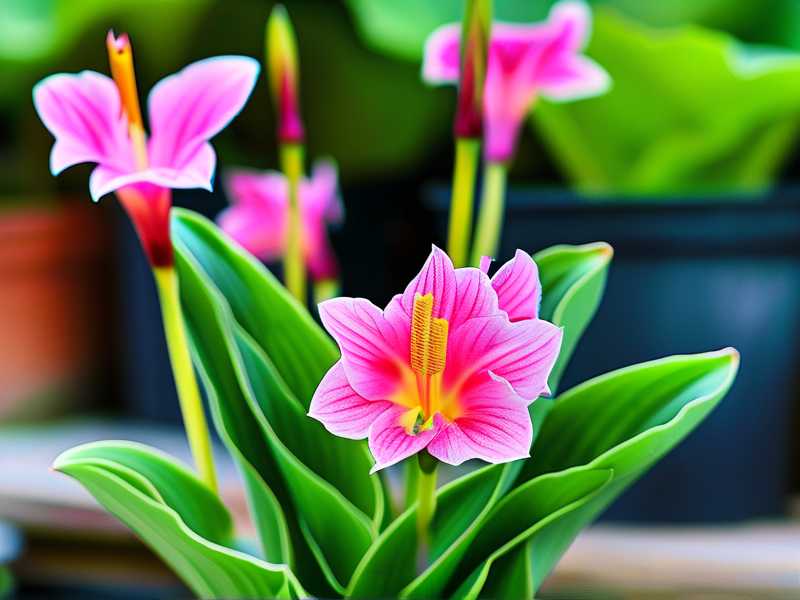
Here's the routine I stick to now, based on what worked.
Watering
Check the top inch of soil every few days. If it's dry, water thoroughly until it runs out the drainage hole. Then empty the saucer. Don't let the pot sit in water.
I water less in winter, sometimes every ten to fourteen days. The plant may go dormant. That's normal. Don't panic and overwater a dormant tuber.
Light
Bright, indirect light. East or north window is ideal. If you only have a south or west window, use a sheer curtain or move the plant a few feet back.
Humidity
Caladium Mini Pink loves humidity. I keep a small humidifier nearby, or I group it with other plants. Misting helps a bit, but it's not a substitute for real humidity.
Fertilizer
I feed with a diluted liquid fertilizer every four weeks during the growing season. That's it. Too much fertilizer burns the roots and causes leaf burn.
Temperature
Keep it between 65°F and 80°F (18°C to 27°C). Avoid cold drafts and sudden temperature swings. This plant hates cold.
What the Experts Say
The AHS notes that caladiums are warm-season tuberous plants that thrive in partial shade and well-drained soil. That matches exactly what I've seen. The RHS also emphasizes good drainage for tuberous plants, which is why I'm so strict about pots and watering.
I'm not saying you need to follow every rule perfectly. But the fundamentals matter more than fancy tricks.
Common Questions I Get
How often should I water Caladium Mini Pink?
Water when the top inch of soil is dry. In summer that might be every four to seven days. In winter, much less. The plant will tell you if you're overdoing it, usually with yellow leaves.
Why are the leaves turning green instead of pink?
That's almost always a light issue. Too little light causes the pink to fade. Move it closer to a bright, indirect source. Give it a week or two to adjust.
Can I grow Caladium Mini Pink outdoors?
Yes, in warm, frost-free climates. It does well in shaded borders or containers. Just bring it inside before the first frost, or lift the tubers and store them dry.
Final Thoughts
Caladium Mini Pink is not the easiest plant I've ever grown. I'll be honest about that. But it's also not impossible. Once you understand what kills it, which is almost always too much water, wrong light, and a bad pot, you can avoid the most common pitfalls.
I've killed my share of these plants. That's why I'm so specific about drainage and timing. If you get those right, you'll be rewarded with weeks of pink foliage that honestly looks like something from a magazine. Take your time. Don't rush the watering. And remember that 90% of indoor plants die from overwatering. Keep that in your head and you're already ahead of most beginners.





