 bluename
 How to Grow Caladium Giant White: The Big White Leaf Guide I Wish I'd Had Sooner
I killed three Caladiums before I figured out how to grow Caladium Giant White properly. The first one rotted in a week. The second burned to a crisp on a sunny windowsill. The third just never woke up from dormancy. So if you're staring at a sad, floppy white leaf right now, trust me — I get it. Here's the short answer: give it bright indirect light, water only when the top inch of soil feels dry, and plant it in a pot with drainage holes that's only slightly bigger than the tuber. That's it. That's the whole game with this stunning large white leaf variety. Caladium Giant White isn't your average grocery store caladium. It throws out enormous heart-shaped leaves that are almost pure white with delicate green veining. The RHS notes that caladiums are tropical tuberous perennials that thrive in warm, humid conditions — and that's exactly what this one wants. It's gorgeous. It's also a diva if you get the basics wrong.
Why Giant White Is Different From Other Caladiums
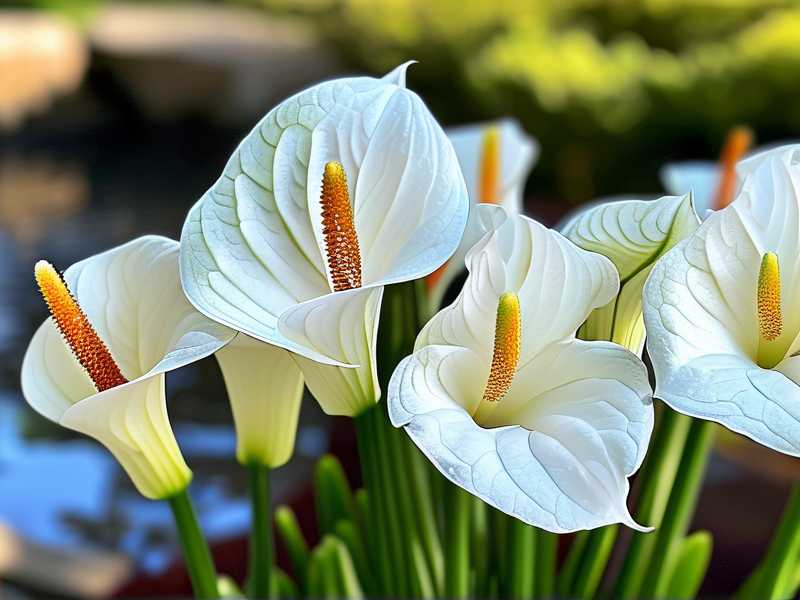
Most caladiums have pink, red, or mixed foliage. Giant White is special because the leaves are predominantly white.
That means less chlorophyll. Less chlorophyll means slower growth and more sensitivity to direct sun. I learned this the hard way.
My second plant — the one that burned — was sitting about two feet from a south-facing window. Within four days, the white leaves had brown, crispy patches. Not a pest issue. Not a disease. Just too much direct light for a plant with barely any pigment to protect itself.
Once I moved it to a spot with bright, filtered light, new leaves came in clean. It took about two weeks to see real recovery. The burnt leaves never healed, but the new growth told me I was back on track.
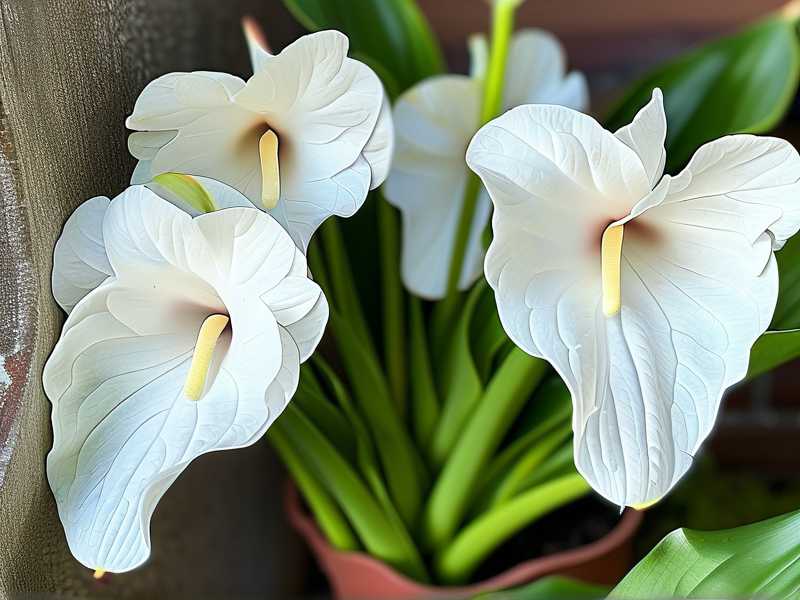
The Three Mistakes That Kill Most Giant White Caladiums
I've made all three of these. More than once, honestly. Let me save you the heartbreak.
Mistake #1: Overwatering
Here's a stat that should be on every plant tag: 90% of indoor plants die from overwatering. I used to think that was dramatic. Then I watched a perfectly healthy tuber turn to mush because I "loved" it too much with the watering can.
Caladium Giant White grows from a tuber. Tubers store water. When you keep the soil consistently wet, the tuber basically drowns. It can't breathe. Root rot sets in, and by the time you notice yellowing leaves, it's usually too late.
What I do now: I stick my finger about an inch into the soil. If it's dry at that depth, I water. If it's even slightly moist, I wait. During the growing season, that's usually every 5–7 days in my home. In winter, when the plant goes dormant, I barely water at all.
I also switched to a pot with a drainage hole and a saucer. Sounds basic. But my first caladium was in a decorative cachepot with no drainage. Water pooled at the bottom. That tuber never stood a chance.
Mistake #2: Wrong Light
Giant White needs bright, indirect light. Not low light. Not direct sun. That middle ground.
I tried a north-facing window first. Growth was slow and the leaves stayed small. Then I tried the south window and got scorch marks. What finally worked was an east-facing window with a sheer curtain. Morning light, filtered through fabric. The plant took off.
If you don't have a good window, a grow light works too. Keep it about 12–18 inches above the leaves and run it for 10–12 hours a day. I've used a basic LED panel with good results.
Here's the thing — this plant will tell you if the light is wrong. Too much sun: brown crispy patches. Too little: leggy stems and small, dull leaves. You'll figure it out within two weeks if you just pay attention.
Mistake #3: The Wrong Pot
I used to think pot size didn't matter much. It does. Especially with tuberous plants.
If you plant a small tuber in a huge pot, the excess soil stays wet for way too long. The tuber sits in moisture it doesn't need. Rot follows. I've been there.
What works: a pot that's about 2 inches wider than the tuber. That's it. The roots will fill it in, and the soil dries out at a reasonable pace. Terra cotta is great because it wicks away extra moisture. Plastic works too if you're careful with watering.
Also — and I can't believe I have to say this because I did it myself — make sure the pot has drainage holes. I once "fixed" a hole-less pot by adding a layer of rocks at the bottom. That's a myth. It doesn't help. Water still sits there. Just use a pot with actual holes.
How I Plant and Care for Giant White Caladiums Step by Step
Here's my actual routine. Nothing fancy. Just what's worked after killing a few of these.
Step 1: Start With a Healthy Tuber
Look for a firm tuber with no soft spots or mold. If it feels squishy, skip it. I order mine in late winter or early spring so they're ready to plant when temperatures stay above 65°F (18°C) indoors.
Step 2: Use the Right Soil Mix
I mix regular potting soil with perlite and a bit of peat moss. About 60% potting soil, 30% perlite, 10% peat. This gives me a light, airy mix that drains fast. Caladiums hate heavy, compacted soil.
Step 3: Plant With the Eyes Up
Tubers have little bumps called "eyes" — that's where the leaves sprout. Plant them with the eyes facing up, about 1–2 inches deep. If you plant them upside down, they'll still grow, but it takes longer and sometimes they rot before they figure it out. I learned that one the slow way.
Step 4: Water Lightly at First
Don't soak the soil right after planting. Give it a light watering and wait. Once you see shoots emerging, you can water more regularly. Before that, the tuber doesn't have roots to absorb much water anyway.
Step 5: Keep It Warm and Humid
Caladiums are tropical. They want warmth — ideally 70–85°F (21–29°C) — and humidity above 50%. I run a small humidifier near mine during dry months. A pebble tray works too if you don't want to deal with a machine.
What to Expect in the First Two Weeks
Week 1: Not much happens above the soil. The tuber is waking up, sending out roots. Don't panic. Don't dig it up to check. I did that once and broke off a tiny sprout. Just wait.
Week 2: You should see a small shoot poking through the soil. It might look like a tiny spike. That's the first leaf unfurling. By day 10–14, you'll have a small but visible leaf. That's your signal that things are working.
If nothing happens by week three, gently check the soil moisture. If it's bone dry, water. If it's soggy, you've got a problem. But most healthy tubers sprout within two weeks when conditions are right.
Fertilizing: Less Is More
I feed mine every four weeks during the growing season with a diluted liquid fertilizer. Half strength. That's it. Overfeeding causes more problems than underfeeding with caladiums. The AHS suggests that tropical plants like caladiums benefit from balanced fertilizer during active growth, but too much can burn the roots.
I use a basic 10-10-10 diluted to half the recommended dose. If the leaves start looking pale or growth stalls, I might feed every three weeks. But honestly, less is more.
Dormancy: Don't Throw It Away
This is where a lot of people give up. When fall comes and the leaves start dying back, they think the plant is dead and toss it.
Don't do that.
Caladiums go dormant. The leaves die back naturally when daylight shortens and temperatures drop. The tuber is still alive underground. I let the leaves yellow completely, then stop watering. I dig up the tuber, brush off the soil, and store it in a paper bag with dry peat moss in a cool, dark place — around 60°F (15°C).
In spring, I replant it. It comes back every time.
I've had one tuber for three years now. It gets bigger and produces more leaves each season. Patience pays off.
Frequently Asked Questions
How often should I water Caladium Giant White?
Water when the top inch of soil is dry. That's usually every 5–7 days during active growth, less in low light. Never let the tuber sit in soggy soil. When in doubt, wait another day.
Why are my Giant White leaves turning brown?
Brown crispy patches usually mean too much direct sun. Brown mushy spots near the base usually mean overwatering. Check both light and soil moisture. Adjust accordingly.
Can I grow Caladium Giant White outdoors?
Yes, if you live in USDA zones 9–11. Elsewhere, grow it in containers and bring them inside before the first frost. It needs warmth and humidity — not cold nights.
What I Want You to Take Away
Caladium Giant White is not hard to grow. It's just particular. Get the light right, don't drown the tuber, and use a pot that makes sense. Do that, and you'll have one of the most striking white-leaf plants you can grow indoors.
I wish someone had told me all this before I lost three of them. But now you know. Go get yourself a tuber. You've got this.





