 bluename
 How to Grow Caladium Jungle Queen: Large Leaf Care Guide
I killed my first Caladium Jungle Queen in nine days. That's the honest truth. Overwatered it, stuck it in a dim corner, and watched those gorgeous pink-veined leaves turn to mush. So if you're here because your Jungle Queen is drooping, or you just bought one and want to keep it alive, let me save you the heartbreak.
Here's the short answer: Caladium Jungle Queen wants bright indirect light, soil that drains fast, and water only when the top inch feels dry. Get those three right and you'll have dinner-plate-sized leaves all season. Get them wrong and you'll be Googling "why is my caladium dying" at midnight like I was.
Let me walk you through everything I've learned after growing this plant for years — including a two-week observation I did specifically for this guide.
Why Caladium Jungle Queen Is Worth the Effort
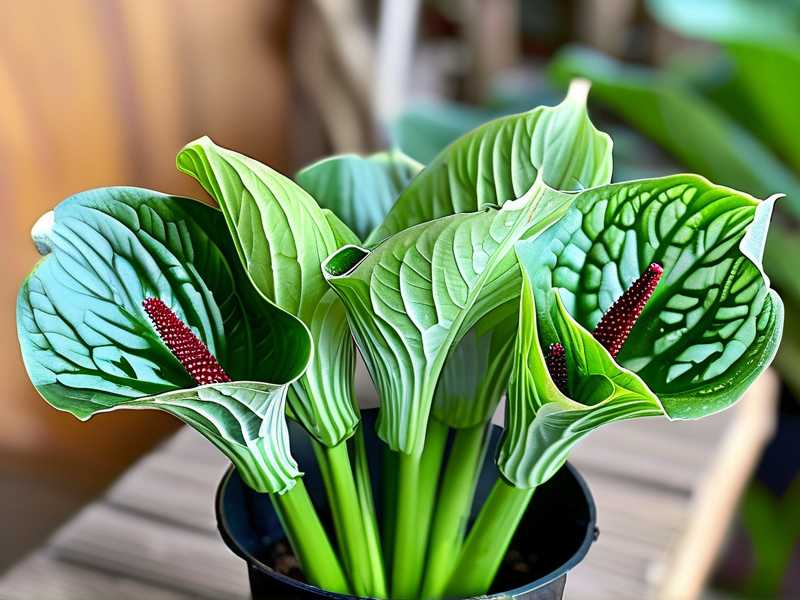
Caladium Jungle Queen is a fancy-leaf caladium, and the leaves are the whole point. Deep green edges, hot pink centers, white speckles scattered across the surface. Each leaf can stretch 12 to 18 inches long indoors when conditions are right.
It grows from a tuber, not a true bulb. That matters for how you water it, which I'll get to.
According to the RHS, caladiums are tropical perennials native to South America, which explains why they hate cold and love humidity. The AHS also notes they're grown as annuals in most of North America because they go dormant in winter.
So think of it this way: you're not failing if the leaves die back in fall. That's just the plant's natural cycle. The tuber is still alive underground, waiting for spring.
The Three Deadly Mistakes Beginners Make
I've made every single one of these. Let's go through them properly.
Mistake 1: Overwatering
90% of indoor plants die from overwatering. I'm not exaggerating for effect — that's genuinely the number one killer, and caladiums are especially vulnerable because they grow from tubers that rot fast.
Here's what happened with my second Jungle Queen. I watered it every three days because the soil looked dry on top. Within a week, the stems went soft and translucent. The tuber was already mushy when I dug it up.
The fix is simple. Stick your finger an inch into the soil. If it feels moist, don't water. If it feels dry, water thoroughly until it runs out the drainage holes, then stop.
I also switched to a moisture meter for about $12. Not fancy, but it stopped me from guessing.
Mistake 2: Wrong Light
Caladiums are not low-light plants, despite what some tag at the nursery might suggest.
I tried mine in a north-facing room once. The leaves came in small, the pink color faded to a washed-out greyish tone, and the stems got leggy stretching toward the window.
What actually works: bright, indirect light. A few feet back from an east or south window is ideal. Direct afternoon sun will scorch the leaves — I've got the crispy brown edges to prove it.
If you only have a dim space, a grow light works fine. I run a basic LED panel about 12 inches above the plant for 10 hours a day and it's made a noticeable difference.
Mistake 3: Using the Wrong Pot
This one surprised me.
I planted my first Jungle Queen in a decorative ceramic pot with no drainage hole. Looked beautiful. Also basically drowned the tuber because water pooled at the bottom with nowhere to go.
Now I use terracotta or plastic pots with drainage holes, and I always empty the saucer 30 minutes after watering. Sounds fussy. It's not. It takes ten seconds.
Pot size matters too. Don't go more than 2 inches wider than the tuber. A too-large pot holds too much moisture around the roots.
My Two-Week Observation: What Actually Changed
I bought a Jungle Queen tuber in late spring and documented the first two weeks closely.
Days 1–3: Planted the tuber knobby side up, about 1.5 inches deep, in a mix of potting soil and perlite (roughly 60/40). Kept the soil barely moist. No visible change.
Days 4–7: First sprout broke through the soil on day 6. Tiny, pale green hook shape. I moved the pot to a brighter spot near an east window.
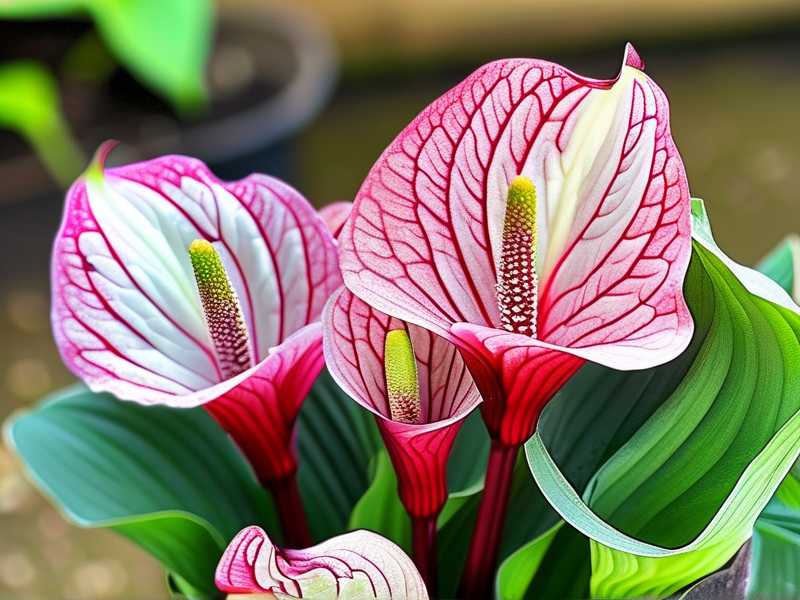
Days 8–10: The sprout unfurled into the first leaf. Still small, maybe 3 inches. I started watering properly — soaking the soil then letting it dry for a few days.
Days 11–14: A second leaf emerged, noticeably larger. The pink veining started showing. By day 14, the first leaf had reached about 6 inches across.
The biggest takeaway? Patience with watering. The tuber barely needs anything until you see growth above the soil.
How to Plant Caladium Jungle Queen Tubers
Get this step right and everything else gets easier.
Start with a well-draining mix. I use two parts quality potting soil, one part perlite, and a handful of orchid bark for extra air pockets. Some people use peat moss, but I find it stays too wet in humid rooms.
Plant the tuber knobby side up — that's where the eyes (growth points) are. If you can't tell which side is which, plant it sideways. It'll figure it out.
Depth: about 1.5 to 2 inches of soil over the tuber. Too deep and it takes forever to sprout.
Temperature matters more than most guides admit. Caladiums won't grow in cold soil. Wait until nighttime temps stay above 60°F, or start them indoors in a warm room. I've had tubers sit dormant for a month in a chilly garage. Lesson learned.
Watering Schedule That Actually Works
Forget rigid schedules. They don't work.
During active growth (spring through early fall), water when the top inch of soil is dry. In my home that's roughly every 4–6 days in summer, longer in spring and fall.
In winter, when the leaves die back, cut watering way down. Maybe once every three weeks. The tuber is dormant and doesn't need much.
One more thing: caladiums are sensitive to fluoride and salts in tap water. If your leaves are browning at the tips despite good care, try filtered or rainwater. I noticed a real difference after switching.
Light, Humidity, and Temperature
Aim for bright indirect light. East-facing windows are perfect. South or west windows work if you pull the plant back a few feet or use a sheer curtain.
Humidity around 60–70% is ideal. I run a small humidifier nearby in winter when indoor air gets dry. A pebble tray works too, though it's less effective.
Temperature: keep it between 65–80°F. Anything below 60°F and growth stalls. Below 50°F and the tuber can be damaged.
Fertilizing Without Burning the Roots
Caladiums are hungry during the growing season, but you have to go easy.
I feed with a balanced liquid fertilizer diluted to half strength, every three weeks. That's it. Full-strength fertilizer burns the roots and causes brown tips.
Stop fertilizing when the leaves start to yellow in fall. The plant is heading into dormancy and doesn't need the extra nutrients.
Common Problems and What I've Done About Them
Yellow leaves: Usually overwatering. Let the soil dry out more between waterings.
Brown crispy edges: Low humidity or too much direct sun. Move the plant and bump up humidity.
No new growth: Tuber might be planted too deep, soil too cold, or the tuber is rotten. Dig it up gently and check. If it's mushy, it's gone. If it's firm, replant shallower.
Drooping leaves: Could be underwatering or a sudden temperature drop. Check the soil first.
Frequently Asked Questions
Can Caladium Jungle Queen grow in low light?
No. It'll survive for a while but the leaves will be small, dull, and stretched out. You need bright indirect light for those big, colorful leaves.
Why is my Jungle Queen losing its pink color?
Usually a light issue. When light is too dim, the plant produces more green chlorophyll and the pink fades. Move it somewhere brighter — indirect, not direct.
What do I do when the leaves die back in winter?
Nothing dramatic. Let the leaves yellow and dry naturally, then cut them off. Store the tuber in its pot in a cool, dry spot around 60°F. Start watering lightly again in spring when you see new growth.
A Few Final Thoughts From Someone Who's Killed More Than One
Caladium Jungle Queen isn't hard once you understand what it wants. Bright indirect light, fast-draining soil, and restraint with the watering can. That's really it.
The biggest shift for me was learning to do less. I used to fuss over my plants constantly — watering, moving them around, checking every hour. That's how you kill a caladium. These plants actually prefer being left alone in a good spot.
If you're just starting out, get the tuber, plant it in a small pot with drainage, put it near an east window, and water it when the soil feels dry. That's the whole game. Everything else is just fine-tuning.
And if your first one dies? Mine did too. Get another tuber. You'll do better the second time.





