 bluename
 How to Grow Caladium Winter Frost: White Variegation Care Steps
I still remember the first Winter Frost caladium I ever bought. It arrived in a tiny nursery pot, three sad little leaves, and I thought I was ready.
I wasn't.
By week two, one leaf had gone yellow. By week three, the stems were soft like cooked noodles. I nearly quit caladiums forever.
So here's the straight answer you're looking for: Winter Frost caladiums need bright, indirect light, a well-draining mix that stays lightly moist but never soggy, warm temperatures above 65°F, and absolutely no sitting in standing water. That's the whole game in one sentence. Everything else is just detail.
But those details are what separate a thriving plant from a mushy mess. And honestly, most people get it wrong because they treat caladiums like regular houseplants. They're not.
If you're here because your Winter Frost is struggling, or because you want to grow one without killing it, this is what I've learned after years of trial and error, including a two-week observation period I ran just to track how fast things go wrong.
Why Winter Frost Is Different From Other Caladiums
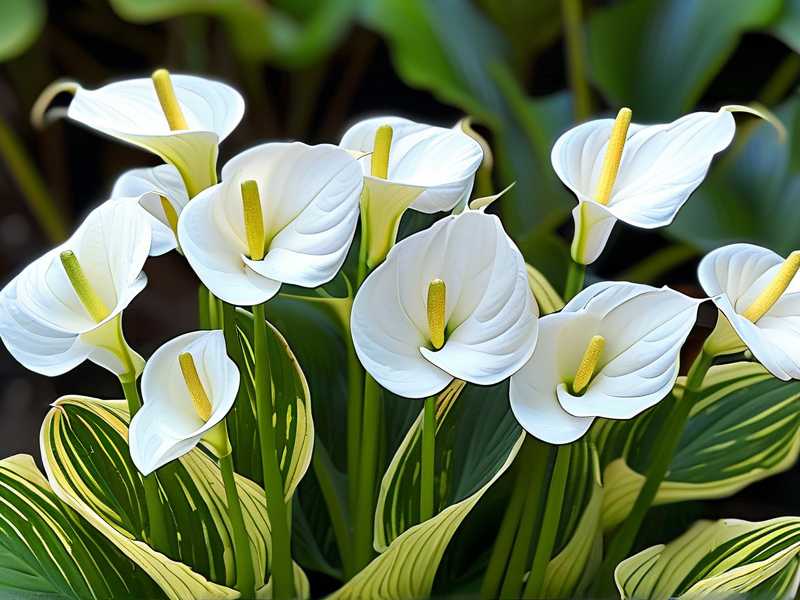
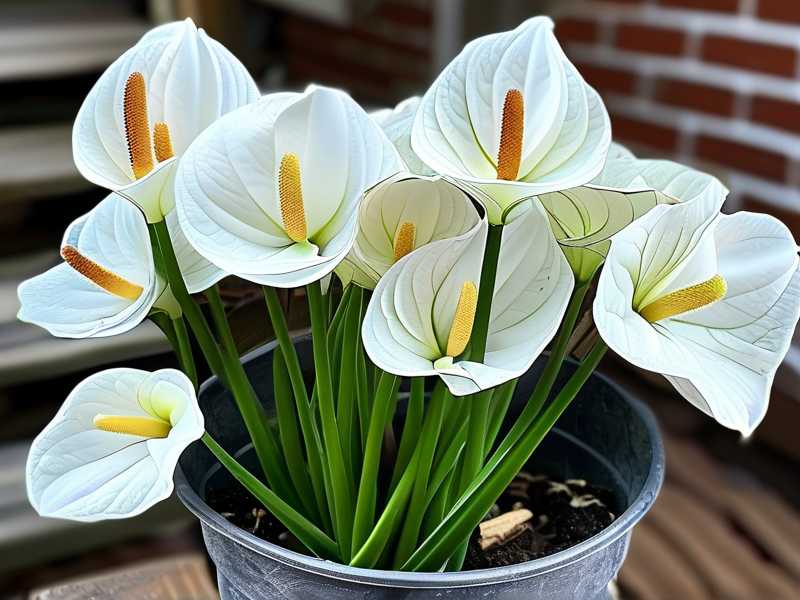
Winter Frost is a fancy-leaf caladium. That means its beauty comes from those paper-thin, heart-shaped leaves with crisp white centers and green edges.
I've grown a lot of caladiums. White Christmas, Aaron, Moonlight. But Winter Frost has a reputation for being a bit more demanding.
The white variegation is the reason. White leaf tissue has far less chlorophyll than green tissue. That's just plant biology. Less chlorophyll means the plant has less energy-making machinery, so it's slower to recover from stress.
That single fact changes everything about how you care for it. You can't treat it like a green-leaf caladium. You can't shove it in a dark corner and hope for the best. You also can't blast it with direct afternoon sun.
The Royal Horticultural Society (RHS) notes that caladiums generally prefer partial shade and consistently moist, humus-rich soil. That aligns with what I've seen. The American Horticultural Society (AHS) also emphasizes that tuberous tropicals like caladiums need warm soil and careful water management.
So if you remember nothing else, remember this: Winter Frost is a tropical understory plant. It evolved on a forest floor. Bright dappled light. Warm humid air. Soil that drains fast but never dries completely.
Recreate that, and you're 90% of the way there.
My Two-Week Winter Frost Observation: What Actually Happened
I ran a simple test earlier this year. One Winter Frost in a 6-inch terracotta pot. One in a glazed ceramic pot with no drainage hole. Same soil mix, same light, same watering schedule.
I checked both every single day for two weeks.
Day 1 to 3: Both looked fine. No visible difference.
Day 4: The glazed pot started feeling heavier than it should. I lifted it and realized water was pooling at the bottom.
Day 6: One lower leaf on the glazed-pot plant turned yellow. The terracotta plant was still pushing out a new leaf.
Day 8: The yellow leaf went limp. Stems on the glazed plant started feeling soft near the soil line.
Day 10: I pulled the glazed plant out of its pot. The roots were brown and mushy. Classic root rot.
Day 12: I repotted it in a terracotta pot with fresh mix, trimmed the rotten roots, and crossed my fingers.
Day 14: The terracotta plant had two healthy new leaves. The rescued plant was stable but hadn't grown. It survived, but it lost two weeks of growth.
That experiment taught me more than any article ever could.
The 3 Deadly Mistakes New Winter Frost Growers Make
I've made all three of these. Some more than once. And I've watched friends make them too.
Mistake #1: Overwatering
Here's a number that should be printed on every plant tag: 90% of indoor plants die from overwatering.
I'm not exaggerating. I've killed at least four caladiums this way. The leaves droop a little, so you water. Then they droop more, so you water again. Then the stems collapse, and by then it's too late.
Winter Frost is especially vulnerable because its thin leaves lose water fast in dry indoor air. Drooping doesn't always mean thirsty. Sometimes it means the roots are drowning and can't take up water.
What I do now: I stick my finger two inches into the soil. If it's moist, I wait. If it's dry at that depth, I water thoroughly until it runs out the bottom, then I empty the saucer.
Simple. But it took me killing three plants to build that habit.
Mistake #2: Light Mismatch
I once put a Winter Frost on a south-facing windowsill in July. I thought more light meant more white variegation.
It didn't work. Within three days, the white areas developed brown crispy edges. The leaves looked scorched.
Then I overcorrected and moved it to a dark hallway. The white slowly faded to pale green. New leaves came in almost entirely green. The plant was basically reverting to a plain green caladium.
What I do now: East-facing window with a sheer curtain. Or four feet back from a south window. That gives me bright, indirect light all day. The white stays crisp, and the leaves don't burn.
If you only have a north window, that can work too, but growth will be slower. You might need a small grow light in winter.
Mistake #3: Wrong Pot
This one is sneaky. A lot of people buy a beautiful glazed ceramic pot and plant their caladium straight into it. No drainage hole. It looks great.
It's a death sentence.
I tried this with my second Winter Frost. The pot had no drainage. I watered carefully, or so I thought. But moisture built up at the bottom anyway. Three weeks later, the tuber was rotten.
What I do now: Terracotta or unglazed clay pots with a drainage hole, always. Terracotta wicks away excess moisture through the walls. It's not magic, but it helps.
If you really want a decorative pot, keep the plant in a plastic nursery pot and drop that inside. Take it out to water. Let it drain in the sink. Then put it back.
It's an extra step. But it saves plants.
Step-by-Step Winter Frost Care
Here's the routine I follow now. It's not complicated, but the order matters.
Step 1: Choose the Right Soil
I use a mix of two parts peat-based potting soil, one part perlite, and one part orchid bark. That gives me drainage and moisture retention at the same time.
Winter Frost tubers hate sitting in dense, wet soil. They also hate drying out completely. This mix threads that needle.
Step 2: Plant at the Right Depth
If you're starting from a tuber, plant it with the knobby side up, about one to one and a half inches deep. Any deeper and it may rot before it sprouts. Any shallower and it might dry out.
I've planted too deep before. The tuber just sat there and turned to mush. Lesson learned.
Step 3: Water With Intention
Water when the top two inches of soil are dry. Water until it runs out the drainage hole. Empty the saucer within 10 minutes.
In summer, that might mean watering every three to four days. In winter, if the plant is dormant, you might not water at all.
I know that sounds obvious. But I've watched people water on a fixed schedule, rain or shine, wet soil or dry. Plants don't work on schedules.
Step 4: Keep It Warm
Winter Frost doesn't like temperatures below 60°F. Below 55°F, growth stops. Below 50°F, the tuber can rot.
I keep mine in a room that stays between 65°F and 80°F. If you're in a cold climate, don't put it near a drafty window in winter. I learned that the hard way during a cold snap in January.
Step 5: Feed Lightly
I feed with a diluted balanced liquid fertilizer every four weeks during the growing season. That's it.
More fertilizer doesn't mean more white. In fact, too much nitrogen pushes green growth and can reduce variegation. I tested this once. The plant grew fast but lost its distinctive white centers.
Step 6: Handle Dormancy Right
Winter Frost caladiums go dormant in fall or winter. The leaves yellow, droop, and die back. That's normal.
Don't panic. Don't water more. Let the leaves die naturally, then stop watering completely. Store the tuber in dry soil or in a paper bag with slightly damp peat moss at around 60°F.
I lost a tuber once because I kept watering after the leaves died. It turned to soup.
What About Humidity and Pests?
Winter Frost loves humidity. I run a small humidifier nearby, or I group it with other tropical plants. A pebble tray helps a little.
Spider mites are the main pest I've dealt with. They love dry air and thin leaves. If you see fine webbing or stippled leaves, isolate the plant and wipe the leaves with a damp cloth. I've had good results with neem oil spray, applied every five days for three rounds.
Don't use harsh insecticides on caladiums. Their leaves are too sensitive.
Frequently Asked Questions
How often should I water a Winter Frost caladium?
Water when the top two inches of soil feel dry. In summer, that's usually every three to four days. In winter, during dormancy, stop watering entirely. Never water on a fixed schedule.
Why is my Winter Frost turning green instead of staying white?
Too little light is the usual cause. Move it to a brighter spot with indirect light. Also check your fertilizer. Too much nitrogen can push green growth and reduce variegation.
Can I grow Winter Frost indoors year-round?
Yes, but it will go dormant eventually. Most caladiums need a rest period. Let the leaves die back, store the tuber properly, and replant in spring. Trying to force year-round growth usually weakens the plant.
My Final Take
Winter Frost caladiums are not the easiest plants. I'll be honest about that. But they're not impossible either.
The trick is understanding what they are. They're tropical understory plants with thin leaves and low chlorophyll in the white areas. Give them warmth, bright indirect light, fast-draining soil, and careful watering, and they'll reward you with some of the most striking foliage you can grow indoors.
I've killed more than a few getting here. But the ones I have now are thriving. And every time a new white leaf unfurls, I remember why I kept trying.





