 bluename
 How to Grow Caladium Spring Fling: Light Variegation Care Steps
I killed three caladiums before I figured out how to grow Caladium Spring Fling without turning its gorgeous pink-splashed leaves into crispy brown toast. The secret? It comes down to three things: water discipline, the right light, and a pot that actually breathes. Get those right and this plant rewards you with some of the most stunning variegation you'll ever see on a houseplant.
I'm writing this after two solid weeks of watching my current Spring Fling settle in, push out new leaves, and hold its color. I'll walk you through exactly what I did, what I messed up before, and what I'd tell any beginner who wants this plant to actually thrive instead of just survive.
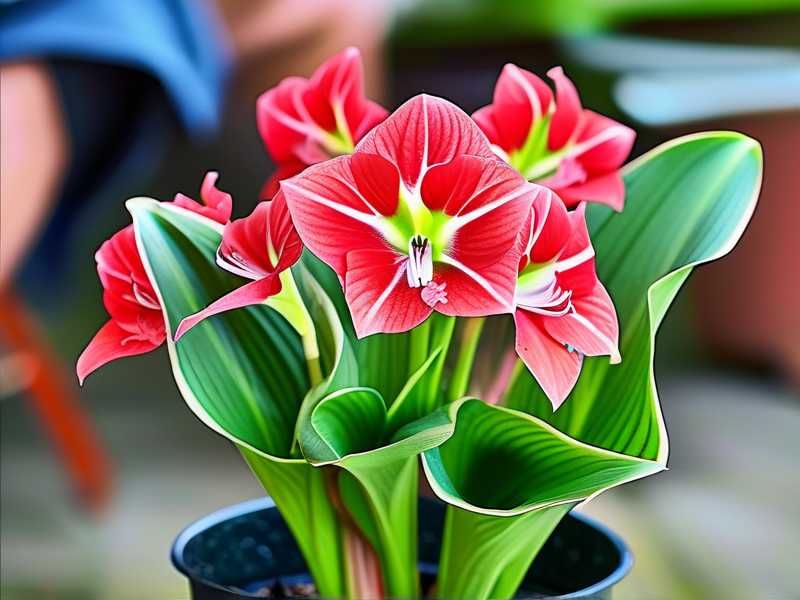
What Makes Caladium Spring Fling Different From Other Caladiums
Spring Fling isn't your average caladium. It's a strap-leaf variety, which means the leaves are narrower and more upright than the big, floppy heart-shaped types.
That matters for care. Narrow leaves mean less surface area for water loss, but they also mean the plant is more sensitive to direct sun. I learned that the hard way when I put my first one on a south-facing windowsill "for bright light" and came back two days later to bleached, papery edges.
The variegation is the whole point here. You get deep pink centers bleeding into green margins with white speckling. If the light isn't right, that pink fades to a washed-out beige. If the light is too harsh, the leaves scorch. There's a sweet spot, and it's narrower than most care guides admit.
What the RHS says about caladium culture lines up with what I've seen: these are tropical tubers that want warmth, humidity, and bright but filtered light. They're not desert plants, and they're not deep-shade plants either. The AHS backs this up too—caladiums perform best in partial shade with consistent moisture, not soggy roots.
Caladium Spring Fling Light Requirements: Finding the Sweet Spot
Here's the short version: bright, indirect light. Morning sun is fine. Harsh afternoon sun is not.
I keep mine about three feet back from an east-facing window. That gives it a few hours of gentle morning light and soft, filtered brightness the rest of the day. The pink in the leaves stays vivid. New leaves unfurl with good color instead of coming out pale and stretched.
If you only have a south or west window, use a sheer curtain. I tried a west window without a curtain once. The leaves looked fine for about four days, then the edges started curling and browning. That's sunburn, and it doesn't heal. You just have to wait for new growth and cut the damaged leaves off.
North-facing windows can work if the room is bright, but growth slows down. I noticed my north-window Spring Fling took almost twice as long to push out a new leaf compared to the east-window one. Not a dealbreaker, just something to know.
What about artificial light? A basic LED grow light on a 12-hour timer works well. Just keep it 12–18 inches above the plant. Closer than that and you'll fry the leaves.
If you're into other aroids or variegated tropicals, the light rules are pretty similar. Once you understand the "bright but filtered" concept, you can apply it to a lot of plants.
Watering Caladium Spring Fling Without Killing It
Let me just say it plainly: 90% of indoor plants die from overwatering. I've lost more plants to soggy soil than to every pest and disease combined.
Caladiums are tubers. Tubers store water. That means they'd rather be slightly dry than constantly wet. If you water on a fixed schedule—every Sunday, every three days, whatever—you're probably overwatering.
Here's what I do now. I stick my finger into the soil up to the second knuckle. If it feels moist at all, I wait. If it feels dry, I water thoroughly until it runs out the drainage holes. Then I don't water again until the top two inches are dry.
During the growing season, that's usually every 7–10 days in my house. In winter, when the plant goes dormant, I barely water at all. Maybe once every three weeks, just to keep the tuber from shriveling completely.
I used to think more water meant faster growth. It doesn't. It means root rot, yellowing leaves, and a mushy tuber that smells like decay. I've pulled enough rotten tubers out of pots to know that smell. Trust me, you don't want to learn that lesson.
Humidity matters too. Caladiums love it. I run a small humidifier near mine and keep the humidity around 60%. A pebble tray works if you don't want to deal with a machine. Just don't mist the leaves directly—wet leaves plus low airflow equals fungal problems.
Pots, Soil, and Drainage: The Stuff Nobody Tells Beginners
The pot matters more than most people think. I've tried plastic, glazed ceramic, and terracotta. Terracotta wins for caladiums, hands down.
Why? Terracotta breathes. It wicks moisture away from the soil, which helps prevent the exact overwatering problem that kills most caladiums. Glazed ceramic and plastic hold water longer. If you're a chronic overwaterer (I was), terracotta gives you a buffer.
Size matters too. Don't put a small tuber in a giant pot. The excess soil stays wet, and the roots never reach it. I use a pot that's about 2 inches wider than the tuber cluster. That's it. Tight quarters are better than a spacious swamp.
For soil, I mix regular potting mix with perlite and a bit of orchid bark. Roughly 60% potting mix, 25% perlite, 15% bark. This gives you fast drainage and air around the roots. I tried straight potting mix once. The soil compacted, stayed wet, and the tuber rotted within three weeks.
Make sure the pot has drainage holes. No holes, no caladium. I don't care how pretty the container is. Drill a hole or use it as a cachepot with a nursery pot inside.
My Two-Week Observation: What Actually Happened
I started this current Spring Fling tuber on a Tuesday. Planted it in a 6-inch terracotta pot with my perlite-bark mix. Placed it three feet from an east window. Watered once, thoroughly, and then left it alone.
Day 3: Nothing visible. Normal. Caladiums take their time waking up.
Day 5: A tiny pink nub pushed through the soil. I may have audibly gasped.
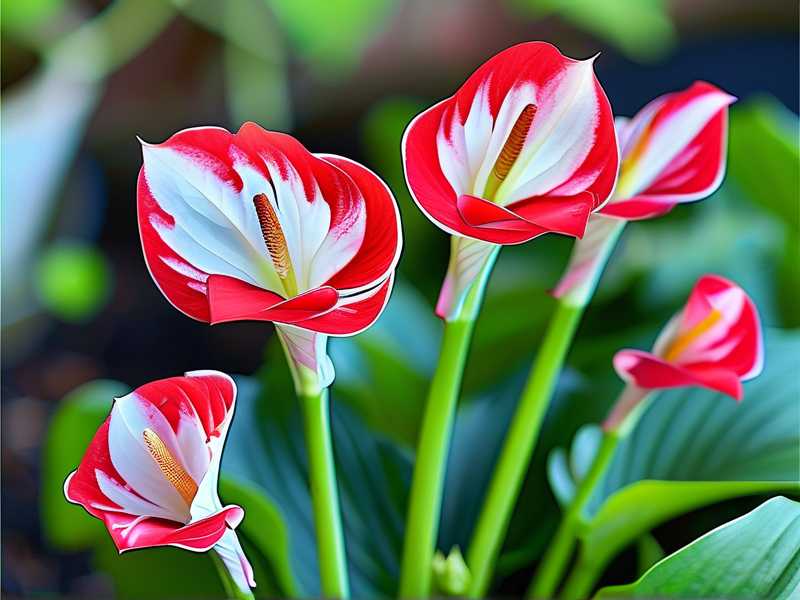
Day 7: The first leaf unfurled. It was small, maybe 3 inches, with decent pink color but not full variegation yet. That's normal for the first leaf. Don't panic.
Day 10: Second leaf emerged, noticeably larger. The pink was more intense. I rotated the pot a quarter turn so it wouldn't lean toward the window.
Day 14: Three leaves total, all upright, all with strong variegation. No brown edges. No yellowing. The soil was dry down to my second knuckle, so I watered again.
That two-week window confirmed what I already suspected: caladiums don't need much from you. They need consistency. Same light, same watering approach, same warm spot. Fuss over them and you'll cause problems.
Three Beginner Mistakes That Kill Caladium Spring Fling
Mistake 1: Overwatering
This is the big one. I've done it. You'll do it if you're not careful. The signs are yellowing lower leaves, soft stems, and soil that stays wet for more than a week.
The fix: water only when the top two inches are dry. Use terracotta. Add perlite. When in doubt, wait another day.
Mistake 2: Wrong Light
Too much direct sun bleaches the leaves and burns the edges. Too little light and the pink fades, stems stretch, and the plant looks leggy and sad.
The fix: bright indirect light. East window or a south/west window with a sheer curtain. If the leaves look washed out, move it closer to the light. If they're scorching, move it back.
Mistake 3: Wrong Pot
Oversized pots, glazed pots without drainage, and decorative containers with no holes are all caladium killers. I've made all three mistakes.
The fix: terracotta or unglazed ceramic, 2 inches wider than the tuber, always with drainage holes. Your plant will thank you by not rotting.
Dormancy: What Happens When Leaves Die Back
Here's something nobody told me with my first caladium: they go dormant. The leaves yellow, droop, and die back. It looks like the plant is dying. It's not.
This usually happens in late fall or winter when light levels drop and temperatures cool. Don't throw the pot away. Stop watering. Let the soil dry out completely. Store the pot in a cool, dark place—a closet, a garage that doesn't freeze, a basement corner.
In spring, when temperatures stay above 65°F, bring the pot back out and start watering again. New growth will emerge from the tuber. I've had the same tuber come back three years in a row using this method. It's honestly one of the most satisfying things about growing caladiums.
If you live in USDA zones 9–11, you can leave them in the ground year-round. For everyone else, container growing with a dormancy period is the way to go.
Frequently Asked Questions
How often should I water Caladium Spring Fling?
Water when the top two inches of soil are dry. In summer, that's usually every 7–10 days. In winter dormancy, barely at all. Never water on a fixed schedule—check the soil first.
Why is my Caladium Spring Fling losing its pink color?
Usually a light issue. Too little light fades the pink to beige. Move it closer to a bright, indirect source. Too much direct sun can also bleach the color, so aim for filtered brightness, not harsh rays.
Can Caladium Spring Fling grow in low light?
It can survive, but it won't thrive. Growth slows, variegation fades, and leaves stretch toward the nearest light source. For the best color and compact growth, give it bright indirect light.
This plant isn't difficult. It just has opinions about water, light, and drainage. Respect those opinions and you'll have a stunning, colorful caladium that comes back year after year. Disrespect them and you'll be scooping rotten tubers out of soggy soil wondering what went wrong. I've been on both sides of that equation. The good side is much more fun.





