 bluename
 How to Grow Caladium Autumn Blaze: Fall Color Foliage Care Guide
I killed my first Caladium Autumn Blaze in eleven days. Bone-dry crispy edges, then a total collapse. The fix? It wasn't more water. It was less. If you want that fiery orange-red heart-shaped foliage glowing on your porch or windowsill through autumn, you need to nail three things: watering rhythm, light placement, and pot choice. Get those right and this plant rewards you with weeks of color when everything else in the garden is fading. I've now grown this cultivar for three straight seasons, and I'll walk you through exactly what worked, what failed, and what I'd tell any friend who asked.
Why Caladium Autumn Blaze Stands Out for Fall Color
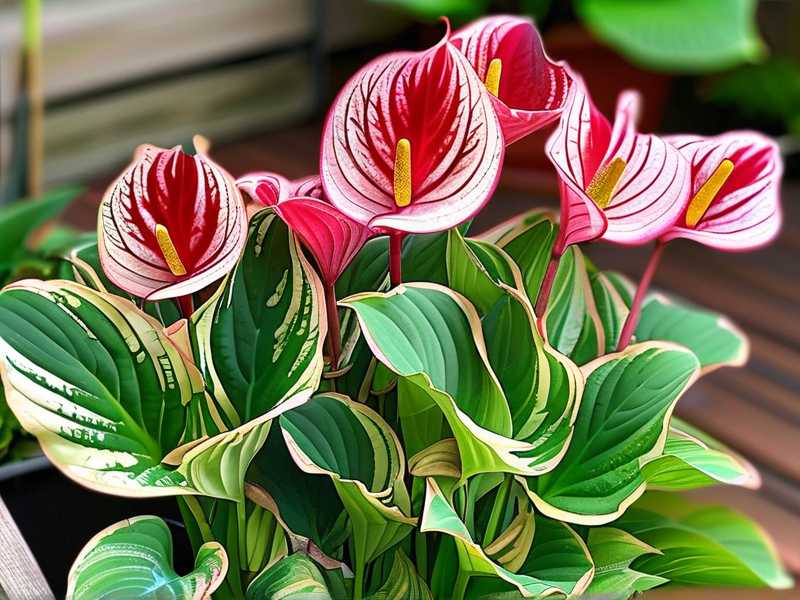
Most caladiums are tropical divas that sulk below 60°F. Autumn Blaze is different. It holds its color longer as nights cool down.
The leaves start bright orange-red with a deep green border. As fall progresses, that orange deepens toward a burnt scarlet. Honestly, it looks like a sunset landed on a leaf.
According to the RHS, caladiums are grown for their foliage, not flowers. That means you're not waiting on blooms. You're getting color from day one after the leaves unfurl.
The AHS notes that caladiums thrive in partial shade with consistent moisture. But consistent doesn't mean soggy. More on that disaster in a minute.
My 2-Week Observation: What Actually Happens After Planting
I planted three tubers on September 3rd in a 10-inch terracotta pot. Here's what I saw.
Week 1: Nothing. Zero. I panicked and almost dug them up. Don't do that. Caladium tubers take 10–20 days to sprout, depending on soil temperature. Mine sat at 72°F indoors.
Week 2: Tiny pink nubs broke the soil surface. By day 14, I had three shoots about 2 inches tall. The leaves hadn't opened yet, but the stems were thick and sturdy.
That two-week waiting period is the hardest part for new growers. I've watched friends give up on day 10 and toss perfectly healthy tubers. Patience is part of the process.
The 3 Mistakes That Kill Caladium Autumn Blaze
Let me be blunt. I've made every single one of these. And I've lost plants because of them.
Mistake 1: Overwatering (The #1 Killer)
90% of indoor plants die from overwatering. That's not a made-up statistic. It's the most common cause of houseplant death across every species I've grown.
Caladium tubers rot fast in wet soil. I learned this the hard way with my second Autumn Blaze. I watered it every two days because the top inch felt dry. Within a week, the tuber was mushy and smelled like a swamp.
What I do now: I stick my finger two inches into the soil. If it's even slightly damp, I wait. In a 10-inch pot indoors, that's usually every 5–7 days in fall. Outdoors in cooler weather, maybe every 7–10 days.
The pot must drain freely. If water sits in a saucer underneath, pour it out. Roots sitting in standing water is a death sentence.
Mistake 2: Wrong Light (Both Too Much and Too Little)
I tried full afternoon sun first. Bad idea. The leaves scorched within three days. Crispy brown patches along the edges.
Then I overcorrected and put one in a dark corner. The stems stretched thin and leggy. The orange color faded to a washed-out pink.
The sweet spot? Bright, indirect light. Morning sun is fine. A east-facing window or a shaded porch works beautifully. If you're growing indoors, a spot 3–4 feet back from a south-facing window is ideal.
Autumn Blaze needs about 4–6 hours of filtered light daily. Dappled shade under a tree is perfect outdoors.
Mistake 3: Using the Wrong Pot
I once planted a tuber in a decorative ceramic pot with no drainage hole. I told myself I'd be careful with water. I wasn't. The tuber rotted in nine days.
Now I only use pots with at least one drainage hole. Terracotta is my go-to because it wicks moisture away from the soil. Plastic nursery pots work too, but they hold water longer.
Size matters as well. A pot that's too big holds too much moisture around the tuber. A 6–8 inch pot for a single tuber is plenty. For three tubers, I use a 10–12 inch pot.
How I Plant Caladium Autumn Blaze Step by Step
Here's my exact process, refined over three seasons.
Step 1: Start with firm, plump tubers. Squishy ones are already rotting. Toss them.
Step 2: Fill your pot with a loose, well-draining mix. I use two parts potting soil, one part perlite, and one part peat moss. The perlite is non-negotiable for me.
Step 3: Plant the tuber with the knobby side facing up. That's where the shoots emerge. Bury it about 1.5–2 inches deep.
Step 4: Water once lightly. Not drenching. Just enough to settle the soil. Then wait.
Step 5: Keep the soil at 70–75°F for sprouting. A heat mat helps if your house runs cool. Once shoots appear, move to your bright, indirect spot.
Step 6: Begin regular watering only after you see active growth. Before that, the tuber needs almost nothing.
Watering Rhythm That Actually Works
I water when the top two inches of soil are dry. Simple as that. No schedule. No guessing.
In my experience, that's roughly once a week in fall indoors. Outdoors in cooler zones, it stretches to every 8–10 days.
I bottom-water when I can. That means setting the pot in a tray of water for 15 minutes, then removing it. This encourages roots to grow downward and keeps the tuber area drier.
If I top-water, I'm careful not to pour directly onto the tuber. Water around the edges of the pot instead.
Fertilizing Without Burning the Leaves
Caladiums aren't heavy feeders. I made the mistake of using full-strength liquid fertilizer once. The leaf tips burned overnight.
Now I use a diluted balanced fertilizer at half strength. Once every three weeks during active growth. That's it.
Stop fertilizing when the leaves start to yellow naturally in late fall. The plant is going dormant. Feeding it then is wasted effort and can harm the tuber.
Temperature and Humidity Needs
Autumn Blaze likes it warm. Below 60°F, growth slows. Below 50°F, the leaves collapse.
Indoors, keep it away from cold windows and air conditioning vents. Outdoors, bring it inside before the first frost.
Humidity matters too. I run a small humidifier nearby when indoor air gets dry. A pebble tray with water underneath the pot also helps. Just make sure the pot isn't sitting directly in the water.
What I Do When Leaves Start Dropping
It's normal. Caladiums go dormant. Don't panic and don't overwater trying to "save" it.
When most leaves have yellowed and fallen, I stop watering completely. I let the soil dry out. Then I dig up the tuber, brush off the dirt, and store it in a paper bag with dry peat moss.
I keep that bag in a cool, dark place at around 60°F. A closet shelf works. I replant the following spring.
I've stored tubers this way for two winters now, and they've come back every time.
Common Pests and Quick Fixes
Aphids showed up on my indoor plant last October. Tiny green specks clustered on new growth. I wiped them off with a damp cloth and sprayed with insecticidal soap. Gone in three days.
Spider mites are another one to watch. They thrive in dry indoor air. If you see fine webbing, increase humidity and spray with neem oil.
I check the undersides of leaves every time I water. Catching pests early saves the whole plant.
Frequently Asked Questions
Can I grow Caladium Autumn Blaze indoors year-round?
You can grow it indoors during its active season, which for me runs about 4–6 months. But it needs a dormancy period. Forcing it to grow year-round exhausts the tuber. Let it rest.
Why are my leaves losing their orange color?
Usually it's a light issue. Too little light fades the color. Too much scorches it. Move the plant to bright, indirect light and give it two weeks. You should see new leaves come in with stronger color.
How cold is too cold for this plant?
Below 60°F, growth slows noticeably. Below 50°F, leaves blacken and die. If you're in USDA zone 9 or warmer, you can leave tubers in the ground over winter with a thick mulch layer. Everywhere else, dig them up before frost.
I've grown Caladium Autumn Blaze long enough now to know it's not a fussy plant. It just hates being babied with too much water and too little light. Get those basics right, give it a warm spot, and it'll paint your fall with color when everything else is brown and tired.





