 bluename
 How to Grow Caladium Summer Breeze: Light Green Care Steps That Actually Work
I killed three Caladium Summer Breeze plants before I figured out what I was doing wrong.
The first one drowned. The second one got scorched on a south-facing windowsill. The third one sat in a pot with no drainage holes, and by week two, the tubers were mush.
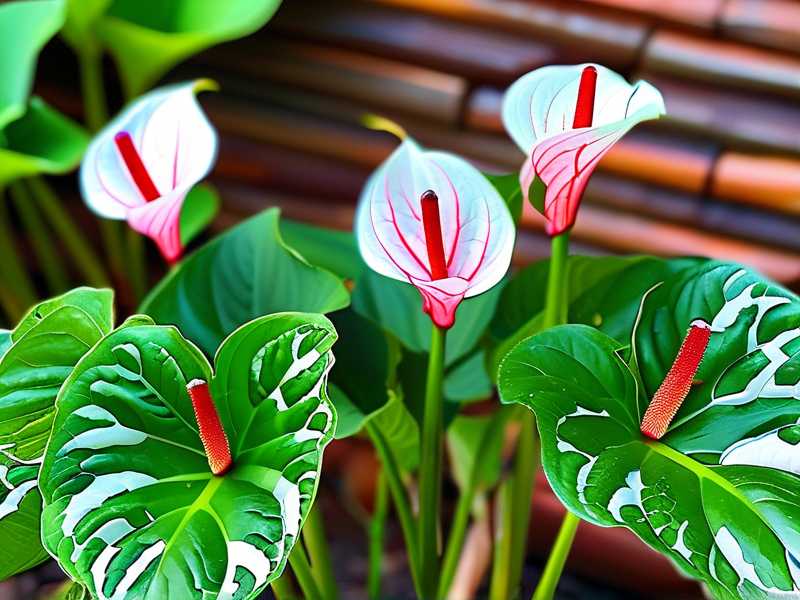
So if you're here because your Summer Breeze is drooping, yellowing, or just not pushing out those gorgeous light green leaves — you're in the right place. I've been growing Caladium Summer Breeze indoors and on my shaded patio for four seasons now, and I want to save you the heartbreak.
Here's the short answer: Caladium Summer Breeze needs bright indirect light, well-draining soil, and consistent moisture — but never soggy roots. Get those three things right and this plant rewards you with some of the most striking heart-shaped foliage you can grow at home.
The Real Problem Most Growers Face
Let me say something that took me way too long to accept.
90% of indoor plants die from overwatering. That's not a made-up statistic — it's something I've seen echoed by master gardeners and extension services across the board. And Caladiums are especially unforgiving about it.
Summer Breeze isn't a cactus. It likes moisture. But there's a massive difference between moist soil and swampy soil. I learned that the hard way when my second plant's leaves turned to limp, translucent rags overnight.
The other issue? Light. People either blast these plants with direct sun or tuck them into a dark corner. Both are wrong. Caladium Summer Breeze wants what I call "goldilocks light" — bright enough to keep the colors vivid, filtered enough to prevent scorching.
And then there's the pot situation. I once used a decorative ceramic pot with a single tiny drainage hole. Worst mistake. Water pooled at the bottom, and root rot set in fast.
Mistake #1: Overwatering (The Silent Killer)
I need to be blunt here.
Overwatering kills more Caladium Summer Breeze plants than anything else. Not pests. Not disease. Water.
Here's what happens: the soil stays wet, the tubers can't breathe, and fungal rot takes over. By the time you notice yellowing leaves, the damage is already underground.
What I do now:
I water only when the top inch of soil feels dry to the touch. Not "kind of dry." Actually dry.
I stick my finger in about knuckle-deep. If there's any moisture, I wait another day.
During summer, that usually means watering every 3–5 days indoors. In winter, when the plant goes dormant, I barely water at all.
I also switched to a moisture meter for about $12. Honestly? Best money I've spent. It removed all the guesswork.
If you take nothing else from this article, take this: when in doubt, don't water. Caladiums recover from slight drought far better than from drowning.
Mistake #2: Putting It in the Wrong Light
My first Summer Breeze sat on a west-facing windowsill.
By day four, the leaves looked like someone took a lighter to the edges.
Caladium Summer Breeze is native to tropical forest floors. In the wild, it gets dappled light filtering through a canopy. That's the vibe you want to recreate.
What works for me:
- East-facing window with a sheer curtain: perfect
- North-facing window: good, but growth is slower
- South or west window: only if you diffuse the light with blinds or a shade cloth
- Outdoors: under a tree or on a covered porch
I've tested all of these. The east window with a light curtain gave me the best color development. The leaves kept that beautiful light green center with darker green borders.
The RHS notes that Caladiums generally prefer partial shade, and I can confirm that from experience. Full sun is a death sentence for most varieties, Summer Breeze included.
If your plant is stretching toward the light with long, thin stems, it needs more brightness. If the leaves are bleached or crispy, it's getting too much.
Mistake #3: Using the Wrong Pot
This one caught me off guard.
I thought any pot would do as long as it looked nice. Wrong.
Caladium Summer Breeze grows from tubers. Those tubers need air circulation around them. A pot that's too big holds too much moisture. A pot without drainage is basically a bathtub for roots.
What I use now:
- Terracotta pots with drainage holes: my top pick. Terracotta wicks away excess moisture naturally.
- Plastic nursery pots inside decorative cachepots: works well if I empty the cachepot after watering.
- Pot size: only 1–2 inches wider than the tuber cluster. Don't go bigger thinking it'll "give room to grow." It won't. It'll just hold water.
I also layer the bottom with perlite or small stones. Not for drainage, technically — that's a myth — but it keeps the soil from sitting directly against the pot base.
The AHS recommends well-draining potting mixes for container-grown Caladiums, and I mix my own: two parts peat-based potting soil, one part perlite, one part orchid bark. That combo has never let me down.
My 2-Week Observation: What Healthy Growth Actually Looks Like
I started a fresh Summer Breeze tuber on June 1st this year.
Week 1: Nothing visible above soil. I kept the pot in a warm spot (around 75°F) with indirect light and barely watered. Just enough to keep the soil slightly damp.
By day 9: A tiny pinkish sprout poked through. I practically cheered.
Week 2: The first leaf unfurled. Light green with darker margins, exactly as expected. I increased watering slightly but still let the top inch dry between sessions.
What I noticed during this period:
- The plant did nothing for the first week. That's normal. Tubers need warmth to break dormancy.
- Once sprouting began, growth was fast. Nearly a new leaf every 7–10 days.
- The light green color was most intense with morning light only. Afternoon sun faded it.
If your tuber hasn't sprouted after three weeks, dig it up gently. If it's soft and mushy, it's rotted. If it's firm, put it back and wait. Sometimes they're just slow.
The Care Steps That Keep My Summer Breeze Thriving
Let me break down my full routine. This is what works in my climate (USDA zone 7b), but you can adjust for yours.
Soil and Planting
I plant tubers with the "eyes" (small bumps) facing up, about 1–2 inches deep. I use the mix I mentioned earlier. I water once after planting, then basically leave it alone until sprouts appear.
Temperature and Humidity
Caladium Summer Breeze loves warmth. Below 60°F, growth stalls. I keep mine between 70–85°F during the growing season.
Humidity matters too. I run a small humidifier nearby during winter, or I group it with other tropical plants to create a microclimate. Brown, crispy leaf edges usually mean the air is too dry.
Fertilizing
I feed every 4–6 weeks with a diluted liquid fertilizer (half-strength). Over-fertilizing burns the tubers. I learned that after giving one plant a full dose and watching the leaf tips turn brown within days.
No fertilizer during dormancy. None.
Dormancy: The Part Nobody Warns You About
Here's something that confused me the first year.
Caladium Summer Breeze doesn't grow year-round. When days get shorter and temperatures drop, the leaves die back. The plant goes dormant.
I panicked the first time. Thought I'd killed it.
I hadn't. The tubers were fine. I just needed to let them rest.
What I do during dormancy:
- Stop watering completely once all leaves have died.
- Leave the tubers in the pot, or dig them up and store them in dry peat moss.
- Keep them in a cool, dark spot (around 55–60°F).
- Start watering again in spring when I see new growth.
Some growers treat Caladiums as annuals and buy new tubers each year. That's fine too. But if you want to save money and get attached to your plant, dormancy is worth managing.
Pest Problems I've Dealt With
Aphids showed up on my Summer Breeze last August.
Tiny green bugs clustered on new leaves. I caught them early and blasted them off with a spray bottle of water. For heavier infestations, insecticidal soap works well.
Spider mites are another one to watch. They thrive in dry indoor air. Keeping humidity up is your best defense. If you see fine webbing, treat immediately with neem oil.
I've never had major disease issues beyond rot from overwatering. Fix the watering, and you fix the disease.
Frequently Asked Questions
How often should I water Caladium Summer Breeze?
Water when the top inch of soil is dry. In summer, that's usually every 3–5 days indoors. In cooler months, much less. Never let the pot sit in standing water.
Why are my Summer Breeze leaves turning yellow?
Yellow leaves usually mean overwatering or poor drainage. Check your soil moisture and make sure your pot has drainage holes. If the tubers are mushy, root rot has set in and you'll need to remove affected parts and repot in fresh, dry mix.
Can Caladium Summer Breeze grow in low light?
It can survive in low light, but growth will be slow and colors will fade. For the best light green foliage, aim for bright indirect light — an east window or a shaded patio spot works great.
What I Want You to Remember
Caladium Summer Breeze isn't difficult. It's just particular.
Give it bright, filtered light. Water it like you're scared of drowning it (because you should be). Use a pot with drainage. Feed it lightly. Let it rest in winter.
Do those things, and you'll have a plant that looks like it belongs in a botanical garden — right there in your living room or on your back porch.
Trust me. If I can keep one alive after killing three, you absolutely can too.





