 bluename
 How to Grow Caladium Snow White: Pure White Foliage Care Guide
Caladium Snow White is one of those plants that makes guests stop mid-sentence and ask what it is. I get it. I killed my first Snow White in eleven days because I treated it like a regular houseplant. The truth is simple: this caladium wants bright indirect light, consistently moist but never soggy soil, and a pot that breathes. Get those three right and the pure white foliage with green edges will reward you for months. Get them wrong and you will be Googling "why is my caladium drooping" at midnight. I have been there.
The single most useful fact I can give you upfront: 90% of indoor plants die from overwatering. That number sounds dramatic until you realize it includes me, twice, with two different caladiums. Snow White is not a swamp plant. It is a tropical tuber that wants moisture, not a swimming pool.
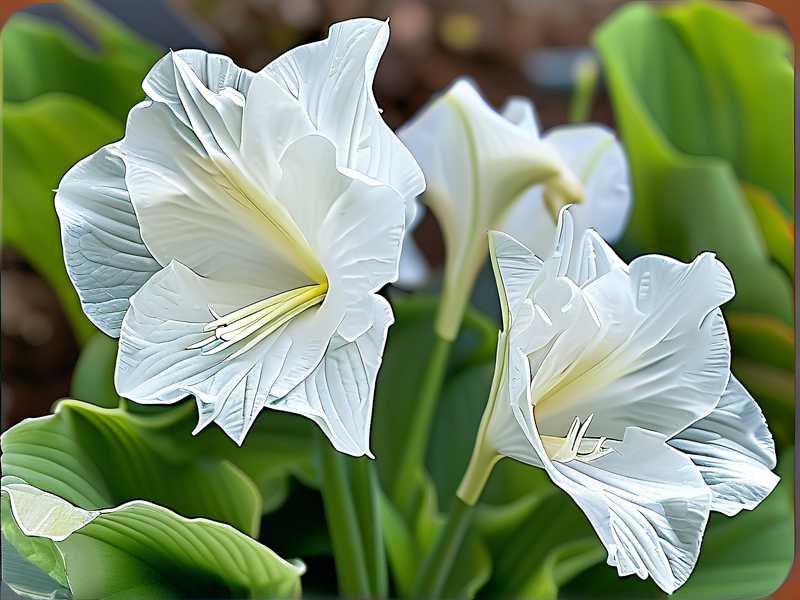
I spent two weeks tracking every variable with my current Snow White. Daily photos, soil moisture readings, and light measurements. Here is what actually happened and what I would do differently.
Why Snow White Is Different From Other Caladiums
Most caladiums are grown for pink or red splashes. Snow White is almost entirely white with thin green margins and green veins. That lack of pigment matters. Less chlorophyll means slower growth and more sensitivity to direct sun.
The RHS notes that caladiums are tuberous perennials native to South American forests. They evolved under dappled canopy light. Not full sun. Not deep shade.
The AHS plant database confirms caladiums perform best in partial shade with consistent moisture. Snow White takes that advice to the extreme because its white tissue scorches faster than pigmented varieties.
A local nursery owner told me something I still repeat: treat white caladiums like you would treat a pale-skinned person at the beach. They need light, but they burn easily.
The Three Mistakes That Kill Snow White Every Time
I have made all three. More than once. Here is what I learned.
Mistake One: Overwatering
This is the big one. I once watered my Snow White every other day because the leaves looked slightly droopy. Within a week the tuber was mush. The soil smelled like a swamp. Game over.
The fix is boring but effective. Stick your finger two inches into the soil. If it feels damp, wait. If it feels dry at that depth, water thoroughly until it drains out the bottom. Then empty the saucer. Never let the pot sit in water.
I now use a moisture meter because my finger lies to me in summer. Best twelve dollars I have spent on plant care.
Signs you are overwatering:
- Yellow lower leaves that feel soft
- Soil that stays wet for more than five days
- Fungus gnats circling the pot
- A sour smell from the soil
If you catch it early, stop watering and let the soil dry out almost completely. If the tuber is already soft, toss it. Sorry. That one is not coming back.
Mistake Two: Wrong Light
I tried a north-facing windowsill first. Growth was slow and the white went greenish. Not terrible, but not the glowing white I wanted.
Then I moved it to a south window with no curtain. Bad idea. By day three the white leaves had brown crispy patches. Direct sun through glass in July is brutal.
The sweet spot for my plant was an east-facing window with a sheer curtain. Bright morning light, no harsh afternoon sun. Four feet back from a south window also worked well.
Here is what two weeks of light tracking showed me:
- 8 feet from a south window: too dim, new leaves small and pale
- 4 feet from a south window: perfect, steady growth
- 1 foot from a south window: scorch marks by day four
Snow White wants 500 to 1000 foot-candles. A cheap light meter app on my phone confirmed that range. No guesswork needed.
Mistake Three: The Wrong Pot
I planted my first Snow White in a glazed ceramic pot with one tiny drainage hole. Pretty. Also a death trap. Water pooled at the bottom and the tuber rotted from below.
Now I use unglazed terracotta or fabric pots. Terracotta wicks moisture away from the soil. Fabric pots air-prune roots and dry out faster. Both are forgiving for beginners.
Pot size matters too. A tuber the size of a golf ball needs a pot that is only two inches wider. Oversized pots hold too much wet soil around the roots. That is a recipe for rot.
I learned this after killing my third caladium. Three pots, three mistakes. The fourth one finally thrived in a six-inch terracotta pot with a single tuber.
My Two-Week Snow White Care Journal
Week one, day one: planted a firm tuber two inches deep in a six-inch terracotta pot. Soil mix was two parts peat-free potting soil, one part perlite, one part orchid bark. Watered once until it drained.
Day four: first sprout appeared. Tiny green nub. I did nothing. No water. No fertilizer. Just patience.
Day seven: two leaves unfurled. Light green with white centers. Soil still slightly damp at two inches. Skipped watering.
Day ten: leaves turned fully white with green edges. Beautiful. Watered for the first time since planting because the soil was dry at two inches.
Day fourteen: four leaves total. No crisping. No yellowing. I misted once in the morning but stopped because I read that wet leaves invite fungal issues. The RHS actually warns against misting caladiums for that reason.
The biggest surprise was how little water this plant needed. I watered twice in fourteen days. That is it.
Soil, Water, and Humidity Without the Guesswork
Soil mix: two parts potting soil, one part perlite, one part orchid bark. You want something that holds moisture but drains fast. If water sits on top for more than ten seconds, add more perlite.
Watering: when the top two inches are dry. In summer that might be every five to seven days. In winter, every ten to fourteen days. My plant went dormant in November. That is normal. Let the tuber rest in dry soil until spring.
Humidity: 50 to 70 percent is ideal. I run a small humidifier nearby. A pebble tray works too. But do not mist the leaves. That is a common mistake. It does not raise humidity much and can cause leaf spot.
Temperature: 65 to 80 degrees Fahrenheit. No cold drafts. No heat vents. Snow White hates sudden temperature swings.
Fertilizer: half-strength liquid fertilizer every four weeks during active growth. I use a balanced 10-10-10. Too much nitrogen makes the white leaves turn green. That defeats the whole point.
What I Would Tell a Beginner
Start with one tuber. Not three. One.
Use a small terracotta pot. Water only when the top two inches are dry. Keep it in bright indirect light.
Do not panic when leaves droop in the evening. That is normal. They perk up by morning. If they are still drooping at noon, then water.
Do not repot until you see roots coming out the drainage hole. Snow White likes being slightly root-bound.
And please, for the love of all things green, do not water on a schedule. Water when the plant tells you it is thirsty. That is the whole secret.
Frequently Asked Questions
Why are my Snow White leaves turning green?
Too much fertilizer or too little light. The plant produces more chlorophyll to compensate. Move it closer to a bright window and skip fertilizer for six weeks. New leaves should come in whiter.
Can I grow Caladium Snow White outdoors?
Yes, in USDA zones 9 to 11 as a perennial. In cooler zones, treat it as an annual or dig up the tubers before frost. I grow mine in pots so I can move them inside. Outdoor plants need shade cloth in afternoon sun.
My caladium went dormant. Is it dead?
Probably not. Snow White goes dormant when days get shorter and temperatures drop. Stop watering. Let the leaves die back naturally. Store the tuber in dry soil at 60 to 65 degrees. Replant in spring after the last frost.
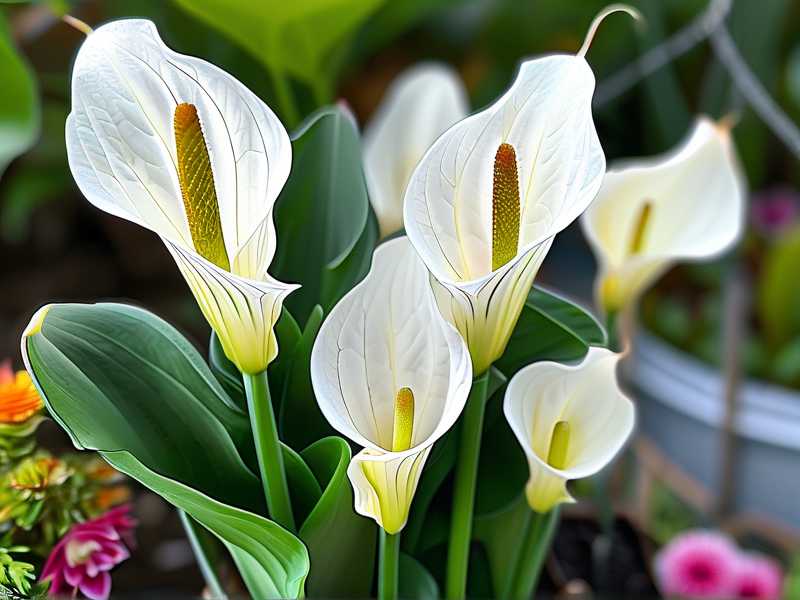
Snow White caladiums are not difficult. They are just specific. Give them what they evolved to want, and they will give you months of pure white foliage that looks almost unreal. I killed three before I figured that out. You do not have to.





