 bluename
 How to Grow Caladium Ruby Slippers: Ruby Red Leaf Care Steps
I killed three Caladium 'Ruby Slippers' before I figured out what actually works. The first one drowned in a cute ceramic pot with no drainage. The second scorched on a south-facing windowsill. The third just... never woke up from dormancy because I kept it bone dry for four months. So if you're staring at a sad, drooping ruby red leaf right now, here's the short answer: give it bright indirect light, water only when the top inch of soil feels dry, and plant it in a breathable pot with drainage holes. That's it. That's the whole game.
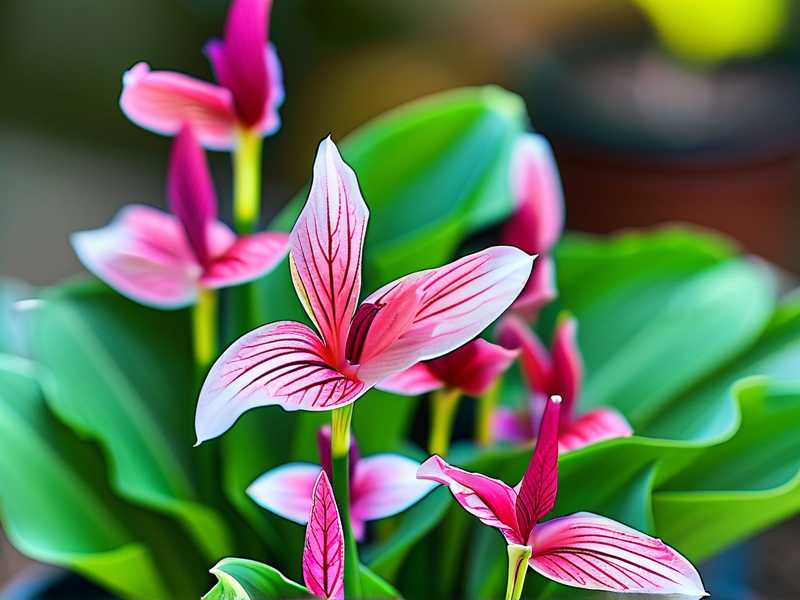
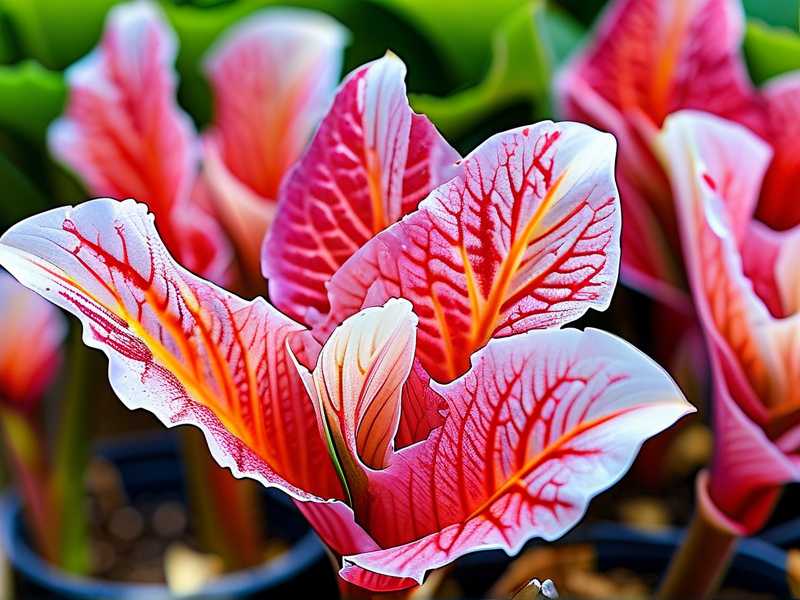
Caladium 'Ruby Slippers' is one of those strap-leaf varieties with long, narrow, heart-shaped leaves that glow like stained glass. The red is intense. The edges are rimmed in green. It looks expensive but it's not fussy once you understand its rhythm. I've grown it indoors in Canada and outdoors in a shaded patio in Australia, and the care steps are basically the same. You just have to respect the tuber.
What Surprised Me After Two Weeks
I started a fresh tuber on March 3rd last year. Planted it in a 6-inch terracotta pot with a chunky mix—two parts coco coir, one part perlite, one part orchid bark. Kept it at 72°F near an east window. By day 10, I saw the first pink nub pushing through the soil. By day 14, a tight furl of ruby red had unfurled to about three inches. That's fast. Faster than my philodendrons. But here's the catch: the tuber rots just as fast if you panic and water it daily.
The Single Most Important Rule
90% of indoor plants die from overwatering. I know you've heard it. I still did it anyway. My first Ruby Slippers turned to mush because I treated it like a fern. Caladiums grow from tubers, not fibrous roots. Tubers store water. They hate sitting in wet soil. So I water when the top inch is dry—roughly every 7 to 10 days indoors. In a 6-inch pot, that's about half a cup of water. Not a drench. Just enough to moisten the mix.
Three Mistakes That Kill Ruby Slippers
Mistake #1: Overwatering
I once kept a moisture meter in the pot and still overwatered because I trusted the meter over my finger. The meter said "dry" at 3 inches. But the top inch was wet. The tuber sat in a soggy pocket and rotted from the bottom up. By the time the leaves yellowed, it was too late. Now I stick my index finger in up to the first knuckle. If it feels like a wrung-out sponge, I wait. If it feels dry, I water. Simple.
Mistake #2: Wrong Light
Ruby Slippers needs bright, indirect light to keep that red color. Direct sun? It bleaches the leaves to a pale pink and crisps the edges. Full shade? The red fades to green and the stems get leggy. I learned this the hard way with a west-facing window in July. One afternoon of direct sun burned three leaves. The fix: sheer curtain or a spot 3 to 5 feet from a bright window. The RHS recommends filtered light for caladiums, and I agree. They're understory plants in the wild.
Mistake #3: Wrong Pot
I tried a glazed ceramic pot because it looked nice. Big mistake. Glazed pots hold moisture. The soil stayed wet for 12 days. The tuber rotted. Now I use unglazed terracotta or fabric pots. Terracotta wicks moisture away from the roots. Fabric pots air-prune. Both work. Just make sure there's at least one drainage hole. I also add a layer of perlite at the bottom—not gravel. Gravel creates a perched water table. Perlite doesn't.
My Step-by-Step Ruby Slippers Care Routine
Start with a firm tuber. Squeeze it. If it's soft or smells sour, toss it. I buy from AHS member nurseries because they store tubers correctly. Plant the tuber knobby side up, about 2 inches deep. Water once. Then wait. No water until you see a sprout. This is the hardest part. I've killed tubers by watering "just a little" every three days. Don't.
Light: East or north window. Or 2 feet from a south window with a sheer curtain. If the leaves turn green, it needs more light. If they crisp, less.
Temperature: 65 to 80°F. Below 60°F, the tuber goes dormant. I move mine away from cold windows at night.
Humidity: 50 to 70%. I use a pebble tray. Not a humidifier. Pebble trays are less messy. Just don't let the pot sit in the water.
Fertilizer: Half-strength liquid fertilizer every 4 weeks during active growth. That's it. I stopped fertilizing in September when the leaves started to yellow. That's the dormancy signal.
Water: When the top inch is dry. In winter, when the plant is dormant, water once a month just to keep the tuber from shriveling. I learned that after losing a tuber to bone-dry soil.
What Happens After Dormancy
Around October, the leaves will droop and die back. Don't panic. That's normal. I let the foliage turn completely brown, then cut it at soil level. I store the pot in a cool, dark closet at 60°F. No water. In March, I dig up the tuber, check for rot, and repot in fresh mix. I've reused the same tuber for three years now. It gets bigger and produces more leaves each cycle.
Frequently Asked Questions
Can I grow Ruby Slippers indoors year-round? Yes, but it will go dormant in winter unless you keep it under grow lights and maintain 70°F. I tried that once. The plant survived but looked tired. I now let it rest. It comes back stronger.
Why are my new leaves smaller and greener? Too little light or too much nitrogen. Move it closer to a bright window and skip fertilizer for a month. The red returns on new growth.
How often should I repot? Every spring when you wake the tuber. Caladiums like being slightly root-bound. A pot 1 to 2 inches wider than the tuber is perfect.
The Bottom Line
Ruby Slippers is not a beginner's plant, but it's not a diva either. It just has clear rules. Bright indirect light. Water only when dry. Breathable pot. Let it sleep in winter. Follow those four steps and you'll get those ruby red leaves from spring through fall. I've gone from killing three tubers to having one that's three years old and still throwing out new leaves every March. You can too. Just don't water it every day. Please.





