 bluename
 How to Grow Caladiums with Other Plants: Companion Guide
I used to think caladiums were fussy drama queens that needed their own special corner. Honestly, I was wrong. You can grow caladiums with other plants beautifully, as long as you understand what they actually want. The short answer? Give them bright, indirect light, keep the soil consistently moist but never soggy, and pair them with companions that share their love of warmth and humidity. That's the whole game. I killed my first three caladiums before I figured this out, and I want you to skip that heartbreak entirely.
Why Caladiums Belong in a Mixed Planting
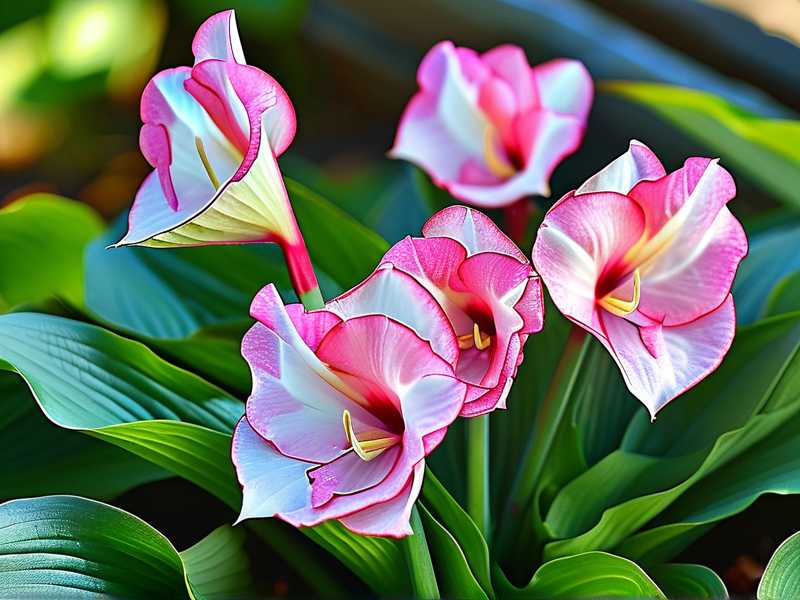
Caladiums are tropical tuber plants grown for their stunning foliage. Heart-shaped leaves. Crazy color combinations. Pink, white, red, green all splashed together like someone went wild with a paintbrush.
They're technically perennials in USDA zones 9-11, but most of us grow them as annuals or bring them indoors for winter. That flexibility makes them perfect companions for a wide range of plants.
The RHS notes that caladiums thrive in warm, humid conditions with indirect light. That's your starting filter for choosing companions. If a plant hates humidity or demands bone-dry soil, it's not a good match.
My First Two Weeks: What I Actually Observed
I planted a mixed container on my covered porch in late spring. Caladium 'White Queen' in the center. Coleus around the edges. A few impatiens tucked in the gaps. Nothing fancy.
Week one? Nothing dramatic. The caladium sent up one new leaf. The coleus grew noticeably. I watered when the top inch of soil felt dry, which ended up being every other day in my climate.
Week two? The caladium pushed out two more leaves. That's when I knew the pairing worked. The coleus provided just enough shade during the hottest part of the afternoon. The impatiens kept the soil surface cool and moist. Everybody was happy.
But here's the thing. I made mistakes along the way, and I see other gardeners make the same ones constantly.
The Three Mistakes That Kill Caladiums (and Their Companions)
Mistake #1: Overwatering
I have to say this plainly because it matters: 90% of indoor plants die from overwatering. Caladiums are not an exception. If anything, they're more vulnerable because their tubers rot fast in soggy soil.
I lost a beautiful 'Moonlight' caladium because I panicked when its leaves drooped. I watered more. The drooping got worse. By the time I pulled the tuber, it was mush.
The fix? Stick your finger in the soil. If it's moist, wait. If it's dry an inch down, water thoroughly. Drainage holes are non-negotiable. I mean it.
Mistake #2: Wrong Light
Caladiums are not full-sun plants. They're not deep-shade plants either. They want that sweet spot of bright, indirect light or filtered shade.
I tried putting a pot in direct afternoon sun once. Within three days, the leaves looked like someone took a blowtorch to them. Crispy edges. Bleached color. Total disaster.
But here's the counterintuitive part. Too much shade makes caladiums leggy and dull. The colors fade. You end up with tall, floppy stems and washed-out leaves.
Aim for morning sun or dappled light all day. That's the zone where caladiums glow.
Mistake #3: Wrong Pot
I used to grab whatever pot was closest. That's how I ended up with a caladium in a tiny terracotta pot that dried out every single day. And another one in a giant ceramic pot with no drainage that stayed wet for weeks.
Both died. Different reasons. Same result.
Caladiums like pots that are slightly wider than their tuber cluster. Not massive. Not cramped. And always, always with drainage. A pot that's too large holds too much moisture around the roots. A pot that's too small stresses the plant and dries it out before you can blink.
The Middle Ground: 12 Companion Plants That Actually Work
Let me walk you through what I've tested and what other experienced growers swear by.
Coleus
This is my number one pick. Coleus loves the same bright, indirect light. It handles humidity like a champ. And the color combinations you can create with caladiums are honestly stunning.
I've grown 'White Queen' caladium with deep burgundy coleus. The contrast made people stop and stare at my porch. Not exaggerating.
One tip: coleus can get leggy. Pinch it back regularly. That keeps it bushy and gives the caladium room to shine.
Impatiens
Impatiens and caladiums are like peanut butter and jelly. Both love shade. Both love moisture. Both bloom or color up beautifully in the same conditions.
I tuck impatiens around the edges of my caladium pots. They fill in the gaps, keep the soil cool, and add little pops of color.
Just watch the watering. Impatiens wilt dramatically when thirsty, which can trick you into overwatering the whole container. Check the soil, not just the impatiens.
Ferns
Maidenhair ferns. Boston ferns. Autumn ferns. They all work.
Ferns create a lush, textured backdrop for caladium's bold leaves. They also appreciate the same humidity levels.
I've had great luck with a Boston fern hanging above a caladium container. The fern's fronds cascade down, and the caladium grows up to meet them. It looks intentional and layered.
Begonias
Wax begonias and tuberous begonias both pair well with caladiums. They share the same light and water needs.
I like wax begonias for their nonstop blooms. They add a floral element that caladiums lack. The combination of bold foliage and delicate flowers is hard to beat.
Hostas
If you're growing caladiums in the ground, hostas are excellent companions. They both love shade and rich, moist soil.
Hostas come back year after year, so you can plant caladium tubers among them each spring. The hostas emerge first and provide a living mulch. The caladiums then push through and add color.
Just make sure the hostas aren't so dense that they smother the caladiums. Give each plant its own space.
Heuchera (Coral Bells)
Heuchera offers year-round interest in most climates. Their foliage colors range from lime green to deep purple. Pair them with caladiums for a textural feast.
I grow 'Caramel' heuchera with pink caladiums. The soft peach tones plus the bright pink veins? Gorgeous.
Heuchera prefers slightly drier soil than caladiums, so plant them at the edges of your container or garden bed where drainage is better.
Japanese Forest Grass
This ornamental grass brings movement and a fine texture that contrasts beautifully with caladium's big, bold leaves.
It likes partial shade and consistent moisture. Perfect match.
I've seen it used in high-end landscape designs with caladiums, and it works just as well in a home garden.
Torenia (Wishbone Flower)
Torenia is an underrated annual. It blooms in shades of blue, purple, pink, and yellow. It loves shade and humidity.
Plant it around the base of your caladiums. It fills in quickly and blooms all season.
I tried this last summer and was genuinely impressed. No disease issues. No pest problems. Just steady color.
Polka Dot Plant (Hypoestes)
Polka dot plants have speckled leaves that echo caladium's patterned foliage. They're a fun, quirky companion.
They can get leggy, so pinch them back. But the spotted leaves against caladium's bold veining create a really interesting visual rhythm.
Sweet Potato Vine
For a trailing element, sweet potato vine is hard to beat. It spills over container edges and adds a completely different leaf shape.
It grows fast, so give it room. I've had it overtake smaller companions if I'm not careful.
Use it sparingly. One sweet potato vine per large container is plenty.
Colocasia (Elephant Ears)
Colocasia and caladium are cousins. They share similar cultural needs. Planting them together creates a tropical jungle vibe that's hard to achieve any other way.
Colocasia gets bigger and taller, so plant it behind or beside caladiums. The layering looks natural and dramatic.
Just remember that both are heavy feeders during the growing season. Fertilize regularly with a balanced liquid fertilizer.
Alocasia
Alocasia, another aroid relative, works well in containers with caladiums. They both love warmth and humidity.
Alocasia can be finicky about moisture. It hates drying out completely but also hates sitting in water. So does caladium. They're compatible, but you need to stay on top of your watering routine.
The AHS recommends well-draining soil for aroid plants, and that advice applies to both caladiums and alocasias equally.
How to Actually Plant Them Together
Start with the right soil. I use a mix of potting soil, peat moss, and perlite. Roughly 60% potting soil, 20% peat, 20% perlite. This gives you moisture retention without waterlogging.
Plant caladium tubers first. Set them about two inches deep with the eyes facing up. Space them four to six inches apart.
Then add your companion plants around them. Don't crowd the caladiums. They need air circulation to prevent fungal issues.
Water thoroughly after planting. Then wait. Don't water again until the top inch of soil feels dry.
Fertilize every two to three weeks with a diluted liquid fertilizer. Caladiums aren't heavy feeders, but they do appreciate consistent nutrition during the growing season.
Container vs. Garden Bed
Container growing gives you more control. You can move the pot if the light changes. You can bring it inside when temperatures drop. You can tailor the soil mix precisely.
Garden beds work too, especially in shaded areas with rich, well-draining soil. But you have less control over moisture and pests.
I do both. Containers on my porch for flexibility. A small shade bed for larger groupings.
What About Pests and Disease?
Caladiums are relatively pest-resistant, but they can attract aphids, spider mites, and mealybugs. Companion plants can help or hurt here.
Ferns and coleus can act as trap crops, drawing pests away from caladiums. But dense plantings with poor air circulation invite fungal diseases like tuber rot and leaf spot.
Give your plants room to breathe. Water at the soil level, not overhead. Remove yellow or damaged leaves promptly.
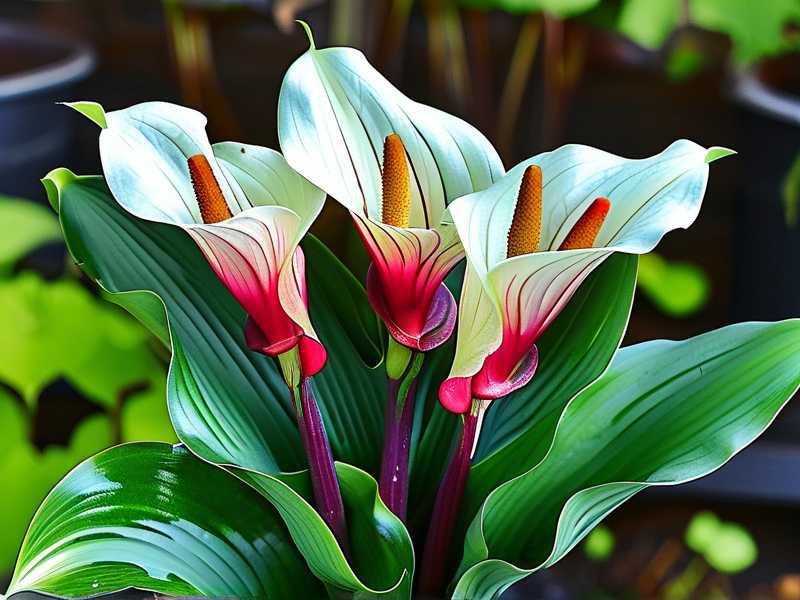
If you see pests, treat immediately with insecticidal soap or neem oil. Don't wait.
Seasonal Care for Mixed Plantings
Spring: Plant tubers after the last frost. Wait until soil temperatures are consistently above 60°F (15°C).
Summer: Water regularly. Fertilize every two to three weeks. Watch for pests.
Fall: As temperatures drop below 60°F, caladium leaves will start to yellow and droop. This is normal. Reduce watering. Let the foliage die back naturally.
Winter: Dig up tubers before the first frost in colder zones. Let them dry for a week. Store them in a paper bag with dry peat moss at around 60°F. In warmer zones, you can leave them in the ground with a thick layer of mulch.
Frequently Asked Questions
Can I grow caladiums with succulents?
Honestly, I wouldn't. Succulents need dry soil and lots of sun. Caladiums need moisture and shade. You'd be fighting a losing battle trying to keep both happy. Pick one or the other.
How often should I water caladiums in a mixed container?
It depends on your climate, pot size, and companion plants. In my experience, every two to three days during summer in a covered porch setting. But always check the soil first. If it's moist an inch down, skip watering. Overwatering kills more caladiums than underwatering, and I've learned that the hard way more than once.
Do caladiums come back every year?
In zones 9-11, yes. They naturalize and return each spring. In colder zones, you need to dig up the tubers and store them indoors over winter. I've done both, and honestly, digging them up isn't as much work as it sounds. A few minutes in fall saves you buying new tubers every spring.
What companion plants should I avoid?
Avoid anything that needs full sun or bone-dry soil. Lavender, rosemary, most sedums, and arid-climate succulents are poor matches. Also avoid aggressive spreaders like mint, which will bully your caladiums out of space and nutrients.
The Honest Takeaway
Growing caladiums with other plants isn't complicated once you understand the basics. Match their light, water, and humidity needs. Give them drainage. Don't overcrowd them. And for goodness sake, don't overwater.
I've killed more plants from kindness than neglect. Caladiums taught me that lesson better than any other plant I've grown. Once I stopped hovering and started paying attention to what they actually needed, everything clicked.
Pair them with coleus, impatiens, ferns, or begonias. Watch how the colors play off each other. Adjust as you go. That's the joy of gardening. You learn by doing, and you get better every season.





