 bluename
 How to Encourage Caladium Variegation: Light Tips
I’ve been obsessed with the stunning, painterly leaves of variegated caladiums for years. But if you’re like me, you’ve probably felt that deep frustration of bringing home a beautifully patterned plant, only to watch its new leaves emerge disappointingly green, or worse, see its existing variegation slowly fade. The heart of this problem, I’ve learned through trial and error, almost always comes down to one crucial factor: light. Getting it wrong means losing that spectacular display; getting it right transforms your plant. This guide is the result of my own hands-on journey, specifically a focused two-week experiment to crack the code on using light to boost and stabilize caladium variegation.
Let’s clear up a major misconception first. Many plant guides will vaguely say caladiums prefer “bright, indirect light.” While true, this isn’t specific enough for variegation. The white, pink, and red patches on the leaves lack chlorophyll. For the plant to sustain this energetically costly show and still thrive, the green parts of the leaves need to work overtime in optimal conditions. It’s a precise balancing act. As noted by the American Horticultural Society (AHS), variegated plants often require more filtered light than their solid-green counterparts to maintain their color contrast and overall vigor. My goal was to translate this principle into a practical, step-by-step light regimen.
My Two-Week Light Optimization Experiment
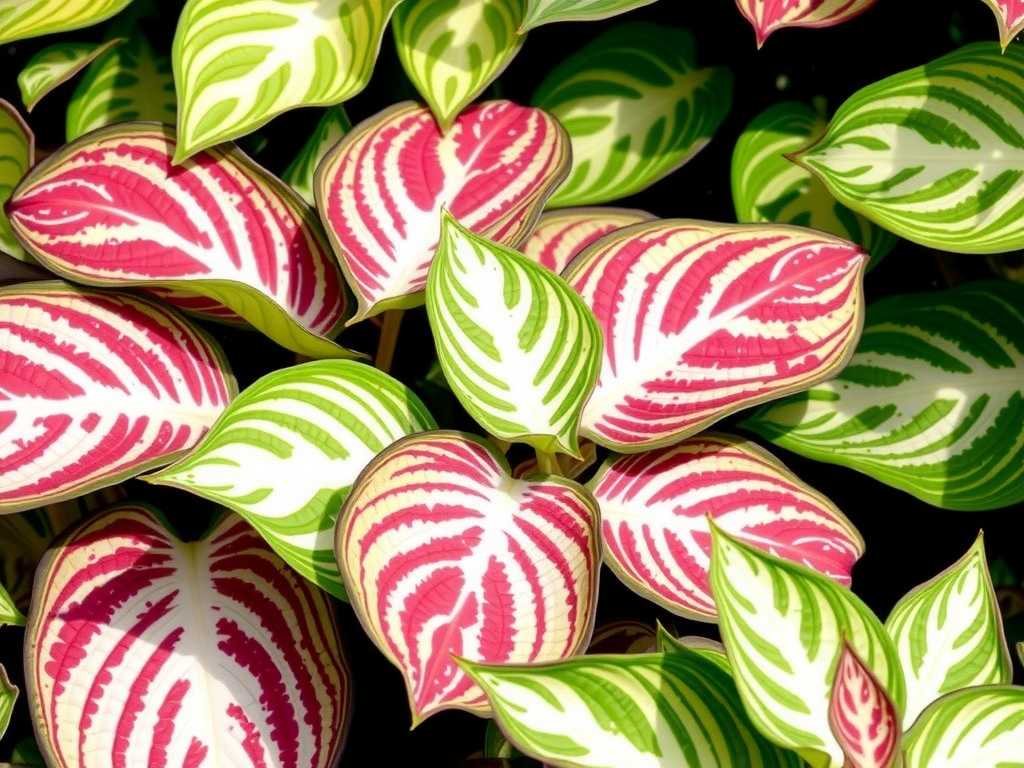
I selected three ‘White Queen’ caladiums that were pushing out new growth but showing less-than-ideal variegation—more green wash than crisp white and pink. I committed to a strict 14-day observation period, adjusting only their light exposure and meticulously logging daily changes.
Week One: Assessing and Adjusting Placement
My plants were originally in an east-facing room about 4 feet from the window. They looked healthy but “quiet.” The first step was a proper assessment. I used a simple light meter app on my phone (a surprisingly helpful tool for consistency) to get a baseline. At their old spot, they received about 150 foot-candles (FC) for the brief morning sun, then dipped to a steady 75 FC for the rest of the day. According to research compiled by the Royal Horticultural Society (RHS), plants with pronounced variegation often perform best in a range of 200-400 FC of bright, filtered light.
- Action Taken: I moved all three plants directly to a spot 2 feet away from a large north-east facing window, filtered by a sheer curtain. This new location provided a much steadier 250-300 FC for most of the daylight hours—no direct hot sun, but a significant boost in brightness.
- The First Hurdle & Solution: By day 3, I noticed the leaf stems on one plant seemed to be stretching slightly toward the light. This was a sign they wanted even more! However, moving them to a south-facing window was too risky for scorching. My solution was to add a supplemental light source. I positioned a basic, full-spectrum LED grow light about 18 inches above the plants, set on a 12-hour timer to extend the “daylight” period. This brought the late afternoon and evening light levels up to match the daytime.
Week Two: Observing the Response and Fine-Tuning
The second week was where the magic—and the learning—really happened.
- Visible Changes: The most exciting observation was in the new leaves that began to unfurl. Compared to the previous ones, these emerging leaves showed significantly sharper margins between the white and green. The pink veins were more vivid. The existing leaves didn’t change color, but they appeared more turgid and lifted, as if energized.
- The Critical “Pitfall” I Encountered: Around day 10, I spotted a faint, bleached, yellowish patch on one of the older, fully-expanded leaves directly under the LED light. I panicked—was it scorching? Upon closer inspection and checking resources, I realized it was likely mild light stress or bleaching from the consistency of the artificial light, not its heat. The leaf wasn’t burned (crispy/brown) but was getting too much of a good thing.
- My Solution: Instead of removing the grow light, I adjusted it. I raised it another 6 inches to reduce the intensity and made sure it was angled to spread light more evenly across all plants, not focused on one. I also ensured the sheer curtain was always drawn during the few hours of direct morning sun. This simple fine-tuning preserved the light benefits while eliminating the stress sign. The plant stopped the bleaching, and subsequent growth was perfect.
Your Action Plan: Practical Light Tips for Maximum Variegation
Based on my experiment, here’s how you can apply these lessons.
Finding the Sweet Spot for Bright Indirect Light “Bright, indirect light” is best defined by the shadow test. In your proposed spot, your hand should cast a soft-edged, fuzzy shadow for most of the day. A sharp, dark shadow means direct sun (risk of burn). A very faint shadow likely means it’s too dim. North or east-facing windows are often ideal. South or west windows require diligent filtering with sheers or placement a few feet back from the pane.
The Role of Duration and Consistency Caladiums thrive on consistency. Aim for 10-12 hours of quality light daily. Sudden shifts, like moving a plant from a dark corner to a bright patio, will shock it. My staged approach—first adjusting natural light, then supplementing—prevented shock. Using a timer for any grow lights is non-negotiable for providing this circadian rhythm, which is key for healthy leaf development.
When and How to Use Grow Lights Effectively Grow lights are a game-changer, especially in darker homes or seasons. My takeaway: they are for supplementing and extending, not brutally replacing, natural light. Full-spectrum LEDs are cool and energy-efficient. Position them 12-24 inches above the foliage, and use a timer. They allowed me to give my caladiums the long, bright “days” they crave without the risk of sunburn from a southern exposure.
Common Questions from Fellow Plant Lovers
Can too much light cause the colors to fade? Yes, but it’s usually about type, not just amount. Harsh, direct sunlight can actually scorch and brown the delicate white and pink tissues, making them look faded and damaged. It can also stress the plant into producing more green chlorophyll for protection, which can mute the variegation. The goal is abundant but filtered light.
My caladium is getting enough light but is still losing variegation. What else could it be? Light is the primary driver, but it’s not the only factor. Over-fertilizing, particularly with high-nitrogen formulas, can encourage a surge of green growth at the expense of color. Ensure you’re using a balanced, diluted fertilizer. Also, some natural reversion can occur. If a stem starts producing fully green leaves, it’s best to prune that stem at the soil line to encourage the more variegated parts to grow.
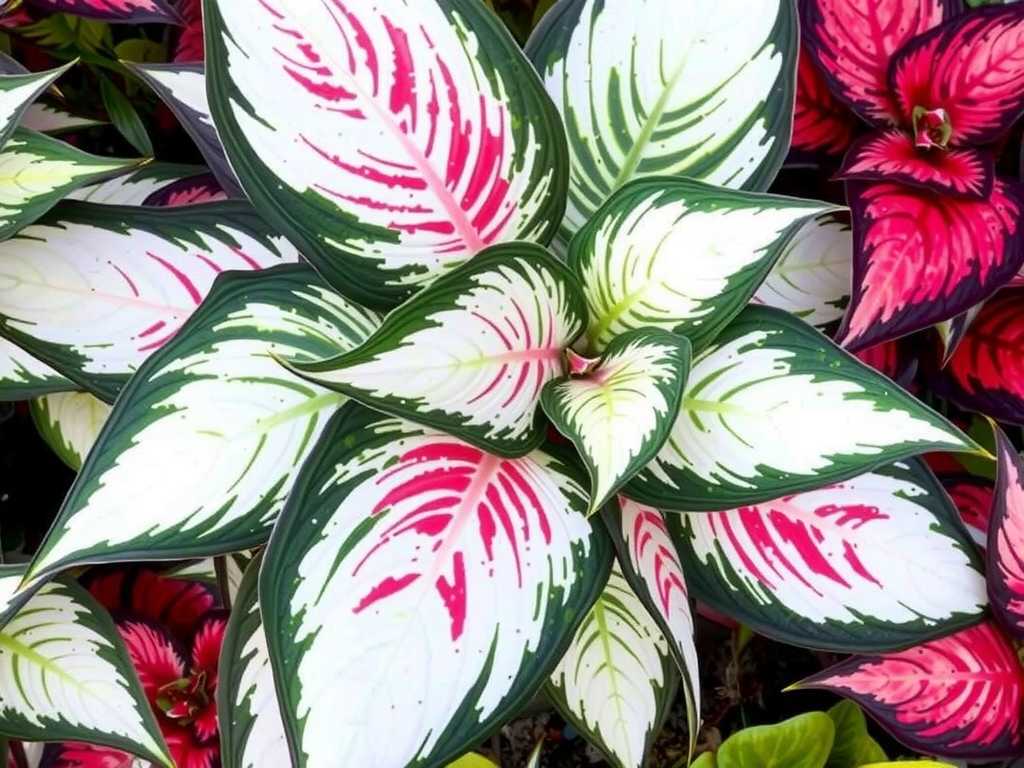
Are the light requirements different for different caladium varieties? Absolutely. Darker-leaved varieties like ‘Black Magic’ or ‘Red Flash’ can often tolerate slightly lower light levels while keeping their rich colors. The highly variegated, white-centric types like ‘White Christmas,’ ‘White Queen,’ or ‘Miss Muffet’ are the real light-hungry divas and need the brightest indirect light you can provide to maintain their stunning contrast.
Encouraging caladium variegation is a rewarding practice in understanding your plant’s language. It’s not about blasting it with sun, but about providing a long, steady, and generous bath of bright, filtered light. My two-week experiment proved that a thoughtful adjustment, coupled with close observation and a willingness to tweak things like light height and duration, yields dramatic results. The new leaves that unfurled after those fourteen days were a testament to the plant’s vibrant potential, finally unlocked. Pay attention to the shadow it casts, watch for signs of stretching or stress, and don’t be afraid to use technology like a simple grow light to mimic its ideal environment. Your caladium will repay you with a breathtaking, long-lasting display of color.





