 bluename
 How to Prevent Caladium Variegation Loss: Care Steps from a Passionate Grower
I remember the heart-sinking moment I looked at my prized ‘White Queen’ caladium. Her once-stunning, marble-white leaves, intricately veined with crimson, were fading. New leaves were emerging smaller, with more green creeping in, dulling that spectacular contrast. That’s when I knew I had a problem: caladium variegation loss. If you’re here, you’ve probably felt that same pang of disappointment. You brought home a vibrant, artistic leaf, only to watch its unique patterns slowly vanish. It’s not just about aesthetics; it feels like the plant’s very spirit is dimming. But don’t worry—this isn’t a death sentence. Over the last two years, through trial, error, and careful observation, I’ve cracked the code on how to prevent caladium variegation loss. This guide is my hands-on journey, sharing the exact care steps that brought my ‘White Queen’ back to her glorious self and have kept all my variegated caladiums thriving since.
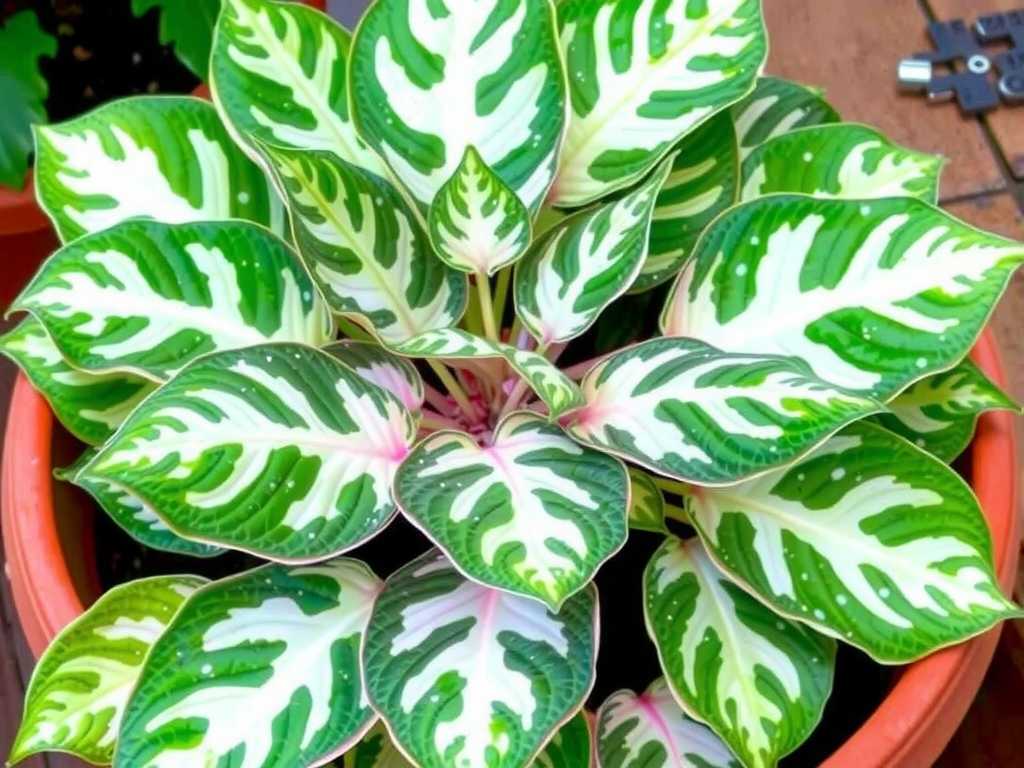
Understanding Why Caladiums Lose Their Variegation
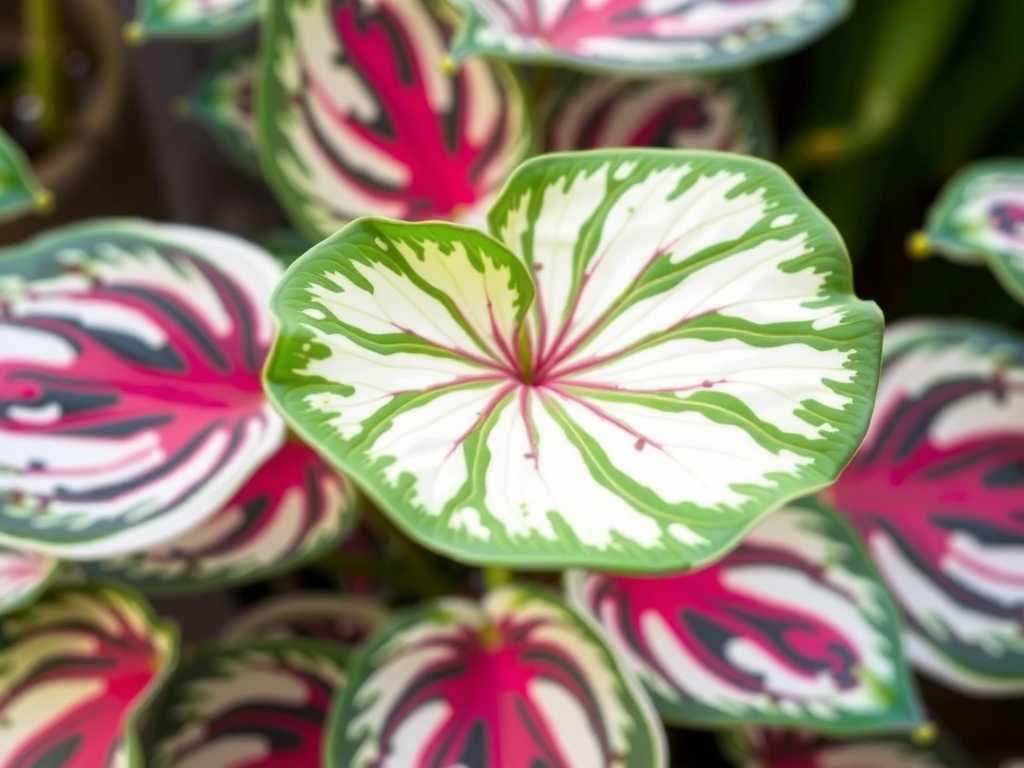
Before we dive into the fixes, we need to understand the “why.” Variegation in plants like caladiums is often due to a lack of chlorophyll in certain leaf cells. Those stunning white, pink, or red areas have little to no green pigment. This makes the plant naturally less efficient at photosynthesis. When the plant is stressed or its needs aren’t met, it does what any survivor would do: it prioritizes function over form. It starts producing more green chlorophyll to capture more light and energy, leading to a loss of that beautiful variegation. The key to prevention is to create an environment so comfortable that the plant doesn’t feel the need to revert to plain green.
My Two-Week Rescue Mission: A Step-by-Step Process
When I noticed the variegation fading on my caladium, I committed to a focused, two-week corrective care routine. I documented every change and its effect. Here’s exactly what I did.
Week 1: The Light Adjustment and Audit
My first suspect was light. I had placed my caladium in what I thought was a “bright, indirect light” spot, but the reality was a north-facing room with dappled light for only 2-3 hours a day. It was simply too dim.
- The Fix: I moved the plant to an east-facing window where it receives gentle, direct morning sun for about 2 hours, followed by very bright, indirect light for the rest of the day. I avoided harsh afternoon southern or western exposure, which can scorch the leaves.
- The “Aha!” Moment & The Pitfall: Within 3 days, I noticed the plant seemed perkier. However, by day 5, a leaf that was too close to the glass showed a slight bleached, crispy spot. I had overcorrected!
- The Solution: I moved the pot back just 18 inches from the window and used a sheer curtain as a diffuser. This provided the brightness without the harsh direct rays. The Royal Horticultural Society (RHS) emphasizes that “foliage plants with colored leaves often require good light levels to maintain their vibrancy,” but cautions against direct scorching sun. This perfectly aligned with my experience.
Week 2: Fine-Tuning Water and Nutrients
With light optimized, I turned to soil and food. I was watering on a strict weekly schedule, which is a classic mistake.
- The Fix – Watering: I adopted the “finger test.” I waited to water until the top 1-2 inches of soil were completely dry. For my mix, this meant watering deeply every 5-6 days instead of 7. The goal was consistent moisture, not sogginess or drought.
- The Fix – Fertilizing: I had been using a balanced, all-purpose fertilizer. I switched to a formula higher in potassium (K) and lower in nitrogen (N), such as a 3-4-5 ratio. High nitrogen promotes excessive green, leafy growth at the expense of color. A half-strength dose was applied at the beginning of week two.
- Observation: By the end of the second week, the newest emerging leaf unfurled. It was noticeably larger than the previous two and held a much sharper, clearer white variegation. The red veins popped against it. This was my proof that the adjustments were working.
The Four Pillars of Long-Term Variegation Care
My two-week rescue solidified into a long-term care philosophy built on four pillars.
-
Mastering the Light Formula for Vibrant Leaves This is the single most critical factor for maintaining caladium variegation. Bright, indirect light is non-negotiable. Think of it as the plant’s energy source for creating color without the stress of sunburn. A south or west-facing window with a sheer curtain is ideal. East-facing windows are excellent. If using grow lights, full-spectrum LED panels placed 12-18 inches above the plant for 12-14 hours a day work wonders. I rotate my pots a quarter turn weekly to ensure all sides receive equal light, preventing lopsided growth.
-
Strategic Watering and Soil for Healthy Roots Root health is color health. Caladiums despise “wet feet.” A well-draining, airy potting mix is crucial. I use a blend of 50% peat-free potting mix, 30% perlite, and 20% orchid bark. This prevents waterlogging, a common cause of tuber rot and overall stress that triggers reversion. Water thoroughly until it runs from the drainage holes, then let the soil approach dryness before watering again. The American Horticultural Society’s (AHS) heat zone map is a good reminder that as home temperatures rise, watering frequency may increase, but the “dry-down” rule remains key.
-
Feeding for Color, Not Just Growth Your fertilization strategy directly impacts leaf color. As I learned, a fertilizer with a lower first number (Nitrogen) helps. I now use a liquid fertilizer labeled for “blooms” or “color” every 4-6 weeks during the active growing season (spring to early fall). I stop feeding entirely when growth slows in late fall and winter. Over-fertilization salts the soil and stresses the plant, so “less is more” is a good mantra.
-
Seasonal Rhythms and Dormancy Care Caladiums are tuberous plants with a natural dormant period, usually in late fall/winter. Fighting this dormancy is a major cause of weak, poorly variegated growth the following year. When leaves naturally yellow and die back, I reduce watering significantly, allowing the tuber to rest in the pot in a cool (60-65°F), dark place for 8-10 weeks. Come spring, I repot the tuber in fresh mix, resume watering, and place it in warmth and light. This rest period is vital for the plant to recharge and produce strong, colorful leaves again.
Common Questions from Fellow Growers
My caladium is putting out all-green leaves. Is it too late to save the variegation? Not necessarily. First, assess your light. Often, a significant boost in brightness can convince the plant to put out variegated leaves again from the next growth point. If the plant has reverted to a fully green growth point, you may need to prune that stem back to a node where variegated growth last occurred. Patience is key.
Can I put my variegated caladium outside in the summer? Absolutely, and it can benefit them! Acclimate it slowly over 7-10 days to avoid shock. Place it in a shaded patio, under a dense tree canopy, or on a covered porch where it receives no direct, hot afternoon sun. The increased ambient light and humidity can enhance color. Just remember to monitor watering more closely.
Are some caladium varieties just more stable than others? Yes, variety selection matters. Some cultivars, like ‘Florida Sweetheart’ or ‘Miss Muffet’, are known for being relatively stable and vigorous. Others, particularly some of the ultra-white varieties, can be more finicky. When purchasing, ask the grower about the variety’s habits. Starting with a robust variety can make your journey to maintain variegation much easier.
Preventing caladium variegation loss is a rewarding practice in attentive plant care. It’s about listening to your plant’s subtle cues—the slight fade in color, the direction of new growth. By providing consistent, bright indirect light, a well-draining home, thoughtful nutrition, and respecting its natural rest cycle, you’re not just keeping a plant alive. You’re creating the perfect conditions for a living piece of art to flourish. The vibrant, painterly leaves of a happy caladium are a testament to the careful balance we can help maintain in our own homes.





