 bluename
 How to Fix Caladium Leaves Turning White: Your Ultimate Sunburn Solution
I’ll never forget the heart-sinking moment I walked over to my prized caladium collection and saw it. Several leaves, once vibrant canvases of pink, red, and green, were developing pale, washed-out patches. Some areas looked almost translucent, while others had turned a stark, papery white. My immediate fear was some terrible disease or pest infestation. But after a frantic investigation and consulting trusted resources, I pinpointed the culprit: sunburn. Not a bug, not a fungus, but too much of a good thing—light. If you’re here, you’re likely facing the same alarming sight. Don’t panic. I’ve been through it, systematically fixed it, and documented the entire recovery process. This guide is my firsthand account of exactly how to diagnose, treat, and prevent caladium leaves turning white from sunburn.
Understanding the "Why": It's Not a Disease, It's a Stress Signal
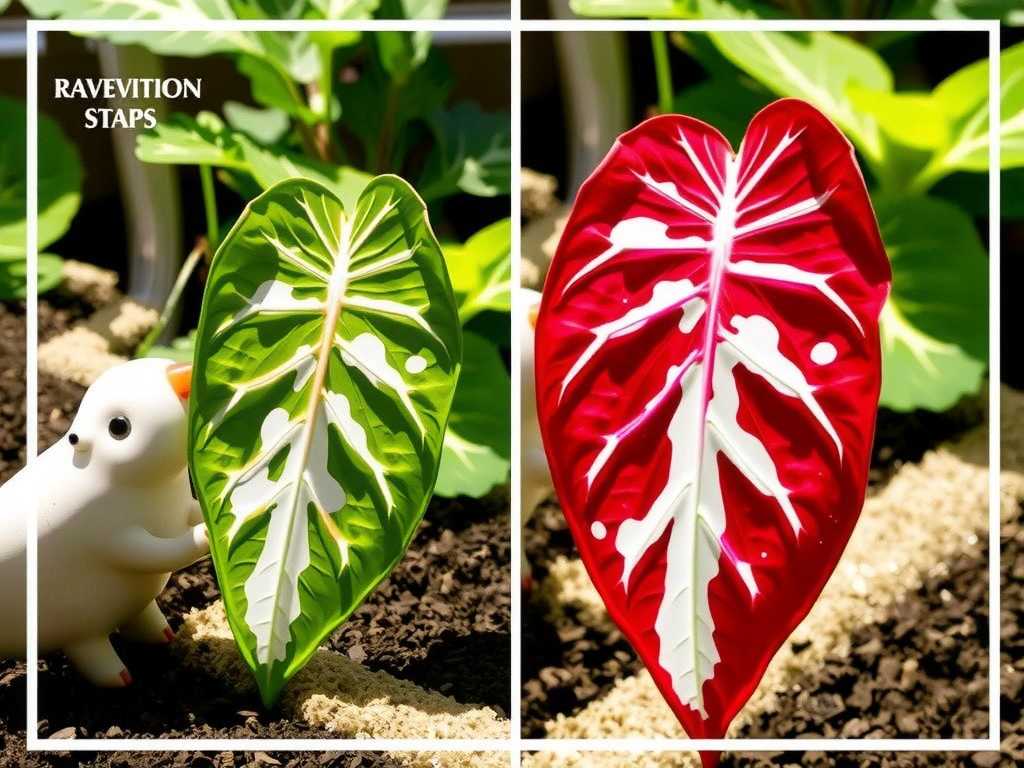
First, let’s demystify what’s happening. Caladiums are tropical understory plants. In their natural habitat in the Amazon basin, they thrive on the dappled light that filters through dense canopy covers. Their stunning, thin leaves are engineered to capture those fleeting rays, not to endure the full, relentless force of the afternoon sun.
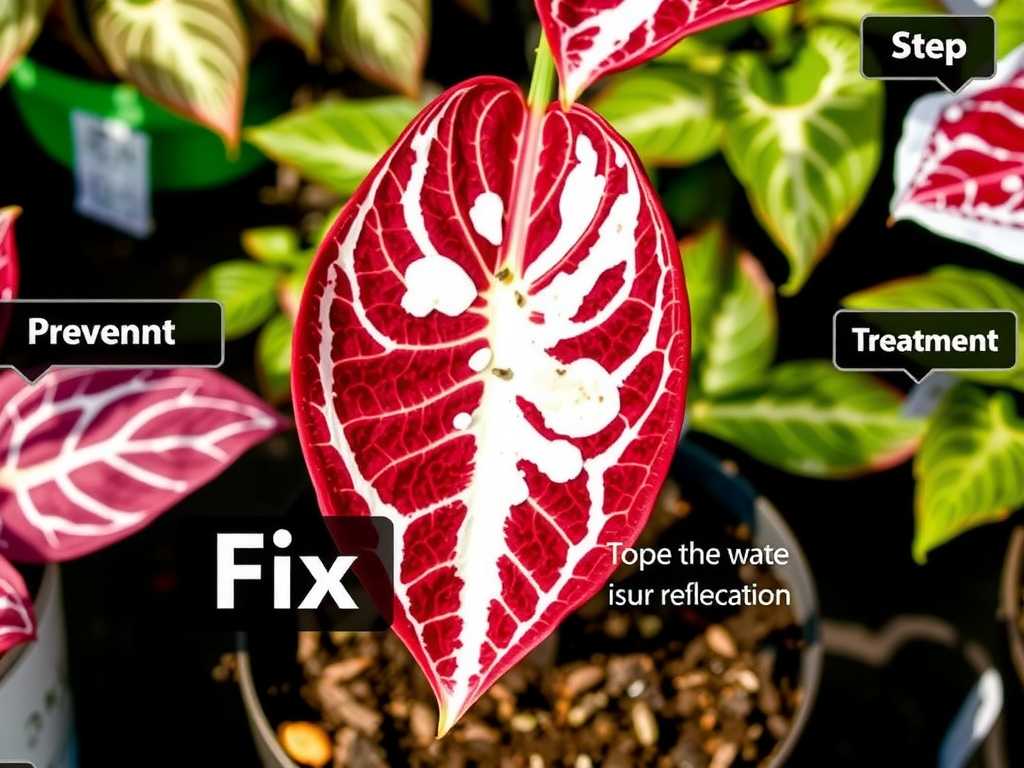
When we place them in direct sunlight, especially the harsh midday or afternoon sun, the intense UV radiation and heat literally scorch the leaf tissue. The cells break down, chlorophyll (which gives leaves their green color and is crucial for photosynthesis) is destroyed, and the leaf’s colorful pigments fade. What remains is a bleached, damaged area. This isn't just cosmetic; it weakens the plant’s ability to feed itself. The Royal Horticultural Society (RHS) clearly categorizes such pale, scorched patches on foliage as a classic symptom of light stress, advising immediate relocation to a shadier spot.
My Step-by-Step Rescue Mission: A Two-Week Recovery Log
The moment I confirmed sunburn, I sprang into action. Here was my plan, executed over a critical two-week period.
Week 1: Immediate Triage and Relocation
My affected caladiums were on a west-facing patio, receiving a brutal blast of afternoon sun. Day 1 was all about damage control.
- Step 1: The Gradual Move. I didn’t just yank them into a dark corner. Sudden, extreme changes shock plants. I moved them to a spot with bright, but completely indirect, light. For me, this was a shelf about 5 feet back from a north-east facing window, where they got plenty of ambient brightness but zero direct sunbeams. The American Horticultural Society’s (AHA) Plant Heat-Zone Map concept reminds us that light intensity is directly linked to heat stress—reducing one reduces the other.
- Step 2: The Soil Moisture Check. Sunburn often goes hand-in-hand with underwatering, as intense light dries soil rapidly. I checked the soil with my finger—it was dry an inch down. I gave them a thorough, deep watering until it ran out the drainage holes, allowing the stressed roots to access moisture. I made sure to water at the soil line, avoiding the leaves, as wet leaves in low light can invite fungal issues.
- Step 3: The Hard Decision: To Snip or Not to Snip? The most severely damaged leaves—those that were more than 60% white and crispy—were not going to recover. They were also draining energy the plant needed for healing and new growth. Using sterilized, sharp scissors, I carefully cut these leaves off at the base of the stem. For leaves with only small white patches, I left them on. They could still contribute some energy, and removing them all at once would have left the plant too bare.
The First Week's Observations: Frankly, for the first 3-4 days, things looked static. The remaining good leaves seemed a bit droopy, which I took as a sign of recovery stress. I maintained consistent soil moisture (moist, not soggy) and resisted the urge to fertilize. Fertilizing a stressed plant is like forcing a sick person to run a marathon—it does more harm than good.
Week 2: Monitoring and Signs of Hope
By day 7, I started my close monitoring ritual every morning.
- Focus on New Growth: I stopped staring at the sunburned patches (they were permanent) and instead searched the soil surface and base of the stems for any sign of new buds. This shift in focus was crucial for my morale!
- The First Victory: On Day 10, I spotted it—a tiny, tightly furled pink spear poking through the soil near the base of my ‘White Queen’ variety. It was unmistakably new growth. This was the definitive sign my plant had redirected its energy and was recovering.
- Environmental Fine-Tuning: I noticed the air in my house was quite dry. While not the primary cause, low humidity can add stress. I started lightly misting the area around the plants in the morning and grouped them with other plants to create a more humid microclimate.
The Mistakes I Made (So You Don't Have To)
My journey wasn’t flawless. I made two key errors that potentially worsened the initial situation.
- The "More Light is Better" Fallacy: When my caladiums were first unfurling smaller leaves earlier in the season, I wrongly assumed they needed more sun to grow bigger. I inched them closer to the window. This directly led to the scorching. I learned that for caladiums, consistent, gentle light is far more important than intense light.
- Ignoring the Seasonal Sun Shift: The sun’s angle changes with the seasons. The spot that was perfectly shaded in spring became a sun trap by mid-summer. I failed to anticipate this. Now, I’m mindful of how the sun’s path changes and am prepared to adjust my plants’ locations throughout the year.
Prevention is the True Cure: Creating the Ideal Caladium Environment
Fixing white leaves is reactive. Preventing them is proactive and far more rewarding. Based on my experience and research, here’s how to keep your caladiums safe.
Mastering the Light Equation: The goal is bright, indirect light. Think of the light under a tree or in a well-lit room where the sun never directly touches the leaves. An east-facing window is often ideal. If you only have a south or west exposure, use a sheer curtain as a permanent filter or place the plant several feet back from the window. Observe the leaf color: rich, vibrant colors mean the light is right. Washed-out colors or crispy edges mean it’s too strong.
Watering and Humidity Harmony: Keep the soil consistently moist but never waterlogged. Let the top inch dry out slightly before watering again. These plants love humidity. Aim for 50-60% or higher. Using a pebble tray filled with water placed underneath the pot is a simple, effective method I swear by. The evaporating water boosts humidity right where the plant needs it.
When to Consider Other Causes (Rare but Possible)
While sunburn is the most common reason for caladium leaves turning white, it’s good to rule out two other rarities. If your plant is in perfect, low-light conditions and still shows white patches, consider:
- Nutrient Deficiency: An extreme calcium or magnesium deficiency can cause chlorosis (yellowing/whitening). However, this usually presents as a more uniform fading or veining pattern, not the distinct, patchy scorch of sunburn. A balanced, diluted fertilizer during the growing season prevents this.
- Variegation vs. Damage: Know your variety! Some caladiums, like ‘Candidum’ or ‘White Christmas,’ are naturally bred to have large sections of white or cream. This is symmetrical, patterned, and part of the leaf from the start. Sunburn damage is irregular, appears on previously colored leaves, and often has a dry, papery texture.
Your Questions, Answered
Can the white leaves turn green again? No, unfortunately. The scorched tissue is permanently damaged and will not regain its chlorophyll or color. The plant’s energy is best spent on new growth. Focus on the health of the remaining leaves and the new ones to come.
Should I use a sunshade or sunscreen for my outdoor caladiums? Absolutely. If growing outdoors, placing them under a pergola, a shade cloth (30-50% density is perfect), or beneath taller, sun-loving plants is an excellent strategy. There are no safe “sunscreens” or sprays for plant leaves; physical shade is the only solution.
How long does it take for a caladium to fully recover from sunburn? You’ll see signs of recovery (new growth) within 1-3 weeks if conditions are corrected. However, for the plant to fully regain its former lushness and size, it may take the remainder of the growing season. Patience is key. The new leaves that emerge in their correct, shady environment will be larger, stronger, and more brilliantly colored than before.
Seeing those ghostly white patches on your caladium’s leaves is alarming, but it’s a problem with a clear and effective solution. By acting quickly to reduce light exposure, adjusting your care routine, and learning to read your plant’s signals, you can not only halt the damage but also foster a stronger comeback. The resilience of these plants is remarkable. My once-scorched caladiums are now putting out their most spectacular foliage yet, a living reminder that sometimes, the best thing we can do is simply provide a gentler, more sheltered spot to thrive.





