 bluename
 How to Care for Caladiums After Pruning: A Complete Guide to Boost Growth
You've just given your stunning caladiums a careful pruning, snipping away spent or damaged leaves to encourage a fresh flush of growth. But now you're left wondering, "What's next?" This crucial post-pruning period is where many plant enthusiasts falter. Without the right care steps, your caladiums might struggle to rebound, potentially leading to stunted growth, tuber rot, or a disappointing display. The key to transforming that pruning session into a powerful growth boost lies in the immediate actions you take and the consistent care that follows.
This guide will walk you through every essential step, from the first moments after you put your shears down to the long-term strategies that ensure vibrant, healthy foliage. Let's turn that post-pruning uncertainty into confidence and results.
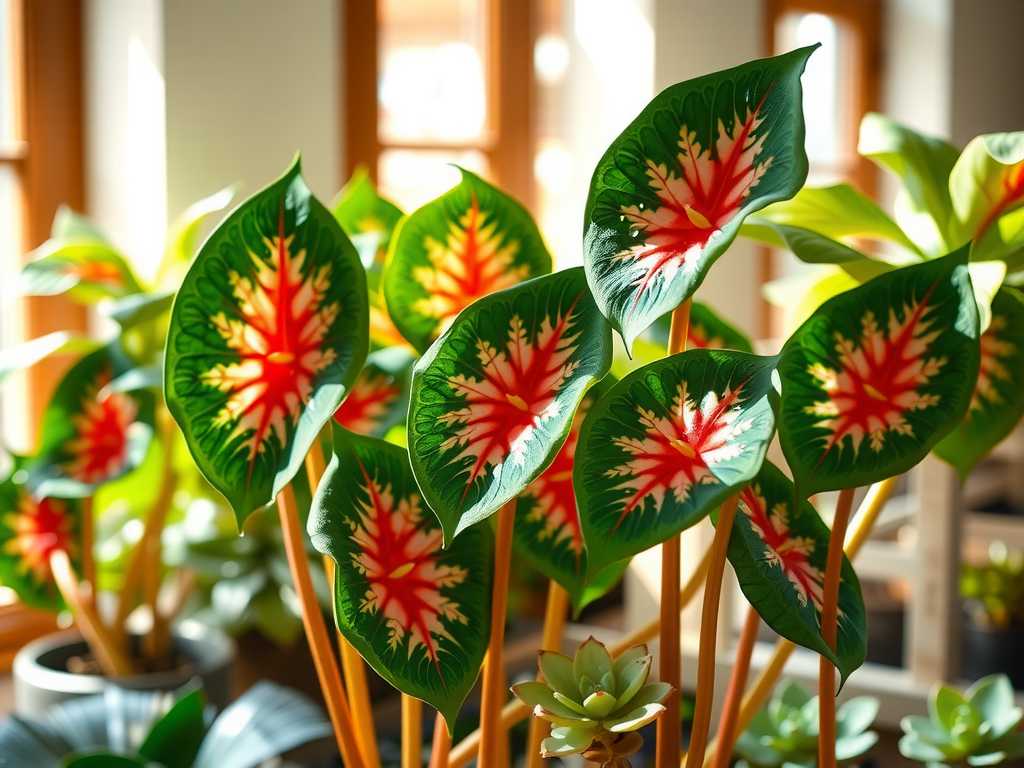
Understanding the Pruning Wound and Plant Response
When you prune a caladium leaf, you create a wound. The plant immediately begins a natural healing process, redirecting energy to seal the cut and prevent pathogen entry. This is a vulnerable time but also a moment of great potential. Your care should support this natural process while minimizing stress. The goal isn't just recovery; it's to channel the plant's energy into producing new, even more spectacular leaves.
Immediate Post-Pruning Care (The First 48 Hours)
The first two days are critical for setting the stage for a successful recovery and growth spurt.
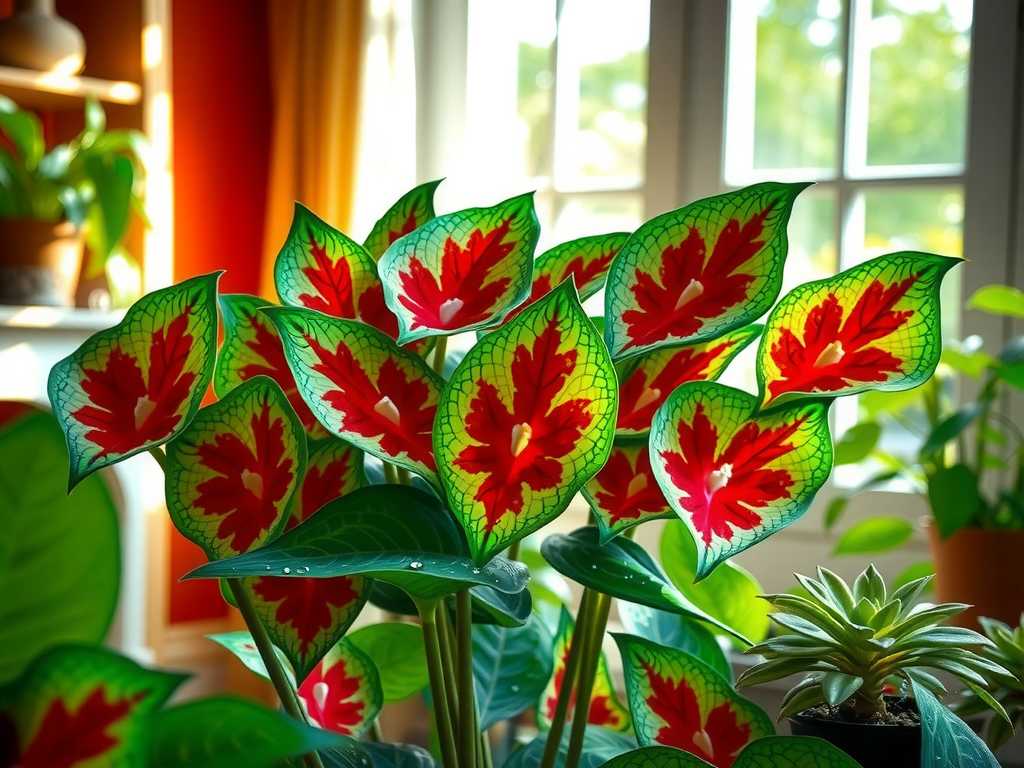
Assess the Pruning Job First, ensure your cuts were clean and made with sterilized tools. Ragged tears from dull scissors can invite disease. If any cuts look messy, use a clean, sharp blade to make a neat, angled cut just above the soil line or main stem.
Hold Off on Watering This is a common mistake. Do not water your caladium immediately after pruning. The plant has fewer leaves to transpire (release water), meaning its water requirements are temporarily reduced. Watering too soon can saturate the soil, creating conditions ripe for tuber and root rot, especially at the fresh cut sites. Allow the top inch of soil to dry out more than usual before the next watering.
Provide Optimal Light and Stable Temperature Place your caladium in a location with bright, indirect light. Avoid direct sunlight, which can scorch the plant while it's in a stressed state. Maintain a consistent, warm temperature between 65°F and 75°F (18°C - 24°C). Avoid drafts, air conditioning vents, or sudden temperature swings that add further stress.
The Recovery Phase: Watering and Fertilizing for New Growth
As your caladium shifts from healing to actively growing, your watering and feeding strategy must evolve.
Mastering the Watering Balance The mantra for watering caladiums after pruning is "moist but not soggy." Let the top 1-2 inches of soil dry out between waterings. Stick your finger into the soil to check. When you do water, water thoroughly until it runs from the drainage holes, then empty the saucer. This encourages deep root growth. According to horticulturist Dr. Linda Chalker-Scott, "Overwatering is a primary killer of ornamental tubers. Post-pruning, the plant's reduced biomass means it's even more susceptible to waterlogged soils."
Strategic Fertilization for a Growth Boost Wait approximately 7-10 days after pruning before applying fertilizer. This gives the plant time to initiate healing. Then, begin a feeding regimen to fuel new growth.
- Formula: Use a balanced, water-soluble fertilizer (e.g., 10-10-10 or 20-20-20) diluted to half the recommended strength.
- Frequency: Apply every 4-6 weeks during the active growing season (spring and summer).
- Method: Always apply to damp soil to prevent root burn. This targeted feeding provides the essential nutrients—nitrogen for leaf development, phosphorus for root and tuber health, and potassium for overall vigor—needed to produce large, colorful leaves.
Long-Term Care Strategies for Sustained Health
Soil and Repotting Considerations Caladiums thrive in a loose, well-aerated, and well-draining potting mix. A blend of peat moss, perlite, and pine bark is ideal. If your plant hasn't been repotted in over a year and growth seems sluggish even after pruning and feeding, consider repotting in the next growing season. Choose a pot only 1-2 inches larger in diameter to prevent excess soil from staying wet too long.
Humidity: The Secret for Lush Foliage Caladiums are tropical plants that adore humidity, especially when pushing out new, tender leaves. Aim for 50-70% humidity.
- Solutions: Use a humidifier, place the pot on a pebble tray filled with water (ensure the pot sits above the water line), or group it with other plants to create a microclimate.
Ongoing Monitoring and Maintenance Keep an eye on your plant. Remove any new leaves that show signs of damage or disease promptly. Rotate the pot periodically to ensure even growth. Watch for common pests like spider mites or aphids, which are attracted to stressed plants, and treat them early with insecticidal soap.
Preparing for Dormancy: A Natural Cycle
If your post-pruning care occurs in late summer or fall, the new growth you encourage will eventually be followed by the plant's natural dormancy. Leaves will begin to yellow and die back. This is normal. Reduce watering gradually as this happens. Once the foliage has withered, you can store the tuber in a cool, dry place for the winter before replanting next season.
Frequently Asked Questions
How long does it take for new growth to appear after pruning? With proper care, you can typically expect to see new shoots emerging from the tuber within 2 to 4 weeks. The speed depends on factors like tuber health, temperature, and the amount of light provided.
Can I propagate caladiums from the leaves I pruned? Unfortunately, caladiums cannot be propagated from leaf cuttings. The leaf stem does not contain the necessary meristematic tissue to form a new tuber. Propagation is done by dividing the main tuber during repotting, ensuring each division has at least one "eye" or growth node.
My pruned caladium is not growing back. What could be wrong? Several factors could be at play. First, check the tuber's health by gently excavating the soil around it. A firm, plump tuber is healthy; a mushy or shriveled one may be lost. Other causes include dormancy (if it's the wrong season), soil that is too cold, chronic overwatering leading to rot, or insufficient light. Reassess your care conditions starting with the tuber's health.
Successfully caring for caladiums after pruning is a blend of immediate caution and strategic nurturing. By respecting the plant's vulnerable state right after cutting, then proactively supporting it with perfect moisture, gentle nutrition, and a humid environment, you directly channel its energy into regeneration. The result is not just a recovery, but a visible growth boost—a denser, more vibrant plant that rewards your careful attention with its spectacular, heart-shaped leaves. Remember, patience is key; provide consistent care and your caladium will showcase its resilience and beauty.





